

Procalcitonin measurement is a blood test used to aid in the diagnosis of bacterial lower respiratory tract infections and guide initiation of antibiotic therapy.1 Procalcitonin testing may also be used to reduce adverse effects in adults with respiratory tract infections or sepsis and guide discontinuation of antibiotic therapy in patients with sepsis.2–4
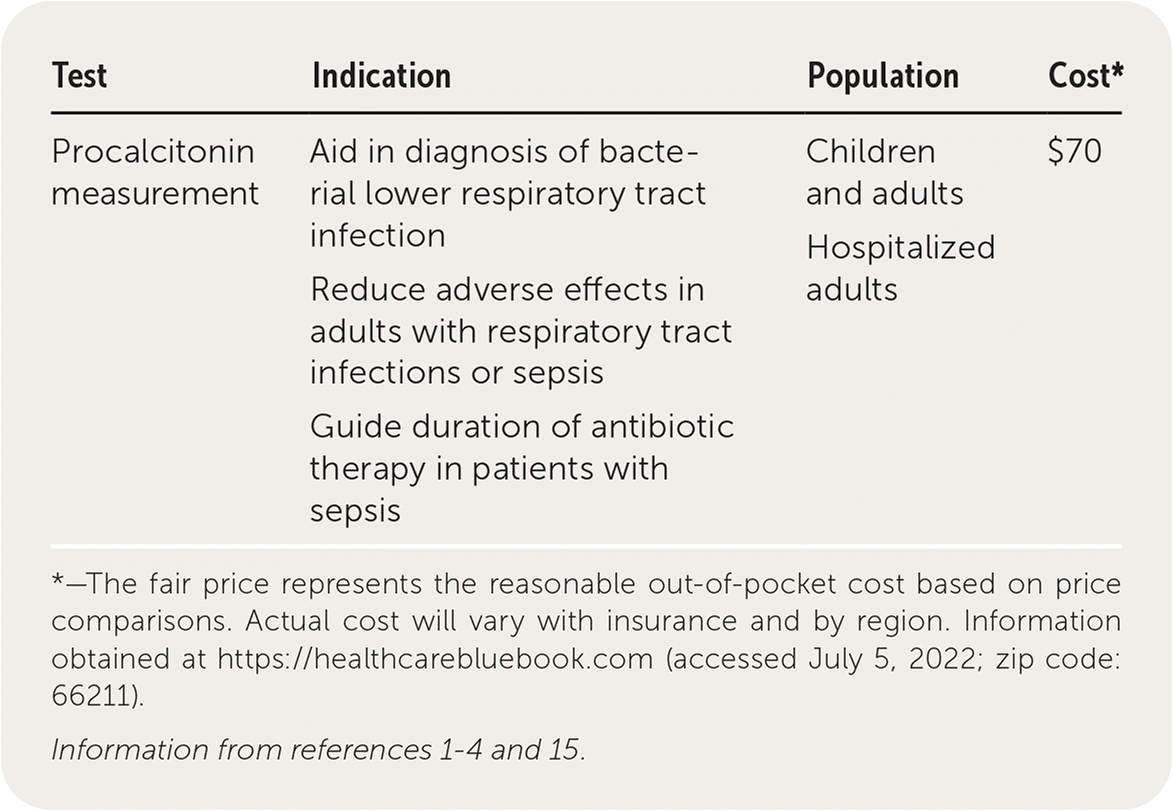
| Test | Indication | Population | Cost* |
|---|---|---|---|
| Procalcitonin measurement | Aid in diagnosis of bacterial lower respiratory tract infection Reduce adverse effects in adults with respiratory tract infections or sepsis Guide duration of antibiotic therapy in patients with sepsis | Children and adults Hospitalized adults | $70 |
*—The fair price represents the reasonable out-of-pocket cost based on price comparisons. Actual cost will vary with insurance and by region. Information obtained at https://healthcarebluebook.com (accessed July 5, 2022; zip code: 66211).
Accuracy
Most laboratories can produce a procalcitonin result within two hours.5 In patients with community-acquired pneumonia (CAP), procalcitonin findings can help distinguish bacterial from viral pathogens, although accuracy is limited.1 In a meta-analysis of 12 studies including 2,408 adults with CAP, procalcitonin testing had a sensitivity of 0.55 (95% CI, 0.37 to 0.71) and specificity of 0.76 (95% CI, 0.62 to 0.86) for bacterial infection.6 In a meta-analysis of 25 studies including 2,864 children, procalcitonin testing had a sensitivity of 0.64 (95% CI, 0.53 to 0.74) and specificity of 0.72 (95% CI, 0.64 to 0.79) for bacterial pneumonia.7
Different organisms may cause different procalcitonin elevations. One study of hospitalized adults with CAP demonstrated that typical bacteria cause a larger rise in procalcitonin (2.5 ng per mL) than atypical bacteria (0.2 ng per mL).8 Expert consensus has suggested that a procalcitonin level of less than 0.25 ng per mL in addition to clinical judgment can be used to support discontinuing antibiotics.4
Benefit
When used in conjunction with an algorithm and clinical judgment, procalcitonin testing can reduce mortality and unnecessary antibiotic use in hospitalized adults with respiratory tract infections (Table 1).2,3 In a meta-analysis of 6,708 adults from 26 trials in 12 countries, mortality at 30 days was lower with procalcitonin guidance than without (odds ratio = 0.83 [95% CI, 0.70 to 0.99]). Mortality benefit occurred across all settings (e.g., primary care, emergency department, intensive care unit) and for both upper and lower respiratory tract infections. Procalcitonin guidance was associated with a 2.4-day reduction in antibiotic use (95% CI, 2.15 to 2.71 days).2
TABLE 1. Benefits of Procalcitonin Testing in Adults
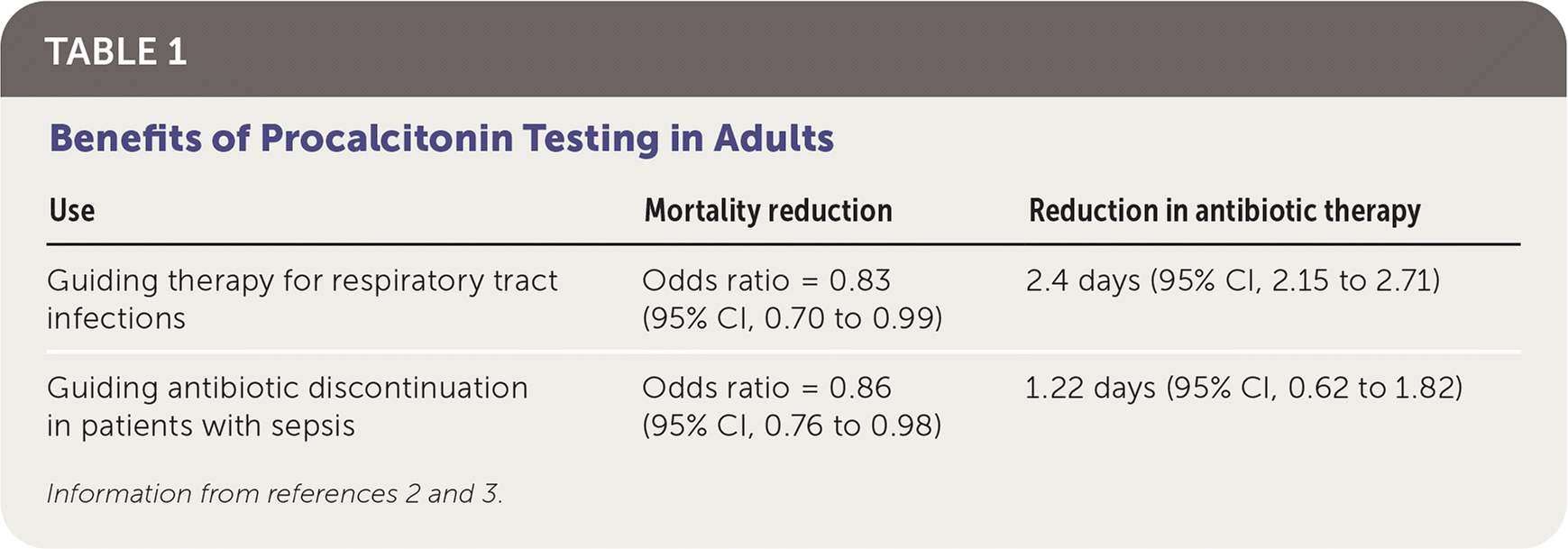
| Use | Mortality reduction | Reduction in antibiotic therapy |
|---|---|---|
| Guiding therapy for respiratory tract infections | Odds ratio = 0.83 (95% CI, 0.70 to 0.99) | 2.4 days (95% CI, 2.15 to 2.71) |
| Guiding antibiotic discontinuation in patients with sepsis | Odds ratio = 0.86 (95% CI, 0.76 to 0.98) | 1.22 days (95% CI, 0.62 to 1.82) |
Procalcitonin testing can also be used to guide discontinuation of antibiotics in severely ill adults. A meta-analysis of 11 studies including 4,482 adult patients in the intensive care unit found that using procalcitonin testing to guide antibiotic discontinuation reduced mortality (odds ratio = 0.89; 95% CI, 0.8 to 0.99); the effect was nearly identical for patients with and without sepsis.3 Duration of antibiotic therapy decreased by 1.19 days (95% CI, 0.66 to 1.73 days) overall and by 1.22 days (95% CI, 0.62 to 1.82 days) in patients with sepsis.3
Harms
Procalcitonin can be elevated in several other disease states, potentially leading to unnecessary antibiotic use in settings outside of respiratory tract infections. Notable causes include major trauma, cardiac arrest/shock, surgery, pancreatitis, and other systemic inflammatory processes.9–12 Physicians should also note that procalcitonin may not rise in localized pulmonary infections such as abscesses or empyemas.13,14
Cost
Procalcitonin testing costs about $70 per test.15 A systematic review found that procalcitonin testing is cost-effective in children and adults with sepsis because of reduced costs from shorter durations of antibiotic treatment and hospitalization.16
Bottom Line
Procalcitonin testing offers physicians a way to limit antibiotic therapy to adult inpatients with bacterial lower respiratory tract infection who are most likely to benefit.1 Using procalcitonin levels to aid decision-making for discontinuation of antibiotics in patients with sepsis reduces antibiotic use and improves mortality.3,4 To reduce potential harms, physicians should order procalcitonin testing only in clinical scenarios for which there is evidence of benefit.
The opinions and assertions contained herein are the private views of the authors and are not to be construed as official or as reflecting the views of the U.S. Army Medical Department or the U.S. Army at large.
