

Zuranolone (Zurzuvae) is an oral medication labeled for the treatment of postpartum depression in adults.1 It is a neuroactive steroid gamma-aminobutyric acid (GABA) type A receptor positive modulator, which enhances the inhibitory effects of GABA at the synaptic GABA type A receptor.
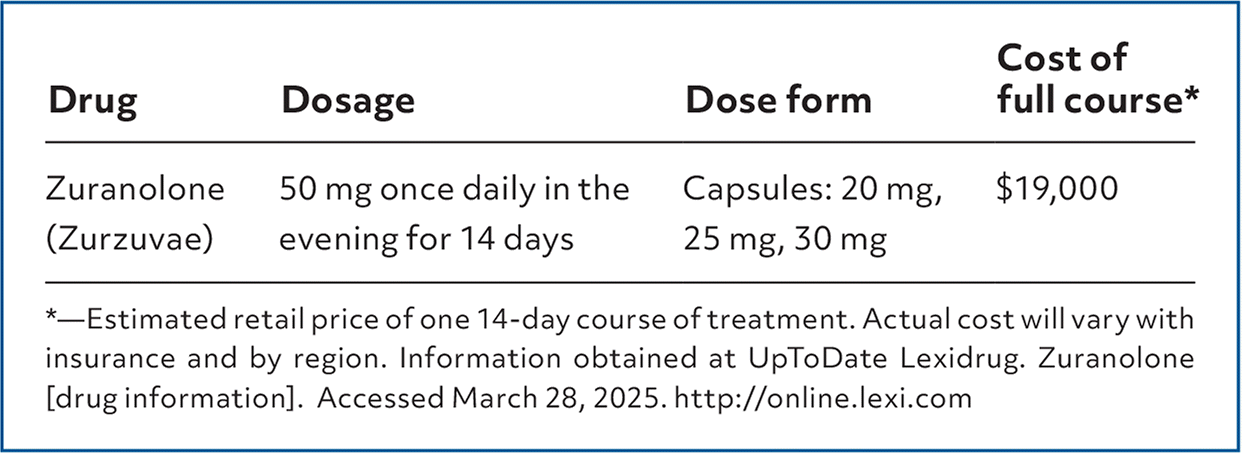
| Drug | Dosage | Dose form | Cost of full course* |
|---|---|---|---|
| Zuranolone (Zurzuvae) | 50 mg once daily in the evening for 14 days | Capsules: 20 mg, 25 mg, 30 mg | $19,000 |
*—Estimated retail price of one 14-day course of treatment. Actual cost will vary with insurance and by region. Information obtained at UpToDate Lexidrug. Zuranolone [drug information]. Accessed March 28, 2025. http://online.lexi.com
SAFETY
The biggest concern with zuranolone is a decrease in mental alertness for at least 12 hours after administration. This can result in impaired driving, as demonstrated by computer simulation. The label includes a warning for suicidal thoughts and behavior1; however, these were not found in multiple randomized controlled trials (RCTs).2,3 Additional concerns include the potential for misuse and dependence or withdrawal symptoms because other GABA receptor modulators have shown similar effects in the general population.
Data from animal reproductive studies show in utero exposure may cause fetal harm. Zuranolone is found in breast milk, with a relative infant dose of less than 1% on treatment day 5.1 (Breastfeeding is considered acceptable when the relative infant dose of a medication is less than 10%.) Patients may choose to pump and discard breast milk during therapy and for 1 week after the last zuranolone dose.
Dose reductions are needed for patients taking strong cytochrome P450 (CYP) 3A4 inhibitors (eg, azole antifungals, protease inhibitors) and those with severe hepatic impairment or moderate to severe renal impairment.1 Zuranolone should not be taken with CYP3A4 inducers (eg, anticonvulsants, phenytoin, carbamazepine). Patients taking additional central nervous system depressants may have a higher risk of adverse events.
TOLERABILITY
The most common adverse effects include drowsiness (36%, including hypersomnia and sedated state) and dizziness (13%, including vertigo). These are the most common reasons for dose reduction or treatment discontinuation (2%).1 Patients should not drive for at least 12 hours after taking each evening dose. Diarrhea also occurs in about 6% of patients.
EFFECTIVENESS
Zuranolone improves depressive symptoms in patients with postpartum depression. Two RCTs with a total of 345 patients who had moderate or severe postpartum depression found a statistically significant greater improvement in depressive symptoms at day 15 of treatment with zuranolone compared with placebo.2,3
Scores on the Hamilton Depression (HAM-D) Rating Scale decreased from an average of 28.6 points at baseline to 13.0 points with zuranolone treatment, compared with a decrease to 17.0 points with placebo (mean difference = 4 points). The minimally clinical important difference of this score is between 3 and 5 points, so this decrease is of borderline clinical significance.4 In one of the two RCTs, which included 150 patients, the rate of remission as assessed by HAM-D score was higher with zuranolone treatment (45%) compared with placebo (23%; number needed to treat = 5; 95% CI, 5–30).3
Read the full article
Get immediate access, anytime, anywhere.
Choose a single article, issue, or full-access subscription.
Earn up to 14 CME credits per issue.
