

Cardiac rehabilitation consists of comprehensive risk factor reduction with demonstrated effectiveness in combating cardiovascular disease. The American Heart Association defines cardiac rehabilitation as a supervised program to improve cardiovascular health through a combination of exercise, education, and emotional counseling for those who have had a myocardial infarction, heart failure, angioplasty, or heart surgery. Cardiac rehabilitation programs involve evaluations by a team of specialists, structured exercise, and lifestyle risk factor modification, and a focus on long-term goals to improve overall health and reduce coronary heart disease morbidity and mortality. Family physicians play a vital role in ensuring that patients are connected to and complete cardiac rehabilitation training because the program remains underused nationwide. After a coronary heart disease event and cardiac rehabilitation, these programs continue to support patients by helping them adhere to lifestyle modifications.
Cardiac rehabilitation programs are intended to provide eligible candidates the best opportunity to reduce long-term effects of a recent event or diagnosis or chronic worsening of certain cardiac conditions.1 The American Heart Association (AHA) defines cardiac rehabilitation as a supervised program to improve cardiovascular health through a combination of exercise, education, and emotional counseling for those who have had a myocardial infarction (MI), heart failure, angioplasty, or heart surgery.2 Cardiac rehabilitation programs aim to limit the psychological and physiologic stresses of coronary heart disease (CHD), reduce the risk of morbidity and mortality secondary to CHD, and improve cardiovascular function to help patients achieve the highest quality of life possible.1 By engaging in comprehensive programs, eligible patients focus on factors that contribute to overall heart health and improve short- and long-term outcomes.
SORT: KEY RECOMMENDATIONS FOR PRACTICE
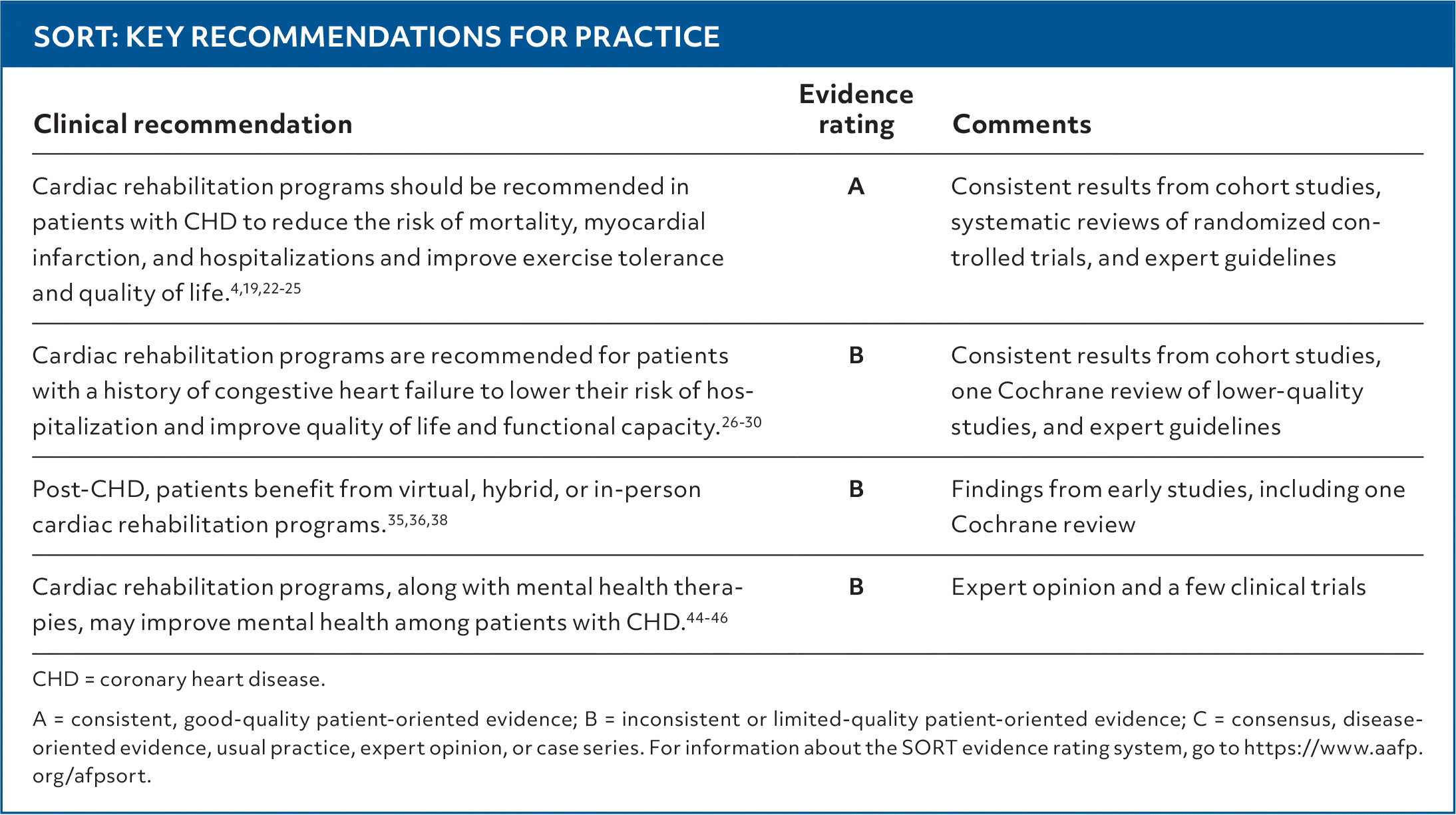
| Clinical recommendation | Evidence rating | Comments |
|---|---|---|
| Cardiac rehabilitation programs should be recommended in patients with CHD to reduce the risk of mortality, myocardial infarction, and hospitalizations and improve exercise tolerance and quality of life.4,19,22–25 | A | Consistent results from cohort studies, systematic reviews of randomized controlled trials, and expert guidelines |
| Cardiac rehabilitation programs are recommended for patients with a history of congestive heart failure to lower their risk of hospitalization and improve quality of life and functional capacity.26–30 | B | Consistent results from cohort studies, one Cochrane review of lower-quality studies, and expert guidelines |
| Post-CHD, patients benefit from virtual, hybrid, or in-person cardiac rehabilitation programs.35,36,38 | B | Findings from early studies, including one Cochrane review |
| Cardiac rehabilitation programs, along with mental health therapies, may improve mental health among patients with CHD.44–46 | B | Expert opinion and a few clinical trials |
CHD = coronary heart disease.
A = consistent, good-quality patient-oriented evidence; B = inconsistent or limited-quality patient-oriented evidence; C = consensus, disease-oriented evidence, usual practice, expert opinion, or case series. For information about the SORT evidence rating system, go to https://www.aafp.org/afpsort.
Cardiac rehabilitation is a cost-effective intervention that has been studied extensively and determined to have numerous health benefits for individuals with cardiovascular disease.3,4 Despite the abundance of data supporting these programs, they continue to be relatively underused within the United States and worldwide.5,6
Read the full article
Get immediate access, anytime, anywhere.
Choose a single article, issue, or full-access subscription.
Earn up to 14 CME credits per issue.
