

Multiple myeloma, a hematologic malignancy of plasma cells characterized by excessive monoclonal protein production, accounts for 36,000 new cancer diagnoses annually in the United States. The median age at diagnosis is 69 years. Multiple myeloma may present with symptoms, such as bone pain, fatigue, anemia, weight loss, kidney failure, and hypercalcemia, although some patients are asymptomatic. Initial evaluation includes complete blood cell count, comprehensive metabolic panel, serum calcium level, urinalysis, thyroid-stimulating hormone (thyrotropin), urine and serum protein electrophoresis, and radiography of symptomatic bony sites. Diagnosis relies on a combination of urine and serum protein electrophoresis, serum immunofixation, serum free light chain assay, imaging (computed tomography or positron emission tomography-computed tomography), and bone marrow analysis. Oncology referral is recommended if the initial evaluation is suggestive of multiple myeloma. Treatment is determined by a combination of disease characteristics and patient factors and typically involves a three- to four-drug regimen followed by autologous stem cell transplantation if eligible, and then maintenance therapy. Adjunctive care includes bisphosphonates or denosumab and venous thromboembolism prophylaxis. Family physicians play a crucial role in the patient's multidisciplinary team for addressing psychosocial needs, identifying relapse or recurrence, and managing comorbidities.
Multiple myeloma is a malignant disorder of plasma cells that overproduce monoclonal proteins. The classic symptomatic clinical presentation is characterized by bone pain, fatigue, anemia, weight loss, kidney failure, and hypercalcemia, but patients may also be asymptomatic.1,2 Multiple myeloma occurs along a spectrum of plasma cell dyscrasias from asymptomatic monoclonal gammopathy of undetermined significance to smoldering or symptomatic disease.1,3,4
SORT: KEY RECOMMENDATIONS FOR PRACTICE
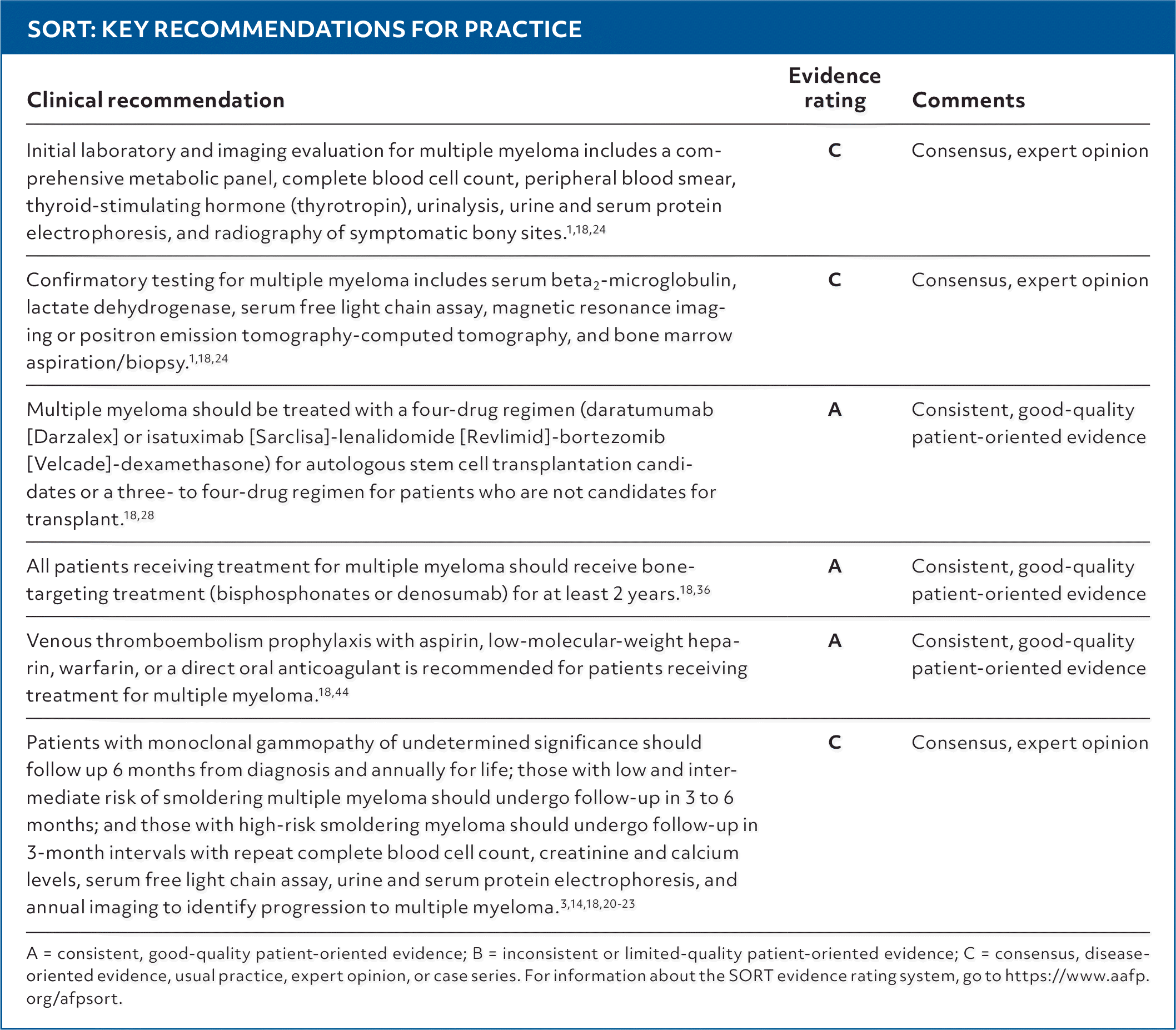
| Clinical recommendation | Evidence rating | Comments |
|---|---|---|
| Initial laboratory and imaging evaluation for multiple myeloma includes a comprehensive metabolic panel, complete blood cell count, peripheral blood smear, thyroid-stimulating hormone (thyrotropin), urinalysis, urine and serum protein electrophoresis, and radiography of symptomatic bony sites.1,18,24 | C | Consensus, expert opinion |
| Confirmatory testing for multiple myeloma includes serum beta2-microglobulin, lactate dehydrogenase, serum free light chain assay, magnetic resonance imaging or positron emission tomography-computed tomography, and bone marrow aspiration/biopsy.1,18,24 | C | Consensus, expert opinion |
| Multiple myeloma should be treated with a four-drug regimen (daratumumab [Darzalex] or isatuximab [Sarclisa]-lenalidomide [Revlimid]-bortezomib [Velcade]-dexamethasone) for autologous stem cell transplantation candidates or a three- to four-drug regimen for patients who are not candidates for transplant.18,28 | A | Consistent, good-quality patient-oriented evidence |
| All patients receiving treatment for multiple myeloma should receive bone-targeting treatment (bisphosphonates or denosumab) for at least 2 years.18,36 | A | Consistent, good-quality patient-oriented evidence |
| Venous thromboembolism prophylaxis with aspirin, low-molecular-weight heparin, warfarin, or a direct oral anticoagulant is recommended for patients receiving treatment for multiple myeloma.18,44 | A | Consistent, good-quality patient-oriented evidence |
| Patients with monoclonal gammopathy of undetermined significance should follow up 6 months from diagnosis and annually for life; those with low and intermediate risk of smoldering multiple myeloma should undergo follow-up in 3 to 6 months; and those with high-risk smoldering myeloma should undergo follow-up in 3-month intervals with repeat complete blood cell count, creatinine and calcium levels, serum free light chain assay, urine and serum protein electrophoresis, and annual imaging to identify progression to multiple myeloma.3,14,18,20–23 | C | Consensus, expert opinion |
A = consistent, good-quality patient-oriented evidence; B = inconsistent or limited-quality patient-oriented evidence; C = consensus, disease-oriented evidence, usual practice, expert opinion, or case series. For information about the SORT evidence rating system, go to https://www.aafp.org/afpsort.
Read the full article
Get immediate access, anytime, anywhere.
Choose a single article, issue, or full-access subscription.
Earn up to 14 CME credits per issue.
