

DETAILS FOR THIS REVIEW
Study Population: 24 studies with 60,997 participants at high risk of cardiovascular disease (CVD; previous history of CVD or high low-density lipoprotein [LDL] cholesterol despite treatment)
Efficacy End Points: CVD, all-cause mortality, myocardial infarction (MI), cerebrovascular accident (CVA)
Harm End Points: secondary outcome: adverse effects (eg, influenza, type 2 diabetes, cancer, hypertension)
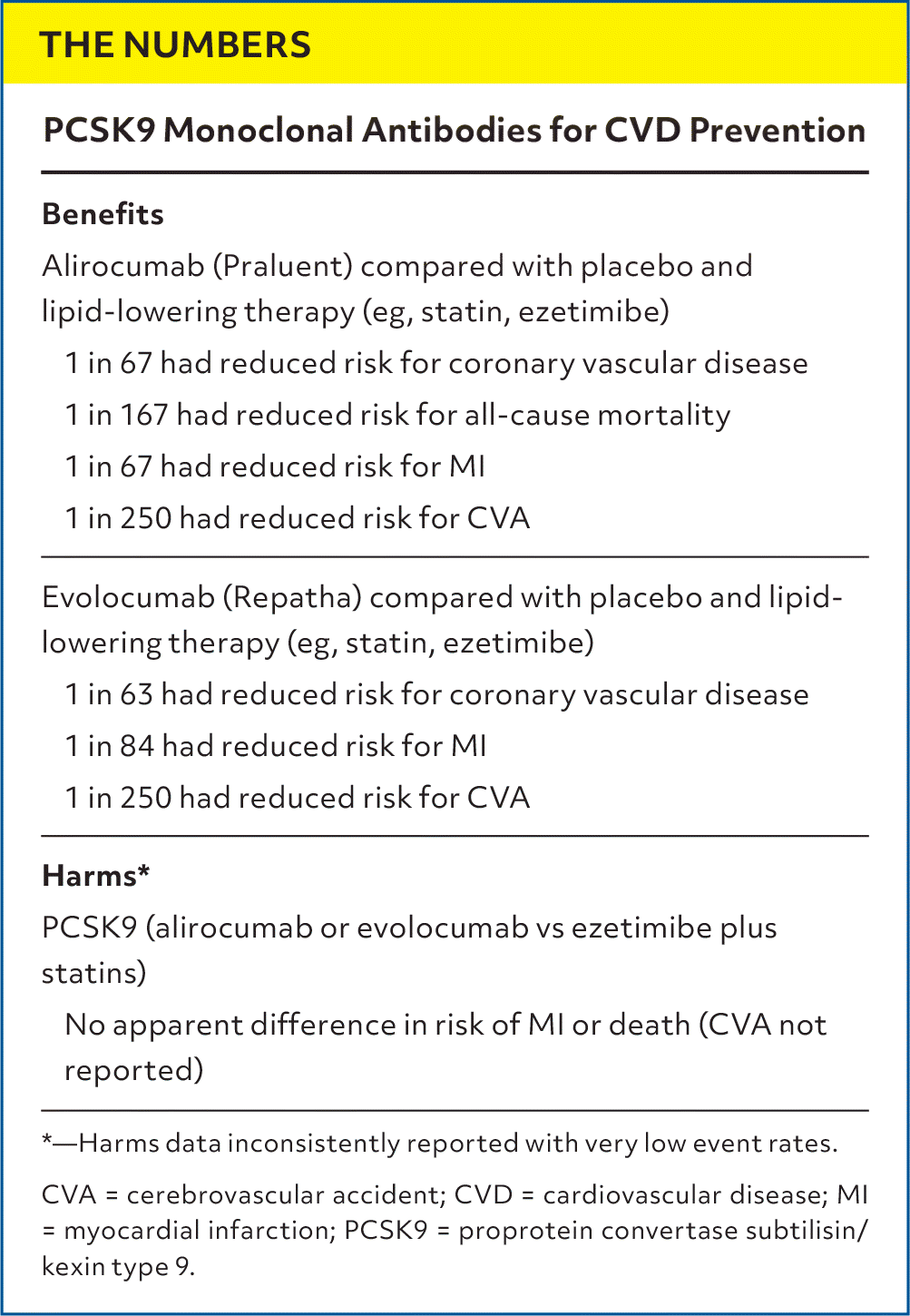
THE NUMBERS
| Benefits |
| Alirocumab (Praluent) compared with placebo and lipid-lowering therapy (eg, statin, ezetimibe) |
| 1 in 67 had reduced risk for coronary vascular disease |
| 1 in 167 had reduced risk for all-cause mortality |
| 1 in 67 had reduced risk for MI |
| 1 in 250 had reduced risk for CVA |
| Evolocumab (Repatha) compared with placebo and lipid-lowering therapy (eg, statin, ezetimibe) |
| 1 in 63 had reduced risk for coronary vascular disease |
| 1 in 84 had reduced risk for MI |
| 1 in 250 had reduced risk for CVA |
| Harms* |
| PCSK9 (alirocumab or evolocumab vs ezetimibe plus statins) |
| No apparent difference in risk of MI or death (CVA not reported) |
*—Harms data inconsistently reported with very low event rates.
CVA = cerebrovascular accident; CVD = cardiovascular disease; MI = myocardial infarction; PCSK9 = proprotein convertase subtilisin/kexin type 9.
Narrative: CVD is a leading cause of morbidity and mortality despite lifestyle and pharmacotherapy treatments that effectively lower lipid levels. Some patients are unable to tolerate or do not respond to existing lipid-lowering therapies. Proprotein convertase subtilisin/kexin type 9 (PCSK9) medications increase the removal and elimination of LDL cholesterol, effectively lowering LDL cholesterol levels and theoretically reducing CVD risk. However, their effects on mortality, MI, and CVAs are not well defined, and their safety profile is uncertain.1
The Cochrane review discussed here includes 24 outpatient trials comparing PCSK9 inhibitors (alirocumab [Praluent] or evolocumab [Repatha]) with either placebo or proven agents (statins, ezetimibe).2 All trials except one were industry sponsored, 12 compared alirocumab with placebo, and six compared alirocumab with statins or ezetimibe. Three compared evolocumab with placebo, and three compared evolocumab with statins or ezetimibe.
In trials where PCSK9 medications were compared with placebo, participants in both groups were taking statins and other lipid-lowering agents (eg, ezetimibe); many also received lifestyle counseling before the trial began and continued the interventions through the trial. In these trials, PCSK9 inhibitors were therefore being tested as adjunctive therapy, not stand-alone lipid-lowering therapy.
Most participants were male (71%) with an established history of CVD (93% had prior coronary artery disease or CVA). Approximately 33% had type 2 diabetes.2 Placebo-comparison follow-up periods ranged from 6 to 36 months; the ezetimibe plus statin follow-up periods ranged from 6 to 12 months.
Compared with placebo, high-certainty evidence showed alirocumab decreased the risk of CVD events (odds ratio [OR] = 0.87; 95% CI, 0.80–0.94; absolute risk difference [ARD] = 1.5%; number needed to treat [NNT] = 67; 10 studies; n = 23,868), all-cause mortality (OR = 0.83; 95% CI, 0.72–0.96; ARD = 0.6%; NNT = 167; 12 studies; n = 24,797), MI (OR = 0.86; 95% CI, 0.79–0.94; ARD = 1.5%; NNT = 67; nine studies; n = 23,352), and CVA (OR = 0.73; 95% CI, 0.58–0.91; ARD = 0.4%; NNT = 250; eight studies; n = 22,835).
Read the full article
Get immediate access, anytime, anywhere.
Choose a single article, issue, or full-access subscription.
Earn up to 14 CME credits per issue.
