

This funded, non-CME educational content was developed by Wiley with funding from Boehringer Ingelheim to provide convenient access to information that may be of interest. It should not be considered an AAFP or American Family Physician endorsement or recommendation of the funder’s products, services, policies, or procedures.
Journal editors were not involved in the development of the content.
This infographic is intended for researchers and healthcare professionals and reflects the content of the following article:
Romanos, M., Garcia Cordova, J. M., Villamarin, J., Pazmino Zurita, J. D., & Acosta, A. (2026). Obesity and metabolic dysfunction-associated steatotic liver disease (MASLD): A literature review on pathophysiology and treatment. Diabetes, Obesity and Metabolism. https://doi.org/10.1111/dom.70659
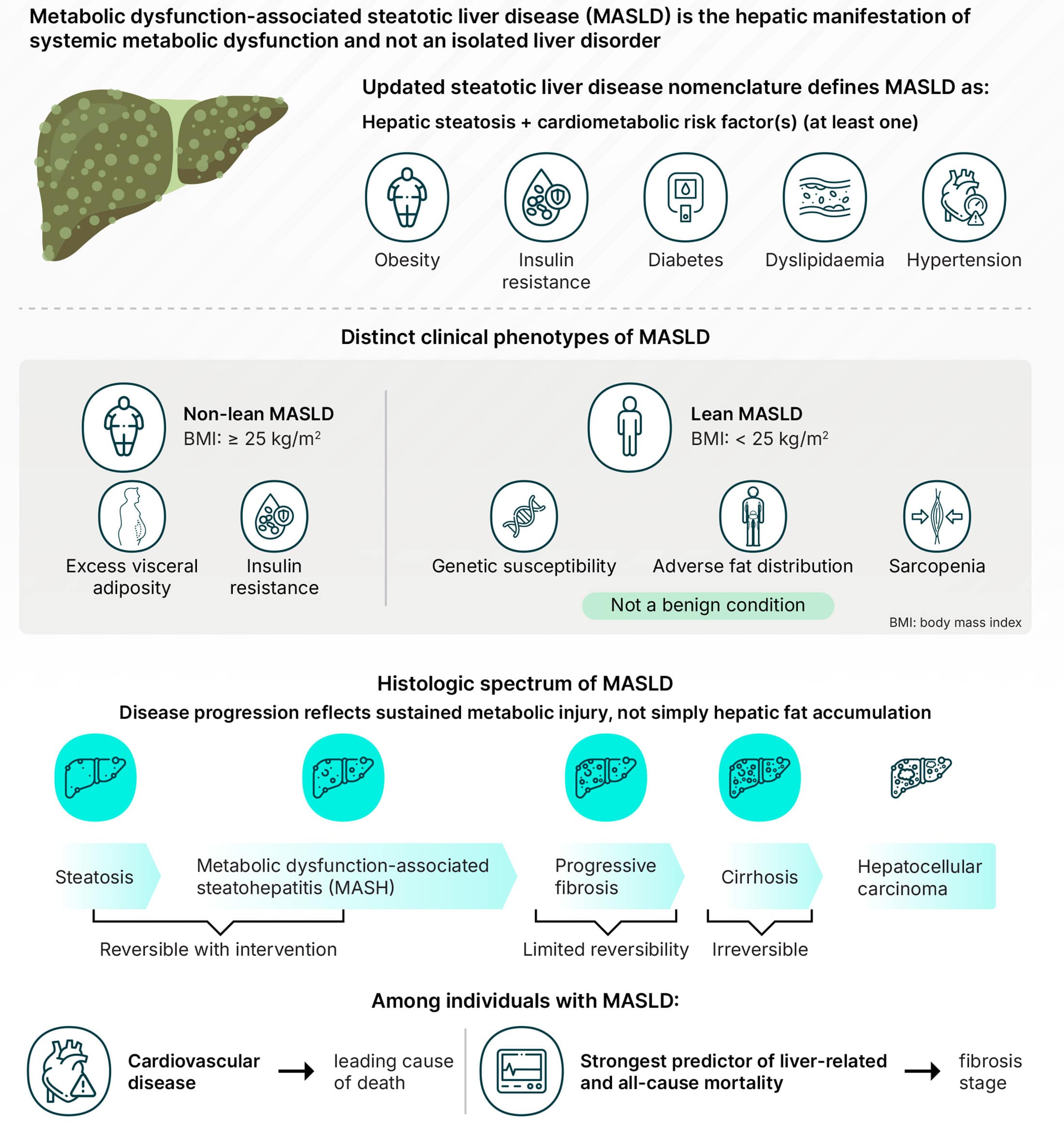
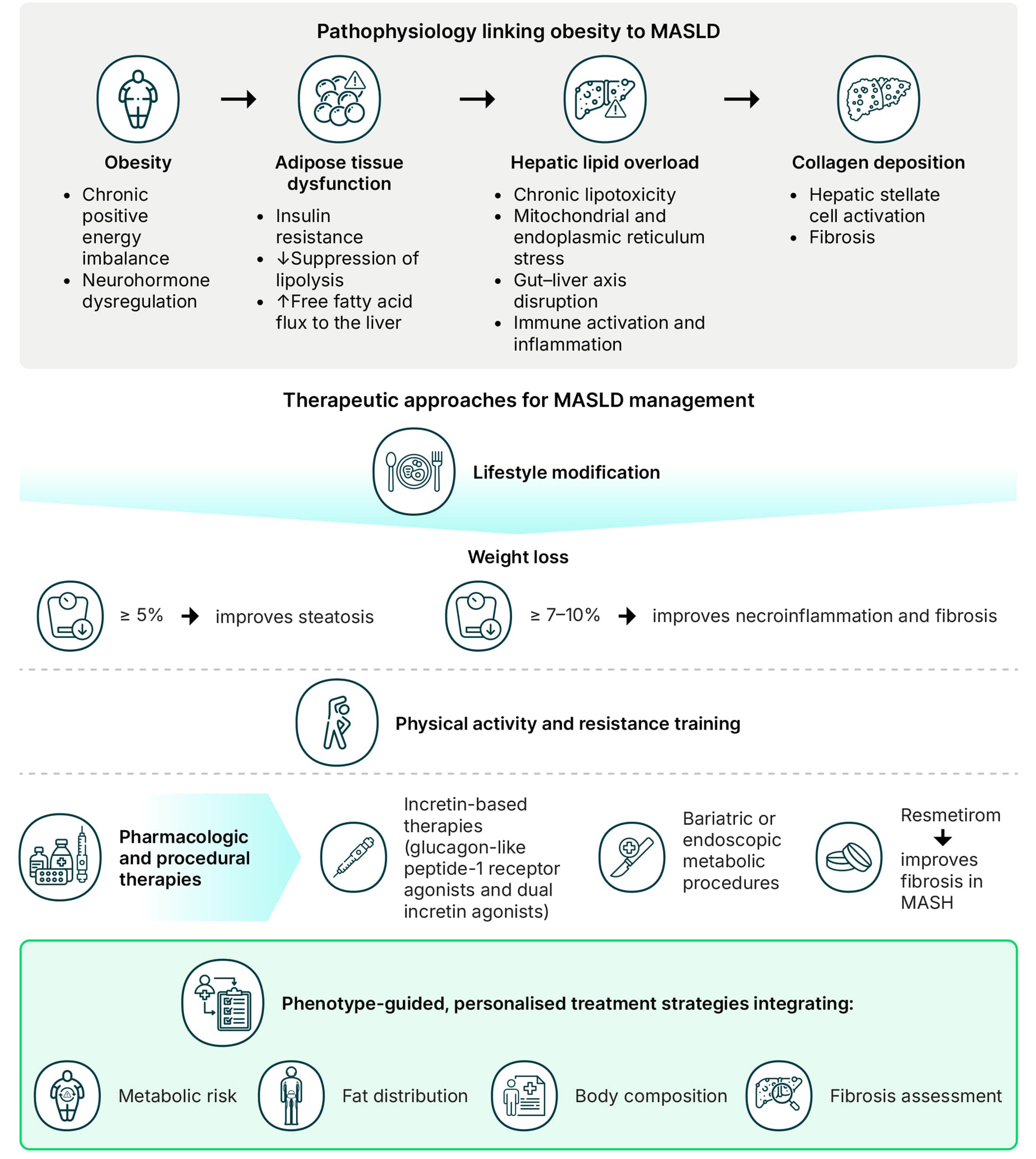
Key message
MASLD heterogeneity highlights the need for biologically informed, phenotype-guided therapeutic strategies, enabling clinically meaningful outcomes across the MASLD spectrum
