Testosterone deficiency, or male hypogonadism, is a clinical syndrome that can be defined as persistently low serum testosterone levels in the setting of symptoms consistent with testosterone deficiency. Studies suggest that testosterone replacement therapy may improve sexual function, depressive symptoms, bone density, and lean body mass. Evidence is conflicting regarding its effect on cardiovascular events and mortality. Although prior studies suggested that testosterone replacement therapy increased the risk of cardiovascular disease, a large, randomized trial showed that it does not increase the risk of myocardial infarction or stroke, even in patients at high risk. After a detailed discussion of the potential benefits and risks through shared decision-making, testosterone replacement therapy should be considered for men with testosterone deficiency to correct selected symptoms and induce and maintain secondary sex characteristics. Treatment method should take into consideration patient preference, pharmacokinetics, potential for medication interactions, formulation-specific adverse effects, treatment burden, and cost. Clinicians should monitor men receiving testosterone replacement therapy for symptom improvement, potential adverse effects, and adherence. Serum testosterone, hematocrit, and prostate-specific antigen levels should be measured at baseline and at least annually in men 40 years or older receiving testosterone replacement therapy. (Am Fam Physician. 2024;109(6):543-549. Copyright © 2024 American Academy of Family Physicians.)
Testosterone deficiency (TD), or male hypogonadism, is a clinical syndrome that can be defined as persistently low serum testosterone levels in the setting of symptoms consistent with TD.1 Biochemical male hypogonadism specifically refers to low serum testosterone levels with or without symptoms. The global prevalence of TD ranges from 10% to 40%, with an increased rate in patients 45 to 50 years and older.2 The prevalence of biochemical male hypogonadism increases with age, ranging from 12% among men 50 to 59 years of age to 49% among those 80 years and older.3 This article focuses on the diagnosis and management of primary hypogonadism in cisgender men and other patients with male gonads. Secondary hypogonadism is typically associated with hypothalamic or pituitary disease and is outside the scope of this review. The use of testosterone as gender-affirming masculinizing hormone therapy was discussed in a previous American Family Physician article.4
WHAT'S NEW ON THIS TOPIC
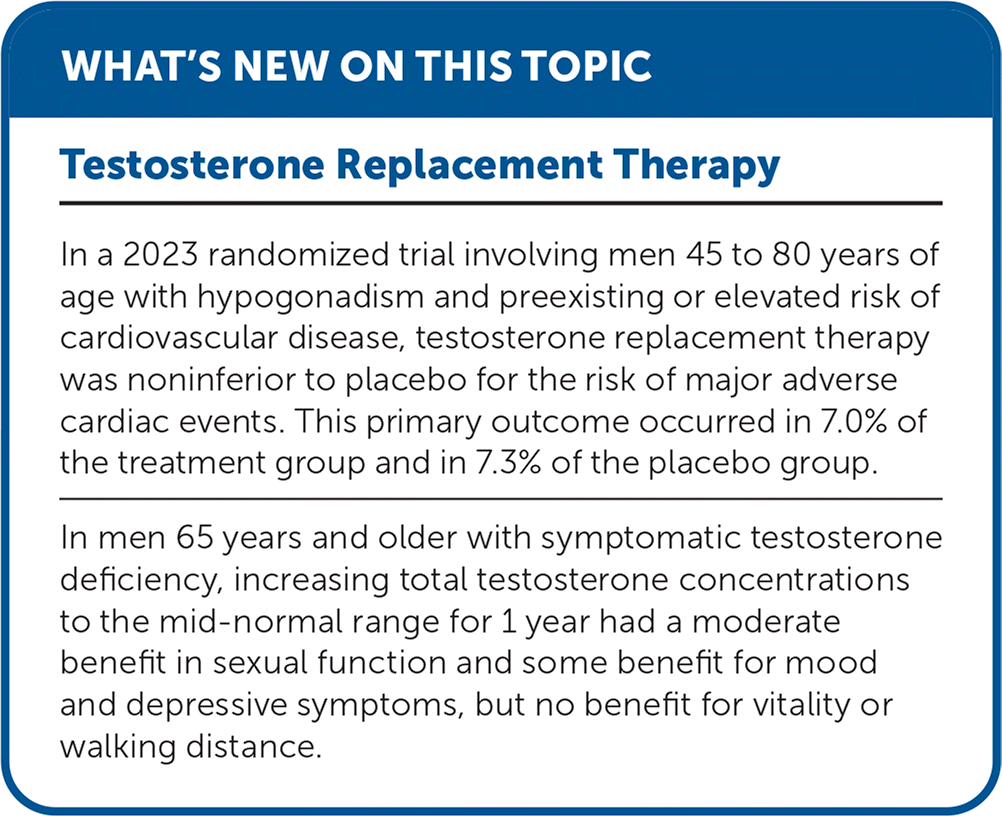
| In a 2023 randomized trial involving men 45 to 80 years of age with hypogonadism and preexisting or elevated risk of cardiovascular disease, testosterone replacement therapy was noninferior to placebo for the risk of major adverse cardiac events. This primary outcome occurred in 7.0% of the treatment group and in 7.3% of the placebo group. |
| In men 65 years and older with symptomatic testosterone deficiency, increasing total testosterone concentrations to the mid-normal range for 1 year had a moderate benefit in sexual function and some benefit for mood and depressive symptoms, but no benefit for vitality or walking distance. |
SORT: KEY RECOMMENDATIONS FOR PRACTICE
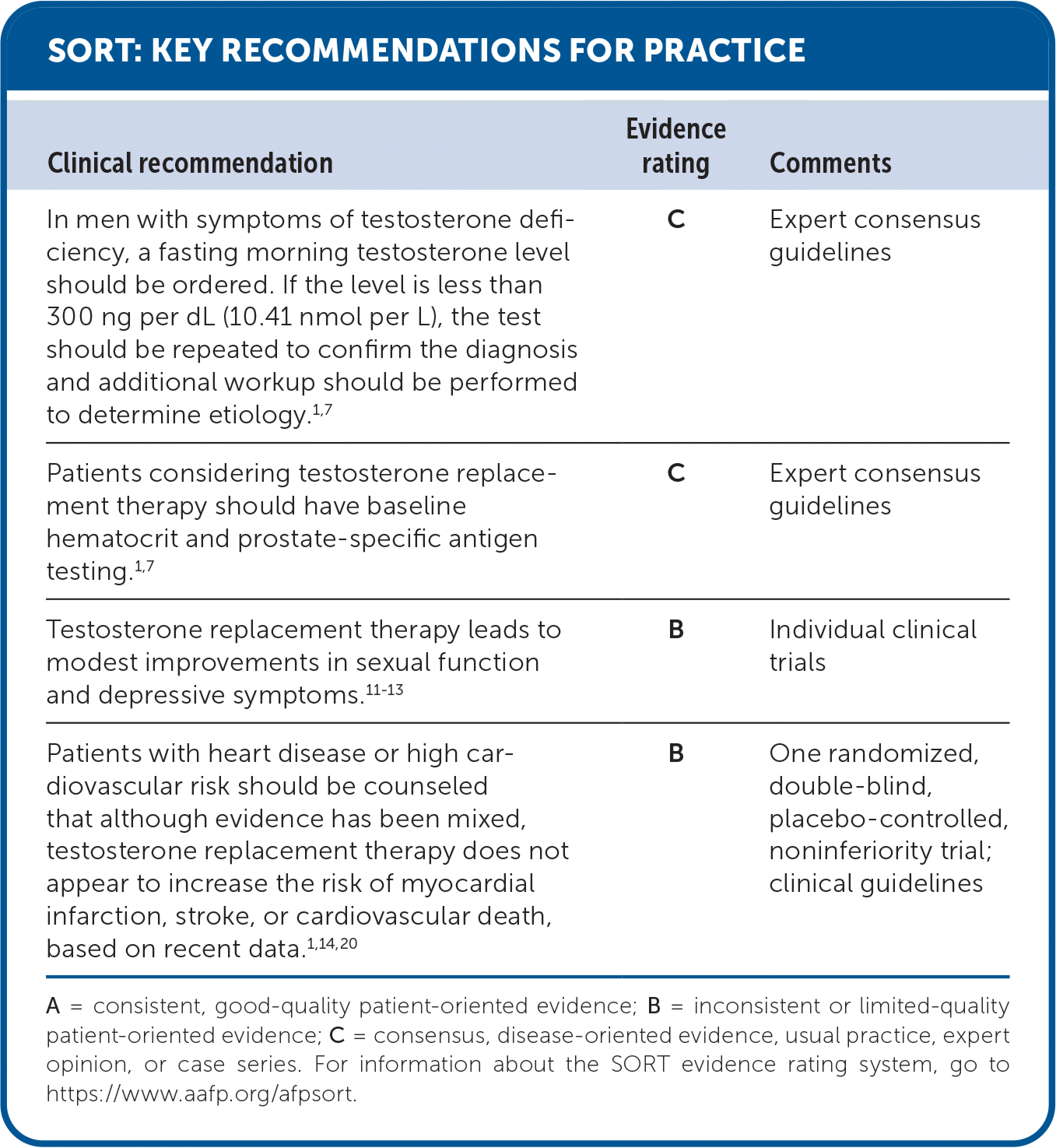
A = consistent, good-quality patient-oriented evidence; B = inconsistent or limited-quality patient-oriented evidence; C = consensus, disease-oriented evidence, usual practice, expert opinion, or case series. For information about the SORT evidence rating system, go to https://www.aafp.org/afpsort.
Read the full article
Get immediate access, anytime, anywhere.
Choose a single article, issue, or full-access subscription.
Earn up to 14 CME credits per issue.