

Obstructive Sleep Apnea in Adults: Common Questions and Answers

Breanna Gawrys, DO
Taran W. Silva, DO
Joel Herness, MD

American Family Physician. 2024;110(1):27-36.

Author disclosure: No relevant financial relationships.

This clinical content conforms to AAFP criteria for CME.

Patient information: A handout on sleep apnea testing for patients with cardiovascular disease is available.

Obstructive sleep apnea (OSA) is a common disorder that affects quality of life and is associated with comorbidities such as hypertension, atrial fibrillation, heart failure, coronary heart disease, type 2 diabetes mellitus, and stroke. OSA is characterized by a reduction or cessation of breathing during sleep, resulting in intermittent hypoxemia, autonomic fluctuation, and sleep fragmentation. The U.S. Preventive Services Task Force states that there is insufficient evidence to recommend routine screening for OSA in the absence of symptoms. OSA should be considered in patients with excessive daytime fatigue, unrestful sleep, persistent snoring, and nocturnal awakenings with gasping or choking. The STOP-BANG questionnaire is the most sensitive screening tool for OSA, and the diagnostic standard is polysomnography with an observed apnea-hypopnea index greater than 5 in the presence of symptoms or greater than 15 without symptoms. Home sleep apnea testing is a useful diagnostic option in patients who have symptoms consistent with moderate to severe OSA without significant cardiopulmonary comorbidities. Positive airway pressure, with a humidified nasal or facial mask, is the first-line treatment for adults with OSA. Weight loss is a beneficial adjunct to treatment through intensive lifestyle modification, medications, or bariatric surgery. Alternatives for patients intolerant of or nonadherent to positive airway pressure include changing the type of mask used, mandibular advancement devices, hypoglossal nerve stimulation, and other surgical interventions. Although many OSA therapies effectively improve daytime sleepiness and blood pressure, none have demonstrated a mortality benefit in randomized controlled trials.

Obstructive sleep apnea (OSA) is a common disorder that causes functional impairment and decreased quality of life. As many as 17% of women and 34% of men in the United States have OSA, with rates increasing.1,2 OSA is characterized by a reduction or cessation of breathing during sleep that results in intermittent hypoxemia, autonomic fluctuation, and sleep fragmentation despite persistent respiratory effort, distinguishing OSA from central sleep apnea.1 OSA is clinically defined by the International Classification of Sleep Disorders, 3rd ed. (Table 1).3 Severity is determined by the apnea-hypopnea index (mild = 5 to 14 events per hour; moderate = 15 to 29 events per hour; severe = 30 or more events per hour).1,3,4 This article focuses on adults; a recent American Family Physician article details the evaluation and management of OSA in children.5

WHAT'S NEW ON THIS TOPIC
Obstructive Sleep Apnea
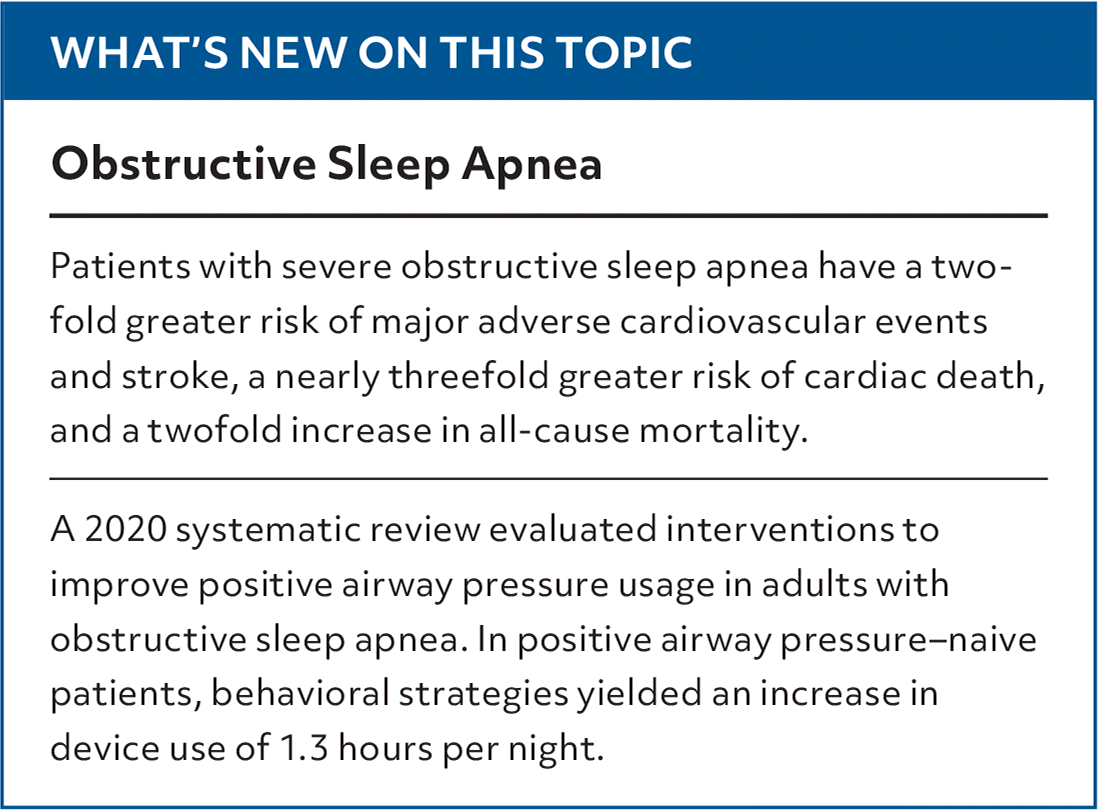
Patients with severe obstructive sleep apnea have a two-fold greater risk of major adverse cardiovascular events and stroke, a nearly threefold greater risk of cardiac death, and a twofold increase in all-cause mortality.
A 2020 systematic review evaluated interventions to improve positive airway pressure usage in adults with obstructive sleep apnea. In positive airway pressure–naive patients, behavioral strategies yielded an increase in device use of 1.3 hours per night.

SORT: KEY RECOMMENDATIONS FOR PRACTICE
Clinical recommendation Evidence rating Comment
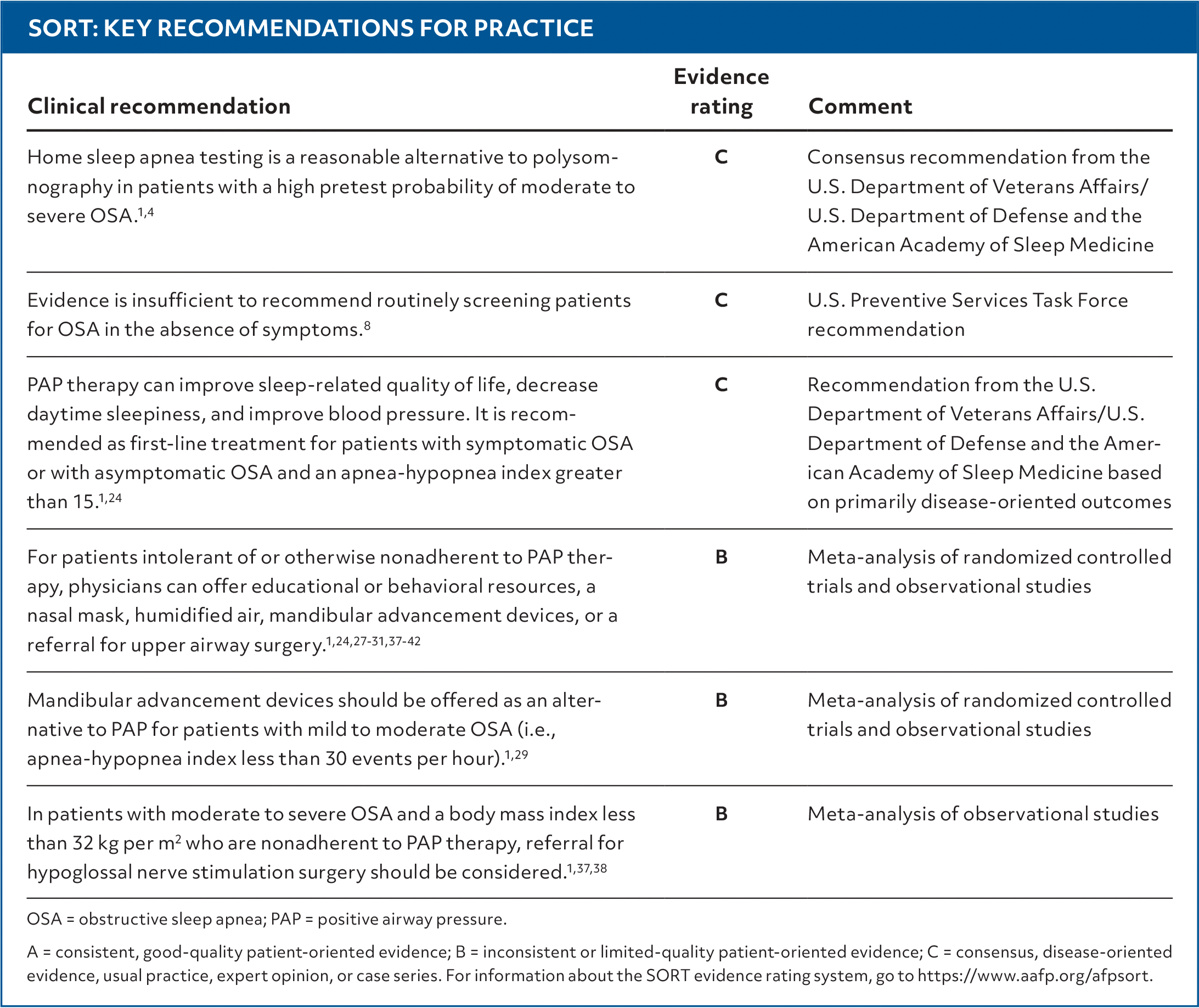
Home sleep apnea testing is a reasonable alternative to polysomnography in patients with a high pretest probability of moderate to severe OSA.1,4 C Consensus recommendation from the U.S. Department of Veterans Affairs/U.S. Department of Defense and the American Academy of Sleep Medicine
Evidence is insufficient to recommend routinely screening patients for OSA in the absence of symptoms.8 C U.S. Preventive Services Task Force recommendation
PAP therapy can improve sleep-related quality of life, decrease daytime sleepiness, and improve blood pressure. It is recommended as first-line treatment for patients with symptomatic OSA or with asymptomatic OSA and an apnea-hypopnea index greater than 15.1,24 C Recommendation from the U.S. Department of Veterans Affairs/U.S. Department of Defense and the American Academy of Sleep Medicine based on primarily disease-oriented outcomes
For patients intolerant of or otherwise nonadherent to PAP therapy, physicians can offer educational or behavioral resources, a nasal mask, humidified air, mandibular advancement devices, or a referral for upper airway surgery.1,24,2731,3742 B Meta-analysis of randomized controlled trials and observational studies
Mandibular advancement devices should be offered as an alternative to PAP for patients with mild to moderate OSA (i.e., apnea-hypopnea index less than 30 events per hour).1,29 B Meta-analysis of randomized controlled trials and observational studies
In patients with moderate to severe OSA and a body mass index less than 32 kg per m2 who are nonadherent to PAP therapy, referral for hypoglossal nerve stimulation surgery should be considered.1,37,38 B Meta-analysis of observational studies

OSA = obstructive sleep apnea; PAP = positive airway pressure.

A = consistent, good-quality patient-oriented evidence; B = inconsistent or limited-quality patient-oriented evidence; C = consensus, disease-oriented evidence, usual practice, expert opinion, or case series. For information about the SORT evidence rating system, go to https://www.aafp.org/afpsort.

TABLE 1. American Academy of Sleep Medicine International Classification of Sleep Disorders, 3rd Ed., Text Revision, for Obstructive Sleep Apnea

A. The presence of at least one of the following:
Symptoms of sleepiness, fatigue, insomnia, or other symptoms leading to impaired sleep-related quality of life
Wakes short of breath, gasping, or choking
Bed partner/observer reports habitual snoring or breathing interruptions during the patient's sleep
B. Polysomnography or home sleep apnea testing demonstrates:
5 or more predominantly obstructive respiratory events per hour of sleep/monitoring during polysomnography (obstructive and mixed apneas, hypopneas, or respiratory effort–related arousals)
C. Polysomnography or home sleep apnea testing demonstrates:
15 or more predominantly obstructive respiratory events per hour

Note: Diagnostic of obstructive sleep apnea if criteria A and B are met or criterion C is met alone. The symptoms must not be better explained by another current sleep disorder, medical disorder, medication, or substance use.

Information from reference 3.

HEALTH DISPARITIES

Several studies have highlighted disparities in diagnosing OSA. When adjusting for confounding factors, underdiagnosis has been reported in Black and Hispanic patients, people who are uninsured, and women. Black patients are twice as likely as White patients to experience severe disease.2,6 OSA is underdiagnosed in pregnant women and is associated with maternal morbidity (e.g., preeclampsia, eclampsia, cardiomyopathy) and mortality.7 The American College of Obstetricians and Gynecologists recommends that pregnant patients with suspected OSA be referred to a sleep medicine specialist for evaluation and treatment.7

WHAT ARE THE MORBIDITY AND MORTALITY RISKS ASSOCIATED WITH OSA?

OSA is an independent risk factor for the development of hypertension, atrial fibrillation, heart failure, coronary heart disease, type 2 diabetes mellitus, and stroke. Increased OSA severity is associated with higher morbidity and mortality risks from comorbid conditions.1,810

Evidence Summary

OSA is associated with several comorbid conditions, particularly cardiovascular and metabolic disease, and independently increases the risk of coronary and cerebrovascular events such as myocardial infarction and stroke (Table 2).2,913 OSA that is increasing in severity is associated with worse control of comorbid conditions such as chronic obstructive pulmonary disease, heart failure, and atrial fibrillation.2,13 Patients with severe OSA have a two-fold greater risk of major adverse cardiovascular events and stroke, a nearly threefold greater risk of cardiac death, and a nearly twofold increase in all-cause mortality.2,8,14

TABLE 2. Prevalence of Obstructive Sleep Apnea With Comorbid Conditions

ConditionPrevalence
Obesity-hypoventilation syndrome90%
Atrial fibrillation76% to 85%
Heart failure75%
Resistant hypertension73% to 82%
Referred to bariatric surgery71% to 77%
Stroke71%
Pulmonary hypertension70% to 80%
Type 2 diabetes mellitus65% to 85%
Idiopathic pulmonary fibrosis59% to 88%
Hypothyroidism50%
Posttraumatic stress disorder50%
Insomnia39% to 58%
Hypertension30% to 50%
Opioid therapy for chronic spinal pain14%
Major depressive disorder7% to 44%
Chronic obstructive pulmonary disease5% to 85%*

*—Wide prevalence range attributed to differences in methodology and diagnostic and demographic criteria used.

Information from references 2 and 913.

WHAT SYMPTOMS ARE MOST PREDICTIVE OF OSA?

Excessive daytime fatigue and waking up feeling unrested are the most common presenting symptoms of OSA. Patients with these symptoms should be considered for a diagnostic evaluation.1,4,15

Evidence Summary

Table 3 provides common signs and symptoms of OSA and their associated sensitivity and specificity.1,2,4,12,15 Although snoring is highly sensitive for OSA, it is relatively nonspecific. Observed cessation of breathing during sleep is the most specific symptom, followed by nocturnal gasping or choking with awakenings.1,4,12,15 There are no specific physical examination findings that directly correlate to OSA; however, it is two times as common in people who are overweight and four times as common in people who are obese.1,12 Table 4 lists risk factors for the development of OSA.1,8,1012

Several conditions may confound the diagnosis of OSA. Obesity-hypoventilation syndrome has the highest prevalence of coexisting OSA, with 90% of patients having OSA and 70% with severe OSA. Conversely, only 10% to 20% of patients with OSA have obesity-hypoventilation syndrome. Patients with obesity-hypoventilation syndrome have a higher risk of heart failure, pulmonary hypertension, hospitalization, and all-cause mortality than those with OSA.16 Several case reports have described OSA masquerading as narcolepsy or depression, and OSA should be considered when evaluating patients for these conditions.17,18

TABLE 3. Signs and Symptoms Associated With Obstructive Sleep Apnea

SymptomPrevalenceApnea-hypopnea index sensitivityApnea-hypopnea index specificity
Excessive daytime sleepiness, fatigue, unrefreshing sleep73% to 90%≥ 5: 38% to 53%
≥ 15: 41% to 60%
≥ 5: 59% to 78%
≥ 15: 52% to 71%
Snoring50% to 60%≥ 5: 79% to 97%
≥ 15: 77% to 96%
≥ 5: 27% to 46%
≥ 15: 9.7% to 35%
Headaches on awakening > 50% of days12% to 18%≥ 5: 12% to 34%
≥ 15: 12% to 32%
≥ 5: 91% to 95%
≥ 15: 82% to 88%
Nocturnal choking or gasping10% to 15%≥ 15: 34% to 70%≥ 15: 77% to 92%
Reported apnea10% to 15%≥ 15: 73% to 87%≥ 15: 33% to 51%
Nocturnal gastroesophageal reflux50% to 75%
Nocturia ≥ 2 times per night30%
Impaired cognition26%
Mood changes20% to 40%

Information from references 1, 2, 4, 12, and 15.

TABLE 4. Risk Factors for the Development of Obstructive Sleep Apnea and Associated Comorbid Diagnoses

Risk factorOdds ratio
Age 40 to 70 years1.4 to 3.2
Atrial fibrillation* 4.0
Craniofacial abnormalities* Unknown
Diabetes mellitus* 1.2 to 2.6
Enlarged upper airway soft tissues* Unknown
Heart failure* 2.4
History of stroke* 1.6 to 4.3
Hypertension* 1.4 to 4.9
Male sex1.7 to 3.0
Obesity4.0 to 10.5
Postmenopausal2.8 to 4.3

Note: Odds ratio represents the odds of having a condition plus obstructive sleep apnea vs. having the condition alone.

*—Conditions associated with obstructive sleep apnea. Meta-analyses have not identified a causal link.

Information from references 1, 8, and 1012.

The STOP-BANG questionnaire is the most sensitive and widely used screening tool for OSA1,19,20 (Figure 120). Although sleep laboratory–based polysomnography is considered the diagnostic standard, home sleep apnea testing is recommended by the American Academy of Sleep Medicine for patients with symptoms consistent with moderate to severe OSA without significant cardiopulmonary disease.1,4,21,22

FIGURE 1. STOP-Bang Questionnaire

STOP-BANG questionnaire to assess the risk of obstructive sleep apnea.

Adapted with permission from Chung F, Yegneswaran B, Liao P, et al. STOP questionnaire: a tool to screen patients for obstructive sleep apnea. Anesthesiology. 2008;108(5):821.

Evidence Summary

Options for OSA screening include the STOP-BANG and Berlin questionnaires, with sensitivities of 90% and 77%, respectively.1,19,20 Although the Epworth Sleepiness Scale can help characterize the degree of daytime sleepiness, its low sensitivity (47%) limits its use.19

The American Heart Association suggests assessing for OSA in people with poorly controlled hypertension, heart failure, pulmonary hypertension, nocturnal angina, and recurrent atrial fibrillation.1,2 An expert consensus statement recommends that pregnant patients who have a body mass index (BMI) greater than 30 kg per m2 or a history of hypertension or diabetes be screened for OSA, ideally in the first trimester.23 For all patients, in the absence of symptoms, the U.S. Preventive Services Task Force states that there is insufficient evidence to recommend routine screening for OSA.8

Polysomnography is most often conducted in a sleep laboratory, which can be costly (up to $1,300) and involve significant wait times for patients.22 Home-based testing costs less ($230), is more convenient for patients, and may reduce patient anxiety compared with polysomnography, and has an 80% sensitivity.12,16,21,22 Figure 2 outlines a diagnostic approach to OSA.4

FIGURE 2.

Simplified algorithm for diagnostic testing of obstructive sleep apnea.

Adapted with permission from Kapur VK, Auckley DH, Chowdhuri S, et al. Clinical practice guideline for diagnostic testing for adult obstructive sleep apnea: an American Academy of Sleep Medicine clinical practice guideline. J Clin Sleep Med. 2017;13(3):487.

WHAT ARE THE BENEFITS OF POSITIVE AIRWAY PRESSURE TREATMENT IN PATIENTS WITH OSA AND WHEN SHOULD IT BE INITIATED?

Positive airway pressure (PAP) therapy improves OSA severity, blood pressure, daytime sleepiness, and sleep-related quality of life; however, it does not reduce cardiovascular events or all-cause mortality.24,25 All patients with symptomatic OSA and all asymptomatic patients with an apnea-hypopnea index greater than 15 events per hour should be offered treatment with PAP.1,24

Evidence Summary

A meta-analysis found that PAP treatment of OSA improves disease severity (i.e., a reduction of an apnea-hypopnea index by 23 events per hour), daytime sleepiness (i.e., a reduction in Epworth Sleepiness Scale by 2.4 points), and blood pressure (i.e., a reduction of 24-hour values by 1.5 mm Hg).24 Randomized controlled trials found no change in cardiovascular events with PAP therapy.25 Although observational data have suggested that PAP therapy may be associated with a reduction in all-cause mortality, randomized controlled trials have not confirmed this benefit. Concerns of abbreviated PAP usage in the study population (i.e., an average of 3.3 hours per night) in one of the largest trials could explain the nonsignificant findings.2426

The American Academy of Sleep Medicine and U.S. Department of Veterans Affairs/U.S. Department of Defense recommend that all patients with symptoms of OSA, and those without symptoms but with an apnea-hypopnea index greater than 15 events per hour, should be offered initial treatment with PAP. This recommendation is based on data showing increased morbidity risks and improved outcomes with treatment in these patient populations. 1,24

WHAT ARE EVIDENCE-BASED TECHNIQUES FOR IMPROVING PAP ADHERENCE IN PATIENTS?

Education, support, and behavioral interventions can improve PAP usage, especially those requiring active patient participation.1,27 Heated air humidification and the use of nasal masks are associated with higher PAP adherence.28 Bilevel and auto-titrating PAP have limited outcome benefits compared with fixed-pressure continuous PAP.1,24

Evidence Summary

Patients who use PAP longer on average each night have better outcomes.1,24 A recent large systematic review evaluated interventions to improve PAP usage in adults with OSA and found that behavioral strategies yielded an increase in device usage of 1.3 hours per night in PAP-naive patients.27

Randomized controlled trial data investigating the differences between PAP interfaces are limited; however, patients prefer nasal masks, and humidified air may reduce nasal symptoms. Both interventions increase PAP usage by 30 minutes per night, but neither has demonstrated improvements in daytime sleepiness, or quality of life, or a reduced apnea-hypopnea index.1,24,28 Bilevel and auto-titrating PAP do not improve OSA severity, treatment adherence, daytime sleepiness, or quality of life compared with fixed-pressure CPAP but may have separate indications.1,24 In patients intolerant of PAP, alternative treatments should be offered.1,24 Table 5 outlines treatment options for OSA.24,2943 For all patients, treatment choice should be based on clinical evaluation, comorbidities, and preference.

TABLE 5. Treatment Options for Obstructive Sleep Apnea

TherapyIndicationsRisksSummary of evidence
Fixed-pressure CPAPAll patients with symptomatic OSA or asymptomatic OSA with an apnea-hypopnea index greater than 15 events per hourModest weight gain (increase in BMI of 0.15 kg per m2), oral or nasal dryness, nonadherence rates up to 50%Apnea-hypopnea index reduction of 23 events per hour
Epworth Sleepiness Scale score reduction of 2.4 points
Modest improvement in sleep-related quality of life (Functional Outcomes of Sleep Questionnaire [5- to 20-point scale]/Sleep Apnea Quality of Life Index)
No effect on overall quality of life (36-item short-form survey [0 to 100 score for each component])
Reduction in 24-hour systolic and diastolic blood pressure (−1.5 mm Hg/−1.6 mm Hg)
No effect on neurocognitive function, mood, A1C, hospitalizations, or left ventricular ejection fraction
No randomized controlled trial data of effect on cardiovascular event rate or all-cause mortality
Adjunctive upper airway surgery for PAP toleranceModerate to severe OSA, intolerant of PAP, or with pressure-related adverse effects when using PAPEpistaxis, hematoma, infection, loss of smell, nasal congestion, saddle nose deformity, septal perforationMostly lower-quality, observational evidence
Apnea-hypopnea index reduction of 22.9 events per hour
Epworth Sleepiness Scale score reduction of 6 points
Improved CPAP adherence by 2.2 hours per night
May increase PAP use from 39% to 90%
Auto-titrating PAPNot generally recommended over fixed-pressure CPAPSimilar to fixed-pressure CPAP; increased costNo difference in disease- or patient-oriented outcomes compared with fixed-pressure CPAP
Bariatric surgeryAdults with BMI ≥ 35 kg per m2
or
BMI ≥ 30 kg per m2 with comorbidities (including OSA)
< 0.5% mortality risk, infection, anastomotic leak and ulceration, nutritional deficiencyApnea-hypopnea index reduction of 25 events per hour compared with conservative weight-loss management
Epworth Sleepiness Scale score reduction of 5.6 points
Reduction in systolic and diastolic blood pressure (9.3 mm Hg/6.9 mm Hg)
> 97% of patients still had residual OSA (apnea-hypopnea index > 5 events per hour) after bariatric surgery
Bilevel PAPNot generally recommended over CPAP; consider in cases of nonadherenceAdverse effects similar to CPAP; increased costBilevel PAP may reduce apnea-hypopnea index by 2.2 events per hour over CPAP
Improved adherence by 0.8 hours per night in those nonadherent to CPAP therapy (no difference when used as first-line treatment)
No difference in patient-oriented outcomes between CPAP and bilevel PAP
Hypoglossal nerve stimulationModerate to severe OSA, nonadherent to PAP, BMI ≤ 32 kg per m2 Low risk of serious adverse events (< 2%); tongue or lip weakness, pneumothorax, infection, scarringNo comparison to CPAP (studies in patients intolerant of or nonadherent to PAP therapy)
Apnea-hypopnea index reduction of 24.9 events per hour
Epworth Sleepiness Scale score reduction of 5 points
Lifestyle interventionsRecommended for all patients as an adjunct to OSA treatmentNoneApnea-hypopnea index reduction of 6 events per hour
Epworth Sleepiness Scale score reduction of 1 point (for interventions resulting in an average reduction in BMI of 2.3 kg per m2)
Mandibular advancement devices (i.e., oral appliances)Mild to moderate OSA, nonadherent to or intolerant of CPAPDental discomfort, temporomandibular joint pain, dry mouth, gum irritation, bruxism; low risk of discontinuation (50% lower discontinuation rate than CPAP)Apnea-hypopnea index reduction of 13.6 events per hour (CPAP has 6.2 events per hour more than mandibular advancement devices)
Epworth Sleepiness Scale score reduction of 3.8 points (similar to CPAP)
Mandibular advancement device adherence better than CPAP by 0.7 hour per night
Customized, titratable mandibular advancement devices better than off-the-shelf devices
Maxillomandibular advancement surgeryModerate to severe OSA, nonadherent to PAPFacial paresthesias, malocclusion, trismus, unfavorable cosmesis, hardware extrusion, infection, malunionMostly lower-quality, observational evidence
Apnea-hypopnea index reduction of 44.9 to 47.8 events per hour
Epworth Sleepiness Scale score reduction of 5.6 to 10.3 points
May improve sleep-related quality of life by 3.5 points (Functional Outcomes of Sleep Questionnaire [5- to 20-point scale])
Reduction in systolic and diastolic blood pressure (6.3 mm Hg/2.7 mm Hg)
Myofunctional therapy (oral or tongue exercises)Only recommended as salvage or adjunctive therapyNone reportedLow-quality evidence
Apnea-hypopnea index reduction of 6 to 13.2 events per hour
Epworth Sleepiness Scale score reduction of 3 to 4.5 points
Pharmacologic agents (i.e., solriamfetol [Sunosi], modafinil)Refractory daytime sleepiness despite appropriate OSA treatmentHeadache, insomnia, anxiety
Discontinuation risk: 1.5% to 6.3%
No evidence of serious adverse events
Inadequate evidence to support medications as primary OSA treatment
Solriamfetol: Epworth Sleepiness Scale score reduction of 3.9 points
Modafinil: Epworth Sleepiness Scale score reduction of 2.3 points
Positional therapy (i.e., lumbar/abdominal binders, semirigid backpacks, full-length pillows, tennis ball attached to patient's back, or alarms indicating change in position)Only recommended as salvage or adjunctive therapyNone reportedLow-quality evidence
Apnea-hypopnea index reduction of 7.4 events per hour
Uvulopalatopharyngoplasty surgeryModerate to severe OSA, nonadherent to PAPThroat pain, dysphagia, dysphonia, dysgeusia, tongue paresthesia, bleeding, airway compromise, or respiratory crisisMostly lower-quality, observational evidence
Less effective than maxillomandibular advancement surgery
Apnea-hypopnea index reduction of 12 to 15 events per hour
May improve sleep-related quality of life by 3.5 points
Reduction in systolic and diastolic blood pressure (6.3 mm Hg/2.7 mm Hg)
Effectiveness may wane over time

BMI = body mass index; CPAP = continuous positive airway pressure; OSA = obstructive sleep apnea; PAP = positive airway pressure.

Information from references 24 and 2943.

WHAT ADDITIONAL THERAPIES ARE EFFECTIVE IN TREATING OSA?

Customized, titratable mandibular advancement devices are an alternative treatment option for patients with mild to moderate OSA who are nonadherent to PAP therapy.1,29 Lifestyle interventions have a modest impact on OSA outcomes and should be recommended for all patients.1,30,31 Wakefulness-promoting agents may be used to treat refractory sleepiness in patients with OSA adequately managed with PAP.31,32

Evidence Summary

Mandibular advancement devices (i.e., oral appliances) effectively treat OSA and reduce daytime sleepiness. Although less effective than PAP, they are associated with improved patient satisfaction and adherence rates.1,29,33 Weight loss through lifestyle interventions can result in modest improvements in the apnea-hypopnea index and Epworth Sleepiness Scale score.1,30,31 Positional and myofunctional therapy modestly improve OSA severity and daytime sleepiness, but the evidence is limited and of low quality.11,34,35 The available evidence on medications for the primary treatment of OSA is limited, low quality, and does not support their use.36 Wakefulness-promoting agents, such as solriamfetol (Sunosi) and modafinil, are effective in reducing daytime sleepiness in patients with refractory symptoms despite adequate PAP therapy, with their use limited by availability, adverse effects, and clinician experience.32

WHEN SHOULD PHYSICIANS REFER PATIENTS FOR SURGICAL TREATMENT OF OSA?

Most patients with OSA should have an initial trial of PAP therapy before considering surgical options. Referral may be considered in patients intolerant of PAP or as an adjunct when PAP is inadequate.1,24,37 Hypoglossal nerve stimulation surgery is reasonable in patients with moderate to severe OSA and a BMI of 32 kg per m2 or less.1,37 Physicians should consider referring patients for upper airway surgery if pressure-related adverse effects interfere with PAP use. In patients with obesity and OSA who qualify, bariatric surgery can improve OSA-related outcomes.37,44

Evidence Summary

The American Academy of Sleep Medicine recommends an initial trial of PAP therapy for all adults with OSA before consideration of surgical options, even in patients with noticeable anatomic abnormalities.37 Surgical intervention for sleep apnea should be considered in three clinical scenarios: salvage therapy for those who are intolerant of PAP, adjunct therapy to improve PAP effectiveness or adherence, and weight loss surgery.37

The most prominently studied surgical procedures are hypoglossal nerve stimulation, maxillomandibular advancement, and uvulopalatopharyngoplasty. Observational data have demonstrated that these procedures can reduce the apnea-hypopnea index, improve the Epworth Sleepiness Scale score, and modestly improve sleep-related quality of life.3741 Overall, hypoglossal nerve stimulation is the safest and best-studied intervention, but studies have included only patients with moderate to severe OSA who were nonadherent to PAP therapy and had a BMI of 32 kg per m2 or less.38 Maxillomandibular advancement appears to be more effective than uvulopalatopharyngoplasty and has longer-lasting benefits.37,41

In patients with congestion or pressure-related adverse effects of PAP therapy, nasal, tonsillar, or palatal surgeries may increase PAP adherence by 50%, improve usage by 2 additional hours per night, and moderately improve sleep-related quality of life, apnea-hypopnea index, and Epworth Sleepiness Scale scores.37,42

Bariatric surgery has been associated with a reduction in OSA severity, daytime sleepiness, and blood pressure; however, it should be considered as an adjunct because OSA remission from weight loss surgery alone is rare.37,43,44

This article updates previous articles on this topic by Semelka, et al.11; Victor45; and Victor.46

Data Sources: A PubMed search was completed in Clinical Queries using the key terms obstructive sleep apnea with incidence, prevalence, prevention, comorbidities, diagnostic mimics, morbidity, mortality, practice guidelines, therapy, diagnosis, and treatment. The search included meta-analyses, randomized controlled trials, clinical trials, clinical practice guidelines, and reviews. The Agency for Healthcare Research and Quality Effective Healthcare Reports, the Cochrane database, DynaMed, and Essential Evidence Plus were also searched. Search dates: May 4 to July 4, 2023, and May 2, 2024.

The opinions and assertions contained herein are the private views of the authors and are not to be construed as official or as reflecting the views of the U.S. Air Force, the Uniformed Services University of the Health Sciences, the U.S. Department of Defense, or the U.S. government.

BREANNA GAWRYS, DO, FAAFP, DipABLM, is associate program director of the David Grant USAF Medical Center Family Medicine Residency Program, Travis Air Force Base, Calif.; an associate professor in the Department of Family Medicine at the Uniformed Services University of the Health Sciences, Bethesda, Md.; and an associate professor of family medicine at the University of California Davis School of Medicine.

TARAN W. SILVA, DO, is faculty at the David Grant USAF Medical Center Family Medicine Residency Program, and an assistant professor in the Department of Family Medicine at the Uniformed Services University of the Health Sciences.

JOEL HERNESS, MD, FAAFP, is faculty at the David Grant USAF Medical Center Family Medicine Residency Program, and an assistant professor in the Department of Family Medicine at the Uniformed Services University of the Health Sciences.

Address correspondence to Breanna Gawrys, DO, at Breanna.L.gawrys.mil@health.mil.

Author disclosure: No relevant financial relationships.

  1. 1.Mysliwiec V, Martin JL, Ulmer CS, et al. The management of chronic insomnia disorder and obstructive sleep apnea: synopsis of the 2019 U.S. Department of Veterans Affairs and U.S. Department of Defense clinical practice guidelines [published correction appears in Ann Intern Med. 2021;174(4):584]. Ann Intern Med. 2020;172(5):325-336.
  2. 2.Yeghiazarians Y, Jneid H, Tietjens JR, et al. Obstructive sleep apnea and cardiovascular disease: a scientific statement from the American Heart Association [published correction appears in Circulation. 2022;145(2):e775]. Circulation. 2021;144(3):e56-e67.
  3. 3.International Classification of Sleep Disorders. 3rd ed., text revision. American Academy of Sleep Medicine; 2023.
  4. 4.Kapur VK, Auckley DH, Chowdhuri S, et al. Clinical practice guideline for diagnostic testing for adult obstructive sleep apnea: an American Academy of Sleep Medicine clinical practice guideline. J Clin Sleep Med. 2017;13(3):479-504.
  5. 5.Deshpande P, Salcedo B, Haq C. Common sleep disorders in children. Am Fam Physician. 2022;105(2):168-176.
  6. 6.Kaufmann CN, Spira AP, Wickwire EM, et al. Disparities in the diagnosis and treatment of obstructive sleep apnea among middle-aged and older adults in the United States. Ann Am Thorac Soc. 2023;20(6):921-926.
  7. 7.Obesity in pregnancy: ACOG Practice Bulletin, Number 230. Obstet Gynecol. 2021;137(6):e128-e144.
  8. 8.Feltner C, Wallace IF, Aymes S, et al. Screening for obstructive sleep apnea in adults: updated evidence report and systematic review for the US Preventive Services Task Force. JAMA. 2022;328(19):1951-1971.
  9. 9.André S, Andreozzi F, Van Overstraeten C, et al. Cardiometabolic comorbidities in obstructive sleep apnea patients are related to disease severity, nocturnal hypoxemia, and decreased sleep quality. Respir Res. 2020;21(1):35.
  10. 10.Gleeson M, McNicholas WT. Bidirectional relationships of comorbidity with obstructive sleep apnoea. Eur Respir Rev. 2022;31(164):210256.
  11. 11.Semelka M, Wilson J, Floyd R. Diagnosis and treatment of obstructive sleep apnea in adults. Am Fam Physician. 2016;94(5):355-360.
  12. 12.Gottlieb DJ, Punjabi NM. Diagnosis and management of obstructive sleep apnea: a review. JAMA. 2020;323(14):1389-1400.
  13. 13.Conwell WD, Tsai SC. Managing comorbid illness in obstructive sleep apnea: what can we learn from other diseases?. Sleep Med Clin. 2016;11(3):313-321.
  14. 14.Xie C, Zhu R, Tian Y, et al. Association of obstructive sleep apnoea with the risk of vascular outcomes and all-cause mortality: a meta-analysis. BMJ Open. 2017;7(12):e013983.
  15. 15.Myers KA, Mrkobrada M, Simel DL. Does this patient have obstructive sleep apnea?: The rational clinical examination systematic review. JAMA. 2013;310(7):731-741.
  16. 16.Mokhlesi B, Masa JF, Brozek JL, et al. Evaluation and management of obesity hypoventilation syndrome. An official American Thoracic Society clinical practice guideline [published correction appears in Am J Respir Crit Care Med. 2019;200(10):1326]. Am J Respir Crit Care Med. 2019;200(3):e6-e24.
  17. 17.Paudel D, Lin Q, Yan C, et al. A false alarm of narcolepsy: obstructive sleep apnea masquerading as narcolepsy and depression. Sleep Breath. 2019;23(3):873-877.
  18. 18.Romigi A, Caccamo M, Vitrani G, et al. A false alarm of narcolepsy: obstructive sleep apnea masquerading as narcolepsy and vice-versa: two further controversial cases. Sleep Breath. 2021;25(1):367-370.
  19. 19.National Institute for Health and Care Excellence. Obstructive sleep apnoea/hypopnoea syndrome and obesity hypoventilation syndrome in over 16s. NICE guideline [NG202]. August 20, 2021. Accessed June 18, 2023. https://www.nice.org.uk/guidance/ng202
  20. 20.Chung F, Yegneswaran B, Liao P, et al. STOP questionnaire: a tool to screen patients for obstructive sleep apnea. Anesthesiology. 2008;108(5):812-821.
  21. 21.Fietze I, Herberger S, Wewer G, et al. Initiation of therapy for obstructive sleep apnea syndrome: a randomized comparison of outcomes of telemetry-supported home-based vs. sleep lab-based therapy initiation. Sleep Breath. 2022;26(1):269-277.
  22. 22.Kapoor M, Greenough G. Home sleep tests for obstructive sleep apnea (OSA). J Am Board Fam Med. 2015;28(4):504-509.
  23. 23.Dominguez JE, Cantrell S, Habib AS, et al. Society of Anesthesia and Sleep Medicine and the Society for Obstetric Anesthesia and Perinatology consensus guideline on the screening, diagnosis, and treatment of obstructive sleep apnea in pregnancy. Obstet Gynecol. 2023;142(2):403-423.
  24. 24.Patil SP, Ayappa IA, Caples SM, et al. Treatment of adult obstructive sleep apnea with positive airway pressure: an American Academy of Sleep Medicine clinical practice guideline. J Clin Sleep Med. 2019;15(2):335-343.
  25. 25.Yu J, Zhou Z, McEvoy RD, et al. Association of positive airway pressure with cardiovascular events and death in adults with sleep apnea: a systematic review and meta-analysis. JAMA. 2017;318(2):156-166.
  26. 26.Mokhlesi B, Ayas NT. Cardiovascular events in obstructive sleep apnea - can CPAP therapy SAVE lives?. N Engl J Med. 2016;375(10):994-996.
  27. 27.Askland K, Wright L, Wozniak DR, et al. Educational, supportive and behavioural interventions to improve usage of continuous positive airway pressure machines in adults with obstructive sleep apnoea. Cochrane Database Syst Rev. 2020;(4):CD007736.
  28. 28.Kennedy B, Lasserson TJ, Wozniak DR, et al. Pressure modification or humidification for improving usage of continuous positive airway pressure machines in adults with obstructive sleep apnoea. Cochrane Database Syst Rev. 2019;(12):CD003531.
  29. 29.Ramar K, Dort LC, Katz SG, et al. Clinical practice guideline for the treatment of obstructive sleep apnea and snoring with oral appliance therapy: an update for 2015. J Clin Sleep Med. 2015;11(7):773-827.
  30. 30.Araghi MH, Chen YF, Jagielski A, et al. Effectiveness of lifestyle interventions on obstructive sleep apnea: systematic review and meta-analysis. Sleep. 2013;36(10):1553-1562.
  31. 31.Morgenthaler TI, Kapen S, Lee-Chiong T, et al.; Standards of Practice Committee; American Academy of Sleep Medicine. Practice parameters for the medical therapy of obstructive sleep apnea. Sleep. 2006;29(8):1031-1035.
  32. 32.Pitre T, Mah J, Roberts S, et al. Comparative efficacy and safety of wakefulness-promoting agents for excessive daytime sleepiness in patients with obstructive sleep apnea: a systematic review and network meta-analysis. Ann Intern Med. 2023;176(5):676-684.
  33. 33.Li P, Ning XH, Lin H, et al. Continuous positive airway pressure versus mandibular advancement device in the treatment of obstructive sleep apnea: a systematic review and meta-analysis. Sleep Med. 2020;72:5-11.
  34. 34.Rueda JR, Mugueta-Aguinaga I, Vilaró J, et al. Myofunctional therapy (oropharyngeal exercises) for obstructive sleep apnoea. Cochrane Database Syst Rev. 2020;(11):CD013449.
  35. 35.Srijithesh PR, Aghoram R, Goel A, et al. Positional therapy for obstructive sleep apnoea. Cochrane Database Syst Rev. 2019;(5):CD010990.
  36. 36.Mason M, Welsh EJ, Smith I. Drug therapy for obstructive sleep apnoea in adults. Cochrane Database Syst Rev. 2013;(5):CD003002.
  37. 37.Kent D, Stanley J, Aurora RN, et al. Referral of adults with obstructive sleep apnea for surgical consultation: an American Academy of Sleep Medicine clinical practice guideline. J Clin Sleep Med. 2021;17(12):2499-2505.
  38. 38.Ratneswaran D, Guni A, Pengo MF, et al. Electrical stimulation as a therapeutic approach in obstructive sleep apnea: a meta-analysis. Sleep Breath. 2021;25(1):207-218.
  39. 39.Zaghi S, Holty JEC, Certal V, et al. Maxillomandibular advancement for treatment of obstructive sleep apnea: a meta-analysis. JAMA Otolaryngol Head Neck Surg. 2016;142(1):58-66.
  40. 40.He M, Yin G, Zhan S, et al. Long-term efficacy of uvulopalatopharyngoplasty among adult patients with obstructive sleep apnea: a systematic review and meta-analysis. Otolaryngol Head Neck Surg. 2019;161(3):401-411.
  41. 41.Boyd SB, Walters AS, Song Y, et al. Comparative effectiveness of maxillomandibular advancement and uvulopalatopharyngoplasty for the treatment of moderate to severe obstructive sleep apnea. J Oral Maxillofac Surg. 2013;71(4):743-751.
  42. 42.Camacho M, Riaz M, Capasso R, et al. The effect of nasal surgery on continuous positive airway pressure device use and therapeutic treatment pressures: a systematic review and meta-analysis. Sleep. 2015;38(2):279-286.
  43. 43.Wong AM, Barnes HN, Joosten SA, et al. The effect of surgical weight loss on obstructive sleep apnoea: a systematic review and meta-analysis. Sleep Med Rev. 2018;42:85-99.
  44. 44.Schroeder R, Garrison JM, Johnson MS. Treatment of adult obesity with bariatric surgery. Am Fam Physician. 2011;84(7):805-814.
  45. 45.Victor LD. Treatment of obstructive sleep apnea in primary care. Am Fam Physician. 2004;69(3):561-568.
  46. 46.Victor LD. Obstructive sleep apnea. Am Fam Physician. 1999;60(8):2279-2286.

Copyright © 2026 by the American Academy of Family Physicians.

This content is owned by the AAFP. A person viewing it online may make one printout of the material and may use that printout only for his or her personal, non-commercial reference. This material may not otherwise be downloaded, copied, printed, stored, transmitted or reproduced in any medium, whether now known or later invented, except as authorized in writing by the AAFP. See permissions for copyright questions and/or permission requests.
