

Obesity in the United States is increasing, with the most recent national data indicating a prevalence of 41.9%. Obesity is generally considered a body mass index (BMI) of 30 kg per m2 or greater; however, increased waist circumference (female: 35 inches or greater; male: 40 inches or greater) may be a more accurate indicator of obesity, particularly in older adults. For patients who are overweight or obese, the history should include whether patients are taking medications that can increase weight and identifying comorbid conditions contributing to or resulting from obesity. Clinicians should also ask about previous weight-management strategies and whether they were effective. Initial laboratory testing includes a complete blood count, metabolic profile, lipids, thyroid-stimulating hormone and A1C levels, and additional testing as needed. The Obesity Medicine Association recommends that weight management incorporate five pillars: behavioral counseling, nutrition, physical activity, pharmacotherapy, and, when appropriate, bariatric procedures. Pharmacotherapy with anti-obesity medications such as glucagon-like peptide-1 receptor agonists, sympathomimetics, and others should be considered for any patient with a BMI of 30 kg per m2 or greater and for any patients who are overweight (i.e., BMI of 27 kg per m2 or greater) with metabolic comorbidities. Referral for bariatric surgery should be considered for patients who meet the criteria. Successful management requires individualized support systems with periodic follow-ups through each phase of treatment.
Obesity is a chronic, multifactorial condition that has genetic/epigenetic, metabolic, hormonal, cultural, socioeconomic, and neurobehavioral causes. In the United States, the prevalence of obesity has increased markedly since the early 2000s. In the 2021 National Health and Nutrition Examination Survey, the data indicated an obesity prevalence of 41.9%.1
WHAT’S NEW ON THIS TOPIC
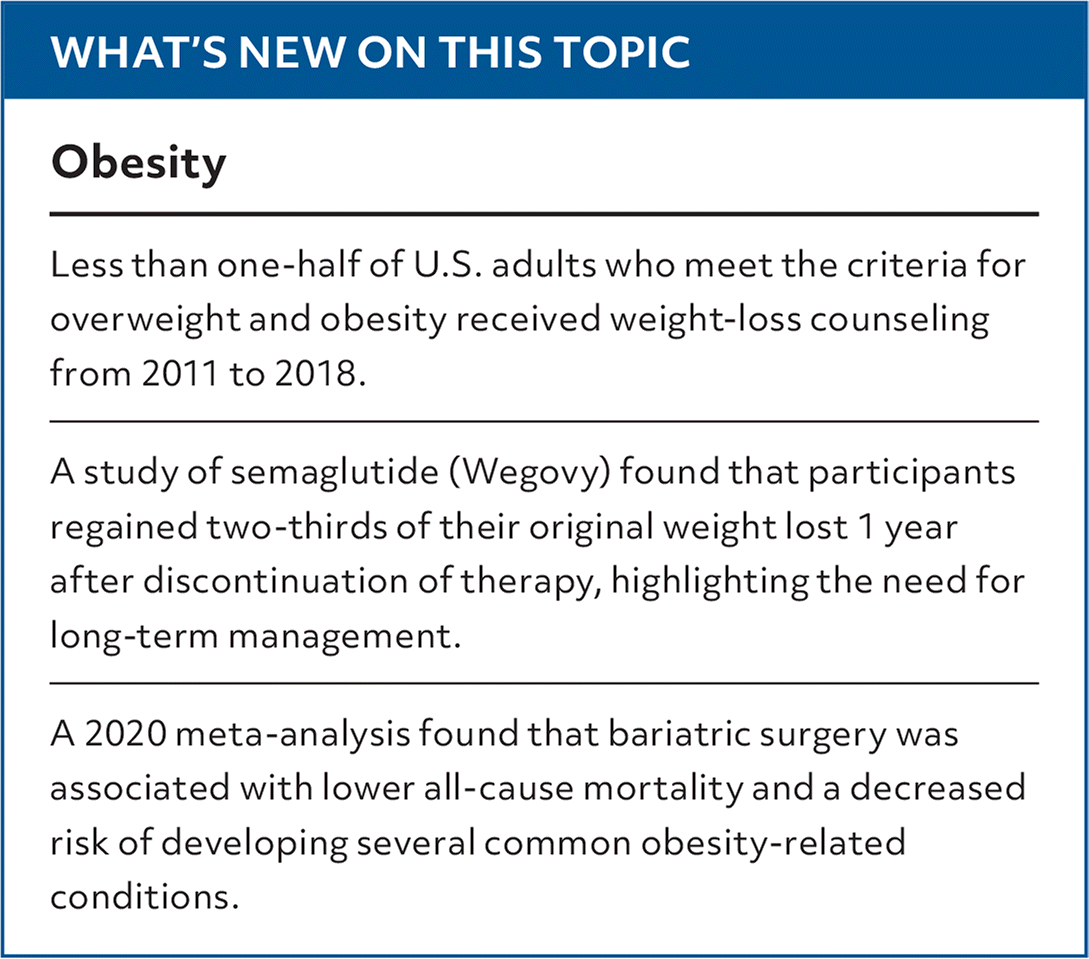
| Less than one-half of U.S. adults who meet the criteria for overweight and obesity received weight-loss counseling from 2011 to 2018. |
| A study of semaglutide (Wegovy) found that participants regained two-thirds of their original weight lost 1 year after discontinuation of therapy, highlighting the need for long-term management. |
| A 2020 meta-analysis found that bariatric surgery was associated with lower all-cause mortality and a decreased risk of developing several common obesity-related conditions. |
SORT: KEY RECOMMENDATIONS FOR PRACTICE
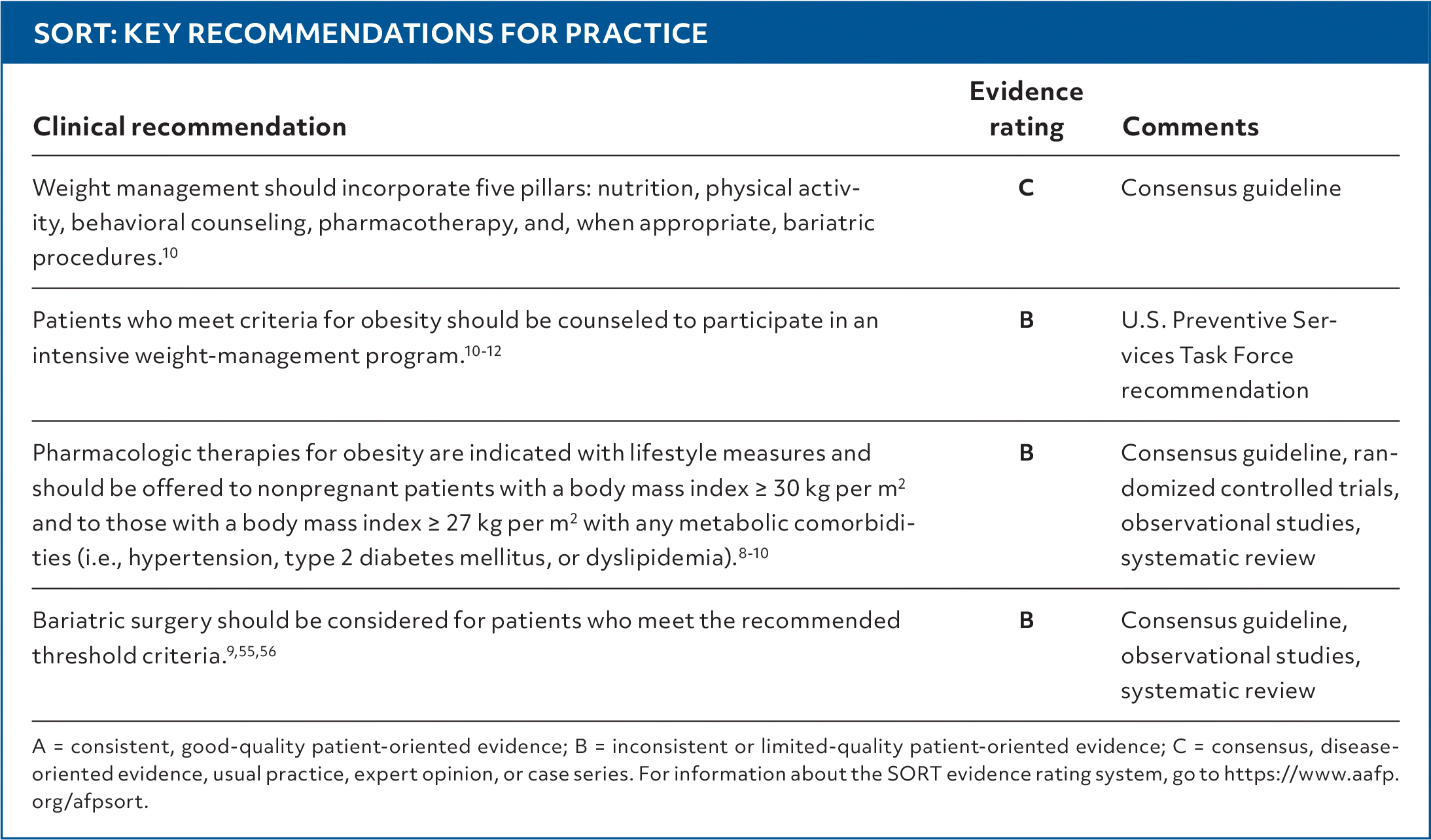
| Clinical recommendation | Evidence rating | Comments |
|---|---|---|
| Weight management should incorporate five pillars: nutrition, physical activity, behavioral counseling, pharmacotherapy, and, when appropriate, bariatric procedures.10 | C | Consensus guideline |
| Patients who meet criteria for obesity should be counseled to participate in an intensive weight-management program.10–12 | B | U.S. Preventive Services Task Force recommendation |
| Pharmacologic therapies for obesity are indicated with lifestyle measures and should be offered to nonpregnant patients with a body mass index ≥ 30 kg per m2 and to those with a body mass index ≥ 27 kg per m2 with any metabolic comorbidities (i.e., hypertension, type 2 diabetes mellitus, or dyslipidemia).8–10 | B | Consensus guideline, randomized controlled trials, observational studies, systematic review |
| Bariatric surgery should be considered for patients who meet the recommended threshold criteria.9,55,56 | B | Consensus guideline, observational studies, systematic review |
A = consistent, good-quality patient-oriented evidence; B = inconsistent or limited-quality patient-oriented evidence; C = consensus, disease-oriented evidence, usual practice, expert opinion, or case series. For information about the SORT evidence rating system, go to https://www.aafp.org/afpsort.
Read the full article
Get immediate access, anytime, anywhere.
Choose a single article, issue, or full-access subscription.
Earn up to 14 CME credits per issue.
