

Buprenorphine is a highly effective treatment for opioid use disorder, with a treatment retention rate of more than 50% at 1 year and substantially less risk of respiratory depression compared with methadone. Based on its effectiveness and safety profile, buprenorphine was recently made available to all physicians with Schedule III authority. Physicians should screen adult patients with a validated tool and offer buprenorphine to those with moderate or severe opioid use disorder. Doses should be titrated quickly to fully suppress cravings and withdrawal symptoms, typically 16 to 32 mg/day. Once patients are stabilized, they should have follow-up appointments every 1 to 3 months. Counseling or behavior therapy is not necessary for success and should be offered based on each patient’s needs and preferences. Regular urine drug testing helps identify patients who may benefit from more intense treatment or other options; any unexpected test results should not be a primary reason for treatment termination. Buprenorphine is maintenance treatment for a chronic disease and should be continued for as long as it is beneficial. Relapse rates after discontinuation are lower in patients who complete 1 year of treatment, and they continue to decline with longer treatment duration.
Physicians with Schedule III authority can prescribe buprenorphine for opioid use disorder (OUD) as of 2023.1 Patients with moderate or severe OUD should be offered buprenorphine, which is highly effective and safer than methadone.2–8
SORT: KEY RECOMMENDATIONS FOR PRACTICE
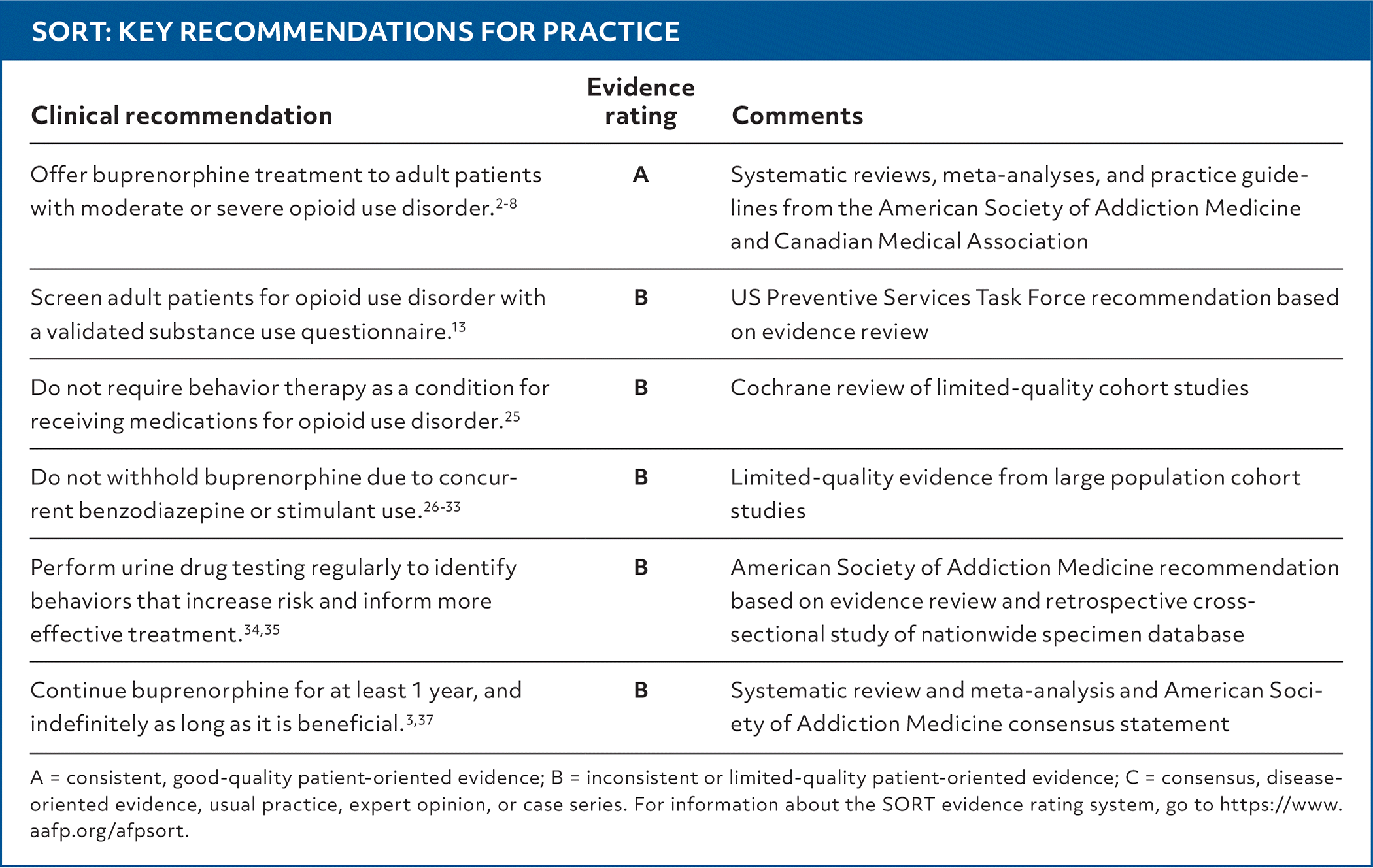
| Clinical recommendation | Evidence rating | Comments |
|---|---|---|
| Offer buprenorphine treatment to adult patients with moderate or severe opioid use disorder.2–8 | A | Systematic reviews, meta-analyses, and practice guidelines from the American Society of Addiction Medicine and Canadian Medical Association |
| Screen adult patients for opioid use disorder with a validated substance use questionnaire.13 | B | US Preventive Services Task Force recommendation based on evidence review |
| Do not require behavior therapy as a condition for receiving medications for opioid use disorder.25 | B | Cochrane review of limited-quality cohort studies |
| Do not withhold buprenorphine due to concurrent benzodiazepine or stimulant use.26–33 | B | Limited-quality evidence from large population cohort studies |
| Perform urine drug testing regularly to identify behaviors that increase risk and inform more effective treatment.34,35 | B | American Society of Addiction Medicine recommendation based on evidence review and retrospective cross-sectional study of nationwide specimen database |
| Continue buprenorphine for at least 1 year, and indefinitely as long as it is beneficial.3,37 | B | Systematic review and meta-analysis and American Society of Addiction Medicine consensus statement |
A = consistent, good-quality patient-oriented evidence; B = inconsistent or limited-quality patient-oriented evidence; C = consensus, disease-oriented evidence, usual practice, expert opinion, or case series. For information about the SORT evidence rating system, go to https://www.aafp.org/afpsort.
WHAT’S NEW ON THIS TOPIC
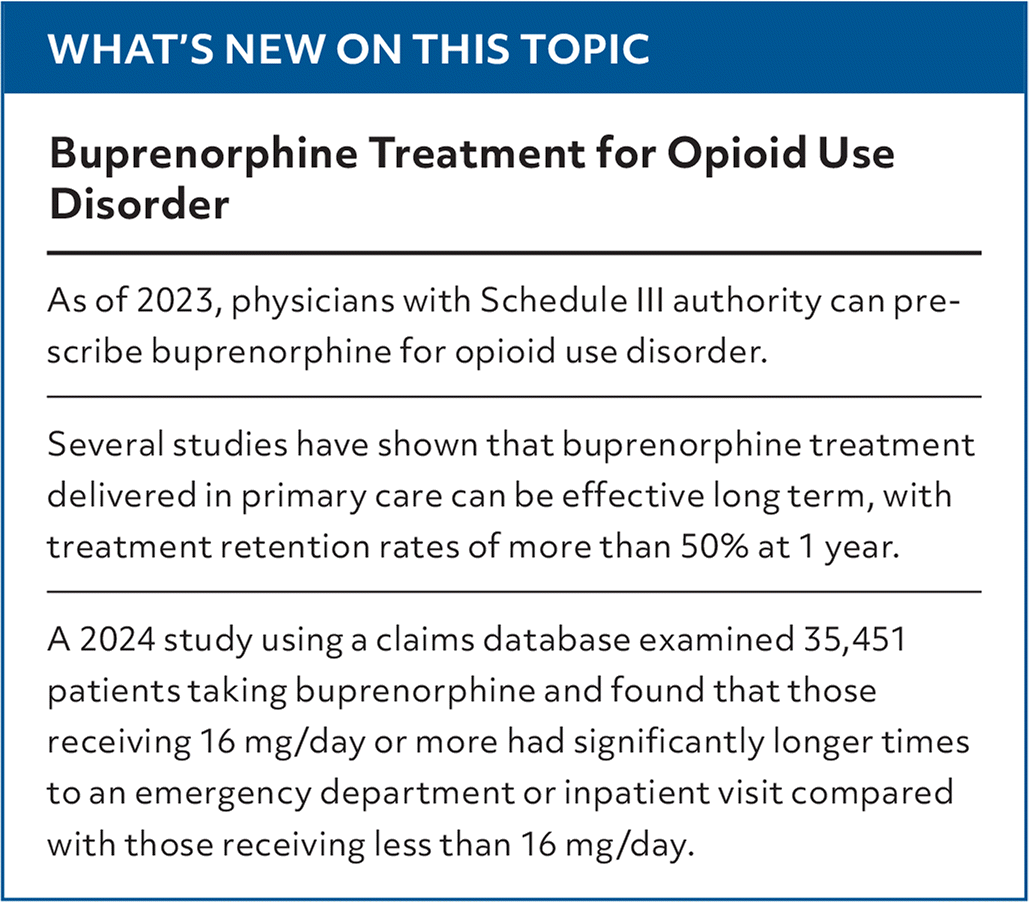
| As of 2023, physicians with Schedule III authority can prescribe buprenorphine for opioid use disorder. |
| Several studies have shown that buprenorphine treatment delivered in primary care can be effective long term, with treatment retention rates of more than 50% at 1 year. |
| A 2024 study using a claims database examined 35,451 patients taking buprenorphine and found that those receiving 16 mg/day or more had significantly longer times to an emergency department or inpatient visit compared with those receiving less than 16 mg/day. |
Read the full article
Get immediate access, anytime, anywhere.
Choose a single article, issue, or full-access subscription.
Earn up to 14 CME credits per issue.
