
USCIS physician visa delays threaten health care access
By Kate Gilliard, Senior Manager, Federal Policy and Regulatory Affairs
and Mandi Neff, Senior Strategist, Regulatory and Policy
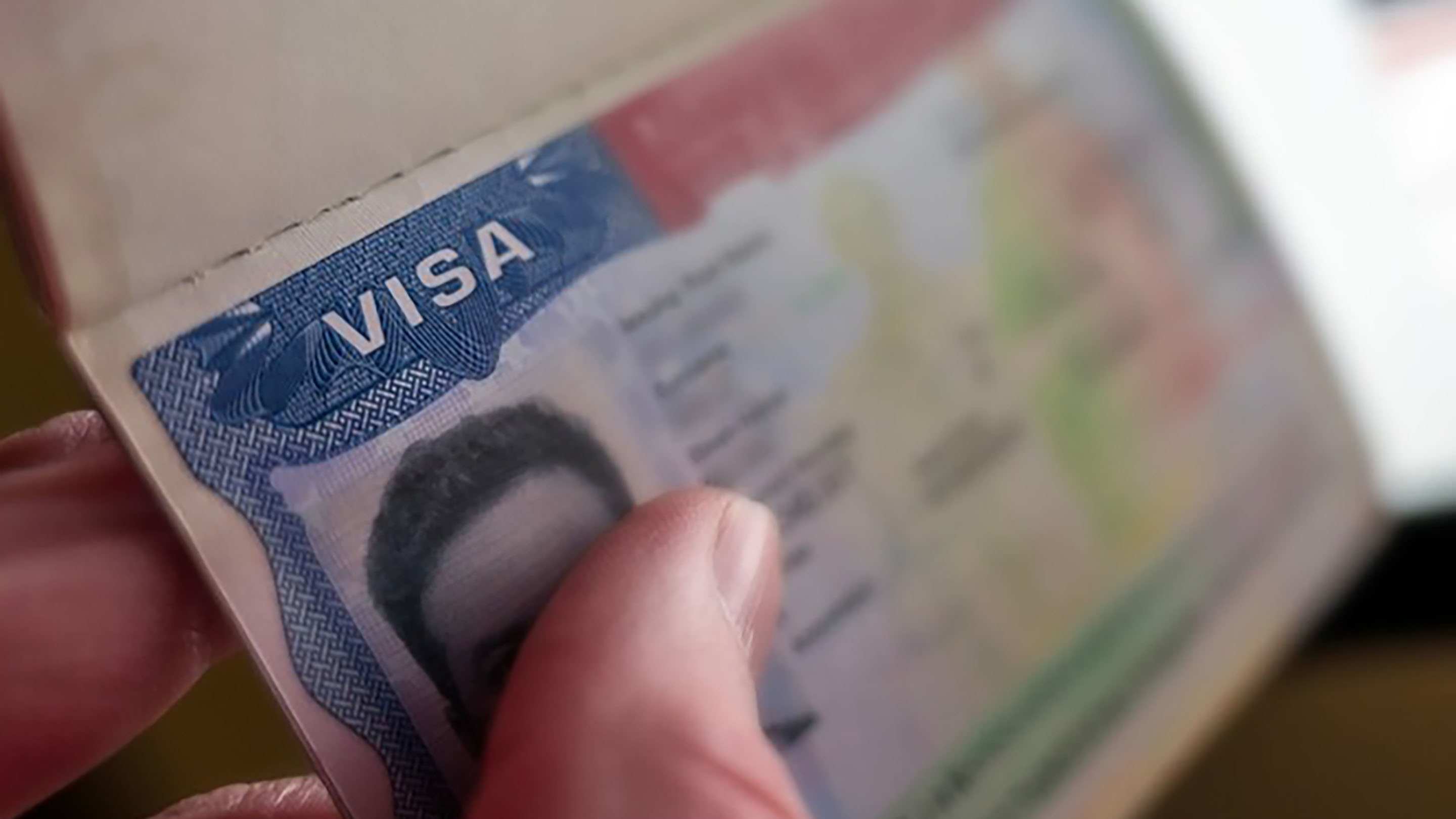
Federal immigration officials recently exempted physicians from a freeze on processing visas from more than three dozen countries. That was welcome news for the medical students, residents and physicians affected as well as their institutions, programs, employers and the countless communities that rely on physicians who are not U.S. citizens for care.
Unfortunately, the change in policy has yet to result in significant action by U.S. Citizenship and Immigration Services (USCIS).
Action needed before July 1 to avert IMG residency crisis
For some, the glacial pace of processing could soon become a crisis. Family medicine residencies begin a new academic year July 1. (And residents at many programs participate in orientation activities before that official start date.) In the last three National Resident Matching Program Main Matches, more than 2,500 foreign-born international medical graduates (IMGs) have matched in U.S. family medicine programs. That figure doesn’t include those who matched through the Supplemental Offer and Acceptance Program.
Visa delays for residents and practicing international physicians could threaten patient access to care, increase wait times and strain health systems nationwide because nearly 30% of physicians practicing in the United States were born in other countries.
The issue could hit especially hard in rural and underserved areas because foreign-born physicians disproportionately serve in communities where physician shortages are already severe. In fact, more than 20 million Americans live in areas where at least half of all physicians are international medical graduates.
The United States faces a projected shortage of nearly 86,000 physicians in the next decade, so the prospect of removing students, residents or physicians from the country or preventing their entry—rather than expediting their paperwork—is a potential disaster not only for the individuals but for patients, health systems and communities.
USCIS urged to speed visa processing and communication
In April, the AAFP authored a letter to the Departments of State and Homeland Security, co-signed by more than 20 other physician organizations, that outlined in detail how a freeze on student, resident and physician visas could limit patient access care and also posed financial harm to physicians, training programs and health care facilities.
In that letter, the AAFP and others called for an exemption from visa holds and prolonged administrative processing. Though that policy change was granted, in theory, the letter also asked immigration officials to:
- Expedite processing for physicians and medical trainees.
- Provide clear guidance to adjudicators and consular officers regarding priority processing for physicians and trainees.
- Improve transparency and communication for physicians and trainees as well as training programs and employers.
Last fall, the AAFP registered opposition to a White House proclamation that imposed a $100,000 fee for each new H-1B visa application, making it unfeasible for most programs to sponsor international residents. A bill was introduced in the House of Representatives in March calling for an exemption to that fee for physicians. The AAFP and more than 40 other stakeholder organizations recently issued a letter of support of that bill.
How members can take action
Meanwhile, the AAFP continues to monitor the implementation of updated USCIS visa policy regarding physicians and medical trainees. Members who are experiencing delayed processing can share your story to help legislators and congressional staff see how delays are impeding care for their own constituents.
A Speak Out makes it easy for all members to tell your legislators that a backlog of physician and trainee visa applications threatens patient access to care in your communities, and that this looming crisis must be resolved before the new academic year begins July 1.
Disclaimer
The opinions and views expressed here are those of the authors and do not necessarily represent or reflect the opinions and views of the American Academy of Family Physicians. This blog is not intended to provide medical, financial, or legal advice.