
Advocacy in action: Family physicians take the lead
Show notes
Shana Ntiri, MD, MPH, and Patrick Connolly, MD, talk about their advocacy journeys and their involvement in the AAFP’s Advocacy Ambassadors Program.
They discuss their experiences advocating for family medicine, the impact of their advocacy at both state and national levels and the importance of engaging new physicians in advocacy from the beginning of their careers.
The conversation also touches on the integration of AI in health care, the future of advocacy and the Academy’s role in supporting family physicians through various challenges.
Episode hosts

David Tully
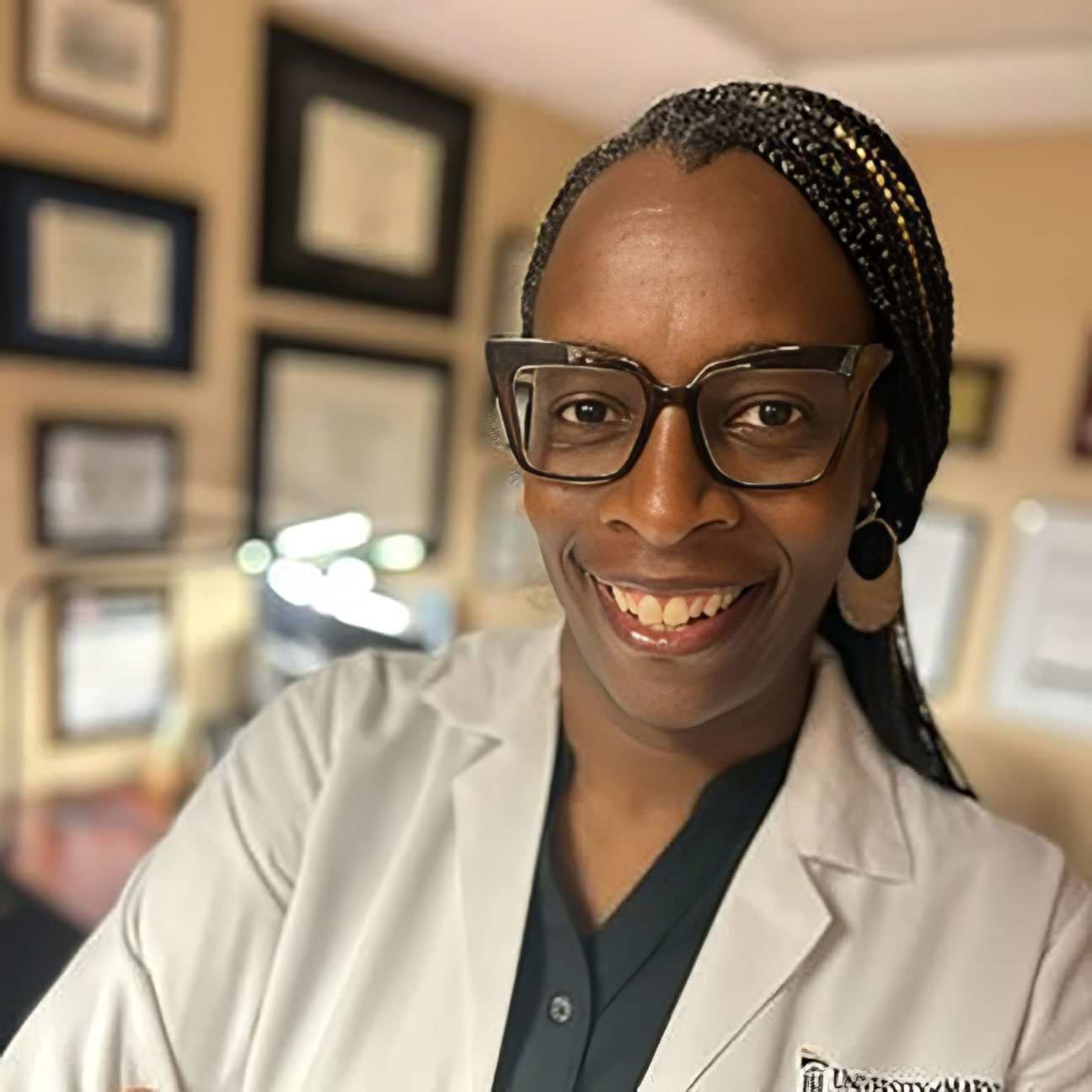
Shana Ntiri, MD, FAAFP
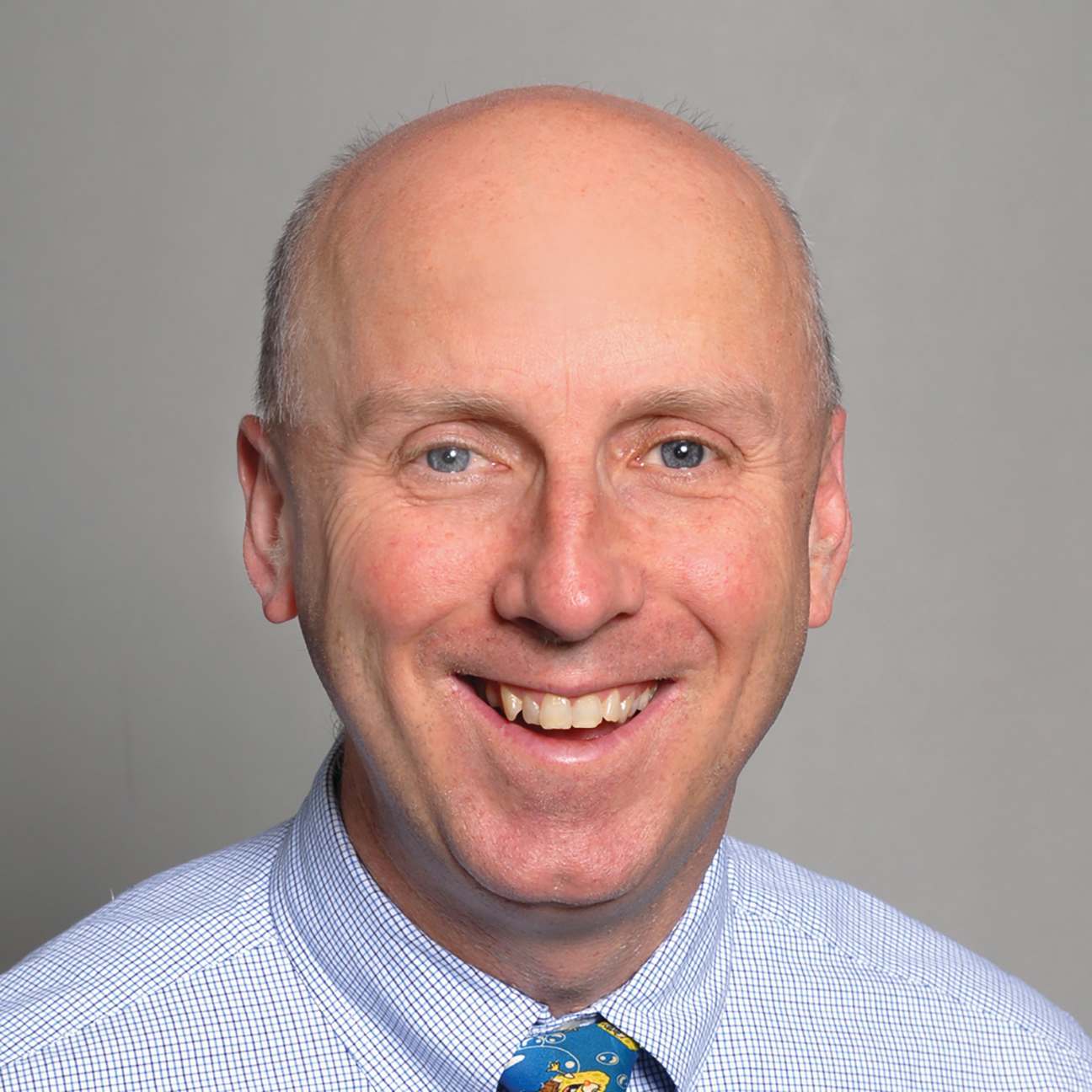
Patrick Connolly, MD
Transcript
David Tully: In this episode, you'll hear firsthand from two AAFP members about how they advocated for family medicine and about their involvement in the Academy's fast growing Advocacy Ambassadors program. Drs. Shana Ntiri and Patrick Connolly joined me to talk about the program and how it's helping them take their policymaker relationships to the next level.
Tully: Welcome to Fighting for Family Medicine. I'm David Tully, vice president of Government Relations and a member of the AAFP's advocacy team. I'm pleased to be joined here by two members and advocates, Dr. Shana Ntiri and Dr. Patrick Connelly.
Dr. Ntiri is the past president of the Maryland Academy of Family Physicians. She's the assistant director of Community Outreach and Engagement and the medical director for the Baltimore City Cancer Program at the University of Maryland's Greenbaum Comprehensive Cancer Center.
Dr. Connolly is a board member of the Maine Academy of Family Physicians and practices at Martin’s Point Health Care in Portland, Maine.
Tully: Doctors, welcome to the podcast. It's great to see you both.
So I'd like to start first with you, Dr. Connolly. I'd like to talk to you a little bit about your advocacy journey to this point. You have been a regular attendee to the Academy's annual Family Medicine Advocacy Summit (FMAS), which takes place in Washington, D.C. I know you are also very highly engaged back at home in Maine. Can you talk about what sparked your journey in advocacy?
Dr. Patrick Connolly: So, believe it or not, it first started with the equivalent of the “can you draw this picture on the back of the matchbook cover” email sent by the Academy that said, “Would you like to be a key contact to your member of Congress?”
And I looked at it and said, I could do that. Sen. Olympia Snowe from Maine lived in my town. Her much older brother Jack was a patient of mine. And I said, Hmm, that's something I could be interested in. I replied to the email and got invited down and I've been doing it ever since.
And when I got there, I realized that this is really interesting. I can actually make my case to the people in power, who really need to hear the stories we have to tell.
Tully: Yeah. That's great. That's a great perspective. Dr. Ntiri, can you talk a little bit about what led you to your advocacy journey?
Dr. Shana Ntiri: Sure. I think it was a slow journey. It's been a progressive journey. As you mentioned, I've been a part of the Maryland Academy for some time, and so that's really where I grew up in terms of advocacy. We have a wonderful governmental advocacy committee. We actually have one of our co-chairs or former co-chairs, Dr. Ariel Warden Jarrett, who really served as inspiration.
I think our proximity to D.C. does not hurt, but getting to the level that I have this year was really marked by your team. Because you're so close to us, you're able to come and visit during our advocacy days.
I got a little nudge from [AAFP Senior Manager, State Affairs & Member Advocacy] Julie Harrison to take it to the next level, and that's what got me to FMAS. And it's been a joy. I think it's a really great way to recharge.
Tully: Yeah. I want to unpack the state part a little bit more because, in your role as past president, you advocated a lot at the state level.
I had the privilege of joining you all for one of your advocacy days where we were walking the halls of the statehouse in Annapolis. And then this year, this was your first visit to FMAS in D.C. Can you talk a little bit about bridging the gap between going to Annapolis and then coming to Washington?
Ntiri: Honestly, Julie said to me, “I'll see you at FMAS,” and I was like, Oh, I'm not registered. I'm not planning on going. And she gently and kindly said, “You know, you are so close to Washington, DC. It's a missed opportunity not to go. We have docs from Hawaii, from across the country. Get in your car and join us.” And I'm so glad she said it.
Our advocacy day was February 2025, and it bridged very well. A lot of the issues that we advocate for on the state level really transfer over to the federal level. But to have the opportunity to meet our national legislators was awesome. I felt like a kid there. I'm seeing these legislators walk down the hall. And we also had a phenomenal delegation, from medical students all the way to very seasoned attending.
The opportunity to see the continuum of advocacy was really great. And the skits about the dos and don’ts of advocacy were wonderful.
Tully: That was a lot of fun. It helped members go through the motions of what a good meeting could be and what a bad meeting could be.
Ntiri: The humor lightened the load and made it feel doable.
Tully: There's been a lot happening in D.C.—executive actions, regulatory rulemaking. What are the most pressing issues you're seeing in your practice, and what are you most keyed into from an advocacy standpoint?
Connolly: Practically every week I end up on local television to respond to another assault on the healthcare of America. The changes in vaccine policies are terrible, specifically gutting ACIP and taking science out of the equation.
I've spent untold hours counseling patients, and all that progress is threatened unless we take a stand. Medicaid cuts will hurt people. People will die. We need to take a stand for our patients.
Ntiri: From my perspective, there are a couple angles. I spend part of my time on research, and leadership has been fighting hard to maintain funding. Thankfully, advocacy has reinstated important programs, including pathway programs for young students interested in medicine.
Clinically, most of my patients are funded through Medicaid and Medicare. Telehealth appointments have been canceled. I have elderly patients who can’t easily come in.
I also work with the Baltimore City Cancer Program, serving many patients born outside the U.S. We've had to reassure patients and ensure they feel safe accessing care.
Tully: There’s real gravity to these issues, and it's refreshing to see you taking advocacy back home.
This year we launched the Advocacy Ambassadors program. Dr. Ntiri, how has the program helped you?
Ntiri: It’s given me infrastructure and confidence. The Speak Out programs are fast and easy. I just got an email from a legislator—those relationships are being built. It also gave me a way to package this for residents. Scan a QR code, push a button—you don’t need to be an expert.
Connolly: It’s lowered the barrier to entry. The more you do it, the more empowered you feel to do bigger things, like media interviews or legislative outreach.
Tully: We’re joined by Rebecca King, senior strategist for state affairs and member advocacy. Rebecca, what happens after someone joins?
Rebecca King: Joining is simple—name and email. From there, ambassadors enter the 365 Advocacy Ambassador Path with four levels. We’ve gamified it, and members also get access to an exclusive resource hub with training videos, toolkits, and fact sheets.
Ambassadors have taken thousands of actions this year. The energy and ripple effect have been incredible.
Tully: What’s been your most impactful moment as a family physician?
Ntiri: Continuity. I had a patient who refused mammograms for years and finally said yes. She was diagnosed with breast cancer. That relationship saved her life.
Connolly: Practicing in one place for over 30 years, seeing generations of families—that’s been the joy. I’ve even become an obstetrical grandfather.
Tully: What advice would you give new physicians, especially about advocacy?
Ntiri: Jump in early. Advocacy wasn’t part of my training, but it matters. Small actions can have exponential impact.
Connolly: Advocacy can start small and build. Career-wise, the grass isn’t always greener—I’ve loved staying put.
Tully: How do you see AI fitting into family medicine?
Ntiri: There’s huge potential with proper guardrails. AI won’t replace us, but those who don’t learn to use it might be left behind.
Connolly: I’m cautiously optimistic. If it can cut administrivia and clean up my inbox, I’m all for it.
Tully: Final advice for physicians on the fence about advocacy?
Connolly: Just do it.
Ntiri: Just do it. You don’t need expertise or time—the platform makes it easy and empowering.
Tully: Thank you both for being here.
Resource
Disclaimer
Copyright 2026. AAFP. The views presented in this broadcast are the speakers own and do not represent those of AAFP. The information presented is for general, educational or entertainment purposes and should not be considered legal, health, financial or other advice. AAFP makes no representation as to the accuracy or completeness of the information and is not responsible for results that may arise from its use. Consult an appropriate professional concerning your specific situation and respective governing bodies for applicable laws. Reference to any specific product or entity does not constitute an endorsement or recommendation by AAFP unless specifically stated otherwise. AAFP and the AAFP logo are registered trademarks of American Academy of Family Physicians.