
Brain Health and Chronic Conditions: Lifelong Connections
Show notes
In this episode of Inside Family Medicine, we hear from Dr. Ariel Cole, a family and geriatric medicine physician and fellowship/residency leader at AdventHealth Orlando, about the family physician’s role in cognitive aging, Alzheimer’s disease and related dementias.
Dr. Cole describes her experience caring for patients across the cognitive decline spectrum and emphasizes prevention.
The conversation covers barriers like time and system awareness, strategies for sensitive discussions about shame and independence, and leveraging community resources such as Area Agencies on Aging, Meals on Wheels, caregiver supports, adult day programs, the Alzheimer’s Association, and referrals to neurology or geriatrics.
Episode hosts
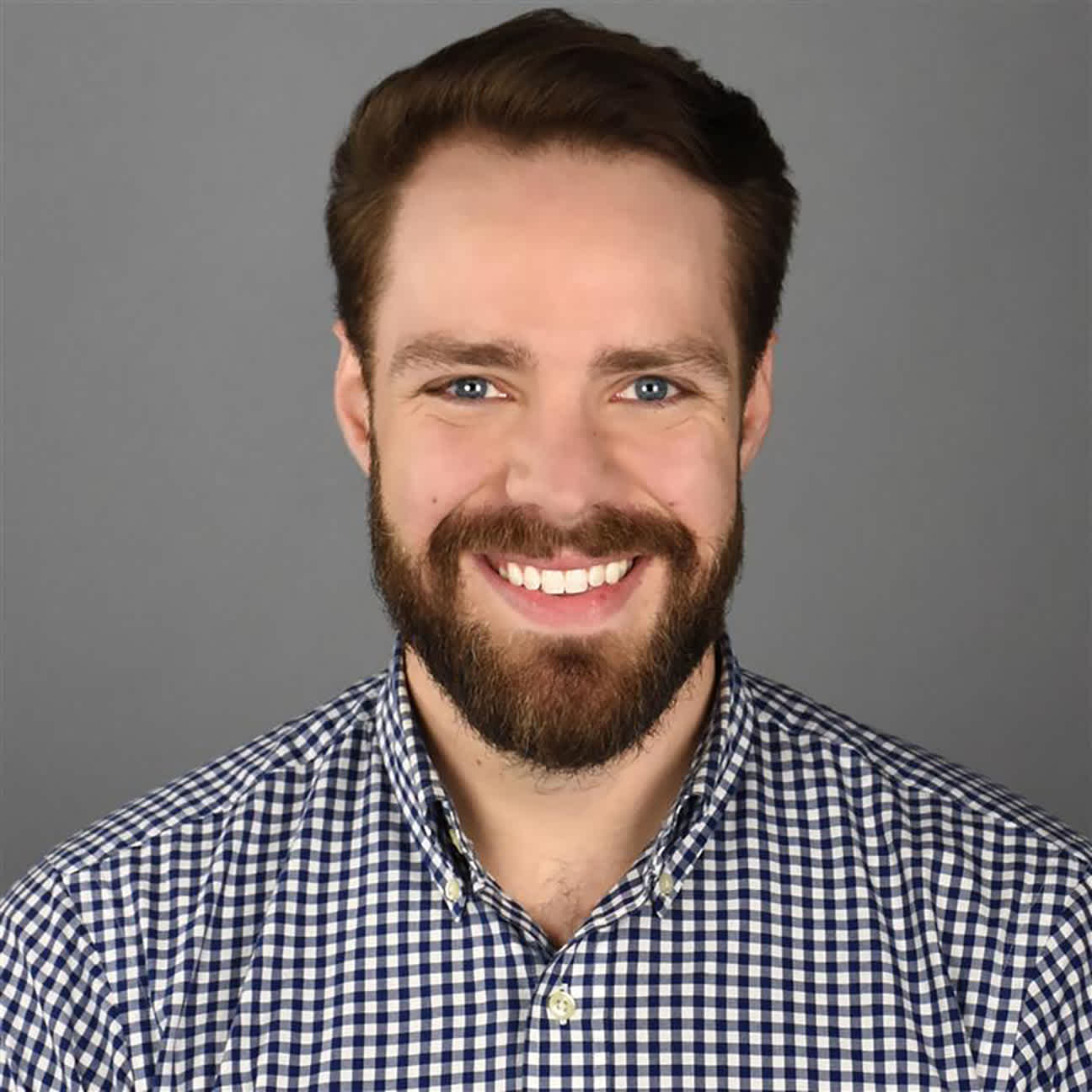
Michael Monroe
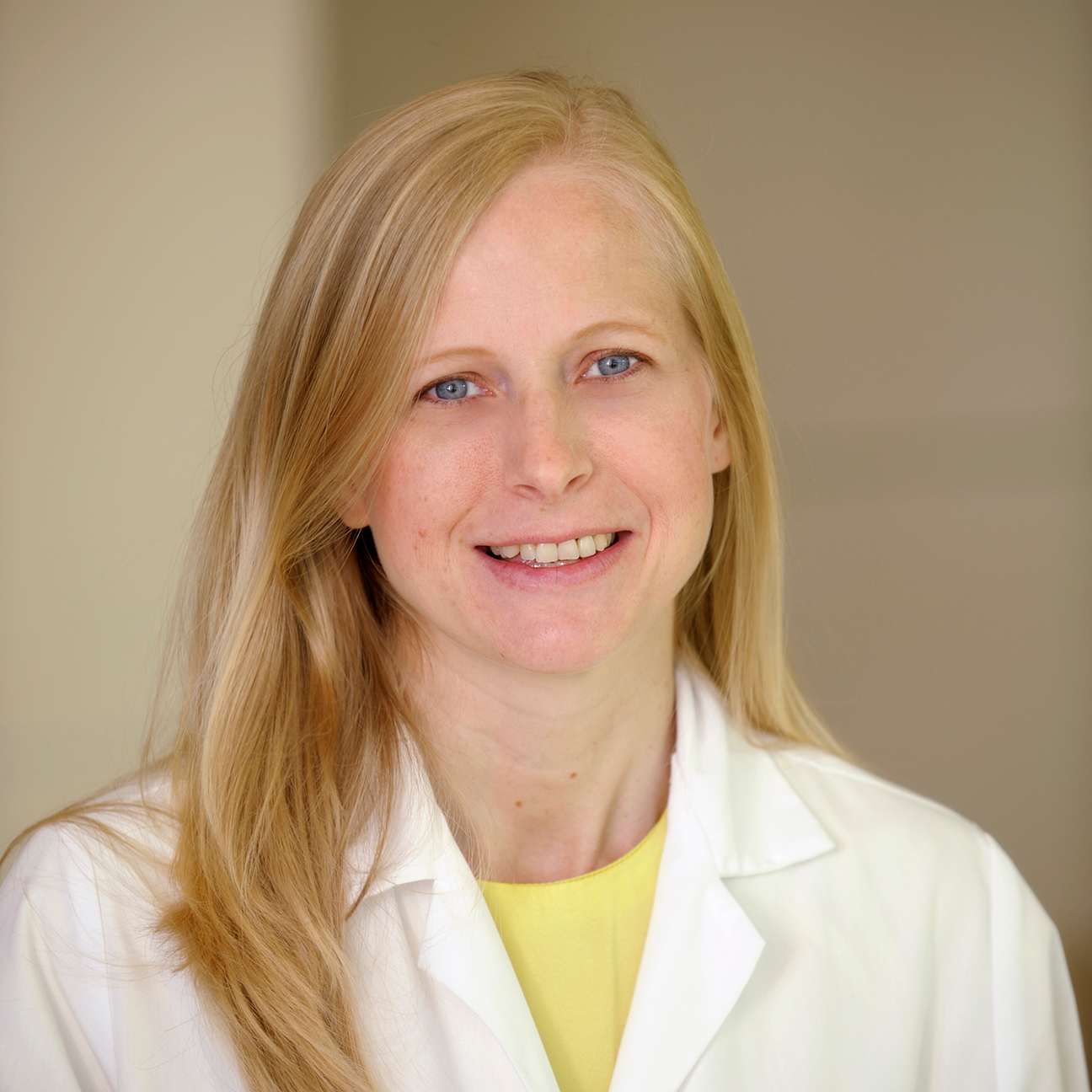
Ariel Cole, MD, FAAFP
Transcript
Welcome to Inside Family Medicine, where you hear from leaders and peers in your specialty while learning about new tools and resources. I'm your host, Michael Monroe, a member of Team AAFP. Today, Dr. Ariel Cole is joining us to talk about the role of the family physician in cognitive aging and Alzheimer's disease across the lifespan.
Dr. Cole is the director of the geriatric fellowship program and assistant director of the Family Medicine Residency Program at Advent Health Orlando Board certified in family medicine, geriatric medicine. Dr. Cole received her medical degree from the University of South Florida in Tampa and completed her residency and fellowship training at Florida Hospital.
Now Advent Health, she also serves as the education Director for geriatrics at Florida State University College of Medicine. Dr. Cole, thank you so much for joining us. Thank you for having me. Let's start by taking a little bit more time talking about your expertise and experience in brain health and caring for patients with cognitive concerns.
Throughout my training, I've had the opportunity to take care of patients on the cognitive decline spectrum, both in the office and in the nursing home setting. And as we know, dementia is one of the common reasons that patients end up in nursing homes at the end of their life. And I developed an interest in the area, in in the subject and in caring for these patients.
That's great, and there's a lot of buzz about blood biomarkers and other diagnostic tools right now in the dementia and cognitive care space, but like many diseases, prevention obviously plays a very important role too. Tell us about the role of the family physician and what they can do in conversations across the lifespan to help their patients that are dealing with these concerns.
Family physicians are uniquely positioned to help patients in the younger years avoid the modifiable risk factors for dementia, and as much as maybe 45% of of dementia can be avoided or delayed by addressing these modifiable risk factors, things like education, hearing and vision impairment, the vascular risk factors that we're used to paying attention to, like cholesterol, diabetes, and hypertension.
But I think many of our patients aren't aware that addressing these risk factors does reduce their risk of dementia later in life. Yeah, 45% is obviously a significant reduction. Can you share some strategies or screening and evaluation tools that family physicians can use with their patients during those routine visits?
I think patients are, as a rule, quite motivated to reduce their risk of dementia. I think we in in family medicine are accustomed to counseling patients to address their risk factors for vascular disease, right? We have conversations with patients with hypertension and hypercholesterolemia and diabetes quite regularly and ask them to make lifestyle and perhaps medication changes such to address those issues.
I think this is another. Reason we can bring into the conversation to help motivate patients to make those changes. Yeah. And for that screening and evaluation, what kind of tools do you find are most effective in a primary care setting to use when evaluating patients with cognitive concerns? So we have to do a screening of some sort as a part of the Medicare annual wellness visit, and I typically use the mini cog just because it's fairly quick and efficient in the context of that visit.
Outside of that, we don't really have screening recommendations, but I do think that. We should have a sensitivity to concerns around cognitive impairment. Sometimes the patients bring that up. Sometimes family members bring that up. Perhaps a, a staff member in your office recognizes that a patient has shown up at the wrong time or gotten confused or had difficulty.
There have been times that I've been the one to suspect after having conversations with the patient that they don't seem to remember at future appointments. Absolutely. And one of the things we often hear in primary care setting is that there's a significant barrier of time to initiating this kind of screening or evaluation.
And obviously tools like the mini cog or abbreviated screening tools make that a little bit easier. But what other challenges do you face as a family physician in managing or diagnosing cognitive conditions in your practice setting? Yeah, certainly time is probably the biggest, but other issues include having an awareness of the system and the support, perhaps training office staff to, to take on some of the roles, right?
Training office staff to administer a moca, a Montreal cognitive assessment or another, you know, longer, more detailed cognitive assessment for you. And just being aware of what's available in your community. It takes some intentionality to learn.
Yeah, I love that. The team-based care approach. I, I think it's so critical too, as a primary care physician because the work that you do is so complex.
I think having a team-based care approach significantly reduces the burden on you as a physician and as you mentioned, talking to patients and their families and their caregivers about these cognitive concerns and. What they're dealing with in their daily lives might be really difficult.
How difficult do you find it to navigate some of these conversations with patients or their families when you're talking about such important things as how their brain works?
For sure. Yeah. There, I think it's difficult on, on various extremes of the spectrum because some patients and families. May assume that cognitive decline is a normal part of aging and not bring that up, and then others may really feel a lot of shame and want to dismiss or minimize their cognitive impairment.
And so I think it's important to. To normalize it a bit in that it is common, but also that it is something that we want to address. It is a threat to independence, and so trying to partner with patients and, and say that as your physician, I want to support your independence and I want to address things early and make interventions that will help prolong your independence, rather than allowing our patients to, to be concerned that we're, we're trying to.
Place them in a facility. Right? That's often a fear of patients. Yeah, and that's an understandable fear. I think when you, you know, start to think about your aging body and how things change over time, it can be really difficult.
And you mentioned this briefly, but I, I would love to go back and talk a little bit more about the interdisciplinary role and the team-based care approach and how you work with other specialties or other partners in your practice and outside, particularly the community setting to really provide that comprehensive patient-centered care that's so important for patients when they enter this stage of life.
For sure. Yes. So certainly we in family medicine may be referring to a neurologist to help us sort out a diagnosis of dementia and probably should be referring to other resources. Every geographic region in the United States has a federally funded area agency on aging. So this is gonna be a resource for what.
Community, you know, what's available in your community. This is gonna be, you know, social workers that coordinate programs like Meals on Wheels and caregiver support services. But also be aware of like adult day programs and other resources that are locally available that you may not be aware of. And then certainly there are national organizations like the Alzheimer's Association, but you also may be referring to a geriatrician who has an interest like myself in in cognitive impairment.
So it kind of depends on what. What resources are available in in someone's local community, and certainly those who are practicing in more rural areas, this is even more challenging. And about those community resources, how does that change maybe the way you approach screening or having those conversations with your patients?
I imagine it's very difficult just using a mini cog or a moca to ask the clinical questions that are important, but also to really get at the needs apart from the clinical setting. Certainly a big part of it is understanding the patient's living situation and what resources they have. All right. As I take care of patients in, in the post-acute setting, right?
So meeting new patients who've been hospitalized. One of my first questions is, tell me about your home situation so that I can understand whether they're there after a stroke or a pneumonia or, you know, COVID or whatever happened right off in a fall or a fracture, right? It, it matters. Are they living alone?
What is the home like? What kind of resources are local and available to help you transition? That's great. What are one or two things about this topic that you would like your audience, your colleagues, that are listening to take away from today's conversation? Have a sensitivity to cognitive concerns.
Understand that patients may be hesitant to, to tell us as their physician about the memory changes, that there might be some shame around having been victimized by a financial scam or, you know, concern around loss of independence, loss of driving, and things like that. So patients may not be forthcoming or minimize their symptoms.
Try to get the opinion, get the input of a family informant, someone who knows them well, family or friend, because sometimes patients forget that they forgot and aren't able to really adequately tell us the extent of, of what they've been experiencing. Absolutely. I think that's a really important message.
Thank you so much for joining us today, Dr. Cole, and for sharing your experience and expertise. My pleasure. And to our listeners, if you'd like to learn more about choosing family medicine, I would like more resources around cognitive care. Go to AAFP dot org slash brain health or see the links in the show notes.
If you enjoyed today's episode, let us know by dropping a line to aafpnews@aafp.org. Be sure to share this episode with your followers on social media and tag the AAFP. Thanks for joining us.
Resources
Disclaimer
Copyright 2026. AAFP. The views presented in this broadcast are the speakers own and do not represent those of AAFP. The information presented is for general, educational or entertainment purposes and should not be considered legal, health, financial or other advice. AAFP makes no representation as to the accuracy or completeness of the information and is not responsible for results that may arise from its use. Consult an appropriate professional concerning your specific situation and respective governing bodies for applicable laws. Reference to any specific product or entity does not constitute an endorsement or recommendation by AAFP unless specifically stated otherwise. AAFP and the AAFP logo are registered trademarks of American Academy of Family Physicians.