
CME | Not a lecture, just a conversation: Hormones & transgender care
Show notes
In this episode of CME on the Go, our hosts tackle the nuanced topic of transgender patient care with the help of Dr. Evans Lodge, a specialist in gender affirming care.
The discussion covers the basics of gender dysphoria, the importance of compassionate care, building therapeutic relationships and the practicalities of hormone treatment. Dr. Lodge also touches on the significance of an interdisciplinary approach and the key medical monitoring guidelines for hormone therapies.
This episode emphasizes the role of family physicians in providing comprehensive and inclusive care, aiming to reduce fear and promote familiarity with gender affirming practices.
Learning objectives
Describe the foundational concepts and terminology related to gender-affirming hormone therapy to improve communication and comfort with transgender patients.
Identify common hormone regimens, dosing considerations and monitoring strategies for transgender patients, including potential side effects and lab tracking.
Engage in reflective dialogue with clinical experts to increase confidence in supporting transgender patients, even if not directly managing hormone therapy.
The AAFP has reviewed Not a Lecture, Just a Conversation: Hormones & Transgender Care and deemed it acceptable for up to 0.50 Enduring Materials, Self-Study AAFP Prescribed credits. Term of Approval is from 01/05/2026 to 5/7/2027. Physicians should claim only the credit commensurate with the extent of their participation in the activity.
The AAFP is accredited by the Accreditation Council for Continuing Medical Education (ACCME) to provide continuing medical education for physicians.
The American Academy of Family Physicians designates this Enduring Materials for a maximum of 0.50 AMA PRA Category 1 credits™. Physicians should claim only the credit commensurate with the extent of their participation in the activity.
CME activities approved for AAFP credit are recognized by the AOA as equivalent to AOA Category 2 credit.
Claim CME credit
Episode hosts
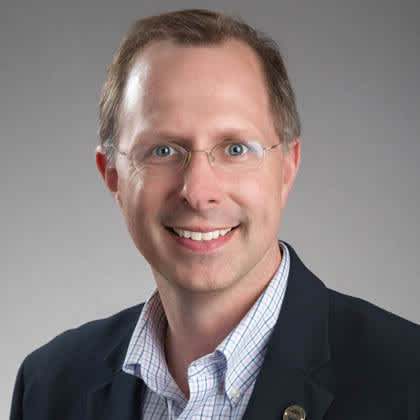
Jason Marker, MD, MPA, FAAFP
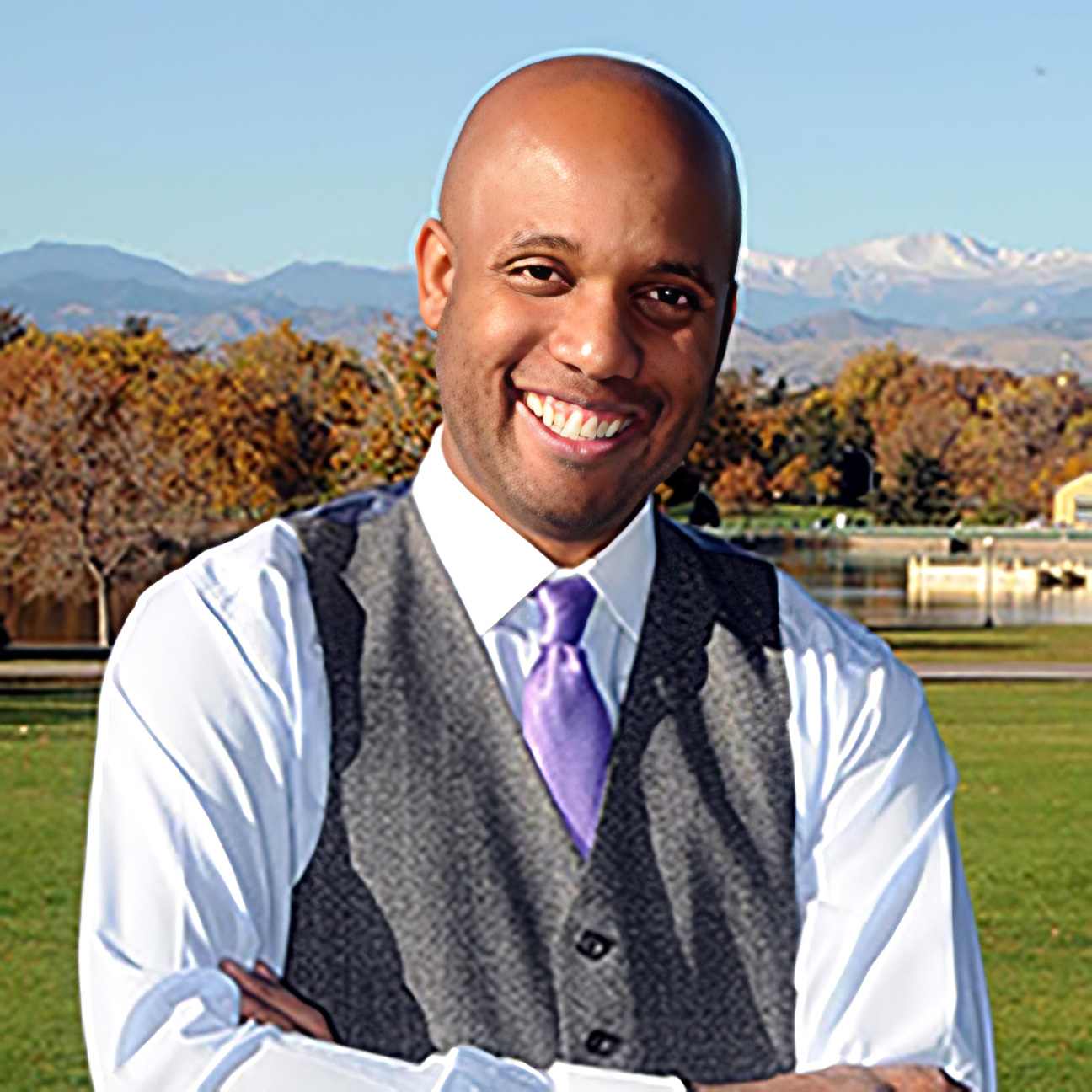
Tamaan K. Osbourne-Roberts, MD, MBA, FAAFP, DiplABLM, DABOM
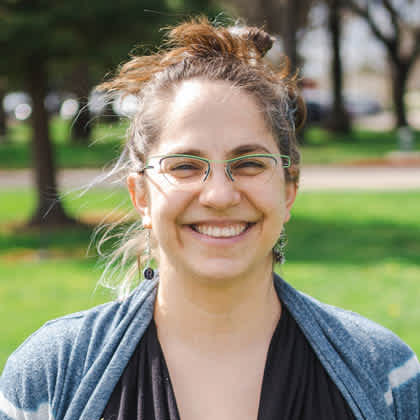
Lauren Kendall Brown-Berchtold, MD, FAAFP
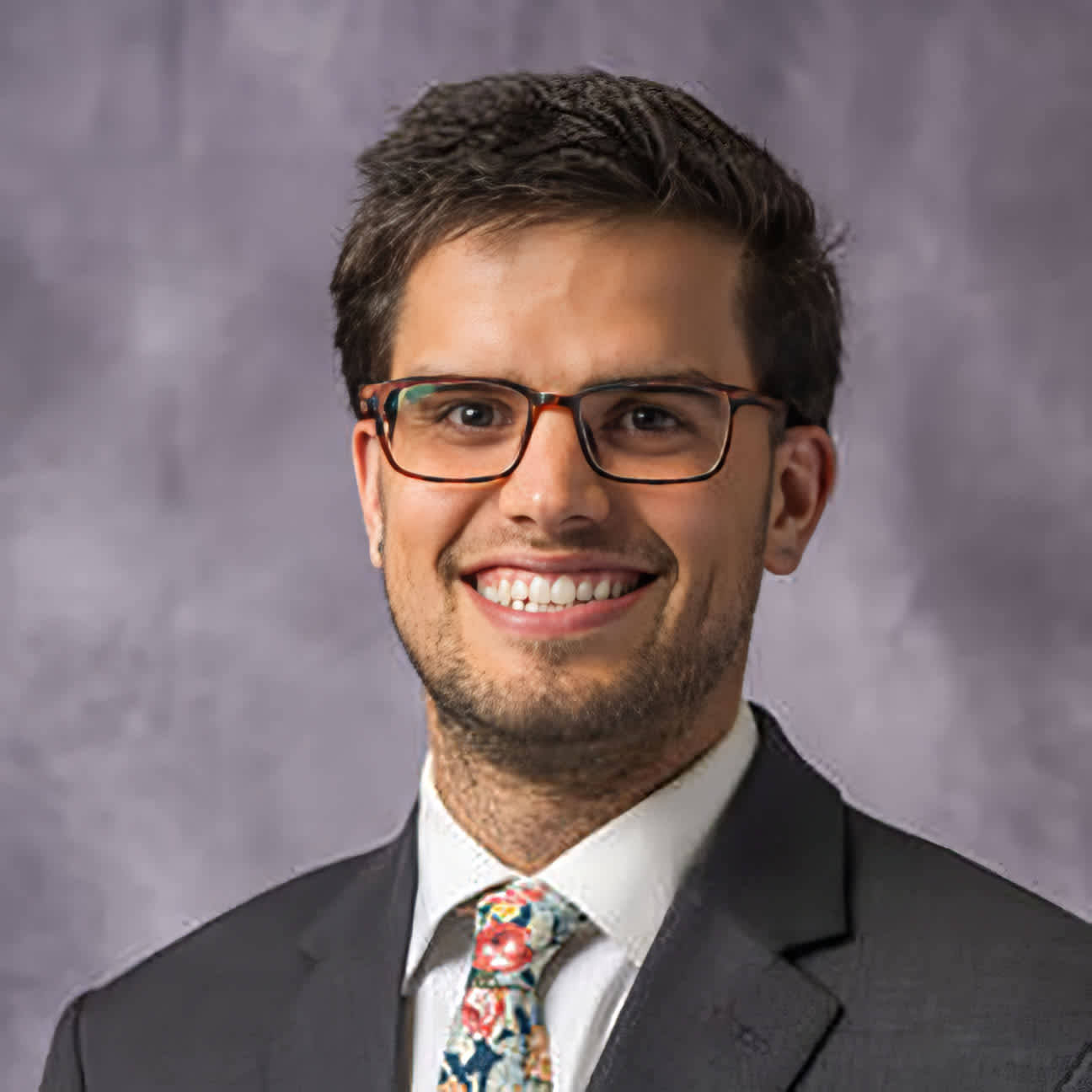
Evans Lodge, MD
Transcript
Jason Marker: Welcome to CME on the go. The podcast crafted specifically for family physicians by family physicians. Whether you're seeking clinical insights, professional development, or simply a sense of comradery, you'll find those all here. Plus, you can earn CME credit with every listen. So grab a nice hot steam milk with pumps of vanilla and caramel, little sprinkles, salmon on top.
Hit play and let's embark on this journey together. My name's Dr. Jason Marker, and I'm an associate director and clinic medical director at the Memorial Hospital Family Medicine Residency Program in South Bend, Indiana.
Tamaan Osbourne-Roberts: I'm Chaman Osborne Roberts, a federally qualified health center, family lifestyle, and obesity medicine physician from Denver, Colorado.
Also work at bitten Policy and occasional standup comedian. And may I add, I will not grab steam milk due to a genetic predisposition towards lactose intolerance. Ugh.
Lauren Brown-Berchtold: It sounds cozy though. I might have to explore that. My name's Lauren Brown, Birch Told, and I am the program director for the VCME Family Medicine Residency in the Central Valley of California.
And let me just say that today was the first day I saw sun in 20 days because of the tool fog over here. So happy to be here on the computer recording with you guys.
Jason Marker: That's awesome. That's awesome. Well, friends, today we are talking about the care of the transgender patient and specifically about some of the principles of hormone treatment.
How are you two feeling about that topic?
Tamaan Osbourne-Roberts: Well, I wish I was feeling a little better, corporal, you know, this is incredibly important sort of a topic. I, I will admit though, that this is not something that I, I do typically in my practice. So today will be an adventure, not just for our, our, our listeners, but for me as well.
Lauren Brown-Berchtold: Yeah, I am, am not an expert in, in this topic. And with that in mind, I actually went back and listened to our very first episode that ever happened on this podcast was about the care of the lgbtq plus community. And reminded myself that all three of us had said like, we're not experts and there are different ways that we can explore, really moving ourselves along a spectrum of care for, for this community.
One of the things that I have thought a lot about since then though, is that I do work with residents and sometimes it comes up with residents like, Hey, I'm never gonna prescribe hormones for gender affirming care. So why do I need to experience a clinical experience with my, with my attendings in which gender affirming care is the focus And, and this is what I've said, and, and I feel real proud of this, so I'm just gonna put it out there.
Okay. There are more and more. Stories being circulated in the general medical community about people who feel so unfamiliar and uncertain about the risks of hormones for gender affirming care that they're declining to do things like take care of DKA in the hospital in hospitalized patients. Because they're saying like, I don't know, maybe the hormones will impact that.
And I feel like. Family docs are just in this really amazing place to say, Hey, I don't have to be an expert in everything, but I can be familiar with the wide swath of things that my patients might be experiencing and not be so afraid of those specifics that I'm going to then ignore the bread and butter of, of what I do as a family doc.
And so that's why I think this is a really important topic, not. For a goal of necessarily expertise for all of our listeners, but familiarity and a lack of fear.
Jason Marker: I think that's right on, and there are obviously family doctors who are pioneering gender affirming care in their community as the first ones doing anything like that.
And so I suspect that we have a bell-shaped curve of, of listener opinions about this topic. I hope that we can present a little something that each listener can take away from this today. So listeners, Tim and Lauren and I talked about this quite a bit beforehand, and we realized the folly of talking about something that we don't know a lot about but aren't actually doing in our practices, and we have quite a treat for you.
We have brought in reinforcements. Dr. Evans Lodge is a second year resident and he came into residency. With a specific interest in gender affirming care and has already built up a strong knowledge base from which he teaches other residents and faculty about this topic. He's here with us today to let us pepper him with questions about the care of transgender patients.
Dr. Lads welcome and we're so happy to have you with us.
Dr. Evans Lodge: Hello. Hello, hello everybody. I am excited and honored and a little bit nervous because of your overly kind introduction to be with you all today. So thanks for having me here.
Tamaan Osbourne-Roberts: Well, don't be too nervous. It's not like we got a plate of gigantically hot wings for you or anything to eat while you're, you're, you're talking to us today.
I appreciate that.
Lauren Brown-Berchtold: Does that make us a game show? If we did have a giant plate of hot wings, like. We could add some things into this.
Tamaan Osbourne-Roberts: I, I guess it depends on if you count that as a prize or a punishment. Maybe both, but Well, we'll work with it. Dr. Lodge, why don't you tell us a little bit about where you got your education?
Dr. Evans Lodge: I was really lucky to do my medical school training as well as some graduate work at the University of North Carolina. So I am originally from South Bend. I'm now back in residency up here in South Bend, but spent a hot minute down in North Carolina enjoying a warmer winter than I'm having right now.
Lauren Brown-Berchtold: And I understand that you are a double doctor because you also have a PhD. Is that right?
Dr. Evans Lodge: I do. Yeah. So I, again, was, was very lucky to be in the UNC MD PhD program. So I have a PhD in epidemiology, mainly sort of social and environmental epidemiology work. Although I was also a, a graduate student in epidemiology during the COVID pandemic.
So did a lot of infectious disease work as well. 'cause that was a all hands on deck situation. So, yeah.
Jason Marker: Awesome. Alright, Dr. Lo, well I get the first question with, with so much to learn in the core of family medicine training. Tell us a little bit about why you have chosen to add gender affirming care to your training and your practice.
Dr. Evans Lodge: Yeah, so whenever I'm asked this question, my immediate response is to sort of flip it back and ask why wouldn't this be considered core? And uh, and I phrase it that way because I think for all of us, whether we are transgender or cisgender, we have gender identities. We think a lot about who we are as people who we love, who we're sexually active with.
And I think that family medicine doctors motivated as we all are to care for people of all ages, through all stages of life. Should just be comfortable discussing and caring for patients of all gender and sexual identities. Like I think that is just part of our job, or I would argue that it should be.
And so I think it's an integral part of primary care practice because all of us, whether we spend a little or a lot of time thinking about it, have our own sense of gender identity and it, and it impacts all people as we move through life and through the world.
Tamaan Osbourne-Roberts: I think that's really, really a, a fantastic series of points.
Can you tell us kind of a specific story from your own work with patients that you think exemplifies really what you were saying, why gender affirming care is best handled by family physicians?
Dr. Evans Lodge: Yeah, I don't have any single patient encounter that comes to mind. Exactly. So I think I'll lead sort of lamely just by saying like, like with gender affirming care or any other type of care, they're, every time I tell a patient like, yes, I can do that for you, they are thrilled to hear that as their family medicine doctor.
I think all of us. Prefer to be seen by a primary care doc than by a specialist. And that's not to knock specialists. It just saves time, it saves money, it prevents confusion. It allows people to be seen as, as a whole person rather than sort of a, a string of organs connected together by a group of specialists caring for their organ of preference.
Mm-hmm. I would also say, I think, if not primary care, then who? So. Best estimates are that about 1% of the US population is transgender, which is several million people. And so if primary care doctors are unable or unwilling or for whatever reason, do not do this work, the likely outcome isn't that transgender folks will somehow establish with an endocrinologist to do their hormone therapy.
It's that they just won't get any healthcare at all, and I think that's not a good option. That's well established in the literature as well. And something that you mentioned in your LGBTQ plus CME from your first season is that there's a lot of transgender folks and LGBTQ folks in general who report experiences of being sort of kicked out of a practice or told by a doctor that, oh, I'm sorry, I can't do that for you.
You need to go seek care elsewhere. And what happens in those contexts is not often that people actually successfully establish elsewhere. It's just that they don't. Establish at all. This is also just really straightforward medically. I think family medicine doctors can do it, and I think we should to make sure that there's good access in the community.
Lauren Brown-Berchtold: I have to say two things. One, organ of preference is gonna be a phrase that comes into my life upon, because that was hilarious. And two, this is gonna sound nerdy or, or, or dorky, but you talking about like what we do is gender affirming care felt really resonant in a way that it hasn't before. I hear gender affirming care and, and still think like hot button issue, but you're right.
We perform gender affirming care for all sorts of folks who identify as cisgender. And like I, I think of my patients with PCOS who are wanting laser therapy because they're really unhappy with hair growth on their upper lips. And so, like, we're performing gender affirming care all the time, and this just happens to be a, a nuance and subset of that.
So. Thanks for, for teaching me some things already. Absolutely. I'm wondering if we can talk a little bit about some of the fundamental concepts and terminology in the care of the transgender patient and, and with that maybe some strategies for docs who might still be new to this area of family medicine and, and they're just beginning to build some of those therapeutic relationships with their patients.
Dr. Evans Lodge: Totally. I think just to make sure that we're all sort of on the same page, definitionally, so transgender people, I think we're all probably familiar with the concept of sex assigned at birth. So you deliver a baby, someone looks at their genitalia and says, this is a male or a female, or at times an intersex child that then gets put in their medical record as you know, male or female.
Then as we grow, we all develop a sense of. Who we are as a person in terms of our gender identity, which is more of like a collection of behavioral, and as you mentioned, physical and social characteristics that in a society are associated with like maleness or femaleness. And so that's something that we all undergo as children for cisgender people.
Then those are folks who would say that their gender identity aligns with whatever a doctor said they were at. Birth. So cisgender men would be someone who's assigned male at birth and who identifies as a man, whereas a transgender person would identify as a gender different than their sex assigned at birth.
This is then where we think about like pronouns for people who are maybe still trying to get that straight. So these are just like grammatical things that we use in sentences to refer to people. So he, him, his, she, her hers, they them theirs, which is a common set of non-binary pronouns, although there are many others.
I think a key part of like trying to understand what we are helping patients manage when we are working with transgender people is the idea of gender dysphoria, and this is in essence psychological distress caused by the experience of identifying as a gender that is different from your sex assign at birth.
It's really important to recognize that this is due. At least in part by the way that our society treats transgender people. I think I would be remiss not to say that. And so there's evidence that in societies with more flexible expectations of people based on their sex assigned at birth and their presumed gender identity, there is less gender dysphoria.
Whereas when you have rigid gendered expectations, there can be more gender dysphoria. And so. I think we can think about that as sort of demand mentioned being involved in policy, thinking about creating a society that is more livable for trans folks. So gender affirming care. Then just like really broadly, is medical care that we provide to people to assist as they like align their physical and psychological state with their gender identity rather than their sex assign at birth.
This often includes hormone therapy, other therapy, and surgical interventions, which we'll talk about later. That is a very quick gloss of just sort of like terms and language about gender dysphoria as far as building relationships for the practicing physician who is maybe new to gender affirming care.
I don't have anything super like earth shattering or, or new to say, other than. Like be, be nice to people, be kind, ask open-ended questions. Don't make assumptions. And I think also if you do, like if you misgender somebody or if you refer to them with the wrong name or make an assumption about who they love based on some characteristic, just apologize and move on.
I think sometimes in our like. Our anxiety to do the right thing around a somewhat fraught political and social topic. We sometimes make, make a bigger deal out of a simple mistake than we need to, and at the end of the day, transgender people are just people who are trying to get medical care in your clinic and, and treat them well.
And that's, that's what we all deserve.
Jason Marker: That is, that's a beautiful way to think about giving yourself some grace. Mm-hmm. As we learn about new things. All of us have learned about new things lots in medical school, but even since graduating from residency, I, I've learned about so many new things and why is it so easy to give myself grace about learning medications, stroke, reduced disorder, but maybe not so much grace about the care of a transgender patient.
Like that's a great message for us to think about treating ourselves well as we. Try to do this well for our patients also. Okay, next. Most doctors who are working in this space, like I don't, I don't feel like they have to know everything there is to know right off the bat before they go see their first patient.
There are sort of communities of care partnerships within our community with other doctors. Who are some of the other people? That a family doctor might work with on a more complicated case or as they're starting to understand how to do the work in, in this area.
Dr. Evans Lodge: Yeah, this is a great question and and I'll caveat by saying that this is something that I'm still figuring out very much for myself as a resident who just moved across the country for residency and is trying to do this work in a area where there's not a lot of it being done currently, previously at UNC.
And I think for those of us who work in a bigger city, it is. Likely that there will be sort of networks of L-G-B-T-Q healthcare around you and it's fairly easy to plug in. Whereas for people who are maybe a family medicine doctor practicing in a smaller town or in a more rural area, that could be more difficult.
So obvious sort of networks or like referrals to cultivate in your region. I would start with Jennifer affirming therapists for patients who need them. So turning back to the experience of gender dysphoria is something that's really, can be quite. Distressing and harmful for patients you should know of or have at least a sense of therapists in your region who would be happy to establish with transgender or gender non-conforming patients to help them work through any psychological distress that they're experiencing, experiencing around their gender identity.
Second, I would mention gender affirming surgeons. So there are a wide variety of surgical procedures that people will sometimes seek out. So this. Could be an obstetrician or a gynecologist in town for gen affirming hysterectomies and also for some masculinizing surgeries. A urologist for things like ectomies and some feminizing and masculinizing surgeries, general surgery or plastics for breast reductions or augmentations, and then some other plastic surgical approaches that patients will pursue.
From a more sort of medical perspective, I think endocrinology, certainly for any quote unquote complicated patient, so someone for whom you have questions around the safety or efficacy of hormone therapy based on some other medical comorbidity that they have. And then also fertility specialists for people who are interested in future child rearing who are going to pursue medical intervention for their or gender affirming care.
'cause we don't really know a lot about the effects of gender affirming hormonal therapy on later life fertility. And I imagine it goes without saying, but as you're thinking about this potential network that you might try to create in your community, you should like. Talk to those people before you send a transgender patient their way to make sure that they won't reject that patient at the door because of their gender identity.
Tamaan Osbourne-Roberts: Dr. Lodge, thank you for that. That is incredibly helpful and, and really lets, a lot of our listeners know that you're really not alone on this journey. There's a lot of opportunities and, and partnerships that can really be helpful. I'm wondering if we can dive a little specifically into something that I'm sure a lot of our listeners have some questions about, and that specifically is some of the more commonly used medication.
For gender affirming care. Can you talk to us a little bit about the more commonly prescribed medications and maybe some of the dosing guidelines?
Dr. Evans Lodge: Yeah, absolutely. I think the, the sort of straightforward way to think about this is breaking it into two groups. So there's what some people refer to as masculinizing therapy or testosterone based therapy, and then feminizing therapy or estrogen based therapies starting with testosterone based therapy.
So this is. Would be for a transgender male or a non-binary patient who wants to transition into a more masculine type portrayal. There's really only one medication and it's testosterone itself. This is fairly straightforward, so the most commonly prescribed medication in this context is injectable testosterone.
So this is testosterone, cate. Historically, it's been studied the most as an IM injection, although there's decent evidence that using it subcutaneously is. Is acceptable and it's better tolerated by patients 'cause it's a smaller needle. If I start someone on testosterone, typically I'm starting them at 50 milligrams a week.
So once weekly injection, if someone is really nervous about injections, you can double the dose and do it every two weeks, although you do have a little bit more of a peak and trough effect with that dosing strategy. And then for people who really don't wanna do injections, there are also topical testosterone gels.
These are typically more expensive, sometimes a little bit harder to get covered by insurance, but they are an option. There are a variety of different concentrations of gels, and then it's sort of a number of pumps per day based on the the dose that you're targeting. Once someone is on this medication, at least while they're sort of titrating to goal you, unless there's other sort of medical complexity, there's really only two.
Most important things to monitor, and that's their total testosterone level and their hemoglobin and hematocrit, and that's because the most common sort of risky side effect of this is polycythemia. So if their hematocrit gets too high, puts 'em at high risk of coronary artery disease, a stroke, et cetera.
And so you'd be checking those levels every three-ish months while you're titrating to goal. The goal being either sort of a. Cisgender male range. So whatever the male range level for your lab is on their total testosterone or if they're non-binary, it's really to effect based on that patient's goals.
And then the expected effects to me monitoring for so people will be. Typically excited to be gaining muscle mass. They'll notice that they're, they're sort of putting fat in different places on their body, so it'll be moving more from the breasts and the buttocks and thighs to sort of the central adiposity that we see in cismen.
Some permanent changes that it's always worth counseling patients about vocal changes, so people will notice that their voice can deepen. This can take. Years at times in the same way that puberty takes years for people's voice to sort of land where it lands that is permanent. Once your vocal cord changes and structure you, you really can't get it back.
As well as clitoral enlargement and then androgenetic alopecia. So male pattern balding, you can treat that in the same way that you would for cis cisgender man. One thing that is very important to mention for any patient on testosterone based therapy is that it is not effective birth control and it is a teratogen.
And so if a patient is sexually active with a partner that could result in pregnancy, they absolutely need to be on another form of birth control. And you need to give them really strict return precautions for any signs of pregnancy. 'cause they would need to stop their testosterone at the time. I think that's all I'll say, at least for now, about testosterone based regimens for feminizing therapy or estrogen based therapy.
It's a little bit more nuanced. There's more medications involved. The core medication is estrogen, which we give as estradiol, or 17 beta estradiol, which is a bioidentical hormone. Typically this is done orally. That's the cheapest and and most easy to access, although there is also a patch that you can use.
And then there are injectable versions, but that's fairly uncommon, at least in my experience. A typical dose is two to four milligrams a day of oral estradiol or a 100 microgram patch. But the patch dosing and the frequency that you need to change them depends on the manufacturer. So that can vary a little bit based on.
What you can get covered by by insurance, and then you can go up to sometimes eight milligrams a day and then lower as needed. Patients will also typically use an anti-androgen. Historically, this has been spironolactone as something that all of us are familiar with. We probably have patients on Spironolactone for any number of indications, and you can dose it as we dose it.
So. 50 milligrams twice a day as high as you need to go to drive that. Patient's testosterone lower. And we're really just utilizing the side effect profile as bro lactone in this context. Then the final medication that we use is progesterone, which is typically micronized progesterone. So the brand name is Prometrium dosed as a hundred or 200 milligrams daily.
There are very, there's just very little data about progesterone in this context, but there is sort of. Anecdotal understanding that maybe it helps with breast development for transgender patients, particularly if you start it a little bit after they have started estradiol. But the guidelines there are kind of vague 'cause there's not great data on it, at least to date lab monitoring for feminizing therapy, then you need to be monitoring their serum estradiol.
And so the goal then again for a transgender woman would be to get their estradiol to a level. Roughly corresponding with a cisgender woman. So whatever your, the female reference value for your lab is, you want their total testosterone to be lower. So that's, again, you're, you're driving that low with the spironolactone.
And then if they're on spironolactone, you also need to be monitoring their kidney function for the side effects of spironolactone that we're all familiar with. So particularly watching out for hyperkalemia. And then you should always discuss the risks of venous thoma minimalism in feminizing therapy.
Or giving someone estrogen that can increase the risk of VTE, particularly if they have a history of VTE or if they're actively smoking in certain high risk patients. You should just have a much sort of more in-depth risk benefits discussion on this therapy. You could consider putting them on an aspirin and, and kind of go from there.
Lauren Brown-Berchtold: That was amazing and I feel like I learned a lot some, some of that even just from your matter of fact approach to the medications and, and the monitoring because I do have some experience with this and I feel like I have inflated its complication in my head and so you just being able to kinda walk us out along that road was, was really great.
I can imagine. A lot of people listening who are like, okay, but am I gonna have to listen to this? You know, 18 times to remember that. And, and my, my memory is that it's the UCSF guidelines that really are, are considered like the place to go if someone is saying, I wanna. Prescribe and safely prescribe hormones for gender affirming care.
Is that what you would recommend as well?
Dr. Evans Lodge: 100%, yeah. So if you just look up UCSF transgender care, you'll go to a incredible website hosted by UCSF that has pages and pages of really well laid out guidelines for how to do this care carefully and how to do it well with your patients, as well as a whole bunch of stuff that we will certainly not have time to cover today.
Lauren Brown-Berchtold: Right. Yeah. And, and for our listeners, we will drop the UCSF link into our show notes, so don't worry, you don't actually have to go look for it. Just, just come to our page. Yeah.
Jason Marker: Awesome. Hey Evans, this has been great. I have one more question for you and then we'll need to begin to transition towards the end of this.
Once we're down the road a bit taking care of these folks and we're sort of settled in on their medications and what we're doing for them along the way, can we just like stop thinking about all the rest of the things that we normally think about with patients? Like we just gotta focus on the gender affirming care and we're good.
Right.
Dr. Evans Lodge: No, you're not good. That wasn't bad. So we're, we're family medicine doctors. We are these people's primary care doctors, and so these are just people on your panel that you're taking care of the same way you would take care of anybody else. I think areas where people can get tripped up here is thinking about cancer screening and other sort of organ-based screening that you do need to.
Keep track of for transgender patients, so making sure that you're not forgetting to do your pap smears on trans men or thinking about prostate cancer on trans women. There are some areas of open sort of debate and research here, like how do we think about breast cancer risk for trans women who've been on estradiol for a long time?
Or how do we think about osteoporosis risk for people who have been on spironolactone and estradiol for a long time? If you wanna read more about that, I would just point you to UCSF guidelines, like we already talked about. They have excellent discussions of sort of their recommended approach, but no, you're, you're gonna keep taking care of these folks in the same way that you would take care of anybody else.
Jason Marker: Well, Dr. Lodge, that was way more high quality information than the three of us could have brought to the table on our own. Thank you so much for being willing to join us on this episode. You've given our listeners a real gift of education today and we really, really appreciate it. We always conclude our episodes with a moment of gratitude, and I'll go first as a residency faculty member.
I love the fact that I'm surrounded by smart young doctors like Dr. La, who push me to think differently about the boundaries of our specialty and even my own role in taking care of my community. I mean, if you're a medical student or resident listening and gender affirming care as an area you want to lean into, please, please have those conversations with your faculty.
Find the places where that seed can be planted and nurtured for your care. Of your patients in the communities that you will serve. Dr. Lodge, would you like to share a moment of gratitude with us?
Dr. Evans Lodge: Yeah,
totally. When you reached out to invite me to join today, I'd, I'd immediately thought of all the people who've welcomed me into the fold of this work, and that includes, uh, yeah, a lot of people had, I could even name Noah, em, Margot Faulk, Rita Lalo, Tony Petite, Karen Kimmel, Scott, Rupal U.
These are people who taught me a lot of med school and grad school, and I hope I haven't ashamed them today by misrepresenting what we do.
Lauren Brown-Berchtold: That's beautiful. I love it and I love the specific name call outs. I feel really grateful for the ways and, and places that loved ones in my life have, have been willing and open to share about their experiences and, and that has made me like a better person, a better doctor, and has allowed me to try to approach my patients with more humility and curiosity so that I can help 'em.
So that's for me.
Tamaan Osbourne-Roberts: And for me, I'm, I'm grateful for colleagues like Dr. Lodge. We all have different things that we, we have interest in clinically and in terms of our communities and the people we take care of. And it's fantastic that even if much of what you said did not immediately lodge in my mind, we, our colleagues like you to call upon and, and, sorry, Dr.
Logic, but at least one pun is required for every episode and, and, and you are just there.
Dr. Evans Lodge: That's fair. I have an unusual name.
Jason Marker: Well, friends, that's all the time that we have for today. Thank you for joining us for another episode. We appreciate you being with us on this journey to elevate family medicine, and we encourage you to stay tuned for new content brought to you twice a month with CME on the go.
Visit the show notes for instructions on how to claim CME credit and find additional resources for today's episode. Until next time, serve from your values, pursue your vision, and remain open to learning about new ways that you can support the patients in your community. We'll see you next time on CME on the Go.
References and resources
Disclosure
It is the policy of the AAFP that all individuals in a position to control content disclose any relationships with commercial interests upon nomination/invitation of participation. Disclosure documents are reviewed for potential conflicts of interest and, if identified, conflicts are resolved prior to confirmation of participation. Only those participants who had no conflict of interest or who agreed to an identified resolution process prior to their participation were involved in this CME activity. All individuals in a position to control content for this session have indicated they have no relevant financial relationships to disclose.
Disclaimer
Copyright 2026. AAFP. The views presented in this broadcast are the speakers own and do not represent those of AAFP. The information presented is for general, educational or entertainment purposes and should not be considered legal, health, financial or other advice. AAFP makes no representation as to the accuracy or completeness of the information and is not responsible for results that may arise from its use. Consult an appropriate professional concerning your specific situation and respective governing bodies for applicable laws. Reference to any specific product or entity does not constitute an endorsement or recommendation by AAFP unless specifically stated otherwise. AAFP and the AAFP logo are registered trademarks of American Academy of Family Physicians.