
CME | When colleagues are struggling: A conversation on physician suicide prevention
Show notes
In this episode of CME On the Go, family physicians Janet West, MD, FAAFP, and Michelle Chestovich, MD, share deeply personal experiences with suicide and explore why physicians can struggle to recognize and address mental health challenges in themselves and their colleagues. Through their stories, they examine the culture of medicine, the stigma surrounding mental health treatment and the importance of creating environments where asking for help is viewed as a strength rather than a weakness.
Dr. West shares her experience surviving a suicide attempt in 2023 and reflects on how perfectionism, independence and the pressure to perform contributed to her difficulty recognizing and responding to her own mental health crisis. She explains how chronic stress and an overwhelmed nervous system can influence emotional regulation, cognitive distortions and feelings of hopelessness. The conversation also examines how fears surrounding professional reputation, licensing and burdening colleagues can prevent physicians from seeking support, even when they recognize similar warning signs in their patients.
Dr. Chestovich shares the loss of her sister, physician Gretchen Butler, MD, to suicide in 2021 and identifies three areas she believes are essential to prevention: reducing mental health stigma, addressing dangerous levels of sleep deprivation and recognizing when someone needs help. She discusses how the expectation to continue working despite exhaustion or personal distress can have serious consequences, and encourages physicians and health care organizations to reconsider workplace practices that normalize these conditions.
Together, they offer practical guidance for supporting colleagues who may be struggling, including asking direct questions about suicide, recognizing changes in behavior, encouraging professional mental health treatment and considering training programs such as Question, Persuade, Refer. They emphasize that physicians are not immune to mental health challenges, and that meaningful prevention requires individual awareness, connection, and a shift in medical culture toward prioritizing physician well-being.
Learning objectives
Recognize factors associated with physician suicide risk, including biological, cultural and professional influences, to support earlier identification of colleagues experiencing psychological distress.
Identify opportunities to recognize and respond to colleagues at risk for suicide, including behavioral warning signs and direct disclosures of distress.
Apply evidence-informed communication strategies to engage colleagues or patients at risk for suicide, connect them with appropriate support resources and provide ongoing follow-up.
The AAFP has reviewed CME On the Go, Season 3 and deemed it acceptable for AAFP credit(s). Term of Approval is from 09/30/2026 to 07/06/2028. Physicians should claim only the credit commensurate with the extent of their participation in the activity.
This session, “CME | When Colleagues Are Struggling” Is approved for 0.50 credits Enduring Materials, Self-Study, AAFP Prescribed credit(s).
The AAFP is accredited by the Accreditation Council for Continuing Medical Education (ACCME) to provide continuing medical education for physicians.
The American Academy of Family Physicians designates this Enduring Materials activity for a maximum of 1.00 AMA PRA Category 1 Credit(s)™. Physicians should claim only the credit commensurate with the extent of their participation in the activity.
Claim CME credit
Episode hosts
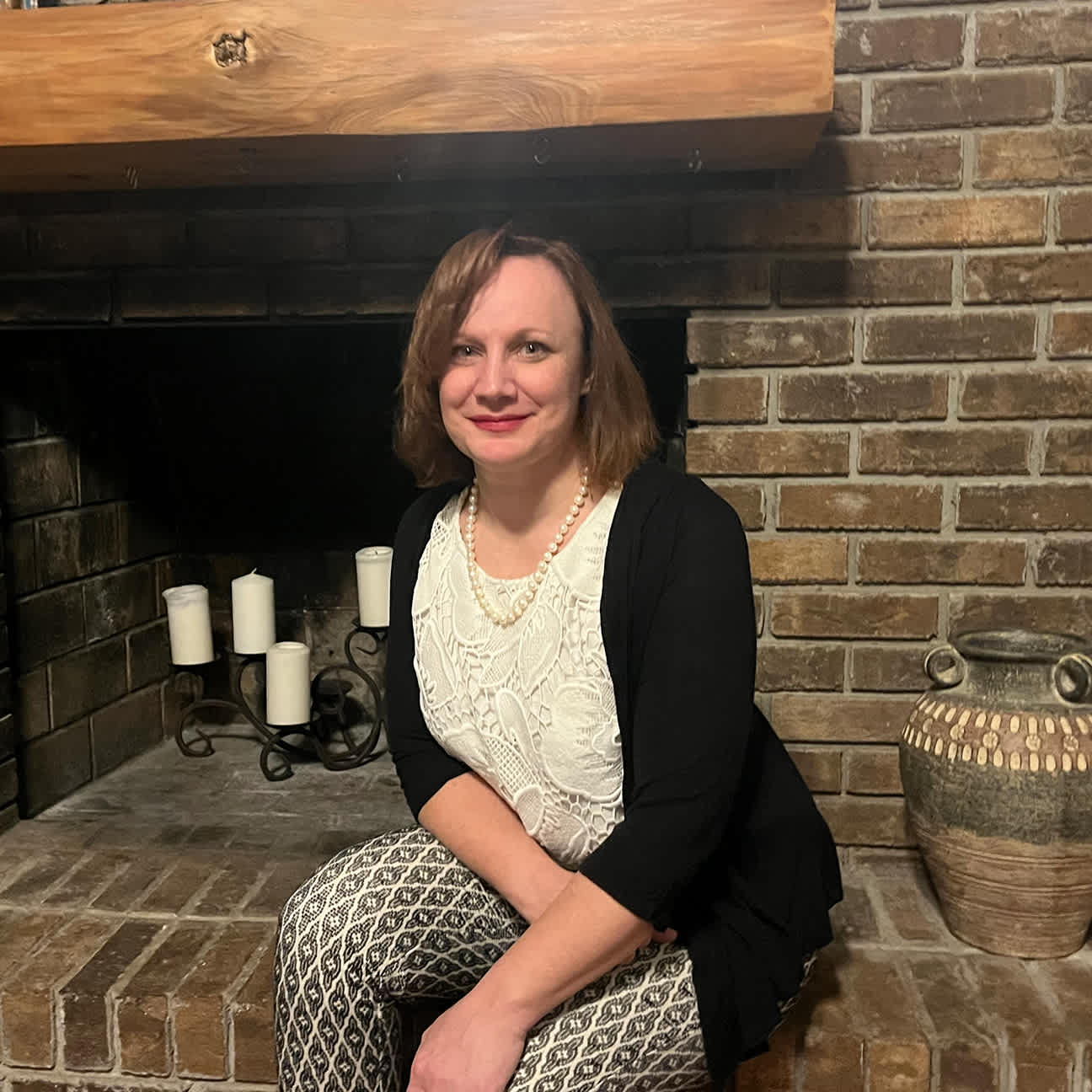
Janet West, MD FAAFP
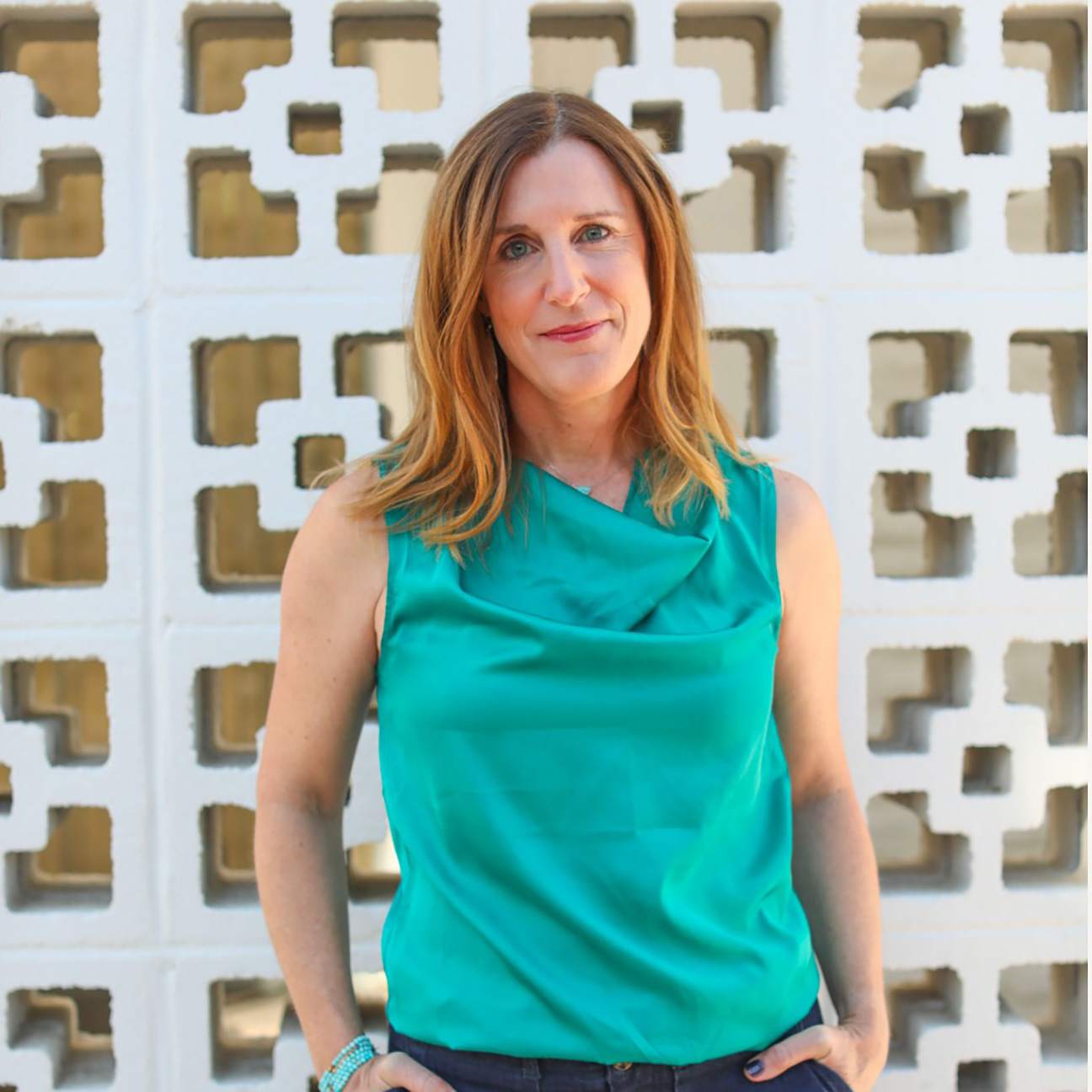
Michelle Chestovich, MD
Transcript
Welcome to CME on the Go, a podcast crafted specifically for family physicians by family physicians. Whether you're seeking clinical insights, professional development, or simply a sense of camaraderie, you'll find it all here. Plus, you can earn CME credit with every listen. So, grab a hot beverage of your choice, hit play, and let's embark on this journey together.
Today, we're having an important and deeply personal conversation about suicide awareness and prevention, particularly within the medical profession. Family physicians are trained to recognize depression, anxiety, and suicide risk in our patients, but recognizing those same warning signs in ourselves or our colleagues can be much more difficult.
In this episode, family physicians Dr. Janet West and Dr. Michelle Chestovich share their own lived experiences with suicide and discuss some of the factors that make physicians especially vulnerable
Hello everyone. My name's Janet West, and I'm a family doc in Florida.
Hi, I'm Michelle Chestovich, and I am a family physician in St. Paul, Minnesota.
At the time of this recording, we're in the month of September, which is Suicide Prevention Awareness Month, and we're both extremely excited and honored to be talking about this very important topic.
An article published in JAMA Psychiatry last year looked at suicide rates in physicians as compared to the general population, and there's some good news. The rates in 2021 were lower than in 2017, and although more male physicians died by suicide than female physicians, which is a similar pattern to the general population, male physicians were actually less likely to die by suicide than non-physician men.
Concerningly, however, the standardized mortality ratio for women physicians was actually higher, suggesting that women physicians are more likely to die by suicide than non-physician women. And physicians of both genders who died by suicide were more likely to have a depressed mood or mental health problem than the general population, suggesting a gap when it comes to identifying and treating mental health conditions, specifically in physicians.
So, in our episode today, we're going to work on unpacking some of what we might be missing when it comes to suicide prevention, why it's being missed, and what we can do about it through the power of story as two people who both have very personal and lived experience with suicide. So, I'm a family physician, like many of you, and I've been residency teaching faculty and a member of my hospital's board of directors, the designated institutional official for the ACGME.
I'm also a military veteran with over 21 years of service in four deployments, including two combat deployments to Iraq and Afghanistan. I'm also passionate about wellness, having completed the AAFP's Leading Physician Wellbeing and other wellness leadership development programs. In summary, I'm an accomplished overachiever like so many of you, well-versed in all things wellness.
And still, in 2023, in the midst of a personal mental health crisis, I tried to take my own life. I was initially in the ICU for five days, and then five weeks in inpatient mental health facilities. And then I spent the next two years learning the things we don't learn in our training, namely how certain aspects of my personality, as well as our training and our professional culture, had shaped my experience and why I couldn't access the tools I actually needed to get better.
And that's what I'd like to share with you today, so first point is suicidality is not a weakness or a character flaw. It's an understandable and predictable response of an overwhelmed nervous system to the environment around it. As human beings, our nervous systems are hardwired for threat detection and connection.
There's no way around it. That's literally how we're designed, and the neuroscience backs it up. When our nervous system senses safety, we have access to all of our higher level social and cognitive abilities, and we're able to learn and connect and rest and grow and do all the things that make us human.
When our nervous system senses danger, it shifts into fight or flight mode, which can look like stress, anxiety, irritability, and if that lasts long enough, it can shift into an immobilized state, which can look like numbness, overwhelm, depression, and even hopelessness and despair. The piece that we don't often recognize is that that threat doesn't have to be physical, like a face-eating bear.
It can actually be social as well. Anything that threatens our sense of belonging and connection to the people around us. Our brains can't tell the difference, and our nervous systems react in the exact same way. These are evolutionary protective mechanisms that have been present for thousands of years, and they serve a role.
But just like anything that can support us, it can also cross us. The challenge is that many of the behaviors and beliefs we're taught during medical training and that are rewarded and valued in our profession actually activate that threat detection system and put our nervous system on alert. We experience that threat response at the beginning of our training, and to some extent through continued exposure and inoculation, they gradually diminish.
But they don't necessarily go away because we keep being exposed to these stressors throughout our entire careers. And with that continued exposure, as well as seeing everybody around us in the same boat feeling the same way, we begin to see that state of constant activation as normal, and we lose sight of what safe actually feels like.
That normalization of feeling constantly stressed and overwhelmed meant that I didn't see my depression as my brain's natural response to the environment that I was in every day. I saw it as something that was broken or wrong inside of me and that I needed to fix it. And because we're trained to perform under pressure, over-tasked, sleep-deprived, ill, all of those things, the fact that I could still get up and show up for work and perform and look normal from the outside meant that to me, the stress that I was experiencing must not be that bad, not that big of a deal.
The pressure to show no weaknesses and solve problems without asking for help also led me to manage my own psychotropic medications and turn to things like self-help books and podcasts. I had treated tons of depression and anxiety in my clinic, so certainly I could do as good of a job as anybody else, and I just did not want to deal with the hassle of answering a whole bunch of questions when I already knew what the answer was and how to fix it. The second point I'd like to discuss is that suicidality isn't a binary phenomenon of okay or not okay.
It's an understandable and predictable emergent of a complicated system, and it exists on a continuum. Not every person who experiences mental or emotional distress has thoughts about suicide, and not everyone with thoughts about suicide actually takes actions to end their life. The key drivers that lead someone to have those thoughts and taking actions to end their life can be distilled down into three categories: perceived burdensomeness, thwarted belongingness, and capability.
That same nervous, overwhelmed nervous system also warps how we think, and this is where understanding our brain's negativity bias and the power of thought is so important, things that we aren't taught in our medical training. When we're in that state of feeling distressed and overwhelmed, we see everything around us in the worst possible terms.
We're the worst physician, worst partner, worst parent. There's no way out of the situation or circumstance that we're in, and we even see problems and catastrophes where there aren't any. Things that would be no big deal or easily manageable when our nervous systems are balanced become impossible to solve problems or intolerable situations that will never end to a brain that's overwhelmed.
And unless we can separate ourselves from those thoughts and critically evaluate them, or we have a trusted person that can help us do that, we see those thoughts as true and accurate reflections of reality, and that can lead us down a really dark path. For me, the thought of burdening my colleagues who are already stressed out and overwhelmed themselves with my emotional distress, or of having to answer licensing applications and jump through hoops to prove to some stranger that I was safe to do my job for the rest of my career, kept me from being willing to open up and ask for help.
It was also shameful for me to admit, for someone as senior as I am and with all of my training and education and experience, that I had a problem in the first place, and that I couldn't fix it on my own. I knew the things I would recommend to patients who were in a similar situation, but my brain told me that they either wouldn't work or the effort I would need to expend to access them was just more than I could bear.
I had seen how our system responds to people with thoughts of suicide, like many of us have, and how they end up feeling powerless and helpless sitting in an emergency department exam room or in an inpatient mental health unit, and I wanted no part of that. I'd also isolated myself from all my family and friends, and I didn't have anyone around me to reflect on these things back to me.
So, when the circumstances of my personal life progressed to the point where I could no longer imagine a future that wasn't filled with pain and suffering, the only solution that made sense to me was to end my life, so what did I learn from all this? I learned that the independent and perfectionistic tendencies that so many of us have and that our profession rewards and values can actually signal dangers to our nervous system, and we can't logic our way out of that response.
It's an experiential process that happens through moments of social connection and body-based practices that signal safety. I learned how to tune into my body's stress level and recognize that overwhelming response and do things to actively bring myself back into balance, and how to recognize cognitive distortions and other unhelpful thoughts and question them.
I know these things sound woo, but they're actually becoming more and more supported by neuroscience research, and these things aren't taught in traditional medical training. It only became available to me after I got to that crisis point So now after talking about this from my first-person experience, I'd like to transition talking about it, to what it might've looked like from the outside and how we can best reach out to and support a colleague that might be struggling.
Thank you so much, Janet, for sharing your story. Very brave, and it's going to make a big difference to know that we, too, perfectionist high achievers, can have mental health issues. And that segues me into what I want to talk about. So, as I mentioned before, I'm a family physician, and certainly over the years I've treated a lot of people with anxiety and depression.
But this really hit home the increased risk of suicidality in physician women when five years ago, I unexpectedly lost my youngest sister, Dr. Gretchen Butler. I am in a family of physicians. We have a lot of love and connection with our family. However, this was twenty-one. Remember what was going on back then?
Lots of disconnections. My sister Gretchen was an amazing human. Before I launch into all her accolades and awards that she received, I will just say that more than anything, she was a loving mother of three young children. But she was really just the fun one, is how I could best describe her. Her colleagues from medical school describe her as the one who loved to get together, and not only did she say, "Hey, we're going to have a gathering on Friday night. This is going to be the theme."
So, this is someone who was filled with joy and adventure, and yet she too suffered. And after she died, I learned that we lose three, four hundred physicians a year. That's nearly two med school classes. And I think this is why Janet reached out to me, and why we're talking about it.
Number one, we need to raise awareness, but number two, we are primary care doctors. We believe in prevention. But I think it starts with understanding that this is a problem not only with our patients, certainly, but also amongst our colleagues. We are an at-risk profession. So, I'm going to tell you three things that I think will be really helpful.
Number one, we need to stop the stigma. This is a brain disease. My sister was extraordinary. She was an amazing athlete, an amazing resident, physician, all the things, attending of the year. Won all the awards. Her brain was sick. Now, suicide is multifactorial. You folks know that. It's not just one thing, but the stigma that Janet alluded to; the fear of reaching out and asking for help is real.
We wear red in the month of October to talk about heart health. We need to start talking about brain health the same way. Our brains also get sick. And the good news is, over the nation, there's been work on the credentialing that we don't have to answer those stigmatizing questions. Have you ever had a problem?
Most states are making those changes, which is great. Instead, the questions are something like, "Are you currently able to take care of your patients?" So, number one, we need to stop the stigma. And if you yourself are suffering, would you treat a fractured leg on your own? Again, Janet, who's amazing, was trying to take care of things on her own because, like, "Who am I to ask for help?"
But this is where it gets really tricky because I think we high achievers and the people who don't want to bother others get further down the road, and it gets more and more dangerous. By the time that people finally ask for help, it's often very late. I like thinking about how we talk to our patients about heart disease.
If they say, "Oh, hey, doc, I'm having some chest pain, you know, some heartburn while mowing the lawn," we investigate that. So too if your thoughts are starting to get dark, if you're having thoughts of ending your life. That's a sign that your brain is not well, and we need to talk about it. So again, just being aware and help stop the stigma.
This sort of conversation helps do that. Share it with your colleagues. Tell your colleagues that September is the month where we talk about suicide prevention. Unfortunately, there's a day, September 17th, that's National Physician Suicide Awareness Day. Breaks my heart that we have a day for that, but let's do the work to change that.
So, stopping the stigma, I think is huge. Number two, sleep deprivation is horribly dangerous. We are in a culture of medicine where they keep on working and all these youngsters, with the work hour restrictions, they're just not going to learn all of it. Stop it. Sleep deprivation is dangerous and was a leading problem in my sister's death.
She was a radiologist at a Level I trauma center, and the weekend before she died, she had just come off a call weekend where she was doing 17 hours in a row, reading hundreds of scans, teaching the residents in between, making sure that all of her things were done, and then at midnight, her 18-month-old needed her.
So, she was getting very, very little sleep, and then she did it again. This is not okay. Why in medicine do we do this? Truck drivers have work hour restrictions. Pilots do as well. Why? For safety. So, let's think about the safety of our patients. Let's also think about our own safety. Brains do not do well when they're sleep deprived.
It is a form of torture after all. I speak about this and share my sister's story often, and I've had no less than a dozen women come up to me and say, "It was almost me. It was almost me. I was on, you know, a week of nights. I was in my residency training, whatever it is. It was almost me." We need to be the ones who stand up and say, "This is nonsense."
We believe in taking care of us. We believe in prevention as primary care docs. Let's talk about culture. Let's make sure that people are taking breaks when they're sick, and when they've been up all night at a delivery, perhaps they don't need to be in clinic all the next day. I lived that for many, many years.
I'll never forget the last time I spoke to my sister. It was three days before she died, and she called me and she said, "Michelle, I have such a headache. I'm nauseous. I just don't feel right. I've had, like, six hours of sleep in the last three days." I said, "Sweetheart, you are exhausted, and you need to call in sick tomorrow."
"I can't. We're short at work." I repeat this because this is the culture that we're in, in medicine. We don't want to burden anyone. We're being asked to do so much. We too are human, and our brains get sick, and our brains need sleep. I've been coaching for the last several years, helping people get rid of their charting at night, which is a whole different conversation.
But people need sleep. People are staying up late at night doing this free labor. Again, I'll stop talking about that but come learn about it from me. It's important that we remember that we too are human. And if you're not getting enough sleep, ask yourself, "What kind of changes do I need to make?" If you notice a colleague who was up all night at a delivery and they're looking a little bleary-eyed, and this is happening night after night, some alarm bells should be going off.
That's the second thing that I want to share. Sleep deprivation is dangerous. Thirdly, I want to let people know that help is indeed available. And who better than we primary care docs to maybe recognize in ourselves, although to Janice's point, when our brains start to get sick, it tells us stuff that maybe isn't so clear.
"Oh, you'll be fine. You know, just get up a little earlier, and work a little harder. Read a self-help book. Here's a little SSRI. You're going to be fine." But we need to start looking for it in others. We notice it in our patients when they come in, even if they don't say, "Hey, I'm here to talk about anxiety and depression," we notice.
So, let's just be a little bit more attuned to looking out for our colleagues and asking the hard questions. I can't go back to that night and ask my sister, "Gretchen, I'm really concerned about you. Are you having any thoughts of killing yourself, or that you'd be better off not here?" And I'm not sure it would've made a difference.
I'm not sure she was having those thoughts at that point. But the point is, it's okay to ask. We are not going to plant seeds in someone's brain. They're probably already having thoughts. Let's normalize it, just like we aren't afraid to ask our patients with heart disease, "Oh, are you having any chest pain?"
In fact, we ask all of our patients who come in for their hypertension checks that exact question. So maybe we can learn to talk to our colleagues. Let's really check in. How are you really? We're so good at putting on masks. "I'm fine. Everything is fine. No, I'm okay." We need to stop it, and we need to recognize, hey, we need to have these conversations.
The other thing, and again, I think we primary care docs are quite good at this, but if you don't feel comfortable Have your organization look into what's called QPR training. Question, persuade, refer. This helps all the staff feel comfortable recognizing and having a conversation with a colleague. And more than just asking, like that's an important first step, you need to be there with them and normalize that this is okay and that you're there to help them, right?
I think a lot of people get really afraid, like, "Oh my gosh, they're going to put me right up on the psychiatry ward." That's not true. Ask the question. Let them know that they're not alone. And if it's you yourself having trouble, please tell somebody. Your brain is lying to you if it's telling you that your family would be better off without you.
And I get it that your brain is sick, but it's a sign you need to tell someone, a loved one. Make an appointment to see your doctor and/or therapist, which goes back to number one, stopping the stigma. Life is really, really hard. In medicine, we deal with really tough things. We tell people bad news. We tell parents that their child has died.
We give bad information, terminal outcomes, that sort of thing. You know better than I. Why are we not getting support for this? Again, to Janet's point, we are not taught this in our training. I'm a big believer that therapists should be given to all of us, right? And/or coaching can also be helpful for us to recognize what's, you know, this negative bias in my brain, what's it doing, how can I get the support and realize, I'm not the only one feeling this way.
So, I could keep talking about this, but I really just wanted to end on, you are not alone and help is available. Don't be afraid to ask your colleagues or loved ones how they're really doing. Number two, sleep deprivation is dangerous. And what is your organization doing and/or what are you doing for yourself and looking out for your colleagues?
None of this, "Oh, well, it used to be this way. Everyone just needs to buck up." Stop it. That is not okay. That is dangerous and toxic. And thirdly, we all need to do our work to stop the stigma. My sister was an incredible human. She was stronger than all of us, which is unfortunately why she got to that edge of the cliff, and her brain just didn't know what to do anymore.
So, we need to stop the stigma and normalize that this is hard, and help is available, working with a therapist, being on medications, that sort of thing. And if you feel comfortable, sharing that can also be very destigmatizing. So, if you work with learners or other colleagues, talk about it. We talk about who we see for our bad backs.
Why are we not saying, "Oh yeah, this is the dose of Sertraline that works for me," right? We are physicians, and we believe in prevention, so let's do our part to help stop the stigma. And thank you for being here today and thank you for listening and sharing this widely. Janet, thank you so much for reaching out to me.
What an honor to have this really important conversation with you.
Gretchen, I am so grateful to you for being a part of this and for sharing your story about your incredible sister, Gretchen. Every time I hear it, I tear up and I get emotional thinking about this amazing light that's not with us anymore, but she is still impacting so many lives through you.
We work in a traumatizing profession. It makes sense that our brains get overwhelmed and tell us all kinds of things that aren't connected to or based on reality. And sometimes we need somebody outside of us to reflect that back. So, if you're struggling, reach out to somebody. Push past those thoughts that it's not a big deal, or I'll be fine, or they don't want to hear anyway, or they're already so stressed out and overwhelmed that, that this will just burden them more.
Push past those things and actually open up and talk with people.
I just 100% agree. People want to help you, and if you just keep putting the mask on and saying everything is fine, we don't know. Again, it's little things that your brain is telling you is a sign it's time to get some help, and you can be better.
And Janet, I'm so glad you're here, and I'm so glad that you are courageous and share your story because that is also going to save lives. So, thank you for that.
Thank you to Dr. Janet West and Dr. Michelle Chestovich for sharing such personal experiences and for helping us have a conversation that can be difficult but incredibly important. Today's discussion reminds us that physicians aren't immune to mental health challenges simply because we know how to recognize and treat them in our patients.
Stress and overwhelm can build gradually. Sleep deprivation matters. Isolation matters. And the culture of medicine can sometimes make it difficult to admit when we need support, but we can also look out for one another. We can ask our colleagues how they're really doing. We can be willing to have conversations about suicide directly.
We can work to reduce the stigma surrounding mental health treatment. And when someone's struggling, including ourselves, we can make reaching out for help the normal response rather than the exception. If you're having suicidal thoughts, please call or text 988 to reach the Suicide and Crisis Lifeline.
Thank you for joining another episode and for continuing this journey to elevate family medicine. Until next time, when taking care of your patients, your colleagues, please remember to make room to take care of yourself, too. Stay tuned for new content brought to you twice a month with CME On The Go.
Visit the show notes for instructions on how to claim CME credit and for additional resources related to today's episode. We'll see you next time on CME On The Go, a production of Inside Family Medicine.
References and resources
Disclosure
It is the policy of the AAFP that all individuals in a position to control content disclose any relationships with commercial interests upon nomination/invitation of participation. Disclosure documents are reviewed for potential conflicts of interest and, if identified, conflicts are resolved prior to confirmation of participation. Only those participants who had no conflict of interest or who agreed to an identified resolution process prior to their participation were involved in this CME activity. All individuals in a position to control content for this session have indicated they have no relevant financial relationships to disclose.
Disclaimer
Copyright 2026. AAFP. The views presented in this broadcast are the speakers own and do not represent those of AAFP. The information presented is for general, educational or entertainment purposes and should not be considered legal, health, financial or other advice. AAFP makes no representation as to the accuracy or completeness of the information and is not responsible for results that may arise from its use. Consult an appropriate professional concerning your specific situation and respective governing bodies for applicable laws. Reference to any specific product or entity does not constitute an endorsement or recommendation by AAFP unless specifically stated otherwise. AAFP and the AAFP logo are registered trademarks of American Academy of Family Physicians.