
Dr. Bayo Curry-Winchell: Delivering maternal health care and equity
Show notes
In this episode of Inside Family Medicine, Bayo Curry-Winchell, MD, MS, discusses maternal health care and the role of family physicians in providing consistent care from preconception through pregnancy and postpartum.
Dr. Curry-Winchell shares why she chose family medicine and her nontraditional path from a certified nursing assistant to physicians assistant to physician, including the risks she took to attend medical school.
She describes her own near-fatal postpartum complication following a cesarean section and emphasizes the importance of self-advocacy. She also highlights postpartum risks in the fourth trimester, including hypertension, diabetes, mental health concerns and postpartum preeclampsia, as well as the value of doulas and midwives.
Episode hosts
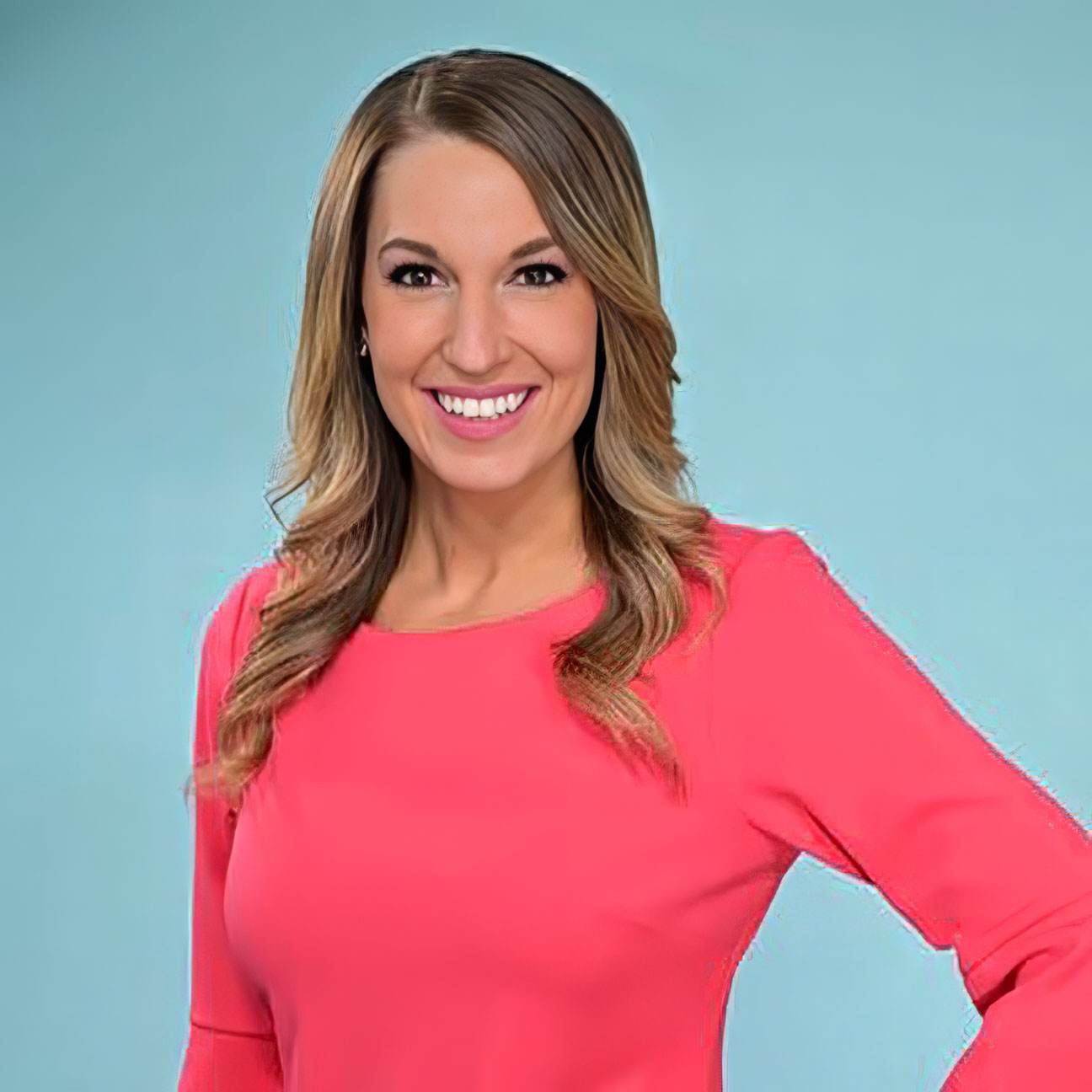
Emily Holwick
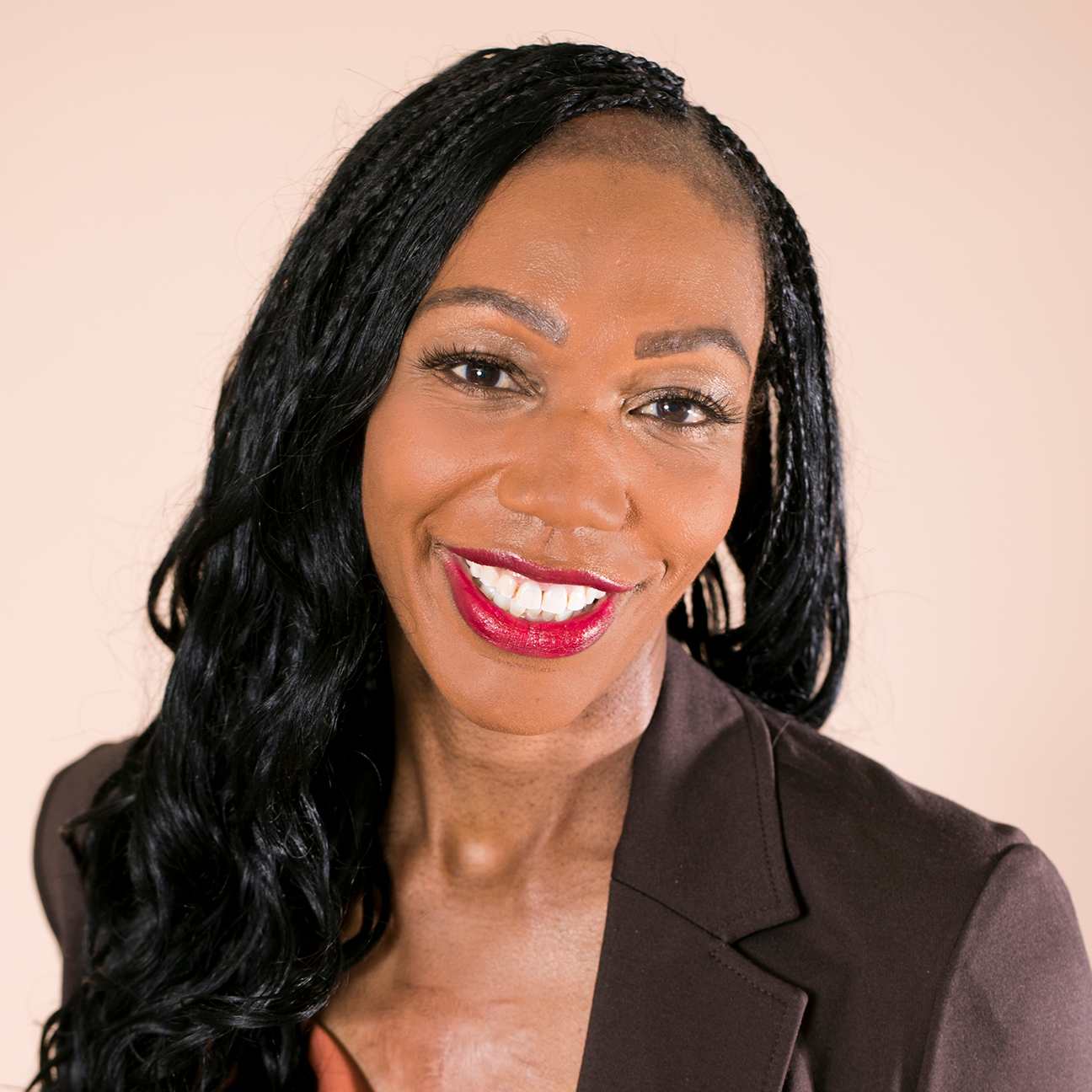
Bayo Curry-Winchell, MD, MS
Transcript
Welcome to Inside Family Medicine, where you hear from leaders and peers in your specialty while learning about new tools and resources. I'm your host, Emily Holwick, a member of Team AAFP. Today, Dr. Bayo Curry-Winchell is joining us to talk about maternal healthcare, how family physicians can ensure equitable access, the importance of consistent care from preconception through pregnancy to the postpartum period, and how her own health scare during birth shaped, how she approaches her patients.
Dr. Bayo is a nationally recognized health advocate who has more than 300,000 followers on social media and has appeared in countless media interviews. She serves as the medical director of Urgent Care clinics at St. Mary's Health Network and the Washoe County Sexual Assault Response Team in Reno, Nevada.
She's also the host of the Beyond Clinical Walls Podcast, and you may know her from her TED Talk, do No Harm, which has over 2 million views and explores the US maternal mortality crisis. Dr. Bayo completed medical school at Ross University School of Medicine and her family medicine residency at the University of Nevada Reno School of Medicines.
Thank you so much for joining us. Thank you, Emily. It is a pleasure to be here.
I always like to start out by asking our guests why you chose family medicine as your specialty. So I like to say family medicine chose me with all of the different specialties out there. When I was in medical school, the opportunity to be able to be a part of people's lives, whether it's a newborn, whether it's a toddler as we age, that continuity spoke to my heart, and I love that I get to be a part of people's lives through every stage.
So I, I say it chose me and it's been the. Best specialty I could have ever asked for.
And I know you had kind of a non-traditional path into medicine. Can you share a little bit about that? I did. So I was a CNA for a couple years, and so I really learned how to work as a team with nursing staff. CNA is just trying to figure out how we could.
Best serve our patients. And from there I decided I wanted to become a pa, so physician assistant. And so I did family medicine as a PA for three years, but I still had this calling and just desire that I felt like I wanted to do more. So I did something very risky. I was like, okay, I'm gonna take extra classes.
I applied, I quit my job and I. I got into medical school and it was the best decision I could have ever made, and it really supported or affirmed that family medicine is for me because as a pa I did family medicine and as a physician I knew, I was like, oh yeah, this is definitely where I need to be. So it's been wonderful.
Well, we're so glad that you took the leap and did it because I'm sure that was scary. I'm sure if you're in a stable job, you have your career and you're like, Nope. I know what I want. Yes. And you went ahead and you did it. So you're a great example in that way. Thank you. It was really risky. I mean, the fact that actually I've never shared this before, so my husband who's an engineer, he had just gotten laid off and I actually got accepted to medical school at the same time, my goodness, on that day.
And so here, there was like a crossroads of, you know, should I just defer my acceptance? Should I not go? Should I just, you know, continue as a pa? And I knew in my heart. That I needed to do this and I wanted to do this, and you know, we, I just did it and I took that leap of faith and we made it happen. We made it work.
Yeah. Wow. That, that is really, really something on the timing. Yes. But thankfully. It was all worth it. It was all worth the risks.
So today we're gonna be focusing on maternal healthcare, which we know family physicians provide at all different levels, whether you deliver babies or not. Can you talk a little bit about how family physicians provide that maternal healthcare from preconception through pregnancy and beyond?
Yes. I mean, whether you are actually doing maternal health or. Ob, you are as a family medicine, you're still a part of that woman's life through all areas. And so whether it's a child or even in the stages as you age, when you are even thinking about getting pregnant or when you become pregnant as a family medicine, we can serve all areas of your health because we always hear.
In order for baby to be healthy, mom has to be healthy. Well, as a family medicine, I can do both. I can help mom and baby be the best version of themselves that have the best health outcome. So as family medicine physicians, we rock it because we get to help both, and that is such a powerful, I think, underutilized resource of a specialty that we bring forward that no other specialty does.
No question about that.
A lot of people are surprised to learn this maybe, but many family physicians may already be aware. The US has the highest rate of maternal mortality of all developed countries, and that statistic really is jarring when you think about all the resources that we have. You, you would say.
What, how, how can that possibly be true? But CDC data also shows that 84% of maternal deaths are preventable, which is, it's sad to think about all the deaths that are preventable, but it gives you a little hope because you say, well, then we can do something to prevent them. So what are some ways that family physicians can help prevent those deaths and reduce maternal mortality?
And, you know, that data point is important that, you know, preventable deaths, and it's still happening in a very industrialized, robust. Forward thinking technology in the United States and still we have this. And when you look across all social economics, it doesn't matter that black women are dying at the highest rate.
And so some of the great resources that can help reduce that are doulas. Midwives. They are a great add to the team because in healthcare it is a team sport. And if you can use those resources that are available to help that mom have her voice shared or be able to maybe. Talk about those things that often we're like, oh, it's not a big deal.
This might be missed, but a doula and the midwife can actually bring that forward. And so they are wonderful. And one resource I really love is Elaine Walton Roth. She has an amazing birth friend justice nonprofit organization that helps bring midwives, doulas to families everywhere and helps bridge that gap that we often see.
How do you think family physicians can also take steps in, in the exam room, whether it's early pregnancy, you know, throughout all the stages to make sure that their patient has what they need and make sure that they're finding, you know, some of these chronic conditions that can arise or make sure that they kind of catch things early before they might become more dangerous for parents.
The biggest thing is leaning into our, I like to call it our secret sauce, our power, which is that we have an intimate relationship with our patient. We are seeing them at all areas, whether when they're sick, whether it's preventative screenings, whether it's mental health, and using that to make sure that if it's maternal health, we can put that in a way that helps.
Reduce the complications that could happen. So we are experts with diabetes, high blood pressure, and we know if we can make sure that that is stabilized or we reduce those high blood pressure possibilities, then we can help mom and baby having, you know, the best outcome. So I would say to every family medicine physician, you are the lifeline to reduce those complications that we know can make a difference in that woman's pregnancy and in that baby's future life.
I know that you experienced your own health scare, very serious health scare during birth, so I wanna talk about that a little bit. I wonder if you can share what happened and, and also how that experience shaped the care that you delivered to your patients. Now I can. So we had, we talked about how black women are dying at the highest rate during childbirth or shortly thereafter.
Well, I was, I had just delivered my second child. I had a C-section. I came out of the OR and I knew. Something wasn't right, and I knew that because I was having a hard time speaking, I was having a hard time concentrating. And for those who know me, I'm high energy and this just wasn't me. So I shared with my nurse, I said, there's something wrong.
And she said, bio, your vital signs look fine, and everything looks okay. So I sat with that Emily for a little bit longer, and it got worse. And so I said something again and she said, you look normal. And as I'm starting to like feel worse and be in pain and not feel like myself, I asked my husband, I said, can you call my doctor?
I was lucky as all of us have this privilege of doctor to doctor relationship. So I had his phone number in my cell phone. So he calls and he says Something's wrong with bio, and immediately. He knew that something was wrong. He believed me when I said I don't feel right. Ended up back in the or. I was bleeding internally.
I had retained products and I was transfused multiple units and I was hospitalized. So I almost lost my life in the hospital that a medical director at that I've walked the halls at. And so I share that story so more people know that it goes beyond access. That we hear the stories of Serena Williams, we hear the stories of Allison Felix, and now you hear my story.
So hopefully by hearing it, you know that statistic is now an image, somebody that you can see that almost nearly lost her life. So. That's part of my passion to highlight my story even though it's hard because I know I can help someone.
I so appreciate you sharing that, and I know it has to be hard to talk about.
Obviously you can see and hear in your voice. It's difficult to go back and relive that, but you're using that for such a powerful purpose now to empower others. I mean, what do you tell patients about advocating for themselves since, since you went through that yourself? Don't give up. Trust your gut.
When you know something's wrong, use your voice. Continue until you're heard. Bring someone in with you. That can be a powerful resource. Having someone in the room, and if you don't have someone to bring in the room, call someone, have somebody on the phone, all of those things are really great ways to make sure that you can advocate for yourself.
But start first with. Trusting you yourself. Trust your gut when you know something's wrong and continue until you find someone that believes you. Yeah. We know the question of access usually comes up, but as you said, even someone like yourself, you worked at that hospital where it happened to you. You mentioned Serena Williams, Allison, Felix.
I mean, what, what do you make of the fact that even people who have some of the, the greatest access in the country, that they still. Almost became part of these devastating statistics. What can we learn from these experiences? We can learn that it goes beyond access. Yes, access can be a part of the problem, but it's also systemic Racism, bias are a part of that issue because studies have shown it goes beyond your financial, your, your status, because in the end, you are a patient and if you are not heard, you are not believed.
Your life. Is in jeopardy. And so for black women who are dying at the highest rate, all of those elements are a part of this issue.
Yeah, absolutely. I wanna talk also about that critical time that comes after birth, the postpartum period, also known as the fourth trimester, because data actually shows the majority of maternal deaths.
Comes one week to one year after. Delivery. So what are some key ways that family physicians can provide that crucial postpartum care? Well, the great part about being a family medicine is we do already have that intimate relationship. So we have likely seen that patient even before they were pregnant.
And so that gives us insights into how our patients overall health statuses and so when after birth and they come back in or we're checking in, we're doing those follow-ups. Sooner. Sometimes in the OB standard checkup, which may be four to six weeks, we have the opportunity to intercept. You know, that complication that may be there where we're on the phone or we see you with a follow-up and you look teary-eyed, there's something else happening.
We might be able to provide a mental health resource, or we notice your blood pressure is high and we know postpartum preeclampsia can be one of those factors that can happen in that fourth trimester. So having a family medicine doctor that can not only. Identify those complications like diabetes, high blood pressure or mental health that are common in that fourth trimester that can make a difference between life and death for mom and baby.
We are that, that, that go-to, that can help. Bridge that gap. Yeah. That relationship is so key and integral to family medicine, and I know that we talk about that all the time on the podcast, but I'm just thinking that also as, as a mom, you have a new baby, you have that established relationship, you're maybe more likely to reach out and ask if you have a question because you know that doctor and you feel a little more comfortable with them.
And so I would imagine that that can, that can help. Those conversations and help catch those things early too. It's huge. You know, it makes me think of, so I saw a patient a year ago, I'll just call her Sarah, and she came in and this was actually during an urgent care shift. 'cause I also do, I do family medicine and urgent care.
So she came in and she was a brand new mom and she had just given birth 10 days and she came in for a complaint of a headache. And so she comes in. And she was like, yeah, you know, I just, I feel even silly being here because it's probably because of lack of sleep, because, you know, trying to be up every two to three hours.
And so I noticed that the, her blood pressure was high. It was like one 60 over 90, and I'm like, oh, that's really high. Yes, you're in pain. But that could be, but what else is happening? So as I'm looking at her, I notice that her hands are swollen. I'm like. I just have a couple more questions. Have you noticed any changes in your vision?
Like in the back of my mind, I'm thinking, could we have preeclampsia because it can happen after birth? And so she was like, yeah, my vision's a little fuzzy, but I think it's just because I'm not sleeping. And I was like, are you having any stomach pain? She's like, well, it's just gas. This is, I'm, I'm assuming this is after birth.
And I was like, in my mind, I'm like, check, check, check. This could be preeclampsia. And so I shared with her, I was like. I'm really concerned that this could be postpartum preeclampsia, and I need you to go to the er. So I called the er, I shared my thoughts and it was, so, I share that story because my training as a family medicine physician helps identify that because I know what to look for in all of those areas.
And I, I'm just gonna say it, that that training that family medicine gives us. That helps not only that mom, but it helps that family dynamic because I was able to intercept something that could have had a lot of complications, could have had a death, any of those things. And so we are just so unique that we get to do that.
But that's a, you know, a story of how as a family medicine train, that training helped.
What a powerful example and another example of the importance of that postpartum care. Yes. Because there are so many things that can go wrong in that time, and at that time, just as someone who has had a baby and then I'm pregnant, now I'm about to go through it again, but I know that you, you don't put yourself first.
It's all about the baby. Yes. And so it's, it's great family doctors. Need to continue to just tell the patients, tell, tell the mom that you need to put yourself first and you need to pay attention to your symptoms. Absolutely. And go in and ask questions when you have them. Right. And we are that first line because mm-hmm.
We are gonna be the ones where you will come in with a different symptoms. So you'll feel comfortable saying, I had a headache, or My arm hurts, or this, versus you may not go to your OB and say, I have a headache, you'll come to us. And so that's the opportunity to identify what could be going on. And there's already that trust, that intimacy that helps us identify things even sooner.
Yeah. So I wanna ask you about clinicians who Care. Because this is something new that you have developed, and this is also about patient advocacy and believing patients. It is. And so I always like to start with everybody either themselves or someone they know has been dismissed or gaslit when they've seen their doctor.
And so I recently shared my personal story of how I was gaslit, even as a medical student and what I was told all my symptoms were in my head. And eventually I got the diagnosis of lupus. Well, when I shared that online, the stories that came from that were amazing. And in those stories people were sharing.
I found the name of a doctor who believed me. It took 42 years for me to get a diagnosis. And finally there was one name. So all of a sudden this community was starting to build and I thought, oh my gosh, if they're sharing these names, what can I do to bring forward? To connect patients with these doctors because we know there's great doctors out there, but it can be hard to find them.
So we created Clinicians Who Care. It's a free patient recommended list that connects patients with doctors, and the criteria is. They believe them. So they'll put the city, the state, and the country, and then they'll write down why that doctor made a difference. And it celebrates its positive reviews about doctors and it helps bridge that gap because if you can step into the office of a doctor who has been shown to listen care and believe that is a way to reduce.
Those gaps of dismissal and gaslighting. So we are live three weeks ago. We have 1500 names. It's worldwide because people are like, I want to add names outside the country. So we are in Canada, Europe, Australia, Germany, and it's growing each theme. Is a lifeline for somebody who is trying to find a doctor to listen and care and believe them.
And I'm just so proud. Yeah. That's amazing. What an incredible resource for patients and incredible that you have taken the time to do this and put this together on top of your, all of your other jobs and being a mom and everything you're doing, we know be It's because family physicians are good at wearing many hats and doing, doing it all.
Doing all. Look at, yes we are. Yes. Been such a joy to bring this forward and a free resource that can make a difference. So when it comes to advocacy, it's all about what can you do? And for me, that's how I've always lived my life and I've got two little girls and I hope, and I'm trying to instill in them, it's all about what you can do.
There's a lot of negativity out here in the world. There's a lot of things that are broken in our healthcare system, but if we can just focus on. One thing that we can do, my goodness, that is the way to really help have effective change. What a great and important message. Thank you. Thank you. And to our listeners, if you'd like to learn more about maternal healthcare, including the fourth trimester, we have links in the show notes to clinical guidance CME and much more.
And if you enjoyed today's episode, let us know by dropping a line to aafpnews@aafp.org. Be sure to share the episode with your followers on social media and tag the AAFP.
Resources
Featuring Dr. Bayo Curry-Winchell, MD, MS
Doctor Bayo
Beyond Clinical Walls
Do No Harm
Disclaimer
Copyright 2026. AAFP. The views presented in this broadcast are the speakers own and do not represent those of AAFP. The information presented is for general, educational or entertainment purposes and should not be considered legal, health, financial or other advice. AAFP makes no representation as to the accuracy or completeness of the information and is not responsible for results that may arise from its use. Consult an appropriate professional concerning your specific situation and respective governing bodies for applicable laws. Reference to any specific product or entity does not constitute an endorsement or recommendation by AAFP unless specifically stated otherwise. AAFP and the AAFP logo are registered trademarks of American Academy of Family Physicians.