
Empowering patient research: Inside FamilyDoctor.org
Show notes
Dr. Alex McDonald and Dr. Alexa Mieses Malchuk discuss how family physicians can effectively engage with patients who conduct their own research before appointments.
Dr. McDonald and Dr. Mieses Malchuk share their insights on how family medicine has shaped their careers, the importance of building relationships with patients, and strategies for addressing misinformation.
The conversation also highlights the American Academy of Family Physicians’ patient-facing website, familydoctor.org, and new features and improvements of familydoctor.org that better serve both physicians and patients with credible health information.
Episode hosts
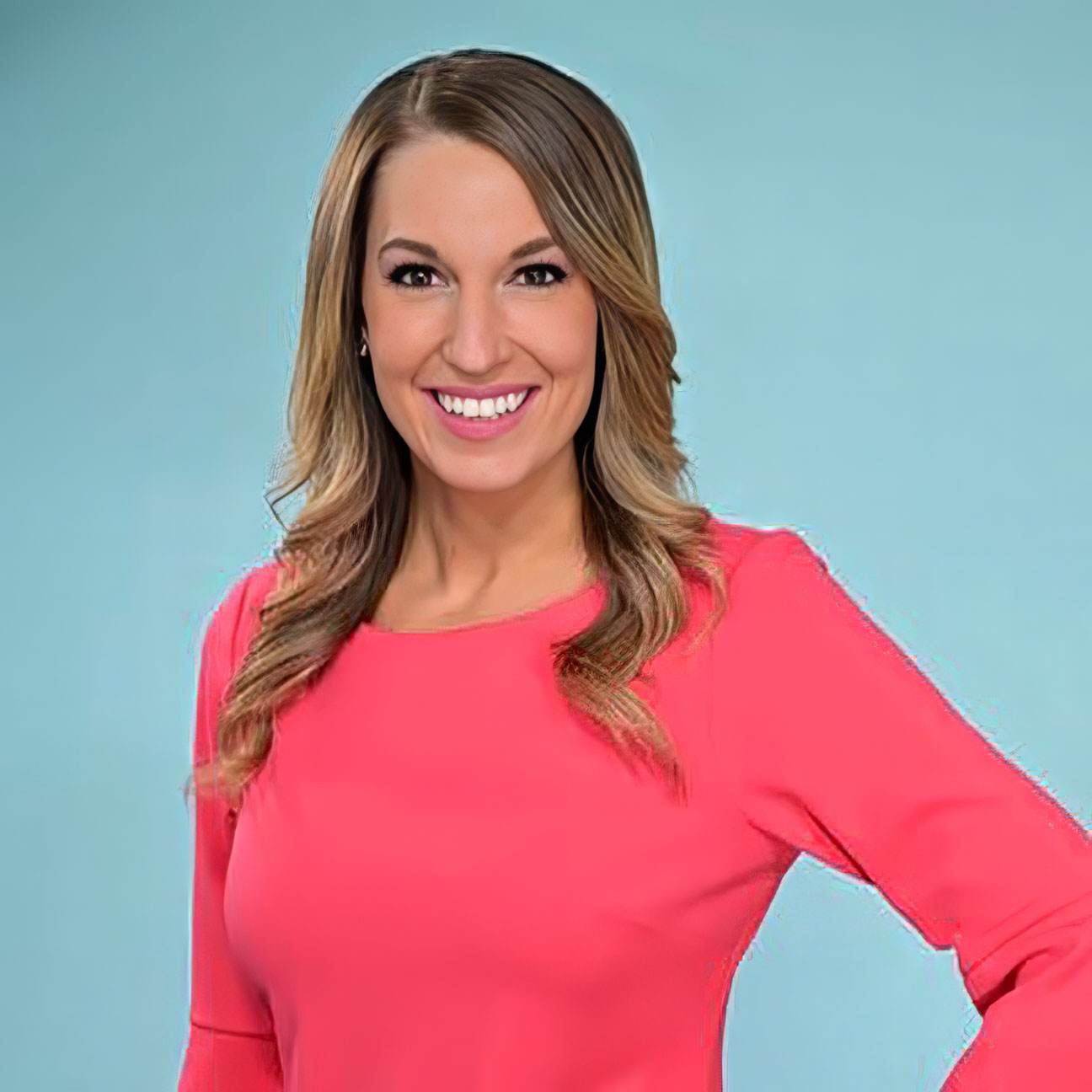
Emily Holwick
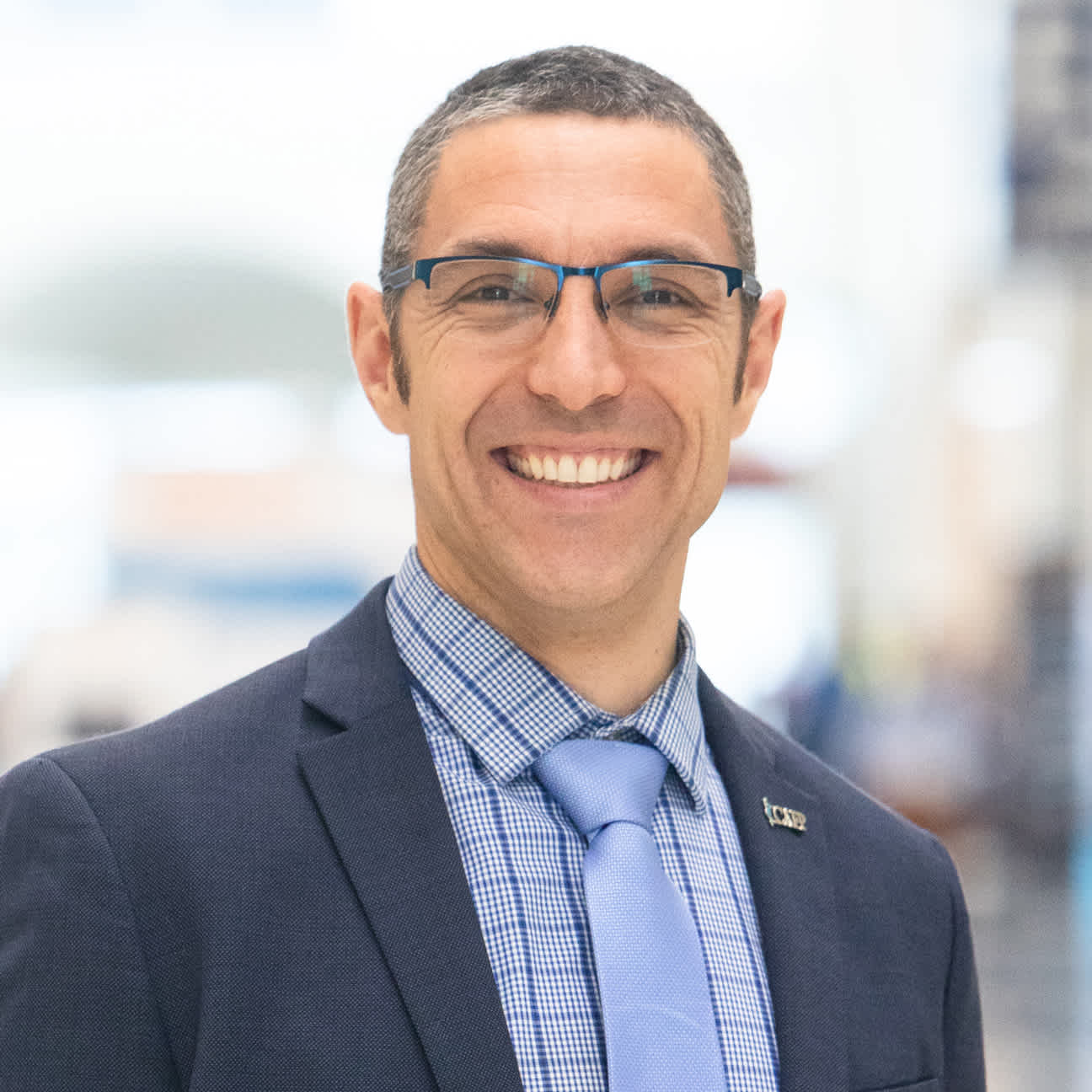
Alex McDonald, MD, FAAFP
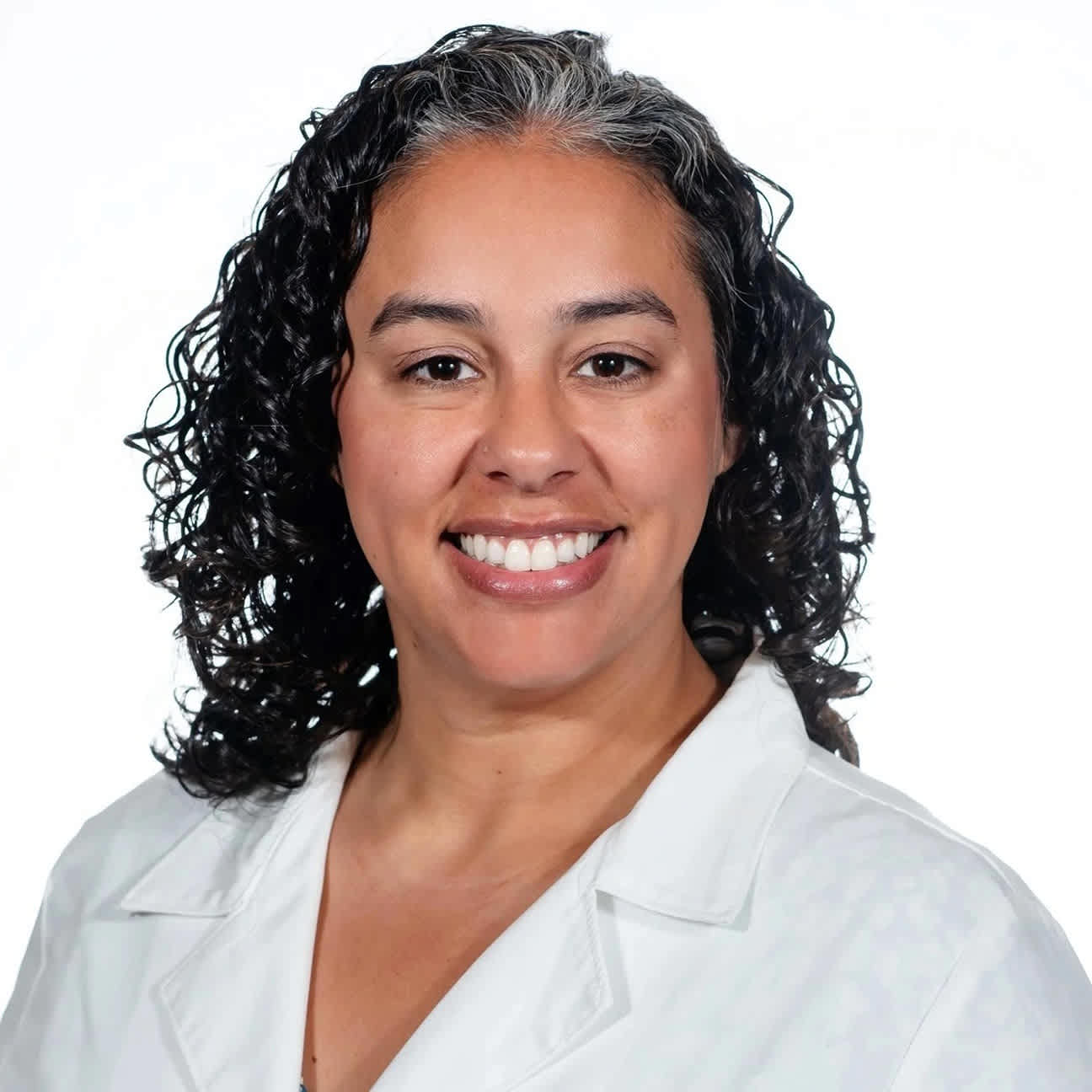
Alexa Mieses Malchuk, MD, FAAFP
Transcript
Emily Holwick: Welcome to Inside Family Medicine, where you hear from leaders and peers in your specialty while learning about new tools and resources. I'm your host, Emily Holwick, a member of Team AAFP. Today we're joined by Dr. Alex McDonald and Dr. Alexa Mees mouth check to talk about the AFP's patient-facing website, FamilyDoctor.org, and how family physicians can engage with patients who do their own research before their appointments.
Dr. McDonald is a member of S-C-P-M-G in Fontana, California. He's Associate Program Director of the Family Medicine Residency and Care faculty for the Sports Medicine Fellowship. He teaches at Kaiser Permanente School of Medicine and serves on multiple medical boards elected to the Claremont Unified School District Board.
He champions education as a foundation for health and is also team physician for CSU San Bernardino. Dr. S Machu is a board certified family physician and assistant professor of family medicine at Geisinger College of Health Sciences, and cares for a diverse patient population in central Pennsylvania.
In addition to providing clinical care, she's an educator, writer, and medical content expert. Dr. Mia Alek is an advocate who believes in a multi-pronged approach to achieving health equity. Her clinical interests include chronic illness, L-G-B-T-Q Health, Latino Health, women's Health, pediatrics and Procedural Medicine, and both of our guests are also media ambassadors for the AAFP.
So thank you both so much for joining us.
Dr. Alexa Mieses Malchuk: Thank you. Thanks for having us.
Dr. Alex Mcdonald: I'm excited to be here.
Emily Holwick: I always like to start out by asking our guests why they chose family medicine as their specialty. I'll start with you, Dr. McDonald.
Dr. Alex Mcdonald: I like to say that family medicine chose me. I was actually gonna be a pediatrician for most of medical school and every specialty I went to.
I wanted to do that. That was gonna every, sorry, every clinical rotation. I wanted to be that. I wanted to be a cardiologist. I wanted to be a surgeon. I wanted to be an OB GYN, and when I got to family medicine. I was like, I can do all of these things and take care of the whole patient. I found myself wanting to have a, a wide breadth of practice and options for the future, and family medicine was just a amazing, when I found it, it was just a natural fit.
Emily Holwick: And Dr. Mache as, as I was reading through your bio, it said your clinical interests are so many and that's why family medicine probably called to you as well.
Dr. Alexa Mieses Malchuk: Yeah. I love. Talking about this, like I love even when students ask me this question, because I think there are a lot of students who feel like, you know, med students, you have to know exactly what you wanna do or.
Quite frankly, people get to med school and know exactly what they want to do. So I had thought maybe pediatrics, maybe psychiatry. I was always really interested in advocacy and public health and really wanted to have influence beyond just the confines of an examination room. So I kind of had this idea that I conjured up in my head of what it meant to be an effective physician in my community.
And it wasn't until I started medical school that I met phenomenal mentors and family medicine. I didn't even know family medicine existed. And I didn't know. I mean, I hate to say it, we gotta do better, right? Let's make sure everybody knows. But it was wonderful that I was linked to those mentors because I was like, aha, this is exactly what I had envisioned for myself as a career in medicine.
And family medicine has allowed me to take care of patients of all ages, engage in advocacy and education, and also be a public health.
Emily Holwick: Well, we're so glad that both of you found family medicine and you're clearly where you are meant to be and it's so fun. That's one of the things I love. We're recording this at FMX and I just love feeling all the energy at FMX and everyone who's so excited about family medicine and I hear from so many members, it really reinvigorates them to just be around other people who share that passion.
So thank you for sharing yours too. Today we're focusing on how family physicians engage with their patients who do their own research ahead of their appointments. Dr. Mia check, how often would you say that patients actually bring in research to their appointments?
Dr. Alexa Mieses Malchuk: I think it's a good question because there's a difference between how many, tell me they do their own research and how many actually do their own research.
Sure. I would say virtually all of them. Right? I mean, I'm guilty of it too. I'm a mom of two kids and even as a doctor sometimes I'm like, Ooh, what are the things I need to be worried about? 'cause I take my doctor hat off and I have my mom hat on and you know, I as a doctor have access to some other.
Tools and websites and things that the lay public may not know about, but just the fact that that is also sometimes my first instinct to wanna go look something up. So I think all patients are are doing that. Yeah, and I do have many that, that sometimes sheepishly will say, oh, you know, I looked this up on chat TPT or whatever before coming in.
And I mean, I welcome that. I think that's a really good springboard.
Emily Holwick: Yeah. Dr. McDonald, do you see it a lot or hear it a lot from patients that they're doing their own research?
Dr. Alex Mcdonald: I, I do and I always, I don't like the using the term research because unless you have an IRB, you're not doing research. You're just looking stuff up online.
And so I always like, I always sort of make a bit of a tongue and joke about that. I'm like, well, hang on. We're not doing research. We're just looking things up. Right. So first of all, I always sort of start with a joke to diffuse some of that tension. 'cause often when patients come with their own agenda, they're sort of ready to.
Advocate for what they think they need. So I always try to diffuse attention with a little bit of humor, and then I, I welcome it. I'm like, this is great. I want you to be engaged in your health. I want you to make knowledge informed decisions. However, a lot of the problem is that there's a lot of bad information out there, and I always tell my patients, I want you to make the best health decisions for you and your family, but I want you to make those decisions based on good information.
And there's a lot of bad information out there. So if you. Read something, see something, don't know what to do, come talk to me, send me a message. I want to have those conversations with you so we can help you determine if this is a good information, which is worthy of, of your health, and the health of your family.
Emily Holwick: So knowing that many patients are looking at those resources like Google, Reddit, chat, GPT, there's so much out there, even on TikTok. Maybe some of the younger patients are looking on TikTok and getting medical advice there. If they're looking at these sources, how do you prepare for that conversation knowing that that's where maybe they're getting some of this information?
Dr. Alex Mcdonald: Well, first of all, I, I have smud, which is called Social Media Use Disorder, and so I'm on social media myself and I'm looking at what's going on there, and I'm trying to stay up to date on the. Just like my, my father-in-law who's a retired pediatrician, would always know like what the latest cartoons were so he could kind of relate to his kids.
I try to, to stay abreast of what the LA latest social media trends are so I can be informed and know what people are seeing and, and be ready to sort of have a conversation about some of that information, which is not always accurate. But if I hear something new, I'll ask questions. Oh, tell me. Tell me more about that.
Where did you learn that from? How does that fit with your health and your needs? There's never a one size fits all, and I want my patients informed, but I also want to know what they're coming in with as well.
Emily Holwick: And
how about for you, Dr. Meek? How do you kind of prepare for those conversations ahead of time?
Dr. Alexa Mieses Malchuk: Honestly, I think the greatest thing I do to kind of prepare for those conversations is build the relationship with my patient. I mean, I'm on social media, but I look at it a little bit differently where there's just too much out there. There's no way I could ever stay on top of all of it. So there's actually a lot that I learned from my patients, like.
I've heard about dangerous trends, weird trends, new trends from my patients and what, what they're consuming both on social media but also in mainstream media. And so I think building that relationship ahead of time and having that foundation and, and really being a trusted source to my patient is the best preparation that there is.
Dr. Alex Mcdonald: I, I think the other thing, if I may, may jump in there, there are actually groups and organizations who are sort of monitoring these trends and compiling them into sort of groups or lists for easier digestion. Not to name any groups or organizations, but I get a, I get sort of a weekly email with some sort of social media trends, which are going on in different parts of the country, which I find helpful as well.
Emily Holwick: Yeah, that's a good point too. Yeah, good tip. I'm curious if there are certain conditions or concerns that you find are most commonly. Researched or looked up by patients more than others that you hear maybe more frequently? Dr. McDonald,
Dr. Alex Mcdonald: you know, not really. 'cause there's, every patient comes in with, you know, at [00:08:00] least three or four things.
It really depends on the individual and so I, I couldn't say that there's one sort of, in particular, I think recently menopause has been gaining a lot of traction, so I think I've been hearing a lot, lots, you know, women in their thirties and forties who come in talking more about menopause and things.
They've learned about that, but there are not. There's no major trends that I can really find personally.
Emily Holwick: Are there, is there anything that jumps out to you?
Dr. Alexa Mieses Malchuk: Yeah, I mean, I just wanna piggyback on some of the. Sources that you mentioned right earlier. 'cause they're all very different. Like I have found, patients have found some good support actually on Reddit.
So like as an example, I have patients who are on GLP ones and they're reading about other people's experiences with side effects and things, and. To me that's a very different type of like lookup or research than going to chat GPT and putting in your symptoms and trying to come up with a diagnosis. So I've found that like patients can find support, particularly for perhaps more rare chronic diseases as well.
Like I have a lot of patients with ERs, down lows. I have a lot of transgender patients who might be talking about whether or not progesterone is right for them. So in some ways, like it, it's nice if they can find support in that way. So I, I just wanted to differentiate like. The different places that people can get information from and, and the different things that they're seeking from each of those sources.
Emily Holwick: There certainly can be a lot of good out there when you talk about that support, feeling that connection, not feeling so alone, especially when you're dealing with something that might be kind of scary, you know? Mm-hmm. A condition that you're dealing with. So I, I'm glad that you brought that up too.
Dr. Alex Mcdonald: And also we are not experts on everything.
We can't know everything. And so if a patient comes in and they say, Hey, I think I'm having this side effect from this medication because of this, we can then delve into that deeper. And I, I learn from my patients all the time because there's no way that I can know everything as a family physician and I'm constantly learning.
And that's one of the best things about my job. So I, I often will use that information, whichever the patient is found as a spring ward to, to learn more and sort of delve into that patient's specific condition. And more specifically,
Emily Holwick: yeah. So we know patients can often feel anxious, overwhelmed. They can unfortunately be misinformed just because so much information is coming at them from so many different sources, good and bad.
So how do you help your patients kind of deal with these emotions when they're trying to sort through all of this information that's coming at them?
Dr. Alex Mcdonald: I heard a great, great quote the other day, and I, I can't remember who it is. It's not, not from me. I'm not the smart. We are drowning in information, but lacking in knowledge.
And I think that sums up our moment in time perfectly, where we literally have a computer at our fingertips where we can access almost anything in the world, but we don't necessarily have the context or the expertise to put that within a, within a framework. And that's our job as physicians to really help patients do that work.
Often they're anxious, they're overwhelmed, they're frustrated. One of the things I think we do really well as family physicians is we get to the kind of the root. Cause of the problem. Often they're being, maybe they've been seen in urgent care or an er or they're in this in the hospital and everyone's just kind of throwing bandaids on the problem.
But we get to the root cause of it and we know the patient over time. We have that comprehensive, continuous longitudinal relationship and that is so incredibly helpful. So we were able to jump to two or three steps ahead than if they're just meeting somebody for the first time and really delve deep to the, to the root cause of their issues.
I, I see lots of. Frustration and anxiety and, and validating that, validating that our medical system is not the easiest to navigate in many cases, really helps patients feel at ease and we can kind of get to that root cause.
Emily Holwick: Yeah. Dr. Mes Nara, how do you help patients just sort through all of this information and, and deal with that sense of overwhelm?
Dr. Alexa Mieses Malchuk: I think a lot of it is about reframing, kind of similar to what my colleague here Dr. McDonald is saying is. We're really lucky in that we build a relationship with our patients over time. So I'll give you an example. I had a pediatric patient, a young boy who kept getting strep throat, and this poor kid was scheduled to have his tonsils taken out multiple times, but kept getting sick.
And interestingly, he was put on prophylactic antibiotics ahead of time, and so the mom is scratching her head going, but he is on antibiotics. Why does he keep getting strep throat? Well, it wasn't strep throat. He just has these big juicy tonsils that like to harbor pathogens. And so in addition to the strep throat he was getting, he was also getting viruses, right?
So mom admittedly was very upset, very worried. Had looked up online and kind of talked to me about what she had found and said, surely he has some sort of immune disorder. We're missing something. Does he have Lyme disease? I mean, really all the things. And I had to ground her in that moment and kind of share with her what I know.
And then honestly, it took a little bit of a leap of faith on her part too, to trust that what I was saying was true. He had his tonsils taken out and he's fine. Right? So again, that was that opportunity to kind of build that trust. And at first it feels a little uncomfortable, but when I feel good about the information I'm presenting, 'cause I know it's evidence-based and it's, it's what I do.
Right. And then mom feels good about the way things turned out. I mean, again, I think it goes back to that, that relationship.
Emily Holwick: What are some key strategies that work well for you when you're talking with a patient about their own research? You kind of shared some of that with that example, but just some strategies that other family physicians can use.
Dr. Alexa Mieses Malchuk: I always ask where they're getting their information from. I think social media could be a fine springboard, right? That maybe there is something that's trending and that's great if you wanna learn more about it. Like let me show you some of the resources that might be helpful, like things that you can explore and, and rely on, like explore in your own time and know that you're getting reliable information.
So I think that's really important, is helping them find reliable resources. Even if something that we know is not really evidence-based is the springboard, that's fine. That's the start of the conversation, not the end of it.
Emily Holwick: Yeah.
Are there some questions that you can ask the patients kind of about where they're getting that information just to help really figure out where it's coming from and, and help them figure out how to tell credible from misinformation?
Dr. Alexa Mieses Malchuk: Yeah, I mean, I think. Asking a patient how they spend their time and, and how they like to get information, period. Like any sort of information, because we even see generational differences in like who spends more time on Facebook versus Instagram versus TikTok and Snapchat. I mean, there's just so many social media platforms, but then there's also podcast hosts.
There are influencers in all the different spaces that they occupy, so it's kind of nice to know. Who they follow, right? Mm-hmm. Whether literally or figuratively, and not to necessarily dispel everything that that person may be saying or doing, but figure out a way to supplement what they're seeing with some facts.
Dr. Alex Mcdonald: You really gotta watch out for those podcast hosts, by the way.
Emily Holwick: I know. Can we be trusted?
Some of us,
Dr. Alex Mcdonald: sorry,
Emily Holwick: this one we like to think so. This is a great source of information. Yeah. Yep. So the AAFP does have a variety of resources to support patient conversations, and that includes a newly reimagined resource on our patient education site, familydoctor.org, which many members are familiar with.
But if not, it has information on. So many different conditions. Everything from what immunizations your child needs at what stage to mental health help. Just information for patients of all different ages and all different conditions. So not only can family physicians, direct patients to that website so that they can learn more, but they can also help shape the content by serving as a medical review or advisor for the content.
We love to have our members interested and involved in that process too. So Dr. McDonald, can you briefly take us through some of the changes to the site that we're gonna be introducing and just how that site in general can help family physicians and their patients?
Dr. Alex Mcdonald: Absolutely. I send patients to FamilyDoctor.org all the time.
It's a great resource. It's very patient centered and, and user friendly. Some of the new updates are, are great. I, I saw a beta T mode the other day, and it's very, very clean. It's very user friendly. It's very sort of intuitive. It's mobile friendly. It's not, you don't, you know, sometimes the, it looks great on the computer, but then when you go to your mobile phone or your iPad device, it doesn't work as well.
The, the searches can be personalized based on the prior searches. So if a patient has been there before searching for a certain condition, it will pop up higher on the list or other associated conditions. And so it has a lot of functionality tailored to the user itself. It's more organized, there's, there's different hubs for nutrition and mental health.
There's a lot of just overall health tips with sort of timely and trending information with kind of what's going on in the world. And then lastly, there's a great section about question to ask your doctor. You can do a symptom checker. To look at many common conditions, and then it has print out a list so patients can be more prepared to engage with their doctor in a more effective and efficient use of time with a, a list of questions.
It, it's just, I, I, I'm really excited just to be able to share this resource with my patients and it's been great before. It's gonna be even better now.
Emily Holwick: Yeah. How do you help patients navigate all these different online resources and what are key things that you tell your patients to look for in a credible source?
Dr. Alex Mcdonald: I tell patients to look something that has a longer history, right? If it was just established last year, maybe it's not the most credible resource. I encourage patients to look for larger institutions, which I have a history and a track record of providing rocket information. And then if there are looking at chat, GBT or AI or other, other AI tools to look at, look for information.
Look at what if their references and if those references have actual a citation number of a, of a research and they can even click on that and see if it goes anywhere. Sometimes it just doesn't go anywhere and it says, oh, sorry, I just made that up. So those are a couple of the key pieces. But I always tell patients, you know, if you're, if you're looking for information, make sure it's from a credible source.
And if you're not sure, ask me. I'd be happy to look at it with you or, or even through email. So I'm able to kind of reach my patients if, even if they're not in the exam room that day.
Emily Holwick: Yeah, you are certainly resources for your patients, and that's one of the great things, as you both said about family medicine, just having those relationships, the trusted relationships, and that leads to important conversations like we've talked about.
Well, you both shared so much amazing information today. I know our listeners will be inspired and hopefully they got some tips and tricks about how they can have these conversations with patients. So I wonder if before we go, you can each just share one or two main things that you really hope our listeners take away from this conversation.
Dr. MiSiS Machu.
Dr. Alexa Mieses Malchuk: Yeah, I think we're at a pivotal time in medicine where what we're starting to see is a little bit more transactional rather than relational interactions between patient and doctor. So, you know, I've, I've been in situations where it has felt a little bit more transactional, and you have a patient who comes in and says, this is what I think I have, this is what I want.
That's tough. I mean, that's really hard. So, not to harp on the point about. Building a long-term relationship and becoming a trusted source, but that is absolutely what's needed. So to all the family doctors who are listening. Keep at it, be that trusted voice, even when things are hard, even when we're fighting, you know, all this misinformation and there's a lot of confusing information, right, that our patients are being faced with.
Like, do your best to continue to be that voice because just like that patient I shared earlier, even if in the beginning it feels a little uncomfortable and you know, the mom has to take a leap of faith in order to trust you. Once she starts to see that she can trust you, it will just reinforce more positive interactions.
So yeah, that would be the one thing.
Emily Holwick: Yeah. That's great. Dr. McDonald.
Dr. Alex Mcdonald: With the shift, again, with the overload of information and, and the shift towards consumerism and medicine, I think it's important that we engage with our patients and partner with our patients, and that can take more time and that can take more energy and that can be a little more frustrating sometimes.
However, again, you, you have to do what you think is best for the patient and you engage them in a, in a civil discourse, and sometimes you can't do that. But you always practice ethical evidence-based medicine to the best of your ability, and you try to partner with the patient. You explain with your patient when there's challenges, you know, there's been times where I've been yelled to my face and patient stormed outta the room when they wanted antibiotics for what was a clearly a UTI, excuse me, A-A-U-R-I, excuse me, upper respiratory tract infection.
And there was one time in my career where I prescribed antibiotics when I didn't think it was medically needed. And I couldn't sleep that night because it's what the patient wanted. They left happy. It was the easy thing to do, but it wasn't the right thing to do. And so I encourage family physicians everywhere to stick to what they know is good, high quality, evidence-based, ethical medicine.
Share resources with your patient, collaborate with your patient, and, and eventually we will all be able to make our communities healthier.
Emily Holwick: Thank you both so much for being with us and for sharing such great insight and expertise and how other family physicians can have these conversations with their patients and help them sort through all of the noise, all of the information that's out there, separate fact from fiction and know where to find credible resources.
So thank you. Oh,
Dr. Alexa Mieses Malchuk: thank you.
Dr. Alex Mcdonald: Thank you so much.
Emily Holwick: To our listeners, if you'd like to learn more about FamilyDoctor.org and how to engage with your patients, we have links in the show notes. If you enjoyed today's episode, let us know by dropping a line to AAFPNews@AAFP.org. Be sure to share the episode with your followers on social media and tag the AAFP.
Resources
Disclaimer
Copyright 2026. AAFP. The views presented in this broadcast are the speakers own and do not represent those of AAFP. The information presented is for general, educational or entertainment purposes and should not be considered legal, health, financial or other advice. AAFP makes no representation as to the accuracy or completeness of the information and is not responsible for results that may arise from its use. Consult an appropriate professional concerning your specific situation and respective governing bodies for applicable laws. Reference to any specific product or entity does not constitute an endorsement or recommendation by AAFP unless specifically stated otherwise. AAFP and the AAFP logo are registered trademarks of American Academy of Family Physicians.