
Exploring leadership development: An insight into AAFP Foundation’s Emerging Leader Institute
Show notes
Dr. Jason Marker and Dr. Mackenzie Bredbenner talk about the AAFP Foundation’s Emerging Leader Institute (ELI).
Dr. Marker, a prominent leader in family medicine, discusses the inception and structure of the ELI program, designed to foster leadership skills in medical students and residents. Dr. Bredbenner shares her personal journey and growth through the ELI, emphasizing how the program’s support and structured guidance enabled her to successfully lead a project addressing the needs of the unhoused population in Dover, Delaware.
Both guests highlight the program’s impact on developing future leaders in family medicine and the importance of mentorship in the process.
Episode hosts
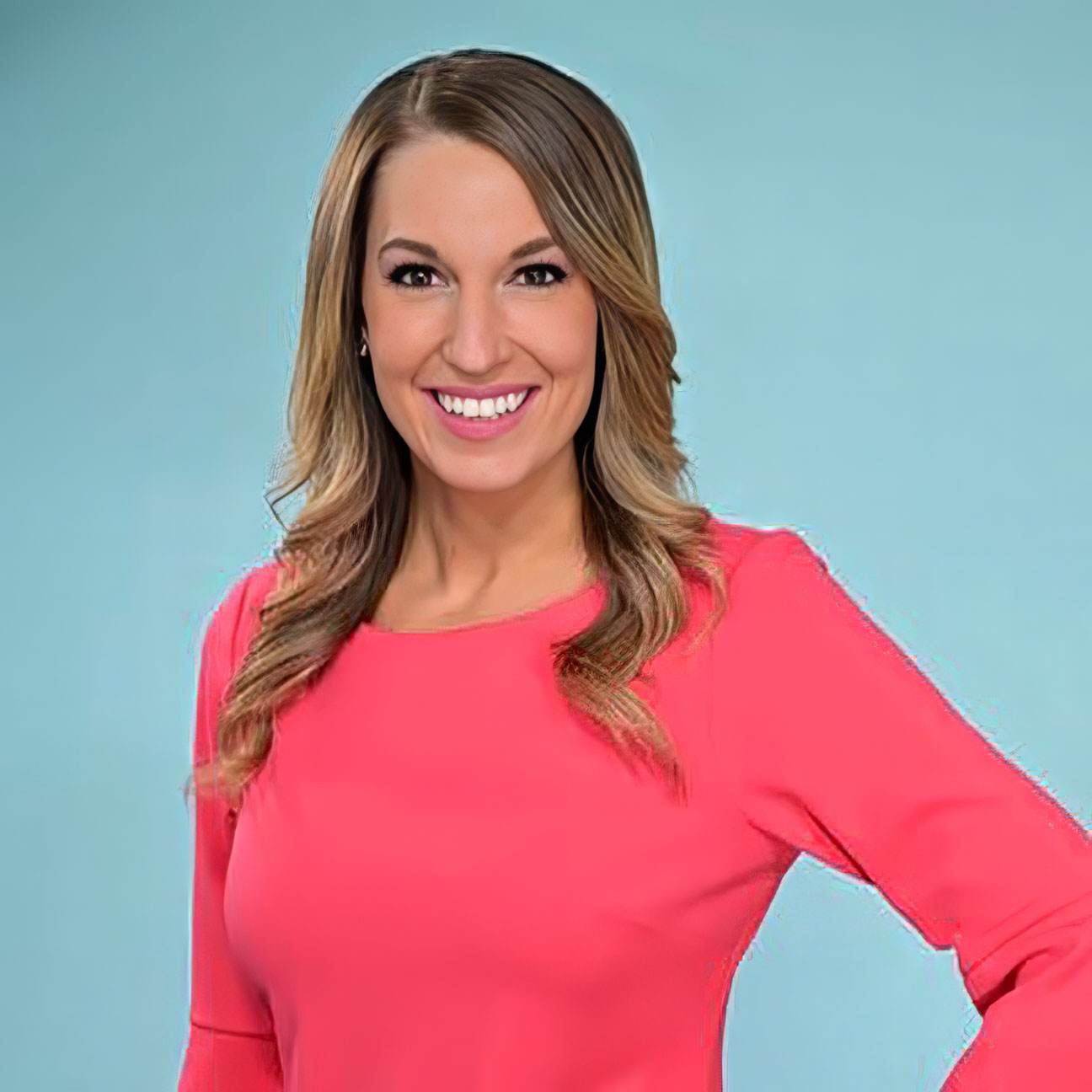
Emily Holwick
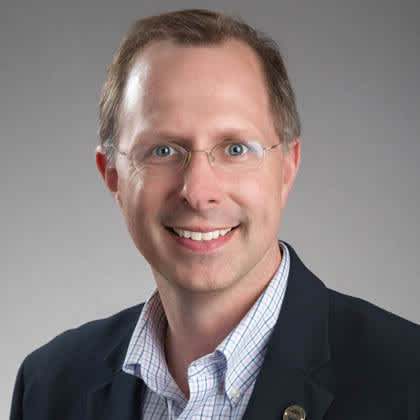
Jason Marker, MD, FAAFP
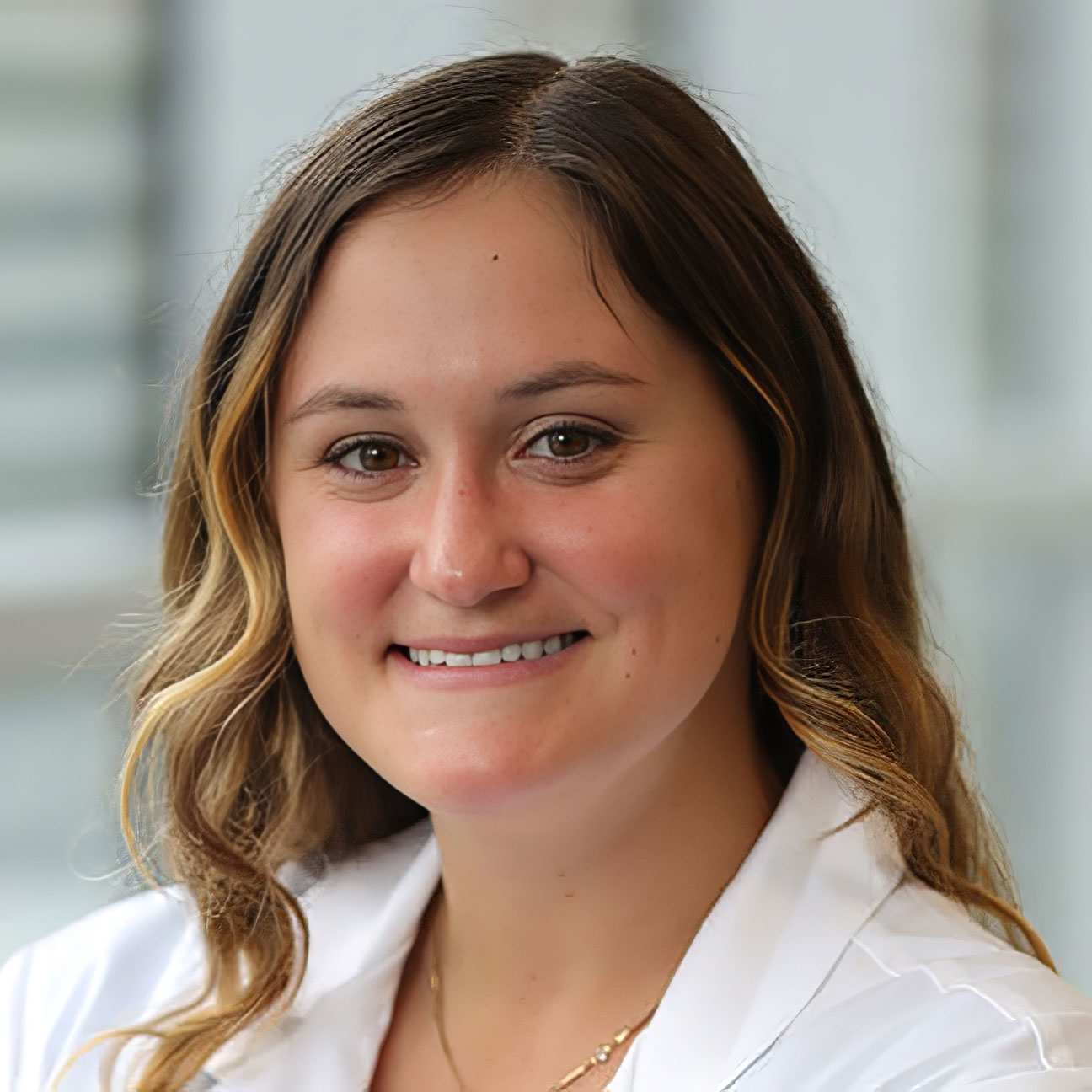
Mackenzie Bredbenner, MD
Transcript
Emily Holwick: Welcome to Inside Family Medicine, where you hear from leaders and peers in your specialty while learning about new tools and resources. I'm your host, Emily Wick, a member of Team AAFP. Today we're joined by Dr. Jason Marker and Dr. Mackenzie Breader to talk about the AAFP Foundation's Emerging Leader Institute.
Dr. Marker is an associate director and clinic medical director at the Memorial Hospital Family Medicine Residency Program in South Bend, Indiana. He's also a past president of the AAFP Foundation and was instrumental in the development and launch of the Emerging Leader Institute or ELI. He served as its lead consultant and current lead faculty.
Dr. Marker is also the general program chair of the A AFP's Leading Physician Wellbeing Certificate Program, which was developed from many of the best practices of the ELI. And he is one of the three co-hosts of the A AFP's Successful Inside Family Medicine, CME on the Go podcast. And Dr. Brad Benner is a third year family medicine resident and chief resident at Bay Health Family Medicine residency in Dover, Delaware.
She was a 2024 ELI scholar participating in Track three philanthropic and mission-driven leadership. Her project, the Bay Health Street Medicine Initiative was recognized as one of nine family medicine leads, emerging Leader Institute 2024 Leadership project, award recipients, and earned the best leadership project award within her track.
So thank you both so much for joining us. I'm excited to talk today.
Jason Marker: Thank you.
Dr. Mackenzie Bredbenner: Thank you for having us.
Emily Holwick: I always love to start out by asking our guests why you chose family medicine as your specialty, and I'll start with you.
Dr. Mackenzie Bredbenner: Oh, I think like most people in family medicine, I liked a little bit of everything and that was hard to narrow down.
And so I had a feeling family medicine was gonna be my specialty from the beginning. I grew up watching shows where like there was a, a small town doctor and they took care of the, the entire family, the siblings from birth to death. And that really, that had note with me, that feels special. Being able to like build that trust with your patients.
I think that is. A beautiful aspect of medicine. So that's what I, I wanted to do when [00:02:00] I started family medicine. Yes. A little bit of everything. Yeah. You really do get to do all of it.
Emily Holwick: Dr. Margaret, why did you choose family medicine?
Jason Marker: Well, I need to start with a little bit of confession. I've, I've listened to every episode of Inside Family Medicine Dreaming of the Day when you could ask me that question.
Emily Holwick: Oh, we love to, I've love to hear.
Jason Marker: Because I've heard so many great responses from my peers in our field, and, and I would say that my, my story is not a lot different than many others who have been in this broadcast booth with you to say that for me, growing up in a rural community in northern Indiana.
Family medicine was the only model of medicine that I knew, so that felt very natural and comfortable to me. Of course, the local family doctor is the captain of the ship of all things that you might need in your healthcare journey. But then something happened. I fell head over heels for a young woman in my high school class who, whose mother was a family physician.
From the at still program back in the sixties when it was pretty uncommon still for women to be in medicine. And so I got to see from a family of all educators, I got to see some role modeling of what it is to be a fierce advocate for primary care in one's community. [00:03:00] And from there, it wasn't a surprise then when somebody reached out to me from the IAFP, the Indiana Academy of Family Physicians Tent at a student activities fair in medical school to say.
Are you interested in hearing more about a career in family medicine? And I was hooked. That was the thing that that launched the journey from there for me.
Emily Holwick: Love that. Thank you for sharing. You finally got your moment. You got to do it what you've been waiting for. So you are one of the founders of the Emerging Leader Institute.
Can you give us a brief overview of the program and what the goals are? And also tell us just how the idea for it came about.
Jason Marker: Yeah. We were working as a foundation on what a signature program in education and leadership might be for the foundation, and we really were struggling to understand what the right vision for that would be.
And we had a resident member of the board of trustees of the A FP Foundation who one day just said like, we really need a program of leadership development that's just for students and residents that could be specifically focused on widening the pipeline of leaders for our specialty. There's lots of programs out there that enhance the leadership training for established leaders, even students and residents.
But there really wasn't a way to imagine how we could expand and make larger that pipeline. And so we took that super seriously and really worked our way through several iterations of what a program could look like. And this is what we've come up with. A way to take folks who show us an amazing aptitude for leadership, but who maybe have not always had the same opportunities for leadership development as others, and bring them into the family medicine leadership channel.
Emily Holwick: And there are three different tracks, right? Yeah. Can you explain what those tracks are?
Jason Marker: Yeah. We wanted to meet our scholars kinda where they were most interested, and so we developed a program that would have three different tracks and they get to sort of self-select into those policy. And public health is leadership track is one of them.
There's one around sort of personal and practice management leadership and that are philanthropic and mission-driven leadership. There's a lot of overlap in what we teach in those three tracks, but folks self-select into those so that they get a little flavor of an area they think they really wanna lean into more.
Emily Holwick: And Dr. Breadwinner, how did you learn about the Emerging Leader Institute and what drove you to wanna apply and be part of this program?
Dr. Mackenzie Bredbenner: So, I guess it was kind of an accident, but I think my program director got an email about the. The project and she thought of me in that moment. My old program director, Dr.
Sker, I hadn't really had any leadership experience before and I didn't really even think I was going to be a good leader. I had the skills to get into something like this. I'd never really. Taken the initiative before where I was a little nervous. I, I was being honest to take on a leadership role, but she saw something in me and thought I'd be good for the project.
She thought it'd be a good growth opportunity, and it was the first moment where I was like, someone in leadership saw something in me to be a leader as well. So I, I gave it a shot. I applied, I was very blunt about, I've never. Had leadership experience before and I didn't really know what I needed to do to be a leader, to be a good leader, but with that, the project itself was about finding your footing in in leadership and so I, I was really grateful for the opportunity to even be considered for such a prestigious opportunity.
Emily Holwick: I love that you mentioned that someone saw something in you and that gave you the confidence to take that leap and apply for something that you thought that maybe. You weren't qualified for, even though you were. Yeah, most definitely. Sometimes that's all it takes is someone saying, Hey, you can do this.
I think you'd be great at this. Yeah. So I'm so glad you listened and that you took that leap and obviously it paid off.
Jason Marker: I would just say that the entry point for you was a person who saw that, that potential in you and, and we thrive on that. In the Emerging Leader Institute, we, we sent a lot of letters to people saying like.
Talk to us about the secretary of your F Me. Talk to us about your vice chief resident. Talked about this person who doesn't have a title at your residency program, but everybody follows. Like those are the really, the folks that we're looking for and often they haven't had some of those same opportunities.
That really is really exciting to us when we hear stories like yours, which are about a person who has become such a great leader for our specialty. Maybe, probably would've got there, but, but maybe we had a role to play in getting you there a role sooner in your career.
Dr. Mackenzie Bredbenner: I would say a significant role.
'cause like I was saying, I, I truly was like very nervous about stepping into a leadership position. It was something where you, you feel like you have to have it all put together. You have to know everything. You have to be. Demanding and, and be in control of a situation. And I was not. I've, I've always been a little bit quieter and I didn't think I had the ability to, to talk to my peers and convince them into something that I was interested in.
So having that ELI experience where from the ground up, you learn how to. Build into a project and garner interest from people that I, I would never have thought I would be able to do before. I think that is truly the blessing of this project, because I would not have, I don't think I would've been in this position if I wasn't for the project.
Emily Holwick: Yeah, that's fantastic. And that's inspiring for other people who are listening to hear that and say, okay, so maybe I could give it a shot too. Yeah. So as we mentioned, there are three different tracks in the program, including philanthropic and mission-driven leadership and Dr. Fred Benner, you were one of the award winners in that category in 2024.
So can you tell us a little bit about your project and what drew you to that track in particular?
Dr. Mackenzie Bredbenner: Yeah, so I'm in Track three philanthropic kind of an accident as well. It was more just observations I've made in my community. So I'm, I go to residency in Dover, Delaware. We're a small town. Or the Capitol.
And I was noticing that I was seeing more unhoused population in the emergency room and I was seeing just more people walking around that I had not noticed before. And I wasn't really sure why, but as a, a family physician, the emergency room is not my favorite place to be. And so I was treating patients in the emergency room and I was like, why, why?
This just doesn't feel good. I never really liked the way it felt to, to treat unhoused populations there. So I was. Trying to figure out how I can make myself feel a little bit more comfortable. And so maybe it started from a place of like, I wanted to feel more comfortable, but I wanted my, my co-residents to feel comfortable too.
And so I started with the idea of, I, I needed to have a curriculum or some sort of opportunity for residents to build. Comfort and, and confidence. And then I also wanted just continue to give back to my community and to my neighbors. So with that, I, I had a lot of help from the Bay Health Family Medicine residency.
They allowed me to create a curriculum, and then from there I use the curriculum to offer, like trauma-informed care lectures. We do harm reduction, and then we go out once a month and we, we meet up with our neighbors and we offer like hygiene kits, medical services, and we just get to talk to a lot of our neighbors that.
I don't normally feel like they're of interest, which I think is like a little bit heartbreaking. So getting out into the field and actually getting to chat with people about what's going on with them and then being like kind of the bridge. So I, I see a lot of people with, like they, they have physicians or they go to the emergency room, these like traumatic experiences and then they're out there and they're just trying to figure out what to do with all these medications they've got.
And so being that like bridge where like we can talk about those things and we can help with like wound care, I think that is, is powerful and I think it helps a lot with like. The residents feeling more comfortable because they, they have like a little bit more training. We didn't get training before, and so having some of that training really does help.
You feel confident in the field and then getting to give back really? Does it? It fills my cup.
Emily Holwick: Yeah. Yeah. Very important work. I love that. It's something, it's a need that you saw, and so this was an opportunity for you to fill that gap and find a way to deliver care in a way that worked for you and was also better for the patients too.
And Dr. Marker. With this program, how have you seen it impact family medicine and also future leaders in the specialty?
Jason Marker: Yeah, so many ways. The story of the project that McKinsey just told us is a great example of what I, what I call in my own brain, sort of the multiplier effect. So it wasn't just that she had done a amazing street medicine program.
It was that now there's all these other residents who know what a street medicine program is, and they've seen some leadership around street medicine programs. So now when they go out into the world and they go to a community that doesn't have a street medicine program. They can be empowered to say like, oh, I know how this works.
Yeah, this resident in our program who did street medicine program and she taught me how this works and I'm comfortable with it now where I might not have been comfortable with it before. Her program. It's a huge multiplication of people who are interested in working in a really important space for our specialty.
And so the project though, the street medicine work, love it. Awesome. Glad you did it. Multiplying effect amongst all these residents is really what takes it off for me. Along those same lines, we've seen alumni of the program who've launched into a whole host of other leadership positions that really weren't necessarily a spinoff of their project members of the foundation Board of trustees, member of the AAFP board of Trustees, folks who are now working as delegates from their state chapter to NCCL or other opportunities that they have as students or residents and as attending physicians and new physicians within our program, within our academy, have come from leadership skills that they learned at the Emerging Leader Institute.
So that's exciting. Last year for the first time, we had our first alumni of the program functioning as a faculty in the program. So we're really thinking hard about leadership succession within our own program and how we don't just sort of sit on our laurels and say, well, this is the faculty that has to persist forever.
How do we bring in the folks who are coming up behind us, into those leadership PA spots, so they continue to have new opportunities to grow into leadership spaces.
Emily Holwick: Can you share a little bit, Dr. Mark, about how the ELI program works with students and residents during this year long program to really.
Support and help them through the projects too.
Jason Marker: Yeah, absolutely. In the summer, about a month before the future conference, we gather them together, sort of a virtual orientation session, talk about what the program's gonna be about, let them get to know one another. We do some breakout sessions and kind of get some name with face kind of things.
The scholars there are 30 of them, 10, and each of these tracks roughly divided between students and residents come together after future conference. So on the weekend that follows that for a two day retreat, if you will. It's at the academy offices in Leewood. They get to see the boardroom, they get to see the space that the, the movers and shakers of the academy are working in all the time.
It's very inspirational opportunity. We walk them through some didactics around leadership development in these three tracks and a whole day of general program and project management didactics as well. And then we sort of launched 'em into the world, but. We have a series of monthly leadership gatherings on Zoom to continue their education and key areas of leadership development, whether it's how to run a meeting or leadership skills for introverts, or just a whole lot of things that are really important to successful leadership as they're working on rolling out a project in their home community.
We've timed those, but the things that we know will be important steps for their success in these projects, and they do that all through the winter. They submit some project ideas and we link them up with a mentor who can walk them through their project work, uh, encourage them to get local mentors as well.
So we try to bring as much support around them as we can. And then late in the winter, they turn in these projects and we start to think about who. Who in this group has done a project that we wanna invite back to future the following summer to show their project to the next class of ELI scholars. So it, it started out sort of feeling like, oh, this is a fun weekend together with these, these excited young people in leadership.
And now it really is kind of a year long project for a lot of the folks in the, in the group who will be with us off and on over the course of a year.
Emily Holwick: I would venture to guess that the mentors and the students and residents, I, I would guess that those relationships persist far beyond the program for many years afterwards too.
Jason Marker: Yes, we've had dyads, mentor, mentee, dyads, who've. On, on mission trips together to extend project work that was started at the ELI. But a mentor said like, I think you should come with me to Africa and let's talk about this in this underserved community that I'm gonna be going to, I'll pay for you to come with me.
And like, wow. That's, that's some deep relationship building that happens there. So, yeah, that's, that's one of many examples of these persistent relationships where sometimes it's like, are you looking for a job? Like, would you like to come and work in my organization? It opens up a lot of doors sometimes.
Emily Holwick: Yeah. Absolute. And Dr. Bradner, as you went through the program, how did it help you kind of identify and address maybe some gaps in your leadership toolbox? I know you said going into it, you weren't sure if you had those leadership skills.
Dr. Mackenzie Bredbenner: Yeah, I think so. Like I was saying, I, I didn't really feel like I had a toolbox at all, and so I came in and, and slowly.
That two day experience where yes, it was very fun and you build like a a ton of camaraderie as well. 'cause we're all just like trying to figure out what's going on and then you're bouncing ideas off of each other and you're filled. This room is just filled with intellectual thinkers where you're going back and forth trying to like put together this amazing project.
And I think that was like the first part of my toolbox, realizing that I had. A network as well, and it wasn't just like me trying to figure this all out, but then from there, being able to, hey you, you're shipped out and you're trying to figure out what's going on, but having the opportunity to have a schedule when you're dealing with something, so it was a little bit daunting.
You have to finish this project. And so having a little bit of. Regimented. Like, you have to have this done by this time. You have to try to pull your idea by this time. I think that helped me realize like my, I have a lot of shortcomings with like time management and so realizing that during the, the project was very helpful because it's, it's set a lot in motion for me, for like.
How to organize my time a little bit better. But then I think the idea that you don't have to be perfect right away. And so you come in and you, you're like, this is what my project's gonna be. You leave and you're like, okay, I have an idea. I changed my project multiple times. I had to resubmit the project proposal, I think twice.
And with that, it's like you, you try to hone what's gonna fill your cup, and then you go through these individual lectures where they're trying to help you decide and help you figure out what's going to. Help you grow the most and coming from some place where I didn't really know what I needed to know.
And so having someone be like, this is something to consider that you might need to know. I think that was the, the most beneficial part where it wasn't like, just go ahead, build a project. It was, here are steps that we can take to get you to a place that you could build a project on your own. And so I think that [00:17:00] was the most beneficial part for me because I, you had just said, build a project, I, it would've taken me about six, seven years to pull something together.
So I thought that was very, very helpful for my like leadership aspect.
Emily Holwick: What would you say was the most surprising or impactful lesson that you learned in this process, especially when it comes to leading within a healthcare system or an organization?
Dr. Mackenzie Bredbenner: Ooh, that's a tough one. I am very proud of my project and I, I was excited to learn or to feel that like pride, but it isn't the.
The feeling of success that doesn't feel like successful, that doesn't feel like it doesn't feel my cup. The same way as like when I get to go out every month and I see the same patients and I get to hang out and like talk with these same patients and help them address concerns that. Surprisingly, to me was like the most like fulfilling and successful part.
So like, I feel successful when I get to go out and like I get to hang out with these, my neighbors who, who need a little assistance. And I think that kind of shocked me 'cause I was like, oh, I'm gonna feel proud 'cause I completed something and I do at this was, this is, and I accomplishment. I understand.
But it, it was surprising to like going out in the field and like finding something that actually fills my cup in medicine. I, I got that from ELI and that, that experience I am, I'm really grateful for.
Emily Holwick: I think anyone who's listening to this episode is probably interested now in the program, whether they're someone at the stage in their career where they would be applying or whether maybe they wanna be involved as a mentor and get involved in that way.
But I just wanna ask each of you to share as we wrap up, what piece of advice you would have for anyone who's considering applying to the As an ELI scholar, and also why you would encourage someone to consider it, maybe if they're like you, Mackenzie, and initially thought, oh, I don't know if that's for me.
Yeah. What would you say to them?
Dr. Mackenzie Bredbenner: Just do it. I, I, I think it's okay to feel scared and it's okay not to have a full idea too. Like I didn't come in knowing what I wanted to do. I didn't really, actually, my first project was about like nutrition, so it was nothing to, to deal with what I, I became interested with, but I think it comes up in front of you.
Just take the risk, take the chance. Apply for it because you don't know what's gonna come from it, and it really can help you grow beyond, beyond what, what I was before. And so like, I, I stepped into multiple leadership positions after ELI and I, I would not be there without this. So I, I'm, I'm really grateful for the opportunity.
I'm glad I, someone saw it in me and allowed me to take that risk because. If I hadn't, I don't know that I'd be in the same position, so I'm grateful for that.
Emily Holwick: You're a great testament to the program and its purpose, I'm sure. Dr. Marker, when you came up with the program, this is what you were hoping for and envisioning.
Jason Marker: Absolutely. Absolutely.
Emily Holwick: What would you say to anyone who's considering applying?
Jason Marker: I'm really glad that you've offered us up this question because I have what I think is a really important answer that can sometimes be challenging to deliver. So my answer to the question is. Honesty, like as I said at the beginning, we're looking to expand the pipeline with folks who sometimes have enough imposter syndrome to wonder whether they should imply apply or not.
And we're talking to department chairs and program directors and trying to get the cohort together. And what I love is reading an application that says, I don't think this student is quite ready for leadership. We need to fill the gap for them. I'm not sure that this resident has all the skills they need to really thrive in our specialty, and we'd like this program to help them with that.
When a, when an applicant says, I, somebody said I should do this, and I'm not sure why. I have some areas I really need to figure out about how I do leadership, like that level of vulnerability and honesty in the application process. We specifically seek that in our rubrics, and so to be honest with yourself and say, I'm still work in progress.
I need to have a growth mindset here and figure out what can come next for me and to go ahead and pour that into the application. It's pretty uncommon an application for a leadership development program asks you to be vulnerable in that way. And so if you're listening to this and you're a medical student or you're a resident, or you're a program director or a department chair and you're thinking about the program.
That's what I would ask. Don't, don't sugarcoat the situation. Bring us the candidates who we can help grow into amazing leadership for our academy. The Academy desires that and deserves to have that.
Emily Holwick: Thank you both so much for joining us and sharing your experiences and talking about the Emerging Leader Institute.
Such a wonderful program and I know that hopefully many more people will be applying now and will be inspired by hearing your story and learning more. Well to our listeners, if you'd like to learn more about the ELI program and how to apply, we have links for you in the show notes. If you enjoyed today's episode, let us know by dropping a line to aafpnews@aafp.org.
Be sure to share the episode with your followers on social media and tag the AAFP.
Resources
Disclaimer
Copyright 2026. AAFP. The views presented in this broadcast are the speaker’s own and do not represent those of AAFP. The information presented is for general, educational, or entertainment purposes and should not be considered legal, health, financial, or other advice. AAFP makes no representation as to the accuracy or completeness of the information and is not responsible for results that may arise from its use. Consult an appropriate professional concerning your specific situation and respective governing bodies for applicable laws. Reference to any specific product or entity does not constitute an endorsement or recommendation by AAFP unless specifically stated otherwise. AAFP and the AAFP logo are registered trademarks of American Academy of Family Physicians.