
IFM | FASDs in primary care: Recognition, prevention and support
Show notes
AAFP Chief Medical Officer and Senior Vice President of Education, Inclusiveness and Physician Well-Being Margot Savoy, MD, MPH, FAAFP, welcomes back Jeffrey Quinlan, MD, FAAFP, a family physician and University of Iowa department leader with a 28-year US Navy career, to discuss his AAFP work on fetal alcohol spectrum disorders (FASDs) and substance use in pregnancy.
He emphasizes that alcohol is a teratogen with no safe amount or timing in pregnancy and outlines associated neurodevelopmental, craniofacial, organ, growth and behavioral effects.
The conversation covers primary care screening and early identification using exposure history and clinical signs, common diagnostic frameworks (COFASP and the University of Washington 4-digit code), multidisciplinary care coordination and prevention through routine screening (AUDIT-C or NIAAA single-question), preconception counseling and stigma reduction. For longitudinal care, Quinlan highlights early intervention, individualized care plans, family support and training, school accommodations, behavioral therapies, nutrition support and medications for comorbid conditions, all using a strength-based approach.
Episode hosts
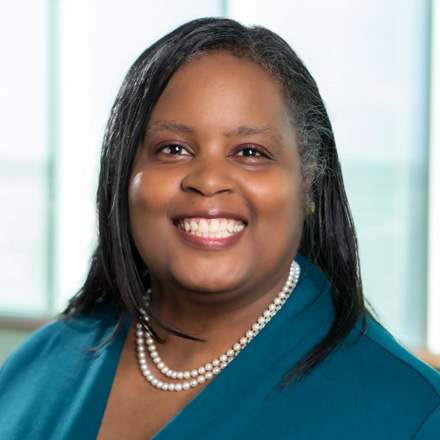
Margot L. Savoy, MD, MPH, FAAFP
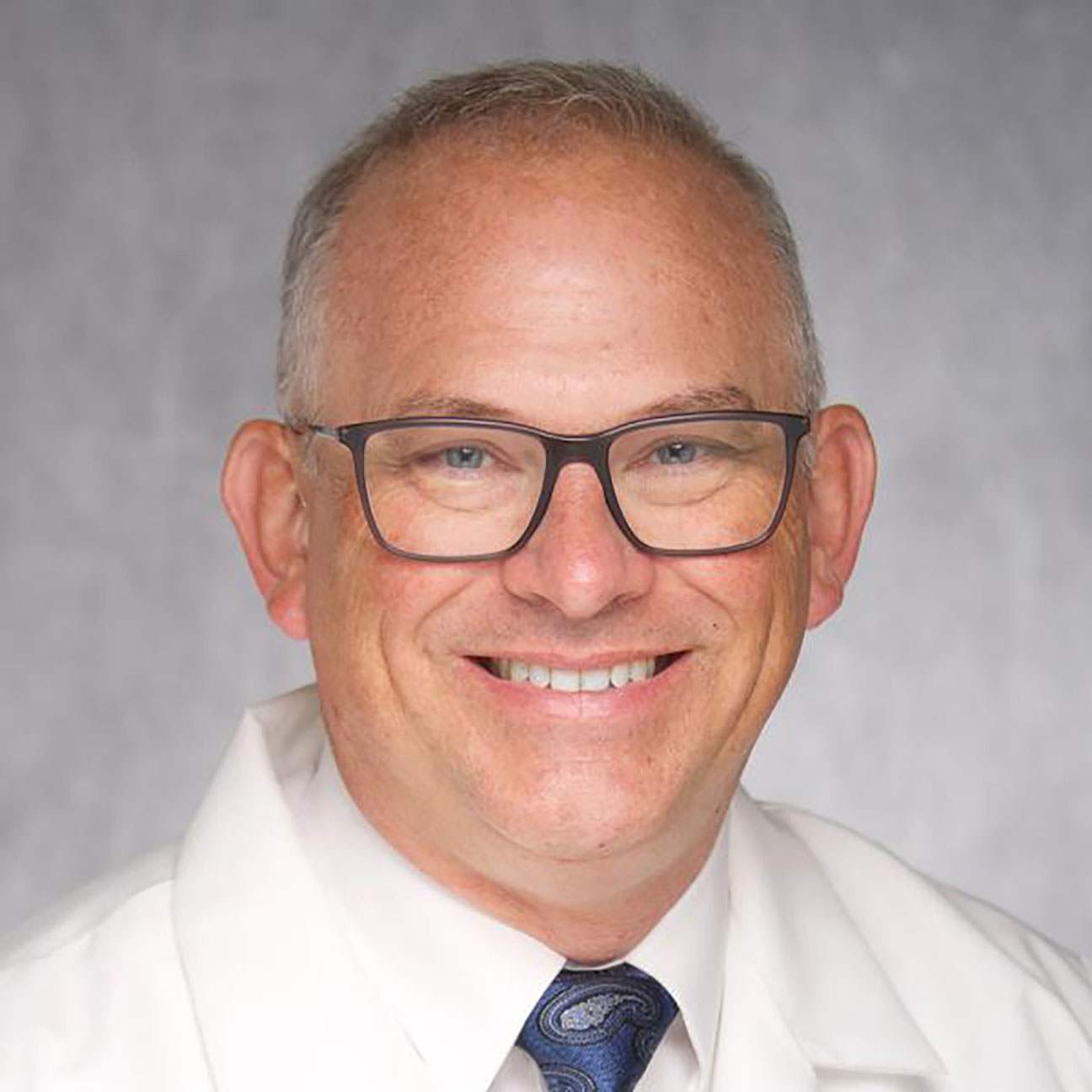
Jeffrey Quinlan, MD, FAAFP
Transcript
Welcome to Inside Family Medicine, where you hear from leaders and peers in your specialty while learning about new tools and resources. I'm your host, Dr. Margot Savoy, AAFP's Chief Medical Officer. Today, we're welcoming back Dr. Jeffrey Quinlan, a family physician in Iowa City, Iowa. He joined us in 2024 to talk about cannabis use during pregnancy.
Today, he's gonna discuss his work with the AAFP regarding fetal alcohol syndrome disorders, and I am excited because he's had a 28-year career history in the U.S. Navy, but he's currently serving as the chair and departmental executive officer in the Department of Family Medicine in the University of Iowa Roy J. and Lucille A. Carver College of Medicine. So I'm really excited that Dr. Quinlan is back again to talk to us today. I just wanna thank you so much for being here, Jeff. Thanks, Margot. It's great to be back with you again.
So can we just start off right from the beginning, asking you to tell us a little bit about your experience treating patients with substance use disorders, particularly thinking about fetal alcohol spectrum disorders and cannabis use during pregnancy?
Sure. No, I'd be happy to. When I got to Iowa, I, I really realized how lucky and maybe a little bit sheltered I was during my Navy career. We really didn't see a lot of substance abuse, at least as far as cannabis and, and other, other substances. W- we did see some alcohol use disorder, e- especially earlier in my career.
The military in the '80s and '90s had kind of a culture of alcohol use, and so we would see young pregnant women who were using alcohol routinely, and we d- and we certainly did see infants that had alcohol or that had FASDs. When I got to Iowa, though, I was really surprised by the number of women that used both alcohol and cannabis during pregnancy and really was pretty saddened by the limited number of resources that we often have for those patients.
So there does still seem to be some confusion amongst patients, and sometimes I think even amongst clinicians, about whether there's an amount of alcohol use that's safe to use. So some people think a small amount's good. Some people are like, "There's no amount that's good." Do you know what the evidence tells us about alcohol exposure during pregnancy and around the risk of FASDs?
Yeah, that's a great question. I, I think this is a place where we wanna be really clear today and where we should be really clear as physicians. We know that alcohol is a teratogen. We know that it crosses the placenta, and evidence shows us that there is no safe amount of alcohol to use during pregnancy, and there's really no safe timing during pregnancy to utilize alcohol.
I remember being taught as a resident that, you know, well, once you're in, in the third trimester, you know, maybe a little glass of wine at night just to help you relax is not a bad thing, and, and the evidence just doesn't support that. And, and there's certainly no way that we're ever gonna do clinical trials to, to try to figure out if there is one of those.
And so at this point in time, all evidence-based guidelines say that we shouldn't be drinking during pregnancy. And so we should be talking to our patients to let them know that if they're seeking pregnancy, they should stop drinking, and if they weren't planning pregnancy but find themselves pregnant, they should stop as soon as they get that diagnosis.
We know that there's a number of problems that alcohol causes. It causes neurodevelopmental issues. It causes craniofacial dysmorphias. It causes ear problems, heart problems, kidney problems, and some musculoskeletal anomalies as well. It also can restrict growth in the developing fetus, and then after delivery in, in both newborns and in children, it can cause behavioral health concerns as well I think it's really good as family docs, we're really uniquely poised to help identify alcohol use disorders and then to initiate interventions.
And we really should use the USPSTF's recommendations for screening adults, which includes pregnant women. I think that's such good advice. You know, I mean, when you describe all the different things that could happen, it's just interesting because I do often hear sometimes from family physicians that, you know, it used to be just a syndrome, and now it's actually a whole spectrum of disorders.
And so, you know, Fetal Alcohol Spectrum Disorders and just diagnosing it and figuring it out could be just too complex, or just you need a subspecialty person for that. Like, that's just beyond my scope. I don't know that I can do that. And it doesn't seem to be the case. It seems like there's some practical steps a physician or their care team could take, even in a primary care setting, that would allow them to screen for and begin that diagnostic process.
Do you find that to be true? 100%. I, I couldn't agree with you more on that. I think really more than a lot of other specialties, we are well poised to do that. We most of the time know both the mom and the infant, and we have that relationship so we know the history. And so we should take the first steps.
We really should screen anybody for an FASD that has known, uh, exposure to prenatal alcohol. We should consider it also in our newborn patients and infants that have growth delay, if they have any of the typical facial dysmorphology, any CNS dysfunctions, and then we should consider it as well in, in infants and children that have neurobehavioral disabilities.
You know, the tough part is that there really there is no single diagnostic test for FASDs, and there's no definitive gold standard approach that we're gonna take. And so I think that's part of what you, you spoke about in that it, it kind of scares people because they don't have that one thing to use. I think it's important to point out that there are two diagnostic systems that are pretty commonly used in the United States.
One of those is the Collaboration on FASD Prevalence. That's known as COFASP And then the other one is the University of Washington's four-digit diagnostic code. COFAS is a little bit more broad and but it's sensitive i-in its screening, and it really just divides into those bigger categories: fetal alcohol syndrome, partial fetal alcohol syndrome, alcohol-related neurodevelopmental disorders, alcohol-related birth defects, and then neurobehavioral disorders associated with prenatal alcohol exposure.
And it doesn't really kind of subtype beyond that. It just puts you in, into those bigger buckets. On the other hand, the University of Washington's four-digit diagnostic code is much more specific, and it uses rankings to classify a continuous range of diagnoses and severities.
I think no matter which of these criteria are used, we should consider a multidisciplinary approach as much as is available.
It certainly is helpful to have our partners helping us as we're working through prenatal exposure, evaluation of these dysmorphologies, and then developmental and behavioral indicators. Depending upon what local resources you have, it's great to put a team together. Certainly, we as family physicians should remain key components of those teams.
I think if you have them available, getting our pediatric colleagues involved can be helpful. Geneticists can be helpful in trying to make sure that this isn't some sort of inherited disorder Often psychologists or psychiatrists can be useful, especially for helping us both identify and treat some of the behavioral health issues.
Neurologists for, in particular, some of the musculoskeletal things that we see. And then families are gonna need a lot of support as well, and so thinking about our social work colleagues and care coordinators who can really help get people plugged into the community resources that they're gonna need.
Evidence has really shown that for these kids, early intervention and early interventional services can be really important. Educational specialists within the school systems to help these children. And then there is a tremendous burden on families for kids that have FASDs, and so family therapists can be super helpful there as well.
And then I think the last two groups are physical therapy and speech pathology or speech therapy can be really helpful as well for helping these kids meet the milestones that they may be missing at that point in time. I mean, it's so interesting as you list out all the different folks that really can support the child and the family through the diagnosis, how that really is right up the primary care lane.
I mean, it's really what we do, is help coordinate care and make sure that the patient's getting that individualized journey through what could be a really complex and complicated space. And so I think, I think that's such a great, a great way of putting it. I mean, the list is so long, and yet family physicians can be that thread that pulls them through the whole thing.
So what a, what a great point.
And I think sometimes about from a primary care standpoint, what could be a really good or most effective strategy that a family doc could use if I wanted to prevent alcohol-exposed pregnancies in general? Like, is there anything in particular that you found to be successful?
Sure. I, I think there's a few key points, and I think one, as I already mentioned, is that there are recommendations for screening adults for alcohol use and alcohol use disorders, and those include screening pregnant patients for unhealthy alcohol use. I think ACOG took a, a step a few years back, and they now recommend annual screening for all women of childbearing age, as well as screening all women who are currently pregnant during the first trimester of pregnancy.
I think the more often that we ask about alcohol use and have conversations about alcohol use, it, it helps to normalize it. It helps to remove some of the stigma associated with that conversation. And so it can really facilitate honest answers from our patients, and it can facilitate us getting them the help that they need.
I think there, you know, there's, there's two primary screens that we see routinely used. One is Alcohol Use Disorders Identification Test Consumption, commonly referred to as the AUDIT-C. And then there's the National Institute of Alcohol Abuse and Alcoholism, their re- their recommended screening, which is the single alcohol screening question.
I don't think it matters which of the two of those you use, as long as you're using something consistently so that it becomes just common for you and common for your patients to, to be answering that. In our practice here in Iowa, we use the AUDIT-C. We have that set up so that when a patient schedules for a preventative exam, it automatically comes to them in their pre-visit screenings that they end up getting, and that gives us an opportunity to, to address that really at every single one of those visits.
I think it's also really important anytime you're seeing either a young man or a young woman who's coming in and, and you're asking them about their You know, their sexual practices, their sexual history, making sure you're asking them about, you know, is there an intent to become pregnant? Is, you know, and if there's not, what are they doing to, to try to prevent that?
And it's a great time to talk to them about what the harms are of alcohol use. And, and I think, you know, unfortunately, we don't do as much preconception counseling as we probably should be doing. But when we have that opportunity, I really think that should be a core conversation during that. So I think those things can really be very helpful in, in talking to patients about this.
I really love that. So I heard a few things. So one, I don't have to make this complicated. I can use the tools that I'm already using for routine alcohol screening anyway, so I don't have to go get a new tool. I could actually use the ones that I already know, which is really helpful. And then I'm hearing anticipatory guidance is making a comeback.
I mean, like this idea about planning ahead and thinking about when people are coming in for their routine prevention, the things they may be preparing for today, but also what they might be thinking about for the future. So that's really a really great flag. And then this idea that you're normalizing the conversation, so it's not, it's not meant to be punitive or to make anyone feel some kind of way.
It's just a discussion, just like you would with any other prevention conversation and sort of normalizing the ability to ask those questions and open up a space for the patients to talk to us about what's going on in their life, which is also really amazing.
Yeah. So I know there's not a cure for FASDs, but what I have heard a lot about are the outcomes that can get much better, and you can really improve significantly their lives and their ability to have a very fruitful and impactful life if you support them and surround them.
And you started talking about that a bit earlier when you were describing what the care team could look like for a patient or a family who's living with FASDs. What does the evidence inform sort of longitudinal care plan look like for a patient in a family living with FASDs? Yeah, that's a great question.
And I think, you know, y-you touched on, uh, a couple important points here in the lead-up to that question. And one is, you know, unfortunately, there is no cure for FASDs. I think it's also important to realize that there, there's no medications currently that are approved specifically for the treatment of them as well.
And so keeping that in mind is important. Evidence is really growing though over the last decade about early identification, early detection, and early interventions, and how significantly they really can improve the long-term outcomes for kids who have FASDs. They can r-really reduce symptoms that they're having, and it can prevent some secondary conditions as well.
I think some of the key considerations for intervention that is one that we had mentioned earlier, which is that the individualized approach. And I think that as family docs, we're great about that. We're used to taking, you know, any number of clinical recommendations and, and treatment plans, and then individualizing those to the patient that's sitting right in front of us.
And, and so I think that's really important for FASDs as well. Again, you know, making sure that we're advocating for and, and obtaining early intervention for these children, making sure that we're facilitating family involvement whenever possible. Often that's gonna involve treatment for the parents as well, whether it's, you know, alcohol cessation that we might need to get them involved in, or whether it's, you know, counseling of their own because there's a lo- there's a lot of grief and, and remorse and shame in that, you know, you may have contributed to something like this for your child, so keeping that in mind.
Consistency has been shown to be incredibly important, and structure has been shown to be really helpful in these kids as well. And then remembering that things change over time. And so while we made one diagnosis to get the ball rolling, we need to continue to assess and, and have ongoing evaluation to make sure that we're not missing things as they may change.
I think there's, there's a couple things that are really important that have been shown through evaluation of long-term interventions, and they really can improve outcomes, as you mentioned. Some of those things include doing adaptive functioning and educational interventions In particular for these kids, it's gonna involve language, math skills, and safety.
And there's a number of tools out there that are focused on teaching kids with FASDs how to be safe, and a number of them that are actually v-video game or, you know, gamified applications, which I haven't seen many kids recently that don't enjoy that, so I think those could be super helpful.
Psychological interventions can be really helpful, and doing social skills training. In particular here, we're focusing on improving impulse control, improving attention and communication Kids with FASDs often can have nutritional deficits, and they can actually have a disproportionate number of those kids have malnutrition as well.
So making sure that we're addressing those malnutrition, making sure that we're ensuring that there's no vitamin deficiencies, making sure that the family has healthy foods and understands the appropriate nutrition for the kids can be helpful. I think behavioral health care likewise has been shown to be very important.
We mentioned already having case management and social workers involved. Also, psychologists and, and psychiatrists can be helpful in involving things like play therapy and identifying other disorders can be helpful. We talked a little bit earlier about having families involved. And in order to have families involved, you really are going to need to train the parents.
This isn't something that most of us wake up, you know, knowing how to deal with, you know, 'cause these kids have a lot of unique needs. And so having specific parental training, providing appropriate family support can help. You know, often in some of the-- in these homes, there may be instability. There may be ongoing substance use.
Studies have shown that children who have FASDs are, are more often the victims of child abuse and, and poor discipline from the parents. And so making sure that we're educating how to appropriately discipline children who are having some of these delays and developmental difficulties can be helpful.
And then getting parents into support groups, you know, and, and having them work with families who have been through this for a little bit longer than they have and showing them that there can be a light at the end of the tunnel, I think really can be helpful. While we mentioned that there's no medications, you know, specifically to treat FASDs, there are medications that can be helpful in some of the co-occurring mental and behavioral health disorders.
And so some of the alpha-two adrenergic agents have been shown to be helpful. SSRIs and other mood stabilizers can be helpful. There's frequent co-commitant ADHD and ADD that can be seen, so both stimulant and non-stimulant medications can be helpful for those children. And then in rarer cases, sometimes antipsychotics even can be helpful to help with some of the impulse control and, and other disorders.
We're gonna wanna look at school-based accommodations, making sure that we're advocating for individualized education plan and in-school counseling where available And then I think as these kids are getting older, we need to keep in mind that they're more likely to have run-ins with the law. And so making sure that both the civil and the criminal justice systems can advocate for them can be very important to their long-term well-being.
And then I think I would just finish this answer by s- noting that, you know, strength-based emphasis to care has been shown to be less stigmatizing and more effective, and it helps to us to empower our patients to do well. And I think that that approach is really within the wheelhouse of us as family physicians and, and again, one of our strengths.
I mean, it's so amazing 'cause you start off with there's no cure, which almost makes you feel like there's nothing to be done, and it turns out there's so much that we could do and so many opportunities where we could impact their life. And for any kid or any family on that journey, there may be parts that work at one time and parts that work at another time, and there's really nobody better suited for taking that trip with them than a family doc on all that journey.
So I just, I love that there's so many choices and so many options, and I love that we've got resources and tools that can help people sort of make that a little bit easier for them in case they're getting overwhelmed as the clinician. So that's just, it's just so helpful. I mean, it just really changes the way we think about it.
So thank you for that. You have shared so much great information with us today. If you had to pick like one or two main points that you really hope that our listeners take away from our conversation, what would you think? Well, y- I think if I was gonna highlight probably two main points, uh, I think the first would be we really need to get into the habit, if we're not already, of routinely screening for and educating our patients about the risk of alcohol use during pregnancy.
And in particular, you know, making sure that they understand the, the risks for FASDs. And then when we are concerned about a potential infant or child that may have been exposed to alcohol during pregnancy, we wanna, as available, be able to use that multidisciplinary team to facilitate both diagnosis and then initiation of treatment.
Both of those with the caveat of, of remembering, as I think both of us said, have said a couple times this afternoon, is as family docs, we're poised to do this and do this well and really should be the anchor helping the families through these situations. Jeff, thank you so much for joining us again.
This was a really great conversation. I really appreciate you making time for us. To our listeners, if you'd like to learn more about choosing family medicine or would like more information, please check out the links in the show notes. If you enjoyed today's episode, let us know by dropping us a line at aafpnews@aafp.org.
Be sure to share this episode with your followers on social media and tag the AAFP.
Resources
Funding Statement
This activity is supported by the Centers for Disease Control and Prevention of the U.S. Department of Health and Human Services (HHS) as part of a financial assistance award totaling $1,219,331 with 100 percent funded by CDC/HHS. The contents are those of the author(s) and do not necessarily represent the official views of, nor an endorsement, by CDC/HHS, or the U.S. Government.
Disclaimer
Copyright 2026. AAFP. The views presented in this broadcast are the speakers own and do not represent those of AAFP. The information presented is for general, educational or entertainment purposes and should not be considered legal, health, financial or other advice. AAFP makes no representation as to the accuracy or completeness of the information and is not responsible for results that may arise from its use. Consult an appropriate professional concerning your specific situation and respective governing bodies for applicable laws. Reference to any specific product or entity does not constitute an endorsement or recommendation by AAFP unless specifically stated otherwise. AAFP and the AAFP logo are registered trademarks of American Academy of Family Physicians.