
IFM | Firearm injury prevention in the exam room: A conversation with family physicians
Show notes
In this episode of Inside Family Medicine, James Bigham, MD, MPH, and Sanjay Batish, MD, discuss the family physician’s role in preventing firearm injuries and addressing gun violence through relationship-based, upstream care.
Bigham describes training clinicians in culturally aware counseling, secure firearm storage and collaboration with gun shop owners through and the nonprofit SAFE (Scrubs Addressing the Firearm Epidemic), emphasizing a public health approach that uses population data, including that firearm injury is the leading cause of death among people ages 1 to 19. Batish explains how treating the long-term physical and mental health effects of firearm injuries led him into research, including an AAFP Foundation RapSDI pilot that tested a firearm safety score tool in nonurban primary care settings and found unexpectedly high risk.
Both physicians recommend universal screening, nonjudgmental counseling focused on suicide risk, practical storage planning, community resources and clinician training tools.
Episode hosts
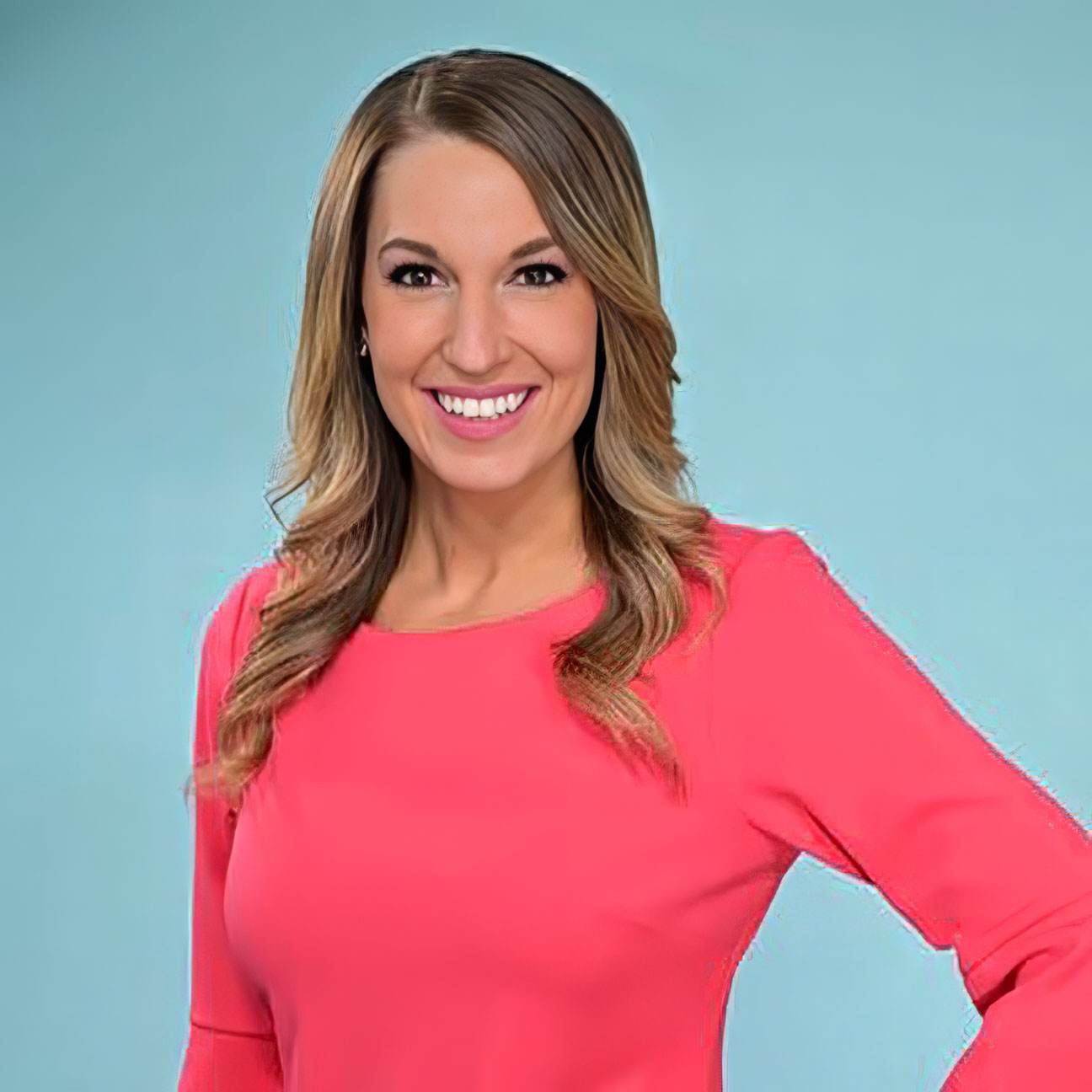
Emily Holwick
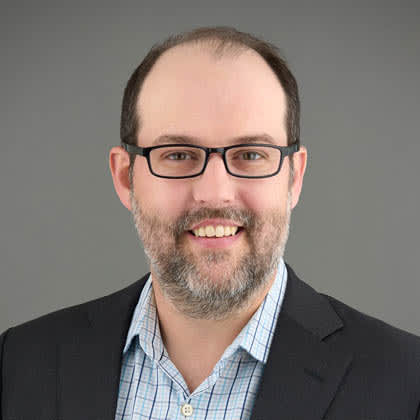
James Bigham, MD, MPH
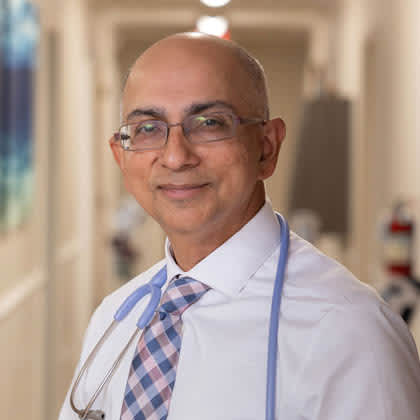
Sanjay Batish, MD
Transcript
Emily Holwick: Welcome to Inside Family Medicine, where you hear from leaders and peers in your specialty while learning about new tools and resources. I'm your host, Emily Holwick, a member of Team AAFP. Today, we're speaking with Dr. James Bigham and Dr. Sanjay Batish about the family physician's role in preventing firearm injuries and addressing gun violence in their communities.
Emily Holwick: Dr. James Bigham is a clinical professor at the University of Wisconsin School of Medicine and Public Health. He trains health professionals in culturally aware counseling on firearm injury prevention and secure storage. Dr. Bigham co-founded Lock, Stock, and Barrel, a hands-on training that fosters collaboration between clinicians and gun shop owners.
Emily Holwick: He also serves as vice chair of the National Board for Scrubs Addressing the Firearm Epidemic, or SAFE, a nonprofit equipping healthcare professionals with evidence-based tools to prevent firearm injuries and deaths. In this role, Dr. Bigham collaborates with medical schools to support the implementation of firearm injury prevention and care content into their curricula.
Emily Holwick: Dr. Sanjay Battish is a family physician operating an independent medical practice in Leland, North Carolina, and since twenty nineteen, he's been actively engaged in research on firearm-related violence. His study titled Safety Score as a Predictor of Gun Violence in Adolescent Young Adult Patients in a Primary Care Setting, received the twenty twenty two Clinical Pearl Award from the North American Primary Care Research Group.
Emily Holwick: Currently, Dr. Battish is leading a study titled Firearms-Related Incidents from Gun Shows or Firings, the first study to examine the impact of gun shows in North Carolina. He's also provided training to numerous physician groups on effective strategies for counseling patients about secure firearm storage and harm reduction.
Emily Holwick: Well, thank you so much for joining us for this important conversation today. I'm really looking forward to it. I always like to start out by asking why you chose family medicine, Dr. Bigham
Dr. Bingham: Family medicine is this beautiful nexus of an opportunity to build relationships with patients and also impact health outcomes in our communities, and I love that.
Dr. Bingham: I love the chance that the things I can do with my patients actually can pay dividends within the, the p- the place where I live and practice.
Emily Holwick: Dr. Bhattacharyya, why did you choose family medicine?
Dr. Batish: So my father's actually a family physician, just recently retired, uh, from Ohio, and I was able to see, uh, what he was able to do within our small community in Ohio, and I wanted to have a similar impact in our community in North Carolina.
Dr. Batish: I love the ability to, uh, connect with patients on a longitudinal, uh, path and really get to know them, their families, um, and then integrate into the community as well.
Emily Holwick: So today, we're talking about gun safety and firearm injury prevention. We know that can be a sensitive topic, but family physicians really are well-positioned to address this in their communities, and you both have a specific interest in this area.
Emily Holwick: So I would love to hear why you each think it's such an important topic for family physicians to be aware of. Dr. Bigham?
Dr. Bingham: One of the things we do in family medicine is we work on building relationships, cultivating connections with our patients so that we can make sure we're, uh, ensuring they're optimizing their well-being.
Dr. Bingham: Prevention is paramount in what we do, and when I look at leaders nationally on the topic of firearm injury prevention, it's often trauma surgeons and emergency medicine clinicians, which those are wonderful to have those colleagues. The reason they're in that space is because they see the impact of firearm injury.
Dr. Bingham: I, I think there's a role for us to play in family medicine, moving upstream before bullets fly, to make sure that we don't see those injuries in our communities. And, and when I talk with my colleagues who are emergency medicine physicians or, or trauma surgeons, I, I tell them that I wanna step into the space to prevent injury so that they're doing less of that work in their emergency rooms as well as in their, um, ORs.
Emily Holwick: Dr. Bhattacharyya, how, how about for you?
Dr. Batish: As I, uh, practice medicine, I've been practicing, uh, since 1998, and over the last decade, decade and a half, I started noticing an increasing, um, prevalence of patients who w- I was taking care of who were suffering lifelong chronic complications of firearm injuries.
Dr. Batish: Uh, sometimes it was, uh, PTSD from witnessing a, uh, a loved one's suicide. Sometimes, uh, patients would have, uh, chronic physical ailments, uh, amputation, abdominal pain, back pain because of, uh, traumas from bullet injuries. Um, and I was noticing this in a semi-rural, semi-suburban, uh, practice setting. Uh, what I didn't see, uh, was guidance from literature about how to manage this essentially chronic condition, and also some way of going upstream As James said, of how to prevent these illnesses, uh, because I look at this as an actual chronic illness at this point.
Dr. Batish: Um, so I was looking for guidance, wasn't able to see it in our, in the journals that I receive. There's a stack of, uh, medical journals on my desk, and, uh, it, it was rare to see an article that focused in on how to, uh, to give me guidance on this. So I decided to, um, enter into the research space, uh, received a grant from the AFV Foundation and, um, um, decided to, uh, be involved.
Emily Holwick: It's a really good point you made there because we know family physicians treat patients throughout the lifespan and treat whole families of patients. So you're not just seeing them after, say, a, like a trauma surgeon would, where they're just responding in the moment because something happened, but then you're seeing them after.
Emily Holwick: You're seeing the effects on their entire life, how it affects their health overall, and their family, and their wellbeing. So that i- that's a great point. That's why family physicians really do need to be aware of this.
Dr. Bingham: Yeah, we're well-positioned both for the prevention piece as well as the care piece.
Emily Holwick: The AAFP recognizes gun violence as a public health epidemic that should be treated accordingly. So, Dr. Bigham, can you explain how we can use a public health approach to prevent harms from gun violence?
Dr. Bingham: I think this is the exact way to look at this. This is an incredibly politicized topic. In the US, this is probably the most politicized topic, and for many physicians, they may feel uncomfortable moving towards these conversations with patients.
Dr. Bingham: And if we can pan back and look at it from a population health standpoint and actually recognize that America is unique in our ownership of firearms as well as the impact of firearm injury, we have an opportunity to, to I think really intervene in ways that are gonna be meaningful and impact the entire community.
Dr. Bingham: I also think we have a chance to help people not feel like they're being targeted when we're talking about more of the community and population-based kind of statistics. It's significant to note that firearm, um, injury is actually the leading cause of death for kids 1 to 19, that in the US firearms cause as many deaths as motor vehicle crashes most years.
Dr. Bingham: None of us has any issue talking about motor vehicle safety with our patients. We may have a bit of a blind spot on firearms, and we need to move past that. Understanding some of the population health data can help us with that.
Emily Holwick: Those are certainly some jarring statistics, and especially when we talk about the impact of firearm violence on children as well, young children, I mean, it really is heartbreaking.
Emily Holwick: It's something that clearly needs to be addressed. Dr. Bhattacharyya, you were a scholar in the AAFP Foundation's RAPSDI program. That stands for Rapid Cycle Scientific Discovery and Innovation. Um, your project focused on addressing gun violence, so can you take us through what your project was, what the goals were, and what your research found?
Dr. Batish: Uh, I was fortunate to receive the grant in 2019. Um, RAPSODI is an excellent program, and, um, a lot of thanks to the foundation for creating that and supporting that over the years. Uh, uh, it's a grant that's designed for non-researchers who are interested in entering into the research space and have a clinical question that they want to, uh, further explore.
Dr. Batish: Um, what I wanted to-- I recognized that firearm injury is the number one cause of death in pediatric patients, um, and I wanted to see if there's a way of anticipating, um, future gun violence in the pediatric population. Uh, there's a tool called the Safety Tool which has been validated in emergency-- urban emergency room settings, uh, to help anticipate future gun violence in 14 to 24-year-olds.
Dr. Batish: Uh, my research was a pilot study looking at the validity of that safety tool in primary care offices like mine, uh, which are in non-urban settings. We, uh, followed Uh, several, uh, several patients over about a year to see if the safety score was appropriate in that setting. What our research found is that the number of individuals who had a positive safety score in non-urban primary care settings was surprisingly high.
Dr. Batish: What that indicates is that the populations that we see as primary care docs in urban or non-urban settings in pediatric patients, um, are at risk of gun violence, and likely because they're exposed to, um, a great deal of violence in their own lives. That's a blind spot that I think a lot of family physicians have, that there's an assumption that this may be, uh, gun violence may be more of an urban, um, issue, and we're often blind to the fact that this is actually an issue that, uh, affects most of the pediatric patients within our own practice.
Emily Holwick: Wow. Yeah, that certainly is eye-opening, and probably eye-opening for a lot of people who are just listening to this right now, thinking that they maybe didn't realize that it could be such a large issue in their particular area or population, but it can be still. So we've mentioned that this can be a sensitive topic to bring up with patients.
Emily Holwick: Um, what are some signs or risk factors that might prompt a discussion, a gun safety discussion, and what are some strategies or talking points that you can share that have worked for you in the exam room when you're addressing this topic?
Dr. Bingham: I think we both practice universal screening, that we both recognize that given just the rates of ownership that there is-- and there also isn't a way to s- look at someone to know if they own a firearm or not, that we may have a role to play in just simply checking in about access to firearms so we can then couple that with counseling.
Dr. Bingham: It-- I practice in the state of Wisconsin, where almost half of homes have firearms. Nationally, somewhere around forty percent of homes have firearms, which means all day, every day, we're seeing patients who have access to firearms. They've made a choice to own a firearm. That's not right or wrong. What we wanna do is just take a step back in the care we provide to make sure we've had a thoughtful conversation about how to reduce the risk of harms to the individual, as well as their family.
Emily Holwick: How do you approach those conversations, Dr. Baddish?
Dr. Batish: So the number one, um, cause of death from firearms is suicide. Um, there's a perception-- there's a misperception by a lot of clinicians that the, uh, number one cause might be mass shootings, but that's actually just one percent of all deaths from firearms.
Dr. Batish: Um, and about forty percent are from homicide, but the majority, again, are from suicide. Uh, what I realized is that to, to help address that and to go upstream from the suicide standpoint, I really need to screen all my patients, uh, for this. So it, it-- that's helped me, uh, to become more comfortable in the conversation.
Dr. Batish: It's also helped normalize is that my patients now, that I've been asking the question for the last two or three years, they realize that just like I'll be asking them about cigarette use, alcohol use, uh, there's, um, a potential for high-risk sexual behavior, I'll also be asking them about firearm ownership and secure storage.
Dr. Batish: Um, so that's helped to re-- um, also prevent me from having blind spots because what I've realized is that there's patients that I will, uh, go into the conversation with, with an assumption that they probably don't have a firearm. And I am oftentimes surprised that they do have a firearm, and that it's actually not securely stored, and it leads to some really good conversations.
Emily Holwick: We talked about how this issue can be highly politicized and is highly pol-politicized here in the US especially. Um, how do you handle re-resistance or discomfort with patients around this topic? I mean, some might not want to talk about it and might be uncomfortable. Either of you, I'll open that up.
Dr. Batish: Um, I think the way I approach this is, um, coming from a space of caring and empathy, um, the- and a space of non-judgment.
Dr. Batish: Uh, uh, individuals have firearms for a variety of reasons. They may have it because it provides a sense of security and, and they may live in a, a very violent space, and this may be something that provides some security. I, I live in a fairly rural part of North Carolina. I have patients who need firearms because they have bears in their backyard.
Dr. Batish: Um, and so it's a practical safety tool for them. So coming from a space of non-judgment and, and having the patient recognize that I'm entering into this conversation because I care for the safety of the patient as well as the, uh, loved ones in their home.
Emily Holwick: I wonder if either of you can share a personal story where you feel that a conversation you had with a patient about gun safety really led to a meaningful outcome and, and made a difference.
Dr. Bingham: Yeah. I could probably, uh, fill up the next like hour with- ... uh, examples. O- one that comes to mind is working with a patient who was a father of a toddler, and we just checked in about his firearm ownership. I knew he owned firearms, and he had just gone to the range and had brought his firearms back. They were not yet back in his safe.
Dr. Bingham: And he said, "Oh, shoot. I gotta do that." And I said, "Great." Like, "No judgment. Let's get 'em back in your safe." And then as we furthered our conversation about how he was securing his ammunition, he disclosed that it was something that was, uh, being kept just in an unlocked drawer in a space where a child could actually get access to the ammunition.
Dr. Bingham: So all we did was take a step back, really curious, and said, "Is there a way we could do something small or simple to create a barrier between your child and getting access to the ammunition?" And it was interesting 'cause the patient, in sort of going through this thought process, realized, oh, there was a soft spot in the safety plan or in the securing plan.
Dr. Bingham: He wants to be responsible. He didn't feel judged. All we did was coalesce all of our thinking around, we both care about your children, and he was moved to action
Emily Holwick: Yeah. So that is another great point about the fact that some people might think that they're storing things safely and that they have a safety plan in place, but it's still worth it to have that conversation because you just never know, and there might be some blind spots
Dr. Bingham: And I'd love to circle back to the point that Sanjay made about this issue's really about suicide.
Dr. Bingham: In the state of Wisconsin, over 70% of firearm deaths are suicide, and something I've worked through and realized was a blind spot for myself was thinking about the role that the local gun shop has in providing care for patients and actually in injury prevention. And we have over 50, uh, local gun shops in the state of Wisconsin that will hold firearms during a time of mental health crisis for patients, and it's just a way to get some separation from lethal means during the time of mental health crisis.
Dr. Bingham: And it-- to me, knowing I can refer a patient to a local gun shop to hold their firearms, not taking them away, in no way am I trying to trample on someone's rights. Just, just trying to enhance their own personal safety as well as responsibility has been a powerful thing, and I've had patients take me up on that.
Dr. Bingham: And, um, what a great success story to recognize that we're stepping outside the walls of the clinic, reaffirming the patient they don't feel judged. All they feel is the care and compassion that really is the bread and butter of what we do in family medicine
Emily Holwick: And that further shows the family physician's role in the community and reaching out to other Whether it's gun store owners or other organizations in the community working together to make that network to make the community safer and help your patients in, in so many different ways outside of the exam room
Dr. Batish: You know, we, um, gave a presentation on firearm harm reduction, um, at FMX, and it occurred to me as we're chatting here that we perhaps should change the talk or the title of the talk to Blind Spots because it's, it's firearms and blind spots that we have, and it's-- there's blind spots, uh, that we have as clinicians.
Dr. Batish: We have assumptions that the main cause might be, uh, of, of harm might be homicides or mass shootings, but it's actually suicides. Uh, that it's more of an urban issue, but it's actually, um, absolutely not just an urban issue. And patients have blind spots as well. So I, I've been in conversations with patients who have actually forgotten where their firearms are because it...
Dr. Batish: they're almost, um, sort of pieces of furniture that they no longer, um, no longer track because they're just part of the house. Um, and so they've-- they have a blind spot for the potential danger, uh, that this, uh, this firearm could cause. They, uh... again, they've sort of for- they've forgotten that they had the firearm.
Dr. Batish: Now they have children coming into the home. Maybe they have their own children. Maybe they, uh, they have grandkids coming into the home. So this conversation helps to remind the patient about the firearm, the potential harm that the firearm could cause. Um, we-- I had a conversation, uh, a few weeks ago with a patient who has Parkinson's.
Dr. Batish: His Parkinson's is progressing. Um, he used to be an avid hunter and had, um, has several firearms. Um, and I've known him for quite some time, and I'd, uh, been along on the journey with him as his Parkinson's has-- had progressed and, um, his wife always accompanies him, and especially, uh, more recently because it's become more difficult for him to drive.
Dr. Batish: Uh, we talked about firearms over the last couple years, and, uh, so this most recent visit, we started, uh, uh-- we continued with the conversation about firearms, and we chatted about how it can now present a safety hazard if he tries to handle a firearm, whether it's from a hunting standpoint, but particularly from a self-protection standpoint, that it could cause harm to himself, um, or his wife.
Dr. Batish: And, um, he knew I was coming from a space of caring, uh, and, uh, it was, it was a moderately difficult conversation, but we'd touched on it several times before, so I think he'd been contemplating it. Uh, his wife was really receptive to the conversation, and we really ended the conversation with Uh, uh, creating a plan for, uh, he and his wife to transfer the firearms to their son who, uh, and he was going to be able to securely store the firearms.
Dr. Batish: Um, so it was a, I think, a positive end to the conversation and, um, uh, I felt good about it.
Emily Holwick: Yeah. I know that a lot of people who are listening are probably hopefully feeling inspired to start having these conversations in the exam room. Maybe they haven't ever brought it up before. Maybe they've been a little bit hesitant.
Emily Holwick: I wonder if you can share just some last words of advice for physicians who wanna start having these conversations and maybe don't know how. Dr. Abbajy, I'll start with you.
Dr. Batish: Um, I would say that recognizing that this-- to start this conversation, it is a potentially difficult conversation. It's not something that we, uh, have been trained, uh, in medical school or residency.
Dr. Batish: Um, so recognizing that this is a potentially uncomfortable conversation to enter into, my recommendation would be to start with patients that you already have an established relationship with. Uh, they know, uh, that you have... They have trust in you, and you have an established, uh, trust f-with them as well.
Dr. Batish: Um, and potentially starting with, um, just an open-ended question of recognizing that, "Hey, there's a lot of, uh, patients in our community, a lot of community members have firearms, uh, for self-protection or for hunting, and I'm wondering where you are with firearms." And so opening-- having an open, uh, question to start off with, with a patient that you're comfortable with.
Dr. Batish: And then another suggestion would be to have this as a set reminder in your electronic health record. That's been shown to be one of the strongest, uh, influences in having clinicians regularly ask this question. My suggestion would be to put it in the same space that alcohol questions, alcohol use questions, tobacco use questions, um, and potentially illicit drug use questions are placed.
Dr. Batish: And so that, uh, reminder within the electronic health record oftentimes, uh, will really help prompt us, uh, to ask the question regularly.
Emily Holwick: Dr. Bigham?
Dr. Bingham: I, I think this is one of those areas where many of us didn't have training, and so we have a generation of physicians who never developed the skill set, whether in medical school or in residency.
Dr. Bingham: And so there probably is a role to play in taking a step back and actually getting some guidance on how to do this. And there's some online resources that are very effective and, um, helpful. So Scrubs Addressing the Firearm Epidemic has a clinician module that folks can watch. It's free of charge with CME.
Dr. Bingham: Uh, Bulletpoints out of UC Davis also has some really great, um, model language on how to talk with patients about things. And then I'm gonna speak for the two of us and say we are happy to be a resource to our colleagues. And so we have a passion for this work, and we want, uh, more of our colleagues in family medicine to come alongside of us.
Dr. Bingham: And so we would be more than happy to have folks reach out to us, whether it's just for a quick check-in or, uh, to provide, um, a talk or grand rounds or training or just to share a slide deck. Be happy to, to be available. Not that we have all the answers. We're both learning as we go. But we do wanna see a more of a, a community of learning come around this 'cause it's such an important topic And it's something that we haven't addressed, I think because of our own biases, in a blind spot.
Dr. Bingham: So we're hoping to help illuminate that we, we can and should be in this space. An important role to play as family physicians.
Dr. Batish: And to add on to that, we're creating a members interest group for, uh, firearm harm reduction. Uh, so we'll, that'll be in ac- uh, information to help access resources, resources that James just mentioned, as well as, um, help really create a community of family physicians to help all of us gain more, gain more expertise.
Dr. Batish: So just looking for the member interest group will also, um, be a great resource for clinicians who are interested in gaining more expertise.
Emily Holwick: Uh, and we'll absolutely be linking all these great resources in our show notes as well so that people can learn more. I can't thank you enough for joining us today, and also just in general for talking about this topic, and opening the conversation, and encouraging other family physicians to be thinking about this, and be aware of this in their own practices and in their communities.
Emily Holwick: So thank you. You are doing very important work, and I know that- Thanks for having us.
Dr. Batish: Thanks for the opportunity. It's good to be here. This is great. Yeah, thanks. Thank you.
Emily Holwick: And to our listeners, if you'd like to learn more about promoting gun safety, as I mentioned, we'll have links in the show notes for you.
Emily Holwick: If you enjoyed today's episode, let us know by dropping a line to aafpnews@aafp.org. Be sure to share the episode with your followers on social media, and tag The AAFP.
Resources
Disclaimer
Copyright 2026. AAFP. The views presented in this broadcast are the speakers own and do not represent those of AAFP. The information presented is for general, educational or entertainment purposes and should not be considered legal, health, financial or other advice. AAFP makes no representation as to the accuracy or completeness of the information and is not responsible for results that may arise from its use. Consult an appropriate professional concerning your specific situation and respective governing bodies for applicable laws. Reference to any specific product or entity does not constitute an endorsement or recommendation by AAFP unless specifically stated otherwise. AAFP and the AAFP logo are registered trademarks of American Academy of Family Physicians.