
IFM | For rural doctors, impactful work must be supported
Show notes
In this episode of the Inside Family Medicine podcast, host Rebecca Fuller Beeler talks with Kimberly Becher, MD, FAAFP, a West Virginia family physician and chair of the AAFP’s new Rural Health Advisory Committee, about the challenges, opportunities and future of practicing family medicine in rural communities.
Dr. Becher shares what drew her to family medicine and why she has spent her career practicing in a community without a hospital. She discusses the broad scope and flexibility of rural practice, where physicians may care for patients across generations while navigating limited access to specialists, emergency transportation, food, reliable utilities and other resources. At the same time, she challenges assumptions that rural medicine is less innovative, describing opportunities to test new care models, use emerging technologies and even participate in clinical research.
The conversation also explores why the AAFP created its Rural Health Advisory Committee. Dr. Becher discusses a shrinking and aging rural physician workforce, hospital closures, financial pressures on outpatient practices, and the need to ensure family physicians can practice at the full scope of their training. The committee is examining workforce development, sustainable payment, administrative burden, rural training, and other factors that can help recruit physicians to rural communities—and give them reasons to stay.
Dr. Becher also shares how addressing patients’ needs sometimes requires thinking beyond traditional clinical care. She describes a project that provided patients experiencing food insecurity with vouchers to choose their own fresh fruits and vegetables, illustrating how relatively small interventions can have a meaningful effect on patients and their relationship with their care team. Looking ahead, the Rural Health Advisory Committee plans to develop a rural health roadmap for family medicine while finding ways to incorporate perspectives from rural physicians, students and others throughout the family medicine community.
For medical students and residents considering rural practice, Dr. Becher’s advice is simple: Find the people and the type of work that resonate with you. Rural family medicine can offer broad clinical experience, independence, strong community relationships and opportunities to make an impact that extends far beyond the exam room.
Episode hosts
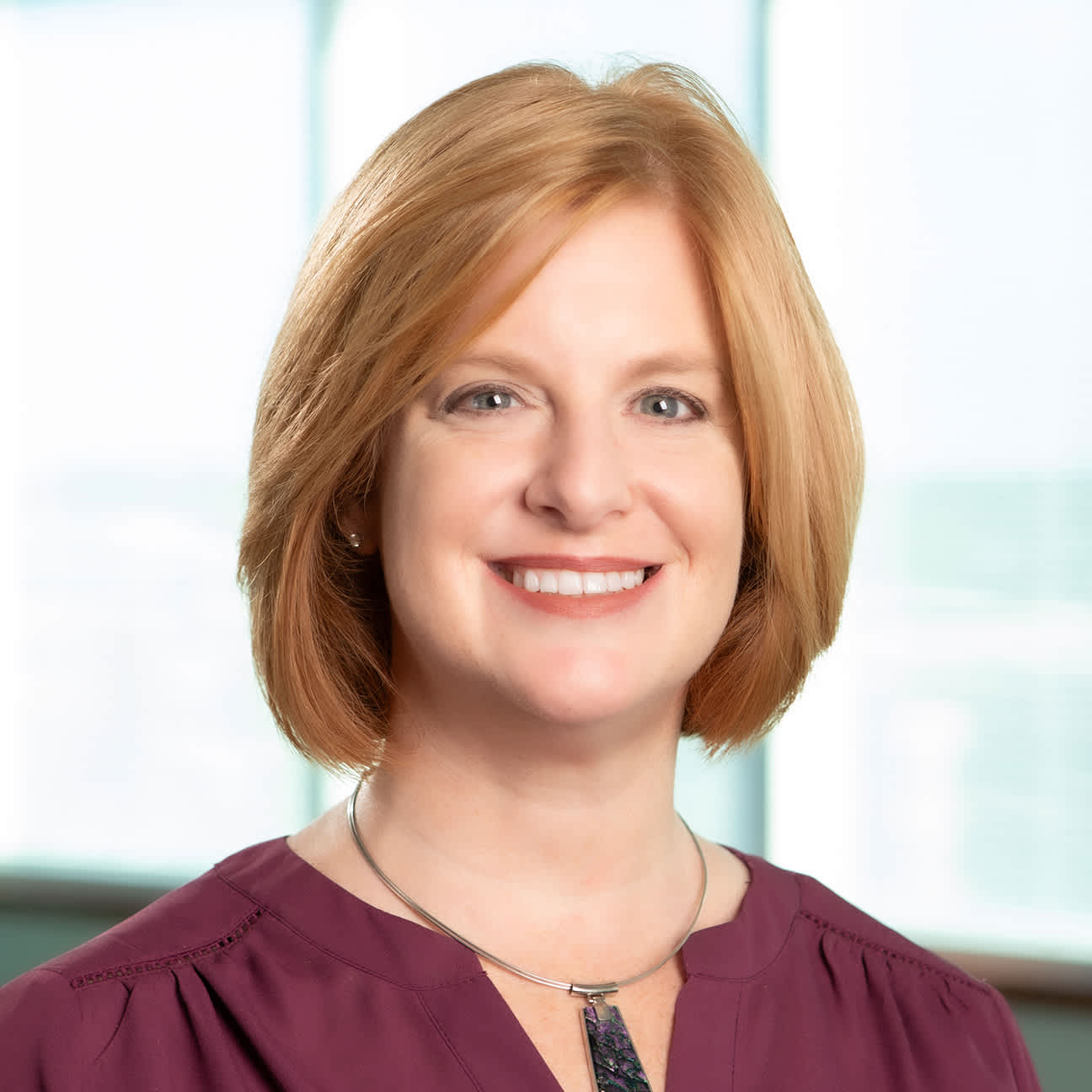
Rebecca Fuller Beeler, PhD
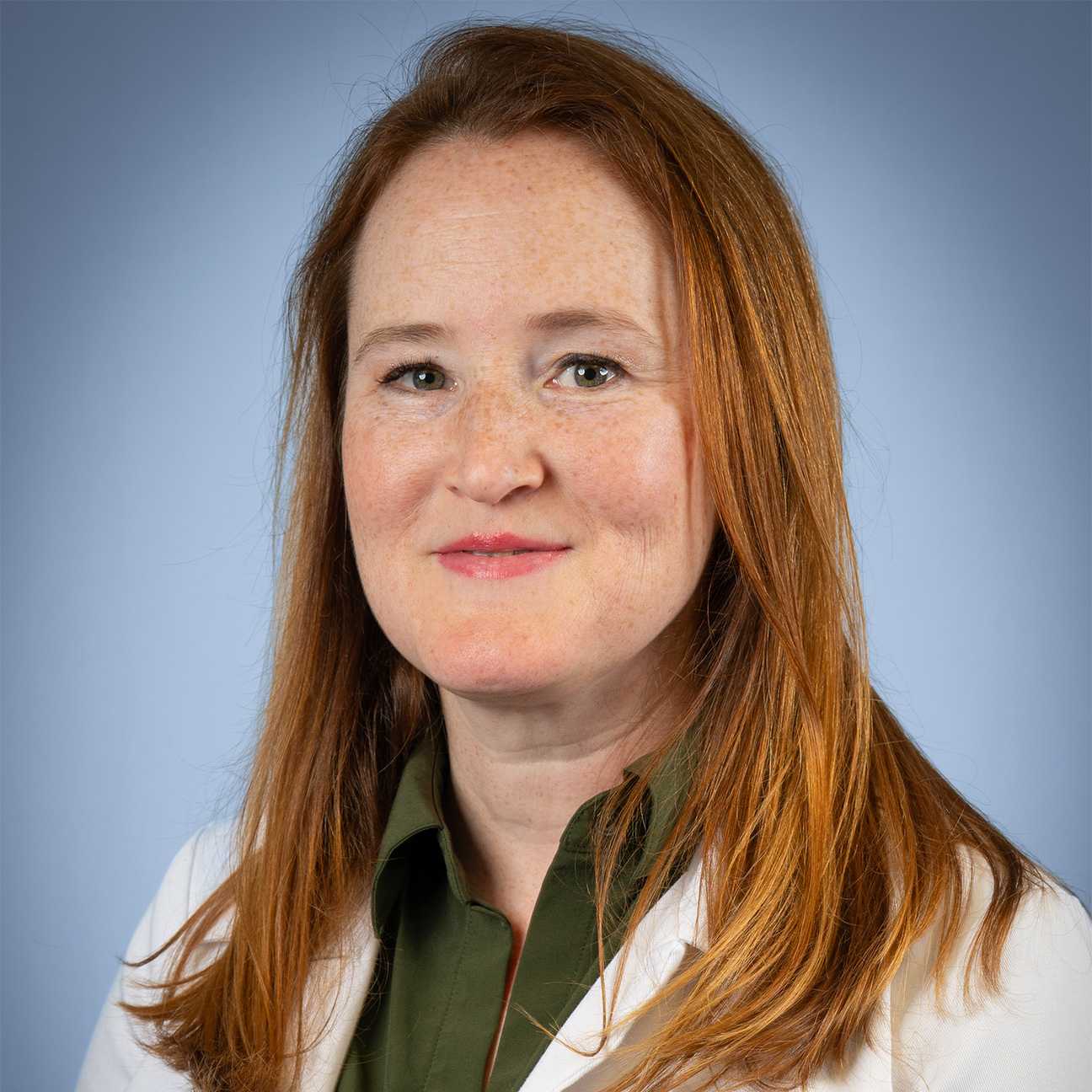
Kimberly Becher, MD, FAAFP
Transcript
Welcome to Inside Family Medicine. I'm Rebecca Fuller Beeler, a member of Team AAFP and your host for this episode. Some of the most medically underserved people in this country live in rural areas, far from large hospital systems, clinics, and emergency services. Rural family physicians can be the only health care professionals for miles around, and they play an essential role in the well-being of their communities.
Practicing medicine in rural areas comes with challenges, including resource availability and isolation. But family physicians also recognize the meaningfulness and impact their work has on generations of families and this often-overlooked population. The American Academy of Family Physicians has established a new rural health advisory committee, a team dedicated to improving the lives of rural family doctors. Joining us today is Dr. Kimberly Becher, chair of this new advisory group and a family physician in West Virginia.
Dr. Becher is also the chief medical officer at Community Care of West Virginia and president-elect of the West Virginia Academy of Family Physicians. Thank you for joining us today, Dr. Becher.
Happy to be here.
So, we'll start with the question we ask all of our guests: Why did you choose family medicine?
You know, the reasons I chose family medicine are more because of what it had the potential to offer. I really liked the flexibility of the field. I didn't know the different areas of medicine when I started medical school. I didn't know what family medicine meant.
I didn't know what internal medicine meant. But through my rotations, I found that multi-generational care, the continuity that I was able to achieve with patients- that's really what hit home for me. When I was in the ER, for example, yeah, I cared about correctly diagnosing and stabilizing the patient there, but I worried a whole lot more about what happened to them the next day or how they were doing a week after that than I did about just that moment.
I wasn't satisfied with the kind of one-hit approach to medicine. But I also wanted maximum autonomy for just life. I wanted to be able to live absolutely anywhere and do anything, and really that's family medicine.
So, you practice in a rural area. What medical challenges do you see in your practice and community, and do your colleagues in rural communities also see that are different than those in suburbs or cities?
Yeah, so aside from the lack of traffic—we don't have traffic usually in our rural areas—everything else is harder. So, I recently spent seven hours in the car going to the AAFP's Congress of Delegates with another rural family physician from West Virginia, Joanna Bailey, and we both just kept hitting the same theme as we were talking about patients and telling stories, trying to help each other figure out how to navigate different challenges.
We always got the patient taken care of, and a lot of times that's where some other system, like in, you know, they've been to the big city and went to the hospital, and then that maybe failed them. But getting the patient taken care of was just harder every single step for us and the patient. For example, you just can't assume what resources somebody has.
Wound care, wound care is really hard if you don't have running water, and food giveaways; they really fall flat if the patient doesn't have electricity or refrigeration. And not that those things don't occur in urban areas as well, and I never want to minimize that. I actually wrote a blog about a decade ago now with another family doctor named Venis Wilder. She was practicing in Harlem at the time, about how really our patients' struggles were way more similar than you'd expect.
But one of the biggest differences is the proximity they have to resources and their attitudes around the community. Rural life can be really isolating, which can lead to poor health outcomes on its own, but it can also lead to really fit elderly patients. Some of my patients approaching 90, they get more physical activity, I think, than some of my 40-year-old patients. And whenever we have medical students in the office, I always hear them say at some point, "Man, people get really old here." And I, and I always laugh, say, "Yeah, they sure do." But at the same time, we know that's not what the data shows.
We know people don't live as long in rural America. And, you know, when you call 911 to try to get an ambulance to transport you to a hospital because it's an acute-onset stroke or a heart attack or something like that, and the answer is, "Sorry, we don't have any trucks in the whole county," well, then that makes sense why there's this disparity.
So there, you mentioned the issues of electricity or water, the socioeconomic factors, issues of access, being able to easily get to a subspecialist or a tertiary care hospital, chronic illness, or incidences of other diseases or conditions.
So, with all of those challenges, why did you choose to be a family physician in a rural community? Why not go someplace where it was easier?
Yeah. So interestingly, it's probably not what you'd think. The practice I landed at, and I've been at the same office since I finished residency, so I'm on, I'm about to go between years 12 and 13, they just weren't afraid of innovation. I had completed a health policy fellowship concurrently with my residency at Marshall, and I just had a ton of interest in changing the system, testing different payment models, different care deliveries, and different technologies.
I also really don't enjoy hospital work, so I chose an organization that was in such a rural area that there's not a hospital in the entire county that wasn't afraid to try new things and pilot projects, but… And that's still true today. However, the one thing that backfired on me is this whole, "Hey, I don't like hospital medicine, so I'll go where there's not one."
That means I'm doing hospital medicine; I'm just doing it in the office or in people's living rooms. Didn't quite see that one coming, but I do still really enjoy it. What do people get wrong when they think about practicing in rural communities? I think that people think it's going to be boring, for one thing, and they also think that you're not going to be leading innovation.
You're not going to be doing rigorous academic research, and that's not true. We're about to start working on a clinical trial. It won't be our first one. We've participated in one in the past. You know, you can do anything in these rural communities; it's just on a different scale.
Right.
So, speaking of new things, the AAFP board of directors formed the Rural Health Advisory Committee. You've been appointed chair of that committee and are working with your colleagues from across the country. So, tell us a little bit about why that committee was formed and what the goals are.
So, about 20% of Americans live in rural areas, but only about 10% of physicians practice there.
Family doctors make up the majority of those physicians working in rural areas, and in a lot of towns, we are the only source of care. But our workforce is shrinking; it's aging, and at the same time, maintaining those practices is getting more challenging. Payments are not keeping up. Sometimes we're not being trained to really match the challenges we're going to see in the community we're going to work in.
Hospitals are closing. So, the board, the AAFP's board, they saw this kind of coming down the pike, all of these challenges, and really wanted to get a group of rural family physicians together to have a direct voice in shaping the academy's response to those challenges. The Rural Health Transformation Fund is also part of the timing here. There are a lot of resources that are being directed at hopefully propping this work in these communities, so there's just a lot of conversations to be had around what that, what that really means and what's needed.
So, you recently had your first in-person meeting with the committee. What are some of the issues the committees' focusing on at the moment? The workforce is a major one, making sure that we really are building that future generation of rural family physicians to go do the work that a lot of us have been doing, and then also maintaining the viability of these rural outpatient practices.
The hospitals are very important. We don't want the hospitals to go away, but if a hospital goes away, that rural outpatient office is, is going to be an even more important piece of that health care delivery mechanism. And making sure that when we have a family doctor who wants to practice full scope, including OB, that they're able to do that in these communities they work in, making sure that we can all rise to the top of our training and practice at the level that we were trained to do regardless of where we're living in this country.
Mm-hmm. What changes would have the greatest impact on rural doctors and their patients? If you could wave your magic wand and take care of a couple of things overnight, what, what would some of those changes be?
Yeah, I really like questions that ask if I had a magic wand. So what everybody say, you know, if you talk to 10 rural family doctors, everybody is going to say maintaining and training the rural workforce.
But that's also giving people reasons to stay. You might get somebody there; they might love what they're doing, might be a great fit for that community, but they might not financially be able to keep the doors open if we don't have payment that sustains rural practices. Part of that also is decreasing administrative burden. You know, we didn't go to medical school to fill out paperwork and spend all day on the phone.
We went to medical school to treat patients, to listen to patients, to hear their stories, and that's why the patients are coming to the office. They're coming in because they have a goal that they want to achieve that day in the office, and if it's all a bunch of paperwork that is really put upon us, nobody's achieving their goals. So, people need to enjoy their daily practice, patients need to get what they come to the office for, and we have to be building the workforce to keep that momentum going.
I would imagine there's the economic health of a community too. If, if a partner can't find work or the schools aren't healthy enough for someone to feel like they can enroll their kids and feel good about the education they're having, it's harder to stay in rural or economically depressed rural area. Yeah, and there are some some surveys that have shown that sometimes the spouse's opinion might be why somebody stays or leaves, so you're right on the money there.
You talked about patients having a goal for the visit and the patients being really what has kept you, the patients and the opportunity to innovate. So, what's a project or a patient that sticks in your mind and maybe motivates you when the day is especially tough?
Yeah. So, my office is in a community without a grocery store, and so that has provided plenty of challenges and plenty of creative thinking on our behalf. And so, the committee was probably five or six years ago; at this point, we had come across some funding to help patients obtain fresh fruits and vegetables.
And a lot of times in, this is both urban and rural areas, when there's a, a high incidence of food insecurity, there's a lot of just giving away food, but not always thinking about the choice of food or that person's personal preferences. And so, this was the first time in all of the food insecurity work that I've done that I was able to give somebody a voucher where they could go shop for themselves.
And I knew that was important, but my goodness, hearing people come back and tell me these stories or hearing the person that worked in the produce stand tell me that people were crying because they were able to get blueberries for the first time in as long as they could remember, like those things, those things make a difference. Did I diagnose something that day?
Did I make a, you know, radical treatment discovery? No. But I made an impact on that patient's life that day, their outlook on what the practice meant to them, what my compassion was looking to do. Just, just a great… You know, as I said, it's not a medical breakthrough, but those little things just mean so much when it comes to making an impact on communities and really showing people that you care about their wellbeing, not just about getting their copay when they come to the clinic.
Right, so what can we expect from the Rural Health Advisory Committee? We've heard you talk about how important it is to find people who will serve in rural communities and to keep people there. So, what is the work plan? What's next for this committee?
That's a great question. So, the committee is just getting rolling. We had our first in-person meeting last week, and we're really still in the phase of listening, brainstorming, and prioritizing what we really feel will have the largest impact.
You know, our job is really to advise the board and the CEO on how to strengthen rural family medicine and improve access to comprehensive, high-quality primary care in rural communities. So that's not an easy thing done overnight. You brought us all together; the energy was amazing; the conversations were wonderful, but we have a lot more work to do. Ultimately, the goal is to develop a rural health roadmap for family medicine, but that's a three-year process.
So, our next meetings in January will follow up on starting to prioritize where we think we need to put the most effort out of our conversations we had last week.
How could people who are rural family physicians engage or share perspectives? Is there a way that they can contribute to the work?
Yeah, that's actually one of the areas as chair that I am trying to put a lot of thought into between now and January so that I can bring the ideas that I can come up with to the committee and see, see what the whole group thinks is going to be the best way to make sure everyone's heard.
You know, there were a lot of applicants for this committee, a lot of people that were perfectly qualified, would-be great voices to have that just, you know, we just could- They, I shouldn't say we. I didn't choose. I didn't choose. But we don't want anyone to feel left out. We want to make sure that we get to hear what people are worried is not going to be heard in that room, and I've already had some conversations at some other AAFP meetings with people who said, "You know, I was kind of disappointed that my state didn't have someone."
And I, every time, say, "What is the issue or the list of issues that you're worried none of us are going to have experience with?" The other thing I've noticed is that students really want to get involved. There have been some students emailing me, reaching out saying, "Hey, I noticed there's not a student on the committee. How can I help? How can I get involved? I'm really excited about rural family medicine." And so that's a group I already know I'm going to need a strategy to make sure that their voice is heard, because it's really important to understand why they decided they want to do rural family medicine. We know why we decided, but, I mean, for me, that was 20 years ago at this point.
So, we've got to hear the voice from the people who are earlier in their career pipeline to really make sure we're focusing on the right motivations and the right strategies to bring people to rural family medicine.
So that's a great segue to my next question, Dr. Becher. What would you tell a medical student or a resident who was thinking about rural practice? So, one thing those of us on the committee didn't notice, I, at least I didn't notice, but the, the people that were in the room with us at various times, both AAFP staff and people speaking on, at the Thursday event, which was a rural compact, they all said, "Wow, you guys really love your jobs. You guys are all such a fun, happy group of people."
And I'm sure we're not all that every day. Don't get me wrong. We have days that we leave feeling kind of, you know, down. However, none of us are looking to leave our jobs. We all really like what we're doing and where we're doing it, and I don't know that you find that in a lot of other areas of practice. And also, you know, we're just a ton of fun.
So part of what's important for me when I was thinking about what sort of specialty was I going to choose, you find your people that really resonate with, you know, with who you are, and for me, that was family medicine and specifically rural, and I think there are a lot of other people that would find that, that that's their, that's their home group as well.
Thank you, Dr. Becher, for joining us today and for leading this work. If you'd like to learn more about practicing in rural communities or about the Rural Health Advisory Committee, we have links in the show's notes. And stay tuned for more information about how you can get involved and share your voice. Watch those Friday AAFP news emails and the aafp.org website for more information.
And if you enjoyed today's episode, let us know by dropping a line to aafpnews@aafp.org, and be sure to share the episode with your followers on social media and tag the AAFP so others can find the episode. Thanks for joining us on this episode of Inside Family Medicine.
Resources
Disclaimer
Copyright 2026. AAFP. The views presented in this broadcast are the speakers own and do not represent those of AAFP. The information presented is for general, educational or entertainment purposes and should not be considered legal, health, financial or other advice. AAFP makes no representation as to the accuracy or completeness of the information and is not responsible for results that may arise from its use. Consult an appropriate professional concerning your specific situation and respective governing bodies for applicable laws. Reference to any specific product or entity does not constitute an endorsement or recommendation by AAFP unless specifically stated otherwise. AAFP and the AAFP logo are registered trademarks of American Academy of Family Physicians.