
From clinic to community: Advancing health equity in rural settings
Show notes
In this episode of Inside Family Medicine, host Emily Holwick speaks with Calin Kirk, MD, family physician at the Cherokee Nation’s Sam Hider Health Center in Jay, Oklahoma, and Sarah Gerrish, MD, full-spectrum family physician and assistant professor at the University of Washington School of Medicine, to discuss advancing health equity in rural and tribal communities.
They share why family medicine’s broad scope of practice and continuity of care matter, and outline barriers like distance, transportation, insurance gaps, language access and limited mental health care.
Episode hosts
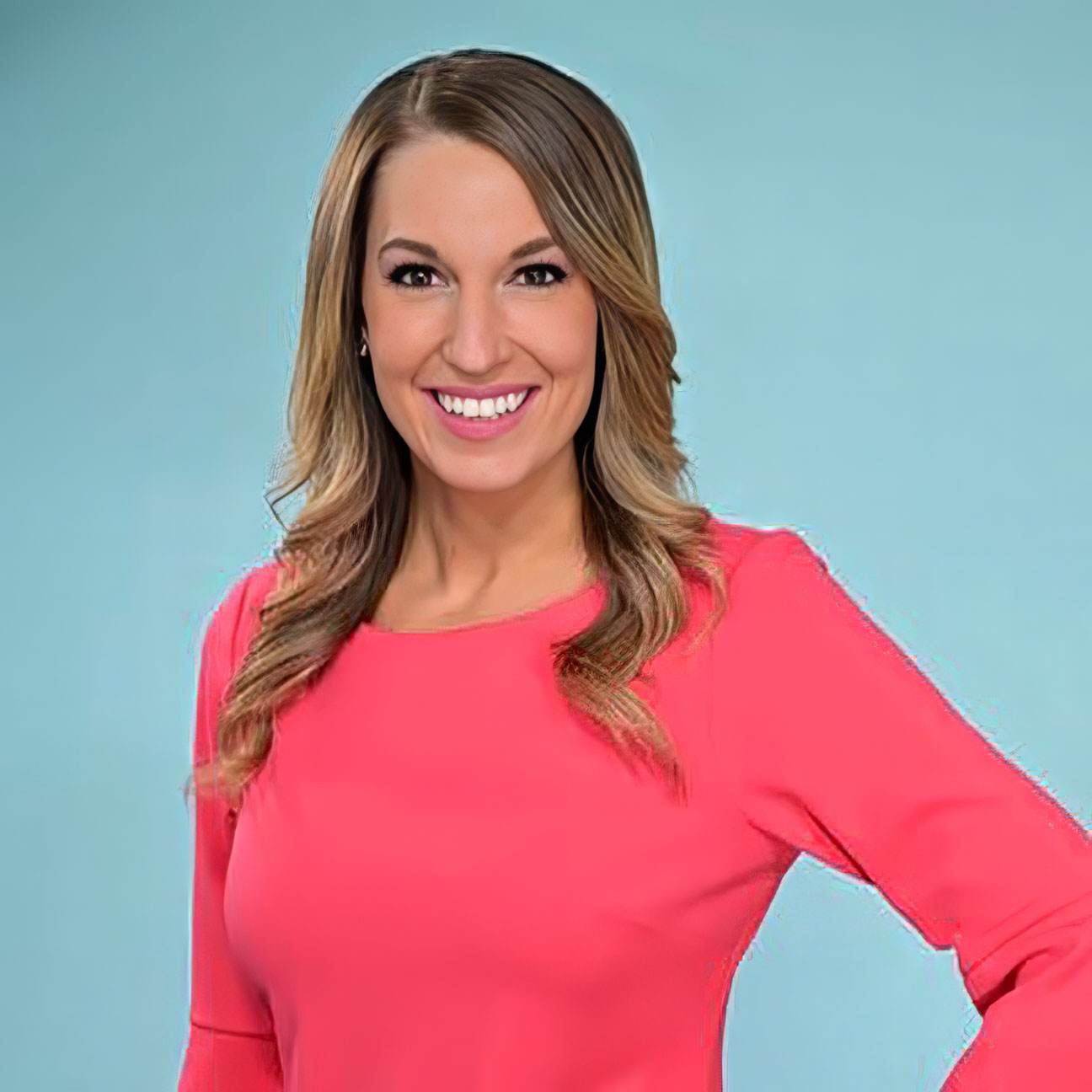
Emily Holwick
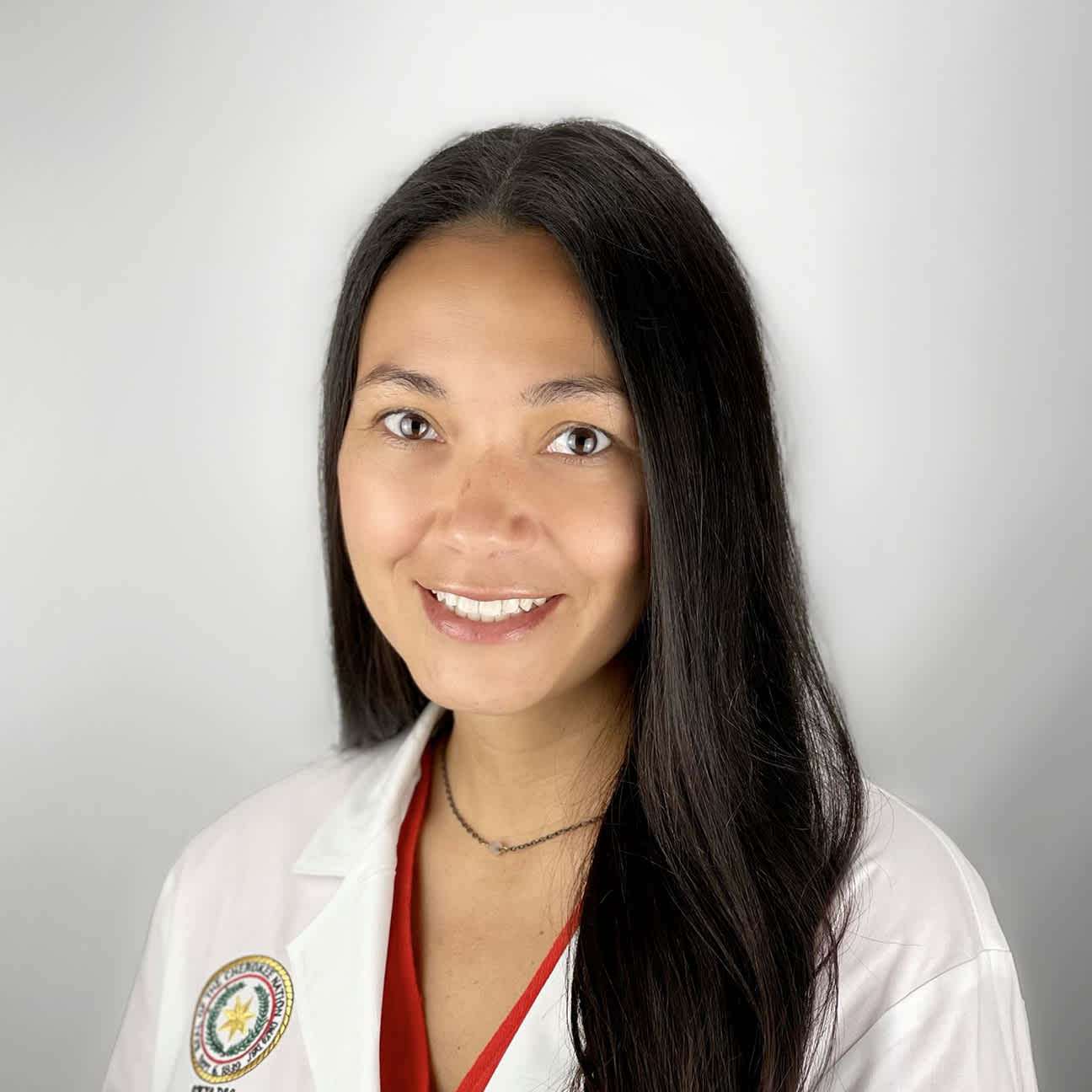
Calin Kirk, MD
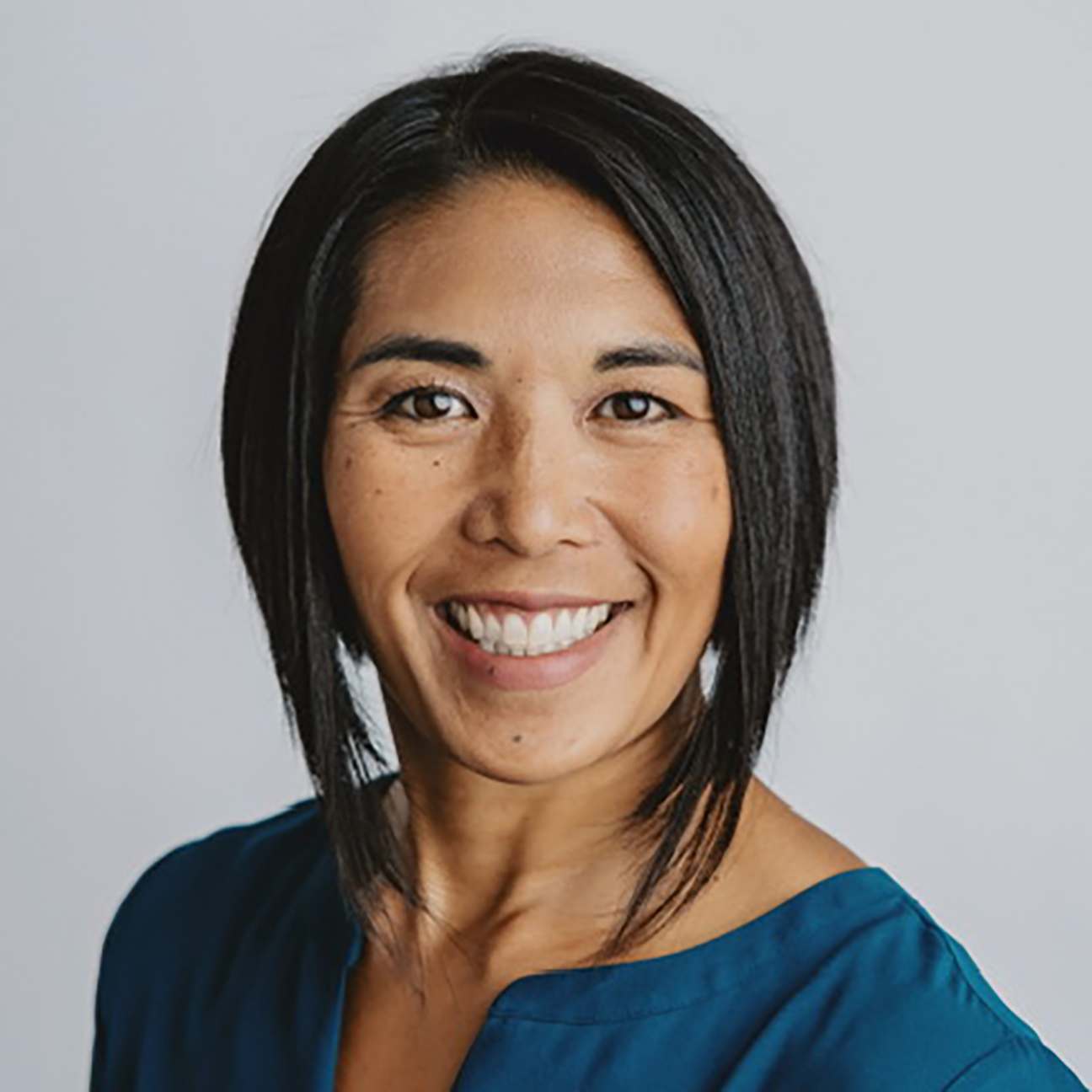
Sarah Gerrish, MD
Transcript
Welcome to Inside Family Medicine, where you hear from leaders and peers in your specialty while learning about new tools and resources. I'm your host, Emily Hallick, a member of Team AAFP Today, doctors ca Kirk and Sarah Garish are joining us to talk about how family physicians can promote health equity, especially in rural settings.
Dr. Kirk is a family physician at the Cherokee Nations. Sam Heider Health Center. In j Oklahoma and precepts medical students from Oklahoma State's College of Osteopathic Medicine at the Cherokee Nation, the first medical school affiliated with a Native American tribe. She received her medical degree from the University of Oklahoma College of Medicine and completed her residency at the College's Family Medicine residency in Tulsa.
Dr. Kirk is currently the president-elect of the Oklahoma a FP, and Dr. Garish is a full spectrum family physician dedicated to advancing health justice through community engagement and medical education. She serves as assistant professor at the University of Washington School of Medicine and Director of Curriculum Equity for both the Medical School and the Family Medicine Residency Network.
Dr. Garish has chaired the Diversity, equity, inclusion and Belonging Committee of the Idaho a f. P for the past five years and she's faculty at Full Circle Health Family Medicine Residency of Idaho. She received her medical degree from the University of Washington School of Medicine and completed her residency at the Family Medicine Residency of Idaho Boise Program Full Circle Health.
So thank you both so much for joining us today. Thanks for having us. Thank you.
I wanna start by asking each of you why you chose family medicine as your specialty. Dr. Kirk, I'll start with you. So it was kind of more of a, I couldn't choose what not to do. I liked every aspect of, of medicine from women's health to sports medicine to seeing the kids and then just the relationships that you make with families across, across your patient panel was really important to me.
And so family medicine just fit. And Dr. Garish, how about for you? So my parents immigrated from the Philippines, and they raised me to be deeply grounded in community and global healing traditions. I spent some time in a couple of global communities from Palau to Malawi and became deeply interested in the health of individuals that are grounded in community wellness.
I also experienced and witnessed the deeply negative impact of colonization on communities and how communities can become distrustful of Western healing traditions, and also how colonization can decrease access for social and structural com health components that impact how healthy one can be. So family medicine, especially rural and global family of doctors are ideally suited to be.
Well-rounded in medicine, resourceful, creative and collaborative, and grounded in community health and preventative health at all the rural and global health levels, and can address a lot of the problems in all of those spaces. And I just love, like Dr. Kirk said, when you're a family physician, you're kind of trained to do everything.
So I like kind of being a chameleon so you can plug into any space that is needed.
Well, this certainly all ties into health equity, which is our focus today. So I would love to hear both of your perspectives as family physicians. What does health equity mean to you at its core, and why do you think that family physicians are so well positioned to promote health equity?
Dr. Garish. So I, like I said, my parents are from the Philippines, so they have deeply instilled in me this idea of kaa. And so Kawa has no English translation. It's a similar word to Ubuntu, which is what Desmond Tutu spoke of, Posta Apartheid. And it's this idea that our humanity is bound up together. And Kawa is it.
A deep value in the Philippine X culture where individual's wellbeing and health is deeply connected to the wellbeing of others, which is the base of health equity that I, that's what I think is what healthcare equity is, and I think that globally health equity means that individuals and communities have access to both healing and able to define what healing looks like for them, and also have access to the social and structural elements that have the most impact to their, their health.
Family, physicians, especially in rural communities, are the first step to preventative health, acute care, emergency care, and specialty care. They also work in smaller communities where they will be embedded in what they know is impacting the health of their communities, like stressful events or exposures to violence or toxins or weather.
And they can help triage, navigate systems and advocate for care and many times help with community health programming. So in my view, they are the hub of the wheel of health and try to build up pathways to the other necessary elements needed for that wheel to function. Yeah, very well said. That's a good way to put it.
And Dr. Kirk, how do you define health equity and how do you see the role of the family physician fitting in? Yeah, kind of just building on what Dr. Garish said too, as far as like access to the care and what that care. Looks like for each individual person or each individual family and what matters most to them in their health.
And I think, like she said, family physicians are the first step that people go to when it's preventative care or acute care kind of things. And then we also have the unique ability to see everyone in the family. That not every other specialty does. And so we are more in tune with what's going on with the whole family structure.
Just like she said with like the community, the environment that you're raised in, all of that stuff goes into your health, and so family physicians are kind of the center of the wheel and help bring everybody in together and get where they need to be and where they want to be in their health.
And this is a topic that both of you clearly have a lot of passion for.
So can you each share a little bit about your practice setting and how you've personally seen health inequities show up in your own communities? Dr. Kirk? So I practice in a tribal health facility. It's the Cherokee Nation and they are self-sustaining in their, in their healthcare. And so we are, I'm seeing all native patients, not just Cherokee nation patients.
So the same kind of things that affect rural communities in general are definitely affecting our patient population as well because we are in a rural area, but then have that added layer of being the tribal healthcare system. I think access to care is, is probably the biggest inequity that we see. And then almost kind of like an isolation because there is so much space in between.
Each family unit space in between access to systems like exercise and activities and things like that, access to the closest grocery store. So I think that those, those are some of the things that show up the most to me, is just that is the access is limited, especially patients out here don't have the best transportation.
And then if you're having to travel over an hour away to a specialist or an hour away to a grocery store. It. It really affects their overall health. Yeah. There are so many social drivers of health that I know family physicians are acutely aware of that affect your patients. Dr. Garris, how about for you?
I have thought about this question a lot over the last probably. 10, 15 years. I recently, I wanted to share an experience that I had in my own family that happened in the last couple weeks. So my parents, like I said before, immigrated to the US from the Philippines in their mid twenties. They both speak and read English.
My dad got his master's in engineering at the University of Idaho, and my mom was a nurse at the Boise VA for 30 years. They were recently on a vacation in Florida a couple weeks ago, and they were about to board a boat for a crude, and my dad developed diverticulitis with a perforated bowel. That required emergency surgery.
They went to a public hospital and there were so many people coming in and out of the room, staff, medical teams, and they were talking so fast and giving recommendations that they didn't understand. When my parents finally called me, my mom said they had recommended emergency surgery, and they both were saying no to that surgery.
As a physician, I know that the very severe consequences of not getting the recommended treatment, especially for perforated bowel and an infection in your belly, and I was shocked that they were refusing treatment. So I ended up flying out and helping my parents navigate the medical system and being a part rounds and asking for information and asking to talk to both the medical and surgical teams.
And luckily my dad ended up having a colectomy with a colostomy that will hopefully be reversed in the upcoming months and is improving daily. When I asked why he refused the initial recommendation, he said that he knew he was in a teaching hospital and because of his experience in his life, he didn't want them to experiment on him.
And it also turns out that my Lolo, his dad had died six months after having a similar surgery in the Philippines at the same age, which is eight one. And I tell this story because my parents are educated. They speak English, they have a decent medical literacy, they have insurance, and the medical and surgical team almost signed them out a MA against medical advice because they were, quote, refusing, recommended care until I was able to advocate for them.
And I, I see the parallel to the inequities that I see in my own practice. So I practice in, in a small town with a population of 30,000 up. In the outskirts of Boise, and a lot of it just stems from the erosion of trust in the system based on personal or family exploitation by the medical system or the harm they have experienced within the medical system and the system's inability to give culturally sensitive care and a language appropriate care for those that may have hearing or vision limitations.
Those that don't speak English, those that are unable to read or write in English. And then patient's inability to navigate a complex system that doesn't have flexibility in payment or schedule, or systems that have built, been built on bias and assumptions and determination. So I. Tell that story and I, I was amazed with how that rolled out just for my family when it's the same thing that my parents experienced and I feel like I am also that person in my patient's lives tried to help them navigate this very complex system.
Yeah, absolutely. I, I think that that's the beauty of a family physician and that's, that people have, that they can come in and trust and be that person who can help break down all of the, the technical terms and explain it to 'em in a way that you know that they're gonna understand because of your relat, your long-term relationship with them.
That's certainly a powerful story that really illustrates the importance of having someone to be that advocate and, and understand and help you navigate that. And your parents and your father are certainly lucky that they had you to be there and that you could fly out there and be there for them because I know not everyone is.
Able to do that and not able, not everyone has a family member who's a physician and a family physician, so that that really is an impactful example.
We know that rural communities face unique challenges, as we've already mentioned, when it comes to healthcare access. What are some of the biggest barriers that you see to care, and then how can family physicians fill those needs?
Dr. Kirk? So, I kind of touched on it a little bit earlier because where we are, we're in a, a really small town of about 3000 people, but then there's like, you know, the surrounding counties use the tribal health system where we are too, but we are at least an hour and a half away from most specialty care.
And that even includes things like psychiatry and gastroenterology and things like that. You know, we have cardiology a little bit closer, closer to home, but. Very limited in some of the other things that we have. So I think that access to those specialists, access to transportation, to get them to those necessary appointments or procedures or things has been a really big part of what we struggle with.
Something that I think had was good that came from COVID was that it kind of forced everyone into telemedicine a little bit, and so that also helped us. Figure all of that out. Our patients don't always have the best access to internet or cell phone service, and so Cherokee Nation did go out and put some, some new cell phone towers out into communities so that the people can get, use hotspots and use wifi and things like that to help access to telemedicine, but then also bringing patients into our clinic.
And putting them in front of a screen that they can talk to someone in another location is a way that we're helping bridge that gap. We also have to help with transportation, and I think that that is something that is great about tribal health facilities, FQHCs, that sometimes they have access to things like that where they have someone that can take patients to their appointments or even bring them into our appointments and see us.
And Dr. Garish, it looks like you, you agree with a lot of that. Do you see some of those same things as the biggest barriers? Yeah, a hundred percent similar barriers. I would add insurance coverage to that. A lot of, I work in an area that has very low socioeconomic resources. I see a lot of farmers and people who are, do not have citizenship and can't access insurance.
And I would also add. That language is an issue. So we have a predominantly Spanish speaking population along with other languages like Chinese and Arabic, and we used to be refugee relocation city. And so we struggle with getting language resources for clinic visits and for medical literature, and. I think that there's also in, in our, in my rural community, there is also trouble getting access to reliable medical information.
And I, I come across this with like vaccine hesitancy or even reproductive healthcare, especially with recent laws, concordant representation within the staff and the. Providers, we especially concordant representation in places where executive physicians are making decisions on policy, where they're not representing the community that they're making the policy for a hundred percent mental healthcare.
We in the state of Idaho have a deficient amount of providers, counselors, social workers, psychiatrists. Psychologists. So COVID also helped us access at least the telehealth model so that they can access both specialty and mental health care for that. And I think that our, we're a teaching hospital and so we've had to be creative about how we can answer some of those.
Disparities and so we've been doing group visits, connecting also people with the communities and building community strength and having some of those community resources come to our clinic and delivering that care in group visits so people can like learn who's in their community, who are kind of fighting similar problems and learning all together from the specialists so that they don't have to do like one-on-one care all the time.
Trying to expand our time, trying to help our staff know what the tools are to help with language barriers. And then one of the bigger things recently is to supporting our staff with conflict management strategies so that sometimes that barrier of building trust comes at the front door. And so learning how or supporting our staff and helping them learn how to, to manage conflict on their own has been really helpful.
And when we talk about how social drivers of health impact patient's ability to access care and the barriers to access, the AAFP also has a great tool, the neighborhood navigator that members may or may not be familiar with, and that connects patients with more than 47,000 social services by zip codes.
So you can search it very easy for physicians and patients to use it, and that's also available in more than 100 languages. So it's just another way that family physicians, just something they can have in their back pocket to pull up when they have someone who has a need. Whatever that social need is to search in their community, what kind of help can they connect them with?
And that's another thing I think is so unique about family physicians because they're so connected and deeply ingrained in their patients' lives and connected to their communities so they can help them put those resources together and then ultimately improve health outcomes and their access to care.
So you both work with medical students and I'm curious how medical education and training can help prepare future family doctors to help underserved communities. Dr. Garish. I am glad that you brought up the A FP Neighborhood Navigator 'cause I actually use that a lot in my teaching because we, I don't know if you're familiar with Whammy, but then UDub Medical School is a teacher for students in Washington, Wyoming, Alaska, Montana, and Idaho.
So we train our students to understand, just like we've been talking about, what social and instructional determinants of health look like and how to access. Community resources, and a lot of the time they're going into a community they've never been in. A lot of the times it's rural, and so I tell them to look this up because the AAFP has done the workforce as a place to start, especially when you're doing rotations in a community that you're not from.
And so I use that a lot. The other things, I mean, similar to what we've been talking about. Focus on this rebuilding of trust with patients and communities. So understanding what inclusive language looks like, what patient-centered language looks like, how to come into a patient encounter with curiosity and humility, and really building a foundation of knowledge about how historical racism and bias have impacted medical care at the personal, interpersonal, institutional, and system levels.
Addressing our own personal bias, how to identify microaggressions and how to improve learning and delivery systems. So that we can be bystanders in addressing those microaggressions so we don't continue to harm patients and people who work in it in our systems. How to build psychological safety and teams and in medical education so that we can talk about oppression and discrimination in medicine and how it shows up.
Yet, due to dub School of Medicine, we use a restorative practice model, which is a tool that is recommended by the A EMC and then this understanding, like I, we had talked about before, how social influences. Impact, like what tools they can use that they, when they're in a rural setting in resource force settings.
And Dr. Kirk, what do you see as the value of introducing these ideas in medical education and how medical education can best prepare students for treating underserved communities? So I, the school that I went to, the University of Oklahoma at the Tulsa campus is called the School of Community Medicine.
And I think they do a great job of teaching and having the basic, the foundation of their medical education being in the community and how someone's community affects their life, their health. Just like Dr. Garish was talking about, the generational trauma, the microaggressions, just the zip code you were born in can affect your life expectancy greatly.
And so. Continuing to make that the foundation of like, okay, let's look at the person as a whole and where they came from and not just like what's their blood pressure, what's their lab values, but to really get deeper into who they are as a person and where they came from. And so we, I've continued to do that where we are, because we are kind of a rural rotation for the medical school that I work with now, the Oklahoma State University Medical School, and.
Just introducing those patients to kind of the whole, the whole family. That's one of my favorite things. When the students come in and saying, Hey, remember that baby that we saw two days ago? This is the great grandparent to that baby. And then having that full circle care.
You've both shared so much great insight and your personal experiences as well.
And before we go, I wonder if you could each leave our family physician listeners with one call to action for advancing health equity. What would it be something they could even start doing today, Dr. Kirk? I, I think that really keeping the patient's history at the center and kind of the person themselves in the center of your care would be a big way to do that.
Like Dr. Ge was talking about microaggressions, understanding confounders and people's health and just meeting them where they are because of who they are and where they came from. And Dr. Garish, what would your call to action be? I agree with Dr. Kirk. And I also would say this is a huge ask and if you're like saying, what is the big thing that can improve our communities, and it would be to rebuild trust.
And I, and I see that as collaborating, so having clinics collaborate with local community centered programs, and also improving the trust within our own teams. So giving time for each other to connect so that we welcome our patients into a welcoming community and educating our staff on what that looks like and what inclusion looks like, and what conflict management looks like so that we can continue to have patients.
Like Dr. Kirk said, our patient-centered care can be in this kind of welcoming community-based environment. Those are great tips and great steps that our members can take and start incorporating some more of those to improve health equity in their practices and in their communities.
Thank you so much to both of you for joining us and sharing your experiences and how family physicians can promote health equity, especially in those rural settings that we know face unique challenges.
And to our listeners, if you'd like to learn more about how you can advance health equity in your practice, we have links in the show notes. To several AAFP resources, including the Everyone Project, which has tools to help you increase access to healthcare and address social determinants of health. As well as related CME and other training and that neighborhood navigator that we talked about.
If you enjoyed today's episode, let us know by dropping a line to aafpnews@aafp.org and be sure to share the episode with your followers on social media and tag the AAAFP.
Resources
Disclaimer
Copyright 2026. AAFP. The views presented in this broadcast are the speakers own and do not represent those of AAFP. The information presented is for general, educational or entertainment purposes and should not be considered legal, health, financial or other advice. AAFP makes no representation as to the accuracy or completeness of the information and is not responsible for results that may arise from its use. Consult an appropriate professional concerning your specific situation and respective governing bodies for applicable laws. Reference to any specific product or entity does not constitute an endorsement or recommendation by AAFP unless specifically stated otherwise. AAFP and the AAFP logo are registered trademarks of American Academy of Family Physicians.