
IFM | Supporting family caregivers: How family physicians can strengthen healthcare’s hidden workforce
Show notes
In this episode of Inside Family Medicine, we are joined by Rita Choula, AARP's senior director of Caregiving, and Ecler Jaqua, MD, FAAFP, a family and geriatric medicine expert, to discuss how family physicians can support caregivers.
Topics include the role and challenges faced by family caregivers, key findings from the AARP's Caregiving in the US 2025 report, and important practices for family physicians to support caregivers.
Both guests share personal experiences, and underscore the importance of recognizing and supporting caregivers as a critical component of the health care system.
Episode hosts
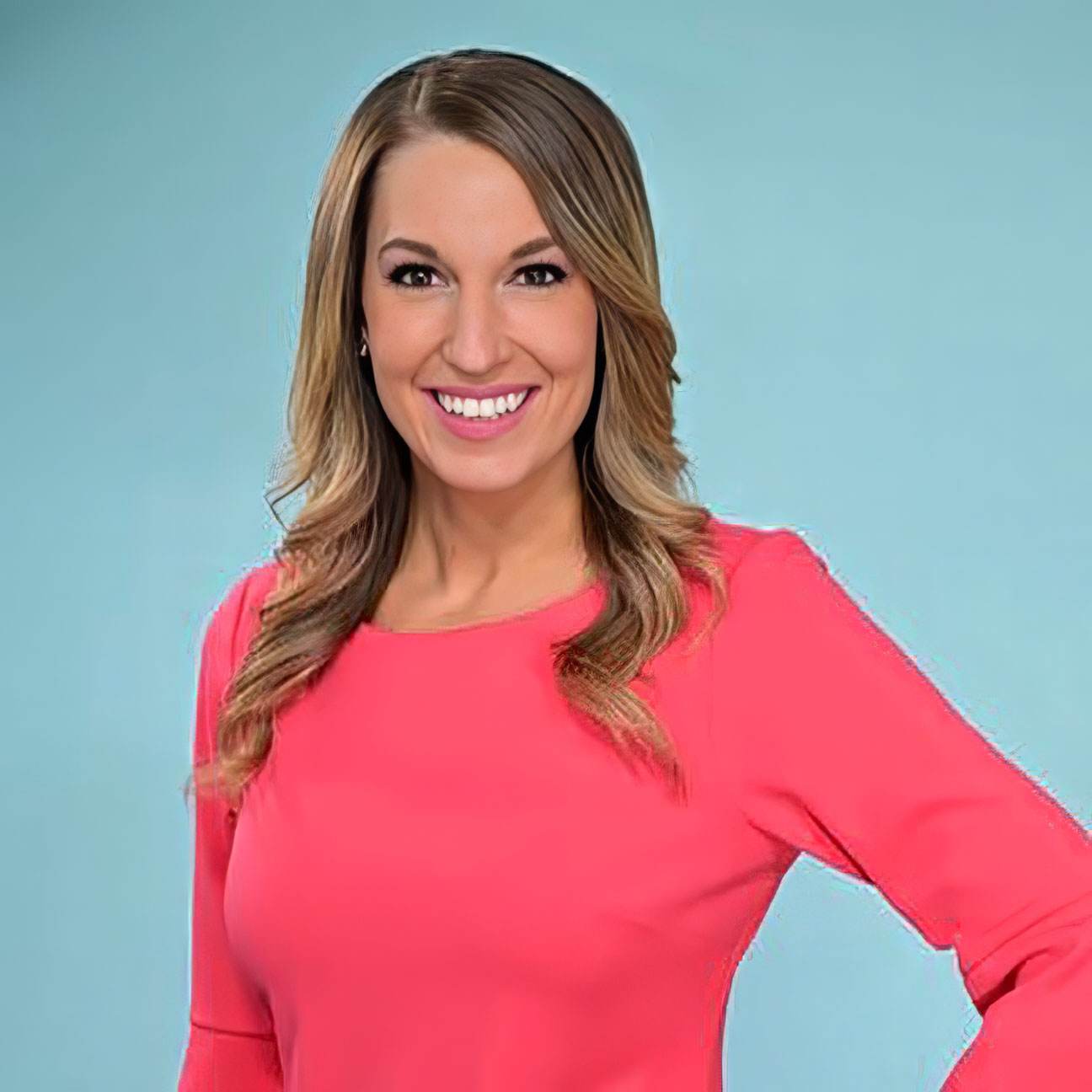
Emily Holwick
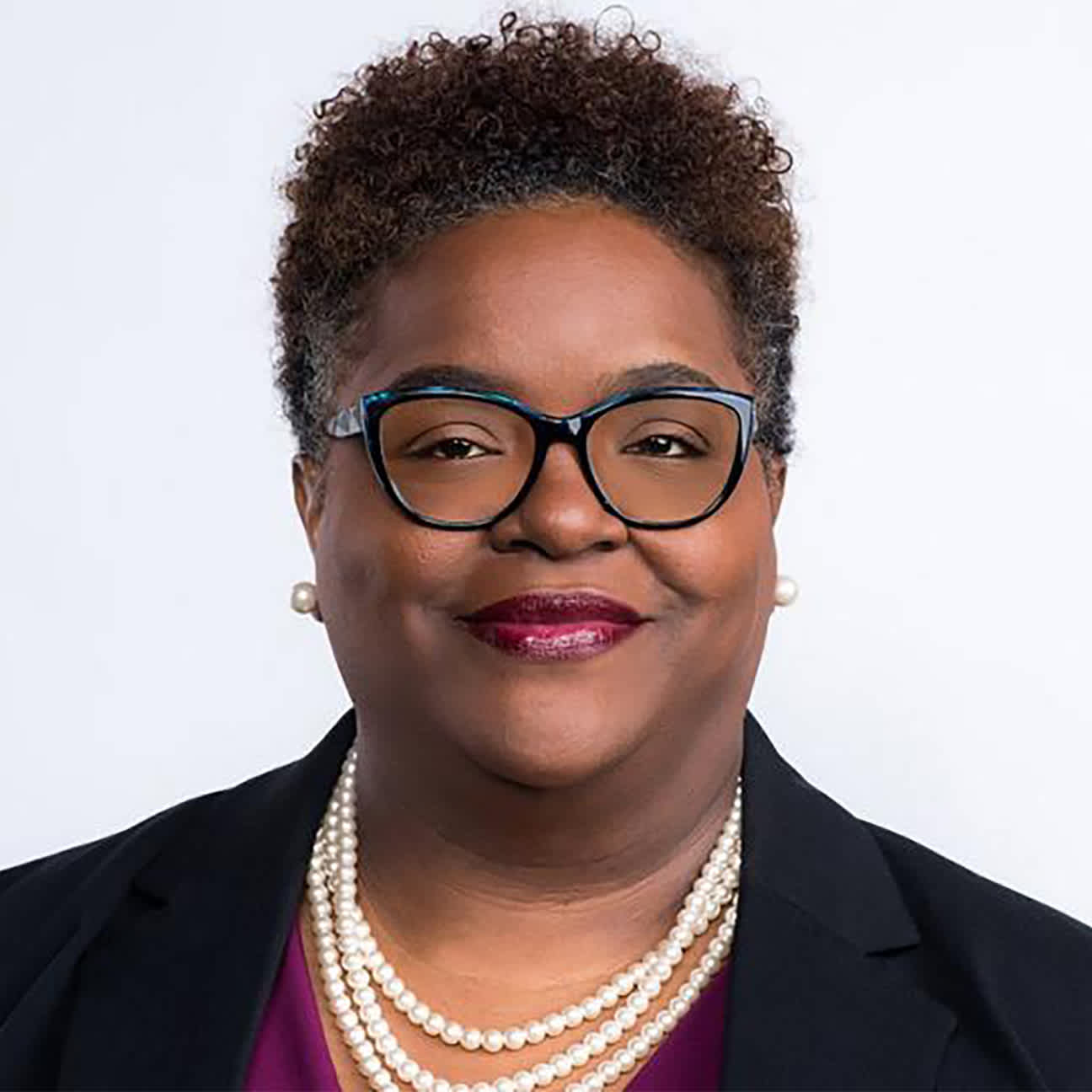
Rita Choula
Ecler Jaqua, MD, FAAFP
Transcript
Welcome to Inside Family Medicine, where you hear from leaders and peers in your specialty while learning about new tools and resources. I'm your host, Emily Holwick, a member of Team AAFP. Today, Rita Choula, AARP's senior Director of Caregiving and AAFP member Dr. Ecler Jaqua are joining us to talk about how family physicians can support caregivers.
Rita Choula is a nationally recognized leader in caregiving policy research and practice dedicated to ensuring that the voices of family caregivers shape the systems designed to support them. As Senior Director of Caregiving at the AARP Public Policy Institute, she leads efforts to embed caregiver supports into health care delivery, social services, and public policy.
Her work includes developing tools that help health care professionals better engage family caregivers. She co-authored AARP's Caregiving in the US 2025 report, and Rita holds a master's degree in the Management of Aging Services from the University of Maryland, Baltimore County. Dr. Ecler Jaqua is an associate professor of family and geriatric medicine at San Antonio Regional Hospital in Upland, California, and is medical director of the Hospital's Center for Aging.
She completed her family medicine residency at Loma Linda University and her geriatric medicine fellowship at the University of California, Los Angeles. She's board certified in family medicine, geriatric medicine, lifestyle medicine, and obesity medicine. And she also completed a Master of Business Administration.
So, thank you so much for joining us, both of you. Glad to be here. Glad to meet you. As we get started, Rita, can you first give us a brief overview of how the AARP is a resource, not just for patients, but for caregivers as well?
Absolutely. Caregiving really is one of the top priorities for AARP. We recognize that.
Many of our members and older adults alike are in a family caregiving situation, taking care of family members, friends, and others. And so, we know that it's important for individuals to have resources, particularly family caregivers who are in a position of just. Oftentimes, not knowing where to go or what to do.
And so, we have a website, aarp. org/caregiving, and on that website, caregivers are able to find a tremendous number of resources to help them at multiple stages of their caregiving journey, whether it's pre-planning, really trying to plan ahead of a crisis that may occur, looking at legal and other financial resources.
Or really just trying to get a better understanding of what does it means to be a caregiver or be in a community with caregivers, with other caregivers that are doing many of the same things they are. So, in addition to our website, we also have a very popular discussion group, AARP family Caregiver Discussion Group, which allows thousands of family caregivers to really connect with each other to get a better understanding of what they're doing and really be in community with each other.
So many wonderful resources. We know that family caregivers do so much and so much that is probably largely unnoticed by people who aren't in it themselves or haven't had that experience.
They really are unsung heroes. They actually provide more than $600 billion in unpaid care annually. That is a crazy number too. To try to wrap your head around it, but they really are doing so much. So, Rita, what are some of the key findings from AARP's Caregiving in the US 2025 report, and what do they mean for family physicians who are supporting these caregivers who are doing all this work?
This is such an important question because that relationship between physicians and the caregiver and their patients is such a critical element of what caregivers need to be really successful in their role and find success in their role. And you're correct. We oftentimes call family caregivers the invisible back-
Bone of the health and long-term care systems. So often, the things that they do and the priorities that they have in caring for others, often at a deficit to themselves, go unnoticed. We know that 63 million Americans are family caregivers, and most of them are unpaid, and this is a dramatic increase.
Since 2015. And so, what we're seeing is more individuals across the country that are taking on this role of providing care for someone in their family or a friend. Another thing that we know is that this is a widespread reality. So, as you said, it's not something that's just happening in your home. This is happening across the country, and depending on where you live, unfortunately.
Oftentimes determine how much support you have in this journey. I think some of the important pieces that we learned in this research, and this is research that we did in partnership with the National Alliance for Caregiving. We know that one in every four adults is a caregiver, and we know that 94% of these individuals are caring for adults.
One thing that we don't often think about when we think about a caregiver is the age of that caregiver. Oftentimes we look at a caregiver as being 50 and up, and while that is still the majority, we also know that one in three are under the age of 50. And so this means you have a number of individuals that are millennials or Gen Z that provide a great amount of care as well.
I think something very important for physicians and practitioners to understand is that what our research is showing is that over 40% of family caregivers are now providing high-intensity care. And so traditionally, when people think about taking care of a family member or friend, it's. Taking them to the doctor, it's providing transportation.
It may be helping them with bills. And while these are all critical elements of being a family caregiver, we also see that more family members are being asked to do complex medical tasks. And they're being asked to do them for a longer period of time. So, things that many of you do every day or have learned to do in school, these family members are doing at home, and only 22% are saying that they receive training.
And so, when you think about that and you think about the role of being a physician. What does that do, and what does that mean for this individual who is taking care of your patient, but also that family caregiver may be your patient as well? And one thing that is very concerning and important about that is that one in five caregivers are reporting poor health.
And in addition to that, a quarter of them are taking on debt due to caregiving. And so, as they are providing these. Really important support for family members and friends. They're also doing it at a deficit to their own health and their own financial well-being.
And you talk about that need for training and education for these caregivers, Dr. Jaqua, you specialize in geriatrics, and you see a lot of these older patients and those who are caring for them. So, from your perspective, how do family physicians support those caregivers who are often, as Rita mentioned, helping patients with complex needs? I know, yes. In family medicine, like, yes, I'm a geriatrician.
I see a lot of older patients, but it's not just us. Like, it's going everywhere. Every family physician right now, even my residents, they're like, oh my goodness, I'm just seeing way more. Older adults than before; I was like, yes, because we are aging, right? The technology and everything we know it, with all the data and the sensors, are showing us, so we family physicians are in a re very, really unique position.
We often care, like for multiple generations in the same family, and which means we have that ripple effect of caregiving firsthand, right? That we have the patient and the caregiver, which is our patient. Sometimes, and I think one of the most powerful things we can do is acknowledge, like having that, acknowledge the caregiver as part of the health care system, the health care team.
These are people who coordinate the appointments, they manage the medications, and they are handling emotional stress as well. And, like Rita said, often with little or no training at all to do all those tasks. And in my clinic, for example. I usually, and especially in my dementia clinic, I try to pause, and I ask, you know, like, Hey, how are you doing?
Oh, we are doing great. They're like, How are you doing? How you're holding up? You know? So I talk about the patient a little bit. Sometimes my patients have, like, moderate to severe dementia, right? So patients are not really responding well to us. So I just pause after we talk a little bit, and I just focus my time on the caregiver because the caregiver needs to be well.
To, you know, to be there present to the patient, right? And sometimes they forget about themselves. So that simple question opens that door of understanding; make sure the caregiver's not burned out or depressed, which is very common. And then from there I try to connect them, and we have, as family physicians, we.
Need to try, even if we don't know too much about caregiving, but like how to connect with the community resources, the AARP’s Caregiving Resource Center, and sometimes I mentioned respite programs to help them as well. Give them a little break, a little breath, and then. I think our role is supporting the caregiver, and so that is going to support the patient because when the caregivers are healthy, they are organized, they are supported, patient outcomes improve dramatically.
We've talked about how the caregiving population is growing because the number of aging patients is growing, and there are actually 63 million Americans now who are caregivers, and that's a nearly 50% increase since 2015, which is just crazy to think about how fast that's growing. So Rita, what factors are driving this surge, and how should health care systems and physicians be responding?
You know, there are a few factors that are really contributing to that surge. I think you named one of them in terms of how rapidly the population is aging. Additionally, there's more awareness from individuals who are now calling themselves family caregivers. For so many years it was, I'm, I'm just taking care of my mom.
I'm the daughter, I'm the son. You know, however you identified yourself, and you didn't talk about it outside of your dining room table, outside of your home. But now we see it, whether it's on social media, whether we see it in TV shows and media broadly. We're starting to see this conversation become more normalized.
And so individuals are increasingly identifying themselves in this way. And I think it's also a really big factor, and I talked about it in terms of that intensity of care, is that more providers, more physicians and others are really looking to. That other individual in the room with the patient to provide this care.
And so individuals are just kind of being brought into this role and being asked to do increasingly complex things.
Yeah, exactly. We actually have a statistic here that the AARP report that you co-authored shows that over 40% of caregivers now are providing that high-intensity care, often involving complex medical tasks that you didn't go to medical school and they don't necessarily have that training.
So I'll ask both of you to answer this one. What training or support do these caregivers need most, and how can family physicians help bridge that gap? Dr. Jaqua, I'll start with you.
Sure. Yeah, exactly. That's exactly what I was going to mention about like more than 40% are. Delivering that care. So what we think about, like, high-intensity care is like wound management, right?
Wound care, injections, helping with medical equipment, which can be sometimes confusing even for us, right? And then tasks that, you know, only physicians, nurses, or not even physicians are. Used to do it. So I think we can bridge the gap by offering, like, brief, targeted teaching even during our visits.
You know, like, hey, so for example, as I said in my specialty clinic, I always reserve time to just talk with the caregiver. And I know sometimes we don't have that time to talk with our caregiver on our family, back-to-back visits, family medicine visits. But I think it's important to have that time and just ask, like, Hey. How are you doing? Like, about the tasks, do you have any difficulty? What are the tasks that you're doing with the patient, right? So, how maybe to help to administer a medication safely, or like explain warning signs to watch for, or how to manage that equipment. So all those things, make sure they are able to do it, and if we don't know how to do it, refer to a pharmacist or nursing staff to help them to perform those tasks. Like, if you know, train them as much as we can. And beyond that, I always encourage caregivers to connect with community-based education, like hospice-sponsored workshops and online modules.
We have, through AARP, local health departments' caregiver coaching programs. So I. We have some resources that we give to the caregivers, especially, you know, if they want to, but we are there like, Hey, there's some research, some resources here. Sometimes like, no, it's okay. I got it. It was like, yes, but it's going to be, you're going to be even better.
It is going to make your life better and more efficient. Just a few minutes. I think it can prevent medical errors and also reduce stress. And I think empowering them, you know, the caregivers, with confidence and clarity. So we cannot expect them to do medical-level work without the right support.
So I think that's how we can bridge that.
And Rita, from your perspective, what do you see as the biggest needs for that training and support for caregivers, and how family physicians can help?
Well, I want to respond to Dr. Jaqua by saying yes. Yes, and yes. I mean, you really hit on all of the things that are so critical to supporting family caregivers as they're providing that care for others.
And all too often we hear from family caregivers that they just aren't receiving that. Oftentimes we'll hear someone say, I didn't know the questions to ask. And what you're saying, Dr. Jaqua, means. It is; it hits it right on point in terms of it being anticipatory guidance, right? They don't know what to ask.
And so you, as that physician, you as that practitioner in the room who knows what's coming next to be able to help prepare that individual that's providing that care is critical. And now we're at a very exciting time from a policy perspective, where so often we hear from physicians and others. That, well, I don't have the time, and I don't get reimbursed for that.
But now you do get reimbursed for providing training, caregiver training, and you can get reimbursed if that caregiver is in the room with the patient and the person they're caring for. But you can also do training with just the caregiver. They are Medicare caregiver training codes, and you know, they're really receiving low utilization right now.
So anything we can do to amplify the support that you, as that provider, receive or can receive by providing that training is really critical. I think the other point that I want to make is that, you know, oftentimes in these conversations around health care, we look at that caregiver. As caring for someone else.
I think it's really important, particularly with your members, to know that you are caring for caregivers. The caregivers are your patients. I cared for my mother for over 15 years with frontotemporal dementia, and for eight of those years. I was caring for two small children and I was at my wit's end.
I went to see a new doctor and the first thing she did was to talk to me about what was going on in my life. And the moment that I talked to her about me caring for my mother and me having two young children, she stopped me right there. And our relationship changed because she recognized the amount of stress that I was under.
And so that guided our. Conversation. It guided the testing, all of that she did with me on a whole other level. So, you know, I guess it's really important to know that there are supports now from a reimbursement perspective for providers, but then also recognizing that caregiver is patient and that caregiver as taking care of someone else.
Well, going in that same vein, I do want to talk about that unique challenge that some caregivers face. Nearly one third of caregivers are part of the sandwich generation, as it's known, where they're caring for both their children and their aging parents, which Rita, you experienced. So what unique challenges do these caregivers face in particular, and how can family physicians recognize and support them during those visits? Dr. Jaqua.
Yeah, this group is really growing. They are basically; these caregivers are balancing soccer practice with a specialist visit or managing parents with dementia and also raising their teenagers. So, it is emotionally draining and logistically can be very overwhelming, right? In so many different places.
Not at the same time, but it's very close. For family physicians, I think it's important to ask about the caregiving roles during the visit. Like I mentioned before, and sometimes even if the patient doesn't need to be like an older adult or a patient with dementia, but if we know, you know, there is like one of the members of the family is doing caregiving, like.
Asking this question and acknowledgment is very important because we can also try our best to offer flexible scheduling virtual visits and connect them with counseling caregiver specific support groups so we can try to help them, right? Like they're doing so many tests at the same time. So, I try to be as flexible as I can.
I know sometimes. Our organization, institution, or clinic doesn't allow, but that's what I try to do, try my best, and sometimes even like a simple acknowledgement, it matters to them. You know, I can just say, for example, I see how much you are doing, and you are taking care of two generations. It helps the caregivers feel like they are seen and validated.
I usually, on my visits, I tell, like I tell me the caregivers and in my case for my older adults, like you are doing an amazing job. Like I, you know, your father, your mother is so lucky to have you, and I can see how, you know, just like a little words of your comments, I think makes a difference because that emotional validation alone can relieve a lot of the guilt and the stress.
Yeah. Rita, you went through this, you experienced it, so what were some of those challenges for you, and how do you think family physicians can help address them?
You know, the challenges were immense because unlike my children, so my, both of my children were born into this caregiving situation where I was already caring for my mother, and then I had.
At any given moment. In the beginning, I had a 2-year-old and a newborn, and I had my mother, so my mom was dealing with incontinence. She was not eating food; she was having hallucinations. And then I had two young children. I think about one night in particular where my mom was extremely anxious and agitated.
It was 2:30 in the morning. My daughter was colicky. I'm holding a crying child trying to call my mom. I was like, I can't do this anymore. And we just at some point all fell asleep on the couch, laying on each other. But it was at that moment when I felt myself break. And what did not happen for many years was somebody like a Dr. Jaqua to say, you're doing a lot. What can I do to support you? And so when I did finally find a doctor to be able to do that, she didn't say. You are you stressed? Because I don't know what my answer might have been. No, I'm okay. She said, are you getting sleep? How much sleep are you getting at night?
Are you overeating? Are you undereating? What are you eating? You know, are you, being able to go outside and get a walk? She was asking me very. Specific questions because she recognized that I was really squeezed and sandwiched in between these two age groups that were both needed me, right? And it was my responsibility to provide care for them.
And so what I would say is that. Doctors, especially family doctors, have a really unique opportunity because you're in there across generations as you say Dr. Jaqua, to be able to say, these individuals are dealing with a lot, how can I help them? You know, when you have young children, you get the. To expect, right?
You get an email with every development. When I'm caring for, when I was caring for my mother, I didn't get that. I got a flyer or a one piece of paper to say, oh, she has FTD. Good luck, basically. And so it really is recognizing what are those supports. And being really clear with that individual and that access and connection to community resources is extremely important.
What Sandwich caregivers or any caregivers don't need is a book. They don't need a list of like 50 resources that you don't even know if they are still around. They really need that direct support because they don't have a lot of time.
Well, thank you Rita, for sharing your own experience. I can't imagine how incredibly difficult that all was, and I'm sure that fuels your passion for what you do because you've lived through it and you know firsthand what so many people are going through now.
And Dr. Jaqua, I wonder if you can share a personal story or example of how you're able to support a caregiver in a meaningful way. Maybe you were the physician who identified someone was struggling and you were able to offer that help.
Yeah, no, definitely. I had a few examples, but one that I usually know stays in my mind is that one of my patients, he husband and wife, and he declined, his memory was declining pretty fast, you know, like in matter, maybe months or a year.
Well, I was able to have a conversation with him and I couldn't anymore. He was not even talking or even recognize me. So she was like in her seventies caring for him. So something started as mild to moderate. He just, like I said, so fast, you know, he wasn't already advanced Alzheimer's disease. He couldn't do anything by himself anymore.
When she came for her routine visit, we always spend, you know, the first few minutes talking about him, about the medications. There was some behavioral changes, but I could feel, you know, like every time that she was, you know, more tired, she was like tired, you know, and she looked tired to me and that day.
She didn't look kind of herself, kind of like exhausted. And I ask, Hey, so how are you doing? And Rita, exactly. Oh, we are doing, we are doing fine. You're doing great. I'm doing great. I said no, like we are doing great. And I said, no, how are you doing? How you are doing? And then she looked at me and she start crying and then moment, you know, so I just changed completely the focus of the visit.
Her husband, he was there, but not there, you know, because it was so advanced, the disease. So I was able to talk with like, please share with me. No. What is the situation? Do we have somebody to help you? I know it's not easy to find other caregivers to help you, and it's very expensive too. So. After we talk a little bit, I arrange, I was able to resp arrange respite care.
But one thing that is important, and I don't know if Rita also experienced that there is a little bit of resistance. Sometimes the caregiver, they feel the guilt of like not being able, right. Rita, to be there. So every time I talk about, let's hire somebody else, let's ask family to help, let's do respite.
Care, which is basically right place the patient in a nursing home just for a little bit, like a few days just for the caregiver, the family go to vacation or have a little time off. I don't like to say the word like break, but there is a lot of resistance. They really, the caregiver really doesn't want to.
Leave the patient, you know, like, no, I need to be there 24/7. And that's when I come to that same speech. Like, if you, if we don't take care of you're not going to be able to take care of him. So let's, let's take care of you right now because I want you to be healthy and happy and not, you know, like overwhelm and burn out because we need you.
Right. Okay. Okay. We do it. So respite care, I coordinated with social worker. We gave some caregiver resources as well, you know, to kind of to balance. So she doesn't need to be there like 24/7. Local caregiver support network as well. So a few months passed and then the next visit she told me like, Hey, I'm, I want to say thank you.
I finally feel like someone is taking care of me as well. You know, because they are there just to take care of the other, but they feel that nobody's taking care of them. So my, it was a reminder to me that sometimes the most healing thing that we can do isn't medical, but it's just being human, you know?
And just see the other person over there that is suffering and just stand that hand. Just give that hand to them and be there for them.
Yeah, that's such an impactful story and example, and I think it's helpful for our listeners who are family physicians to hear that, because like you said, that's not even a necessarily a medical training piece.
It's just the human piece. And that's something that family physicians are so great at because you have those. Trusted relationships with your patients and you can just be human one-on-one and you can really feel when something's just not right. Like you picked that up from your experience with that patient and you knew.
And so that's again why family physicians are in this unique position to be able to help and offer that support. And it's also so wonderful to hear that she noticed and appreciated and felt that support and it made a big difference for her. Well, you have both shared so much incredible information with us today.
And before we go, I would just like for each of you to share one main point that you really want listeners to take away from our conversation today. Rita.
Sure. I would say that family physicians are in a really unique place in terms of being able to support family caregivers, both as patients themselves, but also as these invisible providers of care for your patients.
We are. Fragmented health system. We as caregivers navigate that every day. And you are in a unique position for individuals that are looking to you for guidance. They're looking to you, they trust you, and so being able to take that trust. And turn it to make sure that individuals are being supported and taking advantage of the tools and resources like the Medicare caregiver training codes, like the resources that AARP and other organizations offer to really provide those supports to make a better experience and provide better outcomes for the individual that caregiver is caring for, but truly for that caregiver themself as they navigate and try to take care of them.
Their own selves emotionally and physically.
And Dr. Jaqua, what's your main takeaway for our listeners?
Yeah, completely agree Rita. And yes, if there's one thing I would like, hope the listeners they remember is that caregivers are the hidden backbone of our health care system. They provide like over $600 billion in unpaid care every year, like we mentioned.
And yet many of them, they feel invisible or they feel unsupported. So we as family physicians, we are in the perfect position to notice when someone is struggling, right? And we should validate their experience and guide them towards the help, the help that they need. And to any caregivers listening, please remember that caring for yourself.
It is not selfish. It is essential, and you can't pour from an empty cup. When you care for yourself, you care better for the ones that you love.
Thank you both so much for sharing your insight, your personal experiences, and so much valuable information about how family physicians can support caregivers.
And to our listeners, if you'd like to learn more about supporting caregivers and aging patients, we have resources from AARP and the AAFP in the show notes for you. And if you enjoyed today's episode, let us know by dropping a line to aafpnews@aafp.org. And be sure to share the episode with your followers on social media and tag the AAFP.
Resources
Disclaimer
Copyright 2025. AAFP. The views presented in this broadcast are the speakers own and do not represent those of AAFP. The information presented is for general, educational or entertainment purposes and should not be considered legal, health, financial or other advice. AAFP makes no representation as to the accuracy or completeness of the information and is not responsible for results that may arise from its use. Consult an appropriate professional concerning your specific situation and respective governing bodies for applicable laws. Reference to any specific product or entity does not constitute an endorsement or recommendation by AAFP unless specifically stated otherwise. AAFP and the AAFP logo are registered trademarks of American Academy of Family Physicians.