
IFM | How we create vaccine guidance
Show notes
Host Michael Monroe discusses the AAFP’s process for developing evidence-based immunization recommendations with Margot Savoy, MD, MPH, CPE, FAAFP, the Academy’s chief medical officer and senior vice president for education, inclusiveness and physician well-being, and Danielle Carter, MD, FAAFP.
They explain how the AAFP historically worked alongside the CDC’s Advisory Committee on Immunization Practices (ACIP) and other medical organizations to review vaccine evidence and translate it into practical guidance for family physicians. Drs. Savoy and Carter discuss why that process needed to evolve beginning in 2025 and how the AAFP has built a new approach designed to preserve rigorous evidence review, transparency and independence from nonscientific influence.
They walk through the new process, including evidence synthesis from the Vaccine Integrity Project (VIP), collaboration with other medical societies and review by the AAFP’s Vaccine Evidence Review Council, Commission on Health of the Public and Science (CHPS) and Board of Directors. The goal remains the same: provide recommendations that family physicians can trust and realistically implement in everyday practice.
The episode also turns to the questions physicians are hearing from patients as respiratory virus season begins. Carter reviews common questions surrounding COVID-19, RSV and influenza vaccination and discusses how family physicians can tailor recommendations to each patient’s age, health conditions, pregnancy status and individual concerns. Savoy and Carter emphasize that vaccine hesitancy is often an opportunity for conversation rather than a simple yes-or-no position, and that listening to patients’ concerns can strengthen trust well beyond immunization decisions.
Episode hosts

Michael Monroe
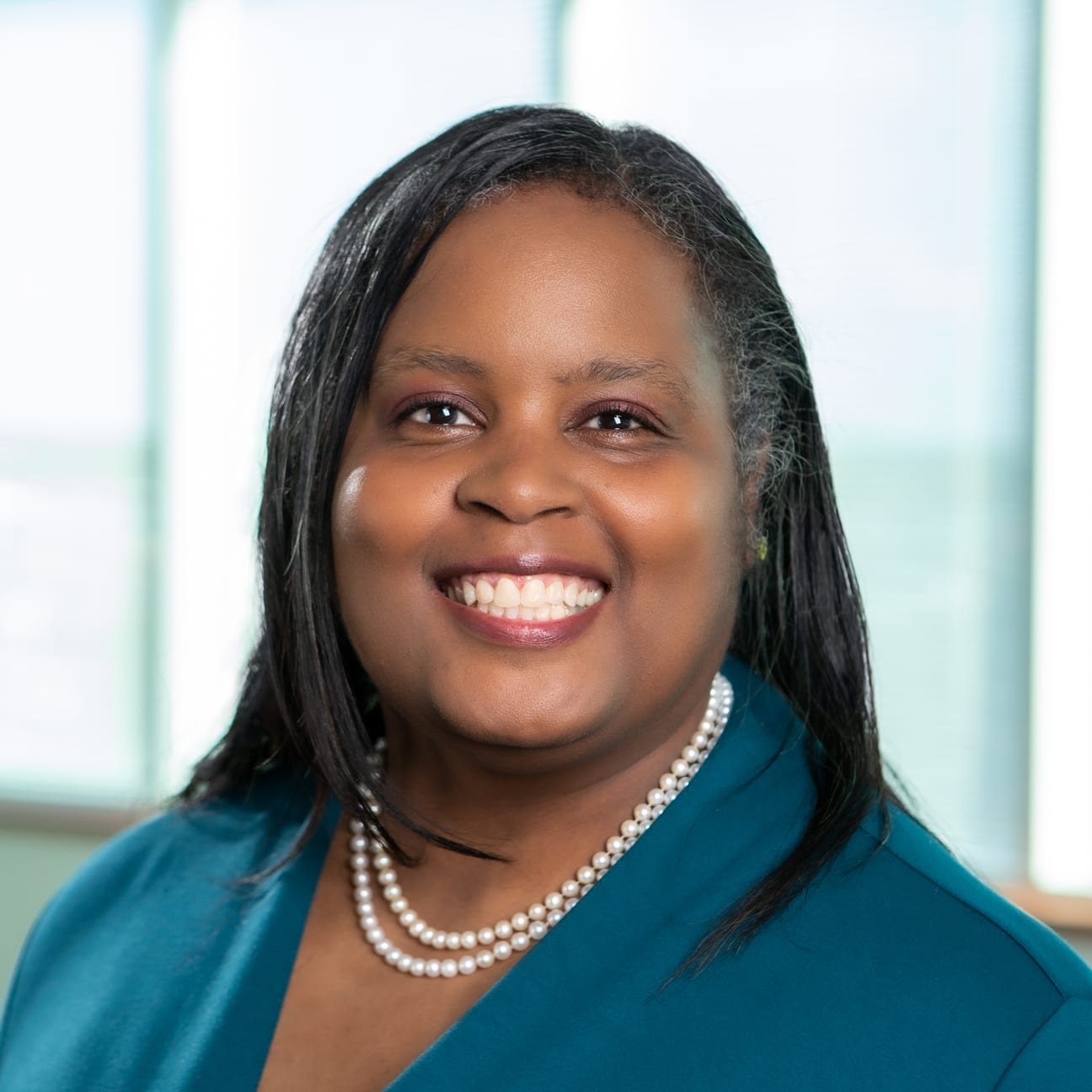
Margot Savoy, MD, MPH, CPE, FAAFP
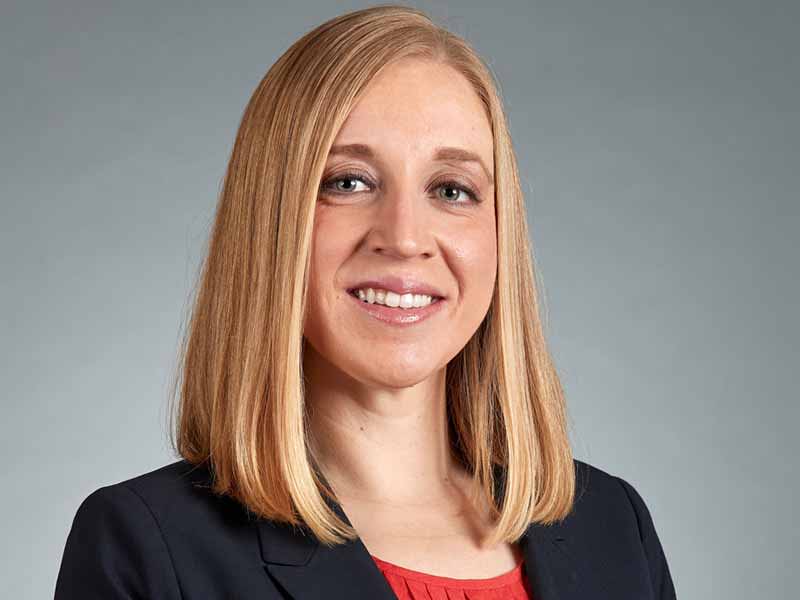
Danielle Carter, MD, FAAFP
Transcript
Welcome to Inside Family Medicine, where you hear from leaders and peers in your specialty while learning about new tools and resources. My name is Michael Monroe, senior manager for clinical and health policy and a member of team AAFP. Today, we're talking about immunization recommendations for the fall respiratory virus season and how the evidence review, recommendation development, and ultimately the approval process for those recommendations has changed in recent years.
Our guests are Dr. Margot Savoy, chief medical officer and senior vice president for education, inclusiveness, and physician well-being at the AAFP, and Dr. Danielle Carter, a family medicine physician at Ascension St. Vincent's Primary Care in Jacksonville, Florida, and the 2026 chair of the Commission on Health of the Public and Science.
So, Margot, can we start the conversation? How did the immunization recommendation process used to look for us here at the AAFP?
I think this is such a great question because I honestly think most people had no idea how vaccine policy got made, and then one day it was on the news. And so even for a lot of our members, I think unless you happen to be on Health of the Public and Science, it probably was just not something you paid attention to.
A schedule just showed up in your mailbox, and you didn't really know how it got to be. But historically, the way that we would do it is that the AAFP would rely a lot on systematic evidence review, kind of like we do for any other guideline or guidance, but that we would get that information through our process of partnering with the CDC, specifically on their advisory committee on immunization practices.
So it was a group of people who had work groups and other teams of the professional folks, but also laypeople who are, they're all interested in vaccine and vaccine policy, reviewing the data, reviewing the science, reviewing the evidence, creating the recommendations, and then talking about them, hashing it out, making sure it makes sense, and then actually making recommendations that then went to the CDC and ultimately would be made into policy by the Department of Health and Human Services.
And so it was sort of a process. It went on all year long, so people think about it like they hear the recommendations once a year, but it was pretty deep. It lasted all year. People were talking about things for many years before a recommendation would come forward, because sometimes it was new vaccines or new things going on.
And so you would hear about it for many years while they were getting the data worked out and figured out. And luckily for us, we have so many family physicians who participated in that work, and so they were showing up on those working groups, showing up on those committees. We've actually had family physicians who were sitting on that ACIP and doing that work in the big picture.
And so when the evidence would come out and when the recommendation would be made, we didn't stop there. So even though we had members involved, we would also pull the information forward to our Commission on Health of the Public and Science. For people who don't know, we've got a bunch of commissions.
You're always welcome to apply. So if I ever get a chance to tell people, "Apply for a commission," this is the moment where I tell you, "Apply for a commission." That's where all the work gets done in the building. But the Commission on Health of the Public and Science has a team and a process where they actually can review guidance and guidelines.
And so for us, immunization guidance happens the same way as everything else. It goes through a review process. They look at it. They use a lot of the science and evidence process that we think about for any other guideline, come up with a recommendation for the board of directors, and they send that forward.
And so you can feel really confident that once the board acknowledges it and recognizes it and accepts it, that it's actually been well-thought out, well-vetted. Science has been reviewed. We’ve had family physicians involved at every step along the way, and we could feel really confident about the information we got.
And so we weren't independently reproducing all of those things, but we were working really closely in tandem with both our partner organizations like AAP or ACOG, and then with the federal government to think about how to make sure those things made sense. And so that's how it used to happen back in the day. So that was sort of the big process.
So then, of course, today we're talking about our new process. So, Dr. Carter, can you talk us through a little bit why did this process have to change?
Yeah. I think that's really important for us to talk about, and I think what Dr. Savoy said earlier was so important, that we all really fortunately got used to what seemed like these recommendations just showing up for us and didn't really have to pay attention to what was going on in the background.
But we know that the national vaccine policy, the environment around that changed really significantly beginning in 2025, including lots of changes to how federal vaccine recommendations were being made, developed, and communicated. So we needed to make sure that our family physicians could keep relying on recommendations that were grounded in a transparent and systematic review of the evidence and also protected from any non-scientific influence.
So we had to take on rebuilding the front end of the process that we used to rely on being able to review after the fact. And rather than abandoning any sort of process or any standard that the AAFP had used for years, we had to make our own. It was really important that we didn't do this alone because immunization recommendations affect the whole healthcare system.
So while doing this, we also needed to maintain collaboration with other medical societies and other evidence experts to make sure that we're able to put forth the best recommendations. The goal in the end was to make sure that there was continuity for physicians and patients, and a different source for some of the evidence synthesis, but having the same expectations for the rigor, the transparency, the clinical relevance that everybody expects when they get a vaccine recommendation or a vaccine table with AAFP stamped on it.
So Dr. Savoy, what is our process now?
It's such a great question because I think sometimes people get nervous because they think we blew up the whole thing, but we didn't. Dr. Carter mentioned this earlier when she said, you know, we had to redo the front end a little bit and make it make more sense for the way that we like to think about evidence and how we review our evidence.
But the back end in large part stayed the same. So let's spend a little bit of time thinking about the front part. So really where our evidence changed is around our evidence synthesis now coming from an independent group called the Vaccine Integrity Project. Essentially they're working in partnership with the AMA and some of the other professional societies with some support from the Council of Medical Specialty Societies to help us have access to the kinds of information and convenings that we were having in that ACIP structure that we were having before.
And so in this way, we still get the opportunity to see all the evidence, to hear about it, to talk about it, um, and have space to do that sort of deliberation and get systematic reviews without necessarily having to bear that all by ourselves or do it all on our own. So, as you know, we have a pretty decent sized team, but we couldn't do this on our own.
So they have all of the ability to create the systematic review, but then also develop the evidence brief that we can then use to help develop our own recommendations. And so it's not just us. The other medical specialty societies are using their evidence briefs to develop their recommendations for the audiences that they serve.
And then the AMA is helping us coordinate all of those things together, and CMSS helps us connect with spaces like how to do things that are maybe a little bit more cutting edge or coming in the future. Stuff that we also used to get to do in that CDC process, where we had opportunity to hear about, for example, vaccines that may be coming up in a few years, but the data hasn't published yet.
And so just spaces where we can have those kinds of conversations. All of this is super important because we still need to have that collaboration at the beginning. Family medicine doesn't practice in a silo, and we certainly can't do all that work by ourselves. And so for the fall recommendations, you're going to notice that we coordinated with a group of people, but they're all friends.They're people that we always coordinate things with. So AAP, ACOG, and IDSA each worked on different aspects, but we were present for all of those things. So there were family docs involved in every step of the way, even in that early space.
And then the second part that I think people don't necessarily get nervous about, but they start to wonder when they think about it long enough, is, "Okay, that sounds great, Margot, but we knew where the money for the CDC came from because it was government-funded. Where are these VIP people getting their money from, and is that a problem?" And luckily for all of us, the VIP does evidence review work, and they follow a lot of the same guidance that we do about guideline-specific things. And so they're independently funded. They’re using money from foundations and other places that are not necessarily, for example, pharma or places that people get very nervous about.
And so their methods are public, their data is public. They actually intentionally do a separate assessment of the science from what the commercial folks or political folks are asking for. And so it's exactly the sort of review that we would've expected to have happen in order for us to build a guidance or a guideline.
And so it makes a very good partner for us as we're doing our work, and so it's really important. Now, the back end, so all of the information about how we write the recommendation, how it gets reviewed, a lot of that didn't change as much as people think it did, which is pretty exciting. So that first end, different, very consistent, still does the same thing.
Output still looks quite similar, but just requires a lot of reconfiguring in order for us to make it work. But it did really great this year.
Yeah. I agree. And then that's where the real fun starts because it comes back to us so that our team of family physicians can really take the lead.
And Dr. Carter, you and the work that you do with the Commission on Health of the Public and Science really kind of lead that charge. So what does that process look like from your perspective?
I mean, really, to be frank, it's been a really interesting and challenging process, but in a way that I think has also been really rewarding for the members of the commission.
We all want to be on commissions because we want to help shape the work of the AAFP and for our colleagues. And this year we really got to do a lot of that, and we hope that it is helpful in the clinical setting. So, the evidence briefs will come back to the AAFP, and they're reviewed through the family physician lens.
So what does this evidence mean for patients that we see and across the lifespan, and then the clinicians who have to implement it? So one of the big new pieces that was added this year, and actually AAFP really had great insight to know that this was something that was going to be needed because this Vaccine Evidence Review Council (VERC) was actually brought to life last year, but then became active this year.
And that's a dedicated group of family physicians with expertise in evidence review, vaccine science, and implementation. So that's our new extra step. The VERC will provide additional method and evidence review capacity, and then they will pass that information along and work with our subcommittee on clinical preventative services to help draft recommendations that eventually then go to the Commission of Health of the Public and Science, who reviews and vets and helps refine these.
Some of this back-end part did stay the same, but like I said, the AAFP had the thought to make sure that we have the extra layer of VERC. So that means that we are not just taking another group's organizations and saying, "Yes, this is the AAFP's take on it as well." The AAFP physicians are evaluating evidence and making independent judgments about what we should recommend to physicians and to their patients.
And this lets us keep in the same conflict of interest safeguards apply through the process all of us still have to go through, the disclosures and the recusals when appropriate. So throughout the process, participants do have to disclose their conflicts of interest. And then as a practicing family physician, I can also have the insight to bring the implementation piece into the room.
So do these recommendations make sense when I'm in an exam room? Is this going to be understandable to patients? Can a family physician actually use this? Because our recommendations do come out both in a patient-facing form and a clinician, a clinical or physician-facing form. So we want to make sure that it's clear on both sides.
Our final step is adoption of these final recommendations. What does that process look like?
Right. So I mean, the last step is the same as the last step has been. So once the commission reviews it, they put together a recommendation for the board of directors, and the board of directors reviews and approves it as well.
If they have questions or concerns, you should never be worried that they just rubber stamp all the things that come out of the commission. So they definitely take the time to read what we're sending forward, think about whether it actually makes sense. If they've got questions or concerns, they send them back.
And so sometimes there's a bit of back and forth, but oftentimes, you know, that back and forth has happened before, and so then it gets approved. Once it gets approved, ultimately it comes to the Congress of Delegates to get ratified at that annual meeting that we have at COD. And so there's multiple checkpoints along the way between the evidence review and how we're actually getting the work done before it actually becomes official AAFP guidance.
And the interesting part to me that we didn't really talk about, but it's worth just sort of flagging it for you all, too, is that just because we're not necessarily using the CDC process on the front end doesn't mean that we're ignorant to what's happening in the CDC or what's happening in the federal government or what other organizations are doing.
We still very much show up to all of these meetings, and we still show up to spaces and places where those conversations are happening because family physicians deserve to be in the space, and frankly, the country deserves to hear our voice there. And so we show up and make sure that we're active.
But ACIP got a little bit sidetracked, and so they're not even meeting at the moment. We didn't want to wait until they got back on track to figure it out. We wanted to make sure that we had the evidence and the guidance we needed. So don't worry that if the CDC begins to make recommendations that we wouldn't have a process that then allows us to review those things and to let you know whether we're incorporating it.
If they find information that is appropriate and evidence-based, we would incorporate it just like we used to do before. And so some of that work didn't go away. So don't feel nervous that somehow we threw out the baby with the bathwater because that's not what happened. We're just making sure that we're bringing you the same level of quality that you're used to having and the way we did before.
So multiple checkpoints, lots of opportunities for us to think about making sure that physicians were present to lead the governance structure, to be accountable to what AAFP members are expecting, and to make sure that at the end of the day, you're getting exactly what you paid for, which is a systematic evidence review ecosystem that really is respecting the science but also providing you, the nimbleness to be able to change as new things show up and to be transparent about how we came to those decisions and conclusions.
And then ultimately, AAFP is still owning it, and so family physicians are still driving that governance and that clinical review. So just really things that you should be very positive about and feel really confident about, even despite all of the sort of conversations and things happening around.
One of the most important parts of this conversation is the actual implementation of those recommendations. You know, we always say that guidelines and clinical guidance are only as good as the implementation of those recommendations. So Dr. Carter, you talked about this a little bit. As a practicing physician, this is an important part of your work.
What kind of questions are you hearing from patients as you start to roll out fall vaccines and the new immunization schedules?
Yeah. So all of the background things that are going on and the noise that Dr. Savoy alluded to, it's not just getting to us, it's getting to our patients as well. They're hearing all of this. And one of the big questions is, "Well, what am I actually supposed to get? What's going on? Do I still even need these vaccines specifically now for respiratory season?" Patients are just getting so many different messages from federal agencies, from professional societies, from pharmacies, news coverage, social media.
So it's really great to be able to share with patients that our professional organization, you trust me as a family physician, the professional organization that I trust has made these recommendations. They've made them soundly; they've made them fairly.
And not only do I have recommendations that I can use, but again, we have those patient-facing resources that we can point them to and say, "Hey, I know that this is really confusing. You trust me as your physician. I want to give you resources I trust." So some of our information about vaccines, familydoctor.org, we can point them in all of these directions. So it has been really helpful to have this information, because there are lots and lots of questions.
And with that, the other set of questions that I'm getting the most is really, "Why did these recommendations change?" Or, "Why do your recommendations look different now from the CDC after spending all of these years saying that we're following CDC guidelines?" So this really gives me the opportunity to explain how we're evaluating the evidence a little bit differently now, in a different process, but still in a manner that is trustworthy and evidence-based.
Right now, questions really are coming up about COVID in particular. So, "Do I need to get the vaccine? Is that something that we're still even doing? Does it matter for my child or if I'm pregnant?" And that has stayed consistent and straightforward through the AAFP's recommendation. So we do recommend COVID vaccination for adults 19 and older, and then all children 6-23 months, and then a risk-based approach for anyone ages 2-18. But we do want to still preserve access for families who want vaccination, and then any vaccination during any trimester of pregnancy, and lactation.
When speaking about the RSV vaccine specifically, because it's a newer vaccine in the vaccine space, at least for patients, questions tend to be more about who even qualifies for this. So we know that older adults, adults with additional risk factors, pregnancy, and protection of infants is very important. So the AAFP does recommend a one-time RSV vaccine at 75 and older, and then ages 50-74 for anyone who's at increased risk. And this new guidance also includes immunocompromised adolescents and adults.
Flu is a little bit more familiar because that vaccine has been around for a while, but still every year we get the question, "Do I really need to get it every year? Is it going to work this year?" You know, "I got the flu from the flu vaccine." We get the same questions that come up for every year, right? But the AAFP continues to recommend annual influenza vaccination for everyone 6 months and older that doesn't have a contraindication to the vaccine.
And then their practical questions come up, and this can change from location to location, practice type to practice type. But can I get the flu and COVID vaccine together? If I can, where do I even go to get them? Which flu vaccine should I get? What's the timeline that I should get the flu vaccine in? Is there a too early or is there a too late? Or does it matter if I recently had flu or COVID? And really underneath all those questions is what we're so good at as family physicians, is what applies to me in my specific space and knowing that the patients are coming to us for those recommendations.
So you also see patients of all ages and provide obstetrical care in your practice. How do you tailor your vaccine conversations to all of your patients, and what seems to open up the most dialogue between you and the patients that maybe have more questions about vaccines?
That's one of the great advantages of family medicine, to be honest, is that we are able to have these conversations across a lifespan, across generations of the same family, and sometimes as that lifespan changes.
So my recommendations change with the family. I've been in my current practice for 10 years, so I certainly have patients that have, unfortunately, once been healthy, that now have chronic diseases that are going to need different recommendations in later years than they did earlier. The patient who was not pregnant, and we're doing a preconception counseling visit maybe to optimize health for pregnancy and then the care during pregnancy, and then they bring their toddler in.
So you get to establish a really great trust and rapport with the patients when talking about any medical care, but vaccines as well, and then explain to them how that changes. That just because what I recommended last year or a few years ago may be different, and I can explain why from the lens of their own personal care.
But it's also important to start by making clear recommendations based on that patient, rather than giving them kind of going over every vaccine that exists. We want to make sure that we're tailoring it to the patient at that time. And then if patients have questions or hesitancies, really get to the question of why.
So is it safety you're worried about? Are you wondering if this is really necessary? Do you feel like this is duplicate that you got somewhere else already? And sometimes when those questions come up, maybe they did. They went to a pharmacy and got a vaccine that I wasn't aware of. So it's good to make sure you're having these conversations.
Maybe they heard something that made them nervous, whether it be from social media or a family member or a friend, or they just have specific concerns about getting several vaccines at once. These are questions that we can answer for patients, and we do every single day in our office. And patients tend to open up more when they know that questions are welcome and you want to know the why behind it, rather than thinking that they're going to be labeled pro-vaccine or anti-vaccine.
So as we stress all of the time, even when teaching residents at our practice, is that communication with the patients is really key And then making sure that you are connecting vaccines to other parts of their life. So in pregnancy, I can connect vaccination to the importance of two patients. So healthy pregnant patient, healthy baby, and especially during a very vulnerable period.
Same thing with older adults and people with chronic conditions, that we can talk to them about how it might change their health. But also for vaccine recommendations, how protecting yourself as an older adult may also present, protect that grandchild that you need be taking care of and keep both of you from having a hospitalization or a severe illness.
So the schedule really gives us the evidence-based starting point for this, and our jobs as family physicians are helping to understand what that recommendation means for them personally.
That's great. And so final question to both of you. We know that vaccines are safe and effective, but many of your colleagues in family medicine need encouragement during this really difficult time, and the constant changes in the landscape of vaccine and evidence review and recommendations.
It can be often exhausting and thankless, I think, as part of your job. What would you say to encourage your family physicians who are dealing with this right now too?
It's okay to say out loud that it's exhausting, right? So it is, it is, and I'm living this every day in the office. But also knowing that having these conversations matter.
You absolutely can change patients' minds and keep them healthier with the correct counseling and the correct information. And we know time and time again, study after study has showed that patients trust their family physicians most when making medical decisions, and especially when making vaccine dec-decisions.
So sometimes it is okay to take a deep breath, step out of the room, recollect after, you know, you've heard for the fifth time that day that social media said something. But know that when you go back in that room with good evidence behind you and the support of the AAFP, that you can help keep your patients healthy.
I mean, I totally agree. I mean, I think it is frustrating. I, and for me, it goes a little even a step beyond frustrating because sometimes people really make me think I'm taking crazy pills, because they're questioning things that to me are just so obvious and I don't know why we're rehashing things that don't make sense to rehash, and I don't know why we're having fights we didn't have to have.
At the same time, the part that I think, that can be encouraging to you is that I'm not sure we were doing the best job that we could do as family docs or as docs in general, talking to our patients in the way they could understand about public health and about things that they could do to take care of themselves.
And I think sometimes we got a little too lax in just assuming that people always understood or that they always felt safe asking us questions or that they felt comfortable getting to the why. And I think while this is frustrating, I think we're also hearing some really clear messages that we could move forward with, and that kind of feedback makes us better doctors.
And so for as flustering as it is to have to answer a question about some weird thing that they heard on social media or whatever, the fact that there is a social media and that we can use that for the power of good is a great thing. The fact that they trusted you enough to tell you is a really important and very good thing.
The fact that you had the head space and the time and the thoughtfulness to listen to them and to really respond to what came up encourages trust that isn't going to just be limited to vaccines. It's going to extend to that relationship that you build over time, and particularly with their family as they're taking care of the bigger group of folks that they're having. And that's an opportunity.
And so I know it's really easy to get frustrated and mad. I get mad a lot about it. Every time I think about it, I get more mad. But then I realize that in the midst of the mad, is the glad that we get the opportunity because patients could have just checked out on us and stopped coming in altogether and stopped talking to us and stopped giving us the opportunity. And they're still coming in, they're still hearing us, and I love how you pointed out that family physicians are still very well trusted. People still trust you. They think you still have their best interest at heart, and it's because you do. And so as long as we're standing on the science and we're standing on the evidence, then we're here to support you and you can rely on us, and then they can rely on you. And that to me is something to be encouraged about every day, even on the days where it feels kind of hard.
Yeah. Strong message. Well, Dr. Carter, Dr. Savoy, thank you so much to both of you for joining us today and having this important conversation. Thank you for your work in this incredibly important space.
Thank you for having me. Appreciate it.
And to our listeners, if you'd like to learn more about the AAFP's vaccine recommendations, we'll have links and additional resources in the show notes. If you enjoyed today's episode, let us know by dropping a line to aafpnews@aafp.org, and be sure to share the episode with your friends and followers on social media and tag the AAFP. Thanks for joining us.
Resources
Disclaimer
Copyright 2026. AAFP. The views presented in this broadcast are the speakers own and do not represent those of AAFP. The information presented is for general, educational or entertainment purposes and should not be considered legal, health, financial or other advice. AAFP makes no representation as to the accuracy or completeness of the information and is not responsible for results that may arise from its use. Consult an appropriate professional concerning your specific situation and respective governing bodies for applicable laws. Reference to any specific product or entity does not constitute an endorsement or recommendation by AAFP unless specifically stated otherwise. AAFP and the AAFP logo are registered trademarks of American Academy of Family Physicians.