
Innovative diagnostic tools and workflows for suspected Alzheimer’s in primary care
Show notes
In this special edition of Inside Family Medicine, sponsored by Roche Diagnostics, host Darren Sextro talks with brain health experts Deanna Willis, MD, MBA, a board-certified family physician, and Jared Brosch, MD, board-certified neurologist, on the use of blood-based biomarkers (BBBMs) in primary care settings for Alzheimer’s disease and related dementias.
Their discussion explores how BBBMs can make referrals more efficient and enhance the evaluation of patients with cognitive decline.
The conversation highlights the value of early diagnosis and therapy referrals, and outlines effective workflow strategies for primary care teams.
Episode hosts
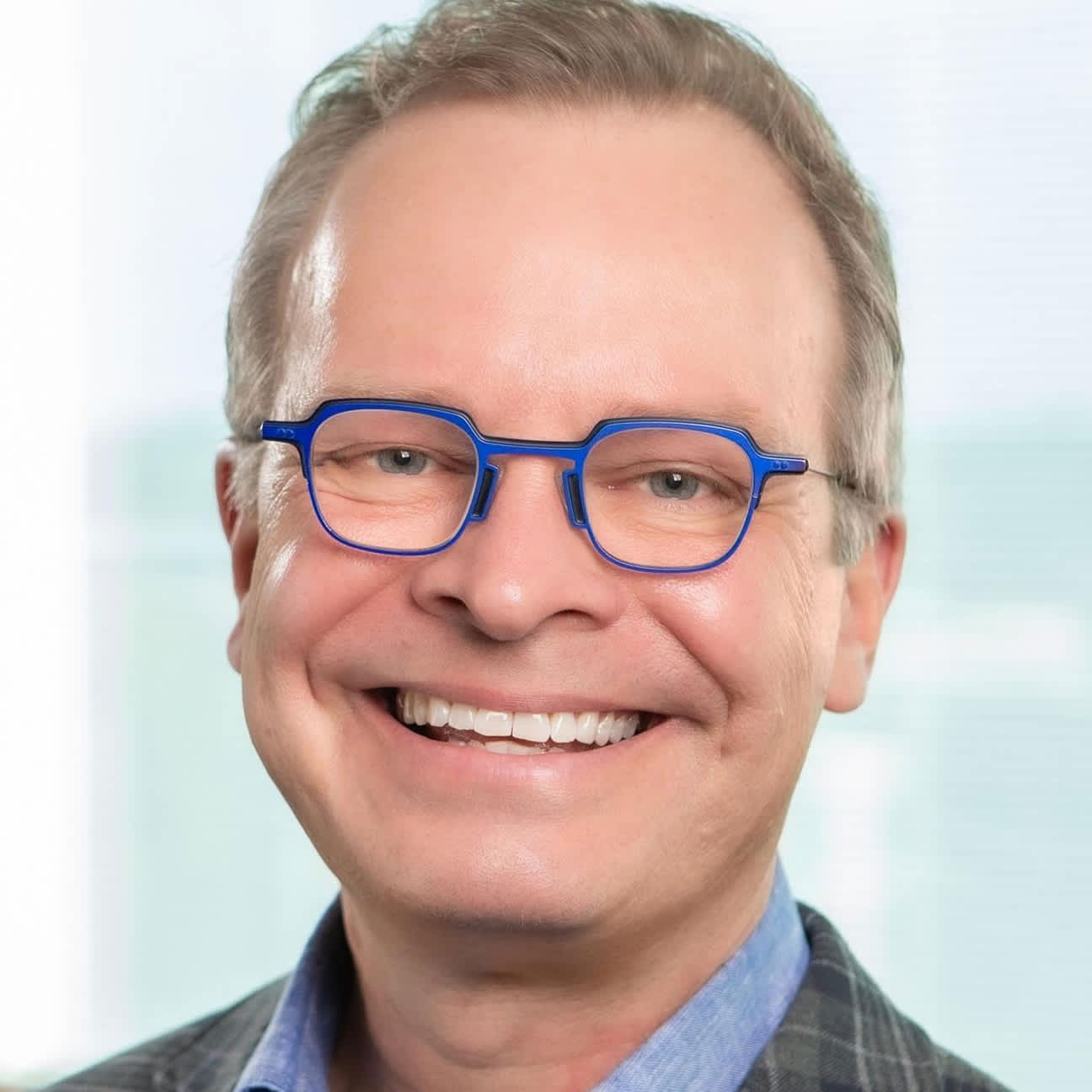
Darren Sextro
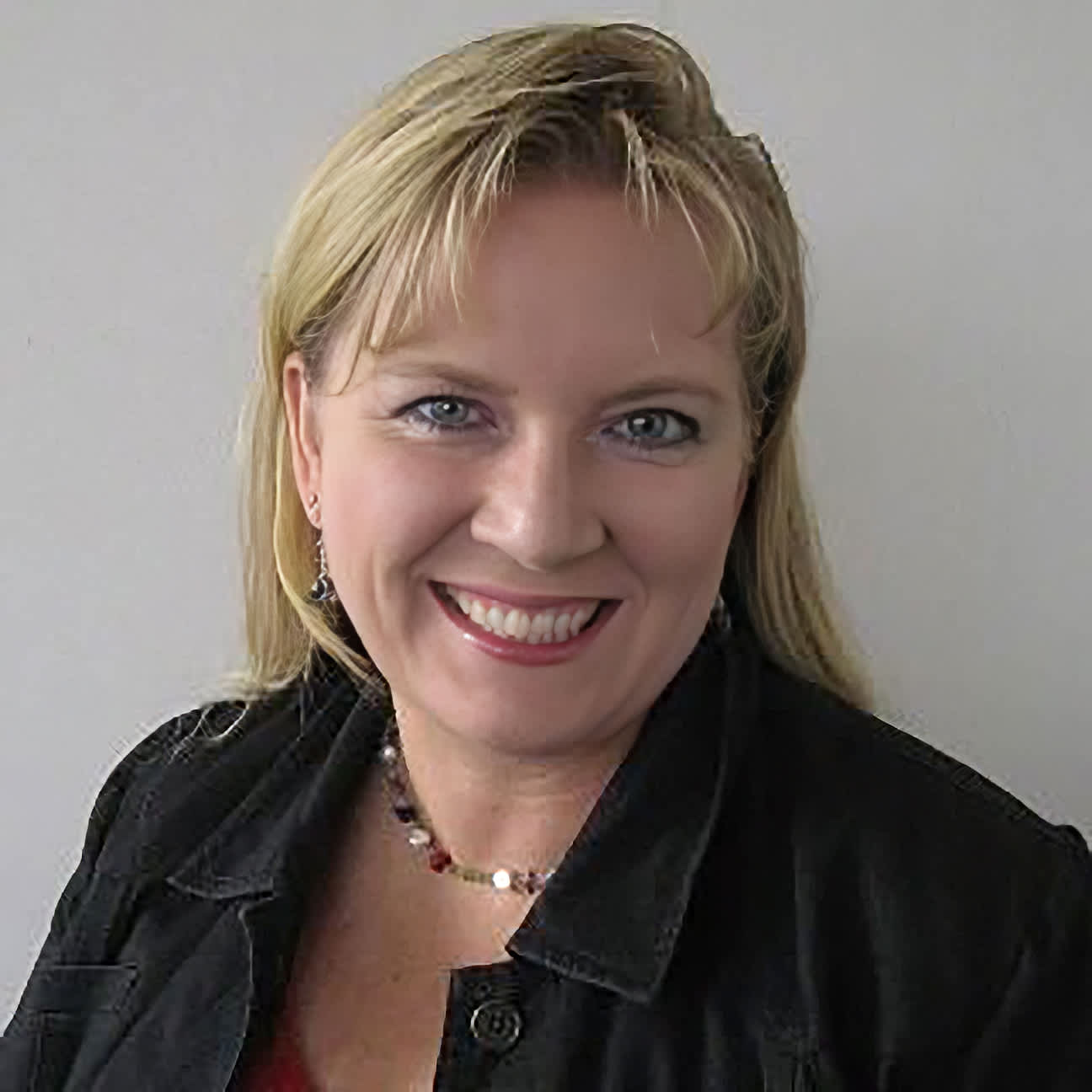
Deanna Willis, MD, MBA
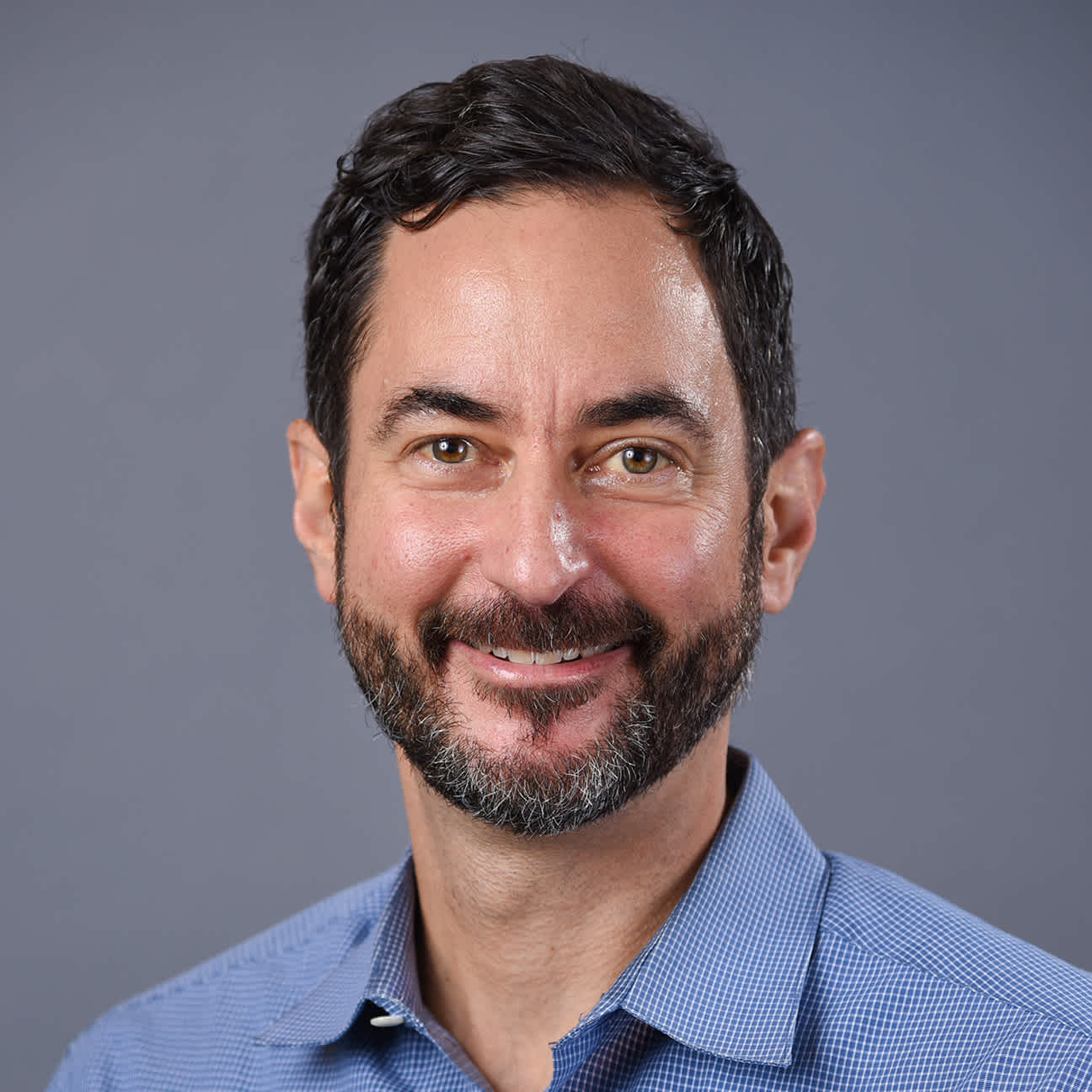
Jared Brosch, MD
Transcript
Welcome to a special sponsored episode of Inside Family Medicine. I'm your host, Darren Sextro. I'm a member of team AAFP. Today, we're joined by prominent experts in brain health, Dr. Deanna Willis and Dr. Jared Brosch. We'll discuss Alzheimer's disease and the integration of blood-based biomarkers and innovative workflows within primary care.
Our guests will address the significance of early detection of Alzheimer's disease and how to streamline specialist referrals. The conversation will include FDA-approved biomarkers, effective workflow strategies, and additional resources designed to enhance patient assessment in the primary care environment.
This episode is brought to you by Roche Diagnostics, the manufacturer of ELEXIS p-tau181 plasma, a minimally invasive blood-based test for early indication of Alzheimer's disease.
Dr. Willis is a board-certified family physician and vice chair of research for the Department of Family Medicine at the Indiana University School of Medicine.
A former president of the Indiana Academy of Family Physicians, she's a nationally recognized expert in implementation science. Dr. Willis served as the principal investigator for the Davos Alzheimer's Collaborative Health System Preparedness Flagship at Indiana University IU Health, and she continues to pioneer scalable primary care workflows and the clinical use of blood-based biomarkers to close the gap in early dementia detection.
Dr. Brosch is a board-certified neurologist specializing in neurodegenerative disorders at the Indiana University School of Medicine. He is the clinical core leader for the NIH-sponsored Indiana Alzheimer's Disease Research Center and leads the university's amyloid treatment program. Dr. Brosch co-developed the Brain Health Navigator model, a primary care integrated approach to early MCI screening, and regularly trains family physicians through the National Alzheimer's Association ECHO program.
Thanks for joining us today, Dr. Willis and Dr. Brosch. Thank you for having us. We begin each interview that includes a family physician like you, Dr. Willis, with the same questions. For Dr. Willis, could you share how you discovered family medicine, and what were those milestone experiences that led you to specializing in implementation science and Alzheimer's disease?
Well, I think the biggest factor in helping me become a family physician was really the great role models and mentors that I had in medical school, and really the experiences that I had with them and the great care that I saw them teaching us and saw them delivering to patients. And I think what I really fell in love with about the specialty was the problem-solving, the sociocultural context of care, and just the holistic approach that we take with patients and their communities.
I think that the discipline of family medicine is such a great space for ever-evolving opportunities for professional growth and development, and it's just such a wonderful space for resilience that I've found, and that is really kind of how I fell into the space of implementation science and Alzheimer's disease.
Implementation science happened when I was just had the opportunity to begin working in a healthcare system leadership role with researchers at our institution and started helping figure out how to implement research in the clinical environment and over the years did quality improvement and implementation science.
And then when our system decided to become one of the Davos Alzheimer's collaborative health system preparedness flagship sites, I was asked to be the principal investigator on that. And I think that that really was a great inflection point for me because I realized that I had a lot of things to learn about mild cognitive impairment, dementia, and early detection, and really hadn't known about all these new testing and treatment options for patients.
And so it's been a great experience. Thank you, Dr. Willis.
Dr. Brosch, can you share how your career path led to your work in neurodegenerative disorders? Thanks so much for having me today. It's really a pleasure to be here. It's great to hear Dr. Willis's story too. We, we've worked together for the past four or five years, and nobody ever asked that question, so it's really wonderful.
I'm an engineer by training, bachelor's and master's degrees, and worked on medical devices for years before returning to medical school. And a, a formative experience in my first years in palliative care medicine actually helped me find my place in dementia and neurology. And with that engineering background, I, I've really enjoyed working on clinical trials in this space to try to help find new treatments for patients that are affected by memory problems.
Working with Dee Dee, her, her leadership on the Davos program and this absolute need that we have for early detection brought us together and helped us be a team that's looking for these innovative solutions. Thank you, Dr. Brosch.
Sticking with you, Dr. Brosch, can you tell us more about the connection between neurology and family medicine and why it's so important?
Yeah, I think the story really starts with, you know, this growing population of individuals affected by memory loss. Alzheimer's disease alone, we have so many individuals affected by this at various stages that there certainly aren't enough specialists for that care to be delivered. So the connection and the education and the support of family medicine is so critical as our population ages.
Beyond that, you know, there-- we're learning more and more about how early detection has so many benefits. The GUIDE program, as an example, in being able to deliver effective care and to try to help support care providers and family units to prevent unnecessary admissions. We know that the early detection efforts probably help reduce healthcare burden overall because we're identifying people earlier, we're giving them choices, we're educating families, we're helping with medical compliance, we're re-reducing senior abuse.
All of those things are, are wonderful contributions. But beyond that, we now have these opportunities to provide treatment to people in the earliest stages. And the people in the earliest stages aren't necessarily knocking at the door of a neurology office. Uh, it's often these people are, are knocking on our doors later on in the process.
And so in order to deliver effective care a-and to use these newest treatments, we really need a partnership where those individuals are identified at the earliest possible point so they can be eligible for treatments. We all know that family physicians and other primary care clinicians, they're on the front lines in terms of assessing and treating patients with Alzheimer's disease.
Dr. Willis, can you tell us how recent innovations in the Alzheimer's field address the barriers that both patients and clinicians face when attempting to detect and diagnose mild cognitive impairment and dementia early in the primary care setting? What's changed? What does this mean for primary care clinicians?
No, I think these are really great questions, and I think that there's a lot of new technologies and tools available for detecting early changes like mild cognitive impairment in our patients in family medicine. And whether those are brief cognitive assessments or digital cognitive assessments, passive digital markers, ways that we can use technology, including some of the advances in machine learning, to help us identify the people that are most at risk and really find patients who have that high risk, and then go through an evidence-based evaluation.
And I think that's part of the challenge for family docs trying to, to do this work, is that there's a lot of competing demands out there, and every patient that comes in has their chronic conditions, and their acute conditions, and their preventative needs, and their own patient agenda for what they want to accomplish for any particular visit.
And none of those may necessarily be related to identifying cognitive changes they may be having overtly, but a lot of times those changes can be making a difference in subtle ways, maybe with medication adherence or healthcare utilization. And so it can be really helpful for us to, as family physicians, to try and identify and understand those cognitive concerns.
And when those cognitive concerns are present or when we're able to utilize one of these new tools at detecting people at high risk, um, or who might be having some of those early changes proceeding into that evidence-based diagnosis. And that's how we came up with and developed something called the Brain Health Navigator model that we've been using that helps connect our primary care clinicians and our primary care patients to Dr.
Brosh and our neurodegenerative neurology colleagues so that we're not just sending everyone to see them. But we're doing an evaluation, an evidence-based evaluation for addressable causes that we can address in primary care, that we're doing assessments to understand their cognitive and functional state of the patient in front of us.
And when appropriate, that we're able to do shared decision-making about some of these new diagnostic tools, such as blood-based biomarkers, and talk with patients about potential therapy options that may or may not be available to them, but they might wanna learn more about, such as amyloid targeting therapies The importance of all this is really that the sooner we identify these changes, the longer the patient has to take part in, in part of their care planning process, the longer that we can wrap services and supports around them to help them stay in their home and in their community longer.
And while testing and treatment options may not be for everyone, having access to the shared decision-making process to learn about them is part of engaging patients in their care process and giving them the opportunity to learn about them, the risks and the benefits, and help them decide whether or not something is the right choice for them.
Dr. Brush, with all that Dr. Willis just described for us, can you tell us how these innovations have shaped Alzheimer's disease diagnosis process and prompted new workflows across primary and specialty care? Yes. Thank you. Y- you know, I think the idea that time is brain, this idea that we've taken from the stroke setting and really applied to this world of cognitive impairment is so important.
And in our current healthcare system, there can be a tremendous amount of time that elapses between a person speaking with their family medicine clinician and actually getting to another provider, like a neurologist, that can do a full evaluation, go through all the testing process, and then prescribe one of these disease-modifying medications.
So streamlining that process is so important for individuals. Like Dr. Willis said, we want to keep them as independent as possible, and the sooner we start treatment, the better. So there's checklists available, and we can y- you know, apply things like particular scores on cognitive tests and certain requirements on MRIs and confirmatory biomarkers.
But these are things that are difficult to push down to the family medicine setting when there is so many other things going on. And this m- model of- Having a referral nurse that's an intermediary that can perform an entire evaluation and be incredibly familiar with the latest checklists and what kind of a scan needs to be ordered and what the requirements are for treatment is a rapid way that we can filter individuals to get them into treatment pathways when it's appropriate.
As Dr. Willis said, that may not always be appropriate, and everybody might not have this model, but the blood-based biomarkers are really tremendously helpful in, in this filtering process. And there's a variety of different models that have been published. The Global CEO Initiative has a wonderful model that's available that describes how in family medicine when someone has an impairment noted on a cognitive assessment, then a, a screening or a high sensitivity biomarker could be used to determine is this someone who needs further workup?
Is this someone who we should work on other factors that might be at play? In our model with the brain health navigator nurses, we're, we're performing a workup and at the end of the workup we tend to use more of a specific biomarker that, that might be someday able to confirm the diagnosis, but these are the people who we feel like need to be in our treatment pathways.
So that's the-- those are a few approaches to how things can be done, and these biomarkers are improving every day. Thank you, Dr. Brosch.
Dr. Willis, how can primary care clinicians improve early AD detection and referrals? What are some best practices to facilitate the connection between primary and specialty care to expedite time to diagnosis and therapy?
Absolutely. That's a great question because there's so much we can do, and I think one of the challenges That I always felt was that I always felt like it was, I wasn't sure what to do or h- or felt powerless to do it. And so a lot of what we're learning is how much there is the primary can do and how we can use information that we have and tools that we have to help do that.
One of the ways is by doing an evidence-based addressable cause evaluation, doing labs and imaging with an MRI and using a primary care validated tool to confirm whether or not the patient has cognitive impairment. These are really essential because addressable causes, if we can, most of those things we can impact in family medicine and make a difference on cognition by controlling those medical conditions.
And then also once we identify that someone has cognitive impairment, if we can evaluate their functional status, we can give them a functional diagnosis of mild cognitive impairment or dementia, and that then changes the trajectory of how they can interact with the healthcare system. For example, being eligible for advanced payment models such as the CMS Guide Program.
And also, if we are confirming that they have cognitive impairment and cognitive changes, then we may wanna have a shared decision-making discussion with them about a blood biomarker. And based on the sensitivity and specificity of the blood biomarker we might have available to us and that we use, we might be able to triage that patient back to our own care and work with them on lifestyle modifications if it's negative.
But if it's indeterminate or if it's high likelihood that Alzheimer's proteins may be causing their cognitive changes, then that helps us focus the resources available to us through our neurology colleagues and helps expedite those processes of that referral. Thank you.
Okay, a final question. This one's for both of you.
Let's start with you, Dr. Willis. How do blood-based biomarkers fit in with workflows in practice? Let's begin with you, Dr. Willis I think, you know, confirming the cognitive impairment is important because we would not want to use blood-based biomarkers for people that don't have cognitive findings or cognitive changes.
And we wanna make sure that we're integrating all of this with the addressable cause evaluation and other things that we're doing for the care of the patient. And so that may involved using checklists in our electronic health records if we have that capability or checklist outside of the electronic record if we aren't capable-- if we don't have the capability of doing that.
Using additional staff, maybe a social worker if we have one or a, a nurse as a brain health navigator in primary care to help facilitate these cognitive assessments or cognitive, confirming cognitive findings, doing that shared decision-making and using a blood-based biomarker for potential triage, and then making sure that we are really sending patients who are high likelihood on for further evaluation and potential confirmation with a specialist.
Same question for you, Dr. Barasch. Yeah, I, I can't overemphasize what Dr. Willis said. There's so many individuals who are just frankly scared that they are going to develop dementia someday. And the blood-based biomarkers, the way they are designed currently is to make sure that we have a, a high pretest probability, right?
We, we wanna make sure this is someone who is exhibiting cognitive impairment, and then we perform a test. And in a primary care setting, a, a screening type test, one with a high sensitivity may really help with some of these advanced workflows. I can say too, though, that my colleagues across the nation are finding that when these tests are becoming more reliable in the lab and the handling is understood and the use of these biomarkers in real world populations grow, we may no longer need confirmatory PET scans or spinal fluid down the road.
Currently, we just don't have the real world data, and we don't understand all the implications of how these tests are handled and processed to rely on them to that extent right now. But I think that future is very, very proximal to where we are at the moment. The brain health navigator models, I, I think using our nursing staff, certifying them to be able to do some of these evaluations can definitely take the burden off of the individual family medicine clinician and also help streamline this entire process.
We're, we're really proud of this work. We published this work in BMC Primary Care, and we're working on curriculums with nursing CE available so that nurses across the nation can be trained to perform these types of tasks
Thank you. Thank you so much for joining us today, Dr. Willis, Dr. Brosh. Thanks for sharing your time, your expertise with us.
And thank you to Roche Diagnostics for sponsoring today's conversation. To our listeners, if you'd like more resources related to brain health, including resources from the AAFP, see the links in the show notes. If you enjoyed today's episode, let us know by dropping a line to aafpnews@aafp.org. That's aafpnews@aafp.org.
Be sure to share the episode with your followers on social media and tag the AAFP.
Resources
Disclaimer
Copyright 2026. AAFP. The views presented in this broadcast are the speakers own and do not represent those of AAFP. The information presented is for general, educational or entertainment purposes and should not be considered legal, health, financial or other advice. AAFP makes no representation as to the accuracy or completeness of the information and is not responsible for results that may arise from its use. Consult an appropriate professional concerning your specific situation and respective governing bodies for applicable laws. Reference to any specific product or entity does not constitute an endorsement or recommendation by AAFP unless specifically stated otherwise. AAFP and the AAFP logo are registered trademarks of American Academy of Family Physicians.