
Lawmaker spotlight: Physician voices shape health policy
Show notes
David Tully, AAFP vice president of government relations, speaks with U.S. Rep. Mike Kennedy, MD, a family physician and former Utah state legislator, about why he chose family medicine, how having more clinicians in public office can lead to bipartisan physician collaboration on health care policy and the need for greater professional autonomy.
We also hear from U.S. Rep. Maxine Dexter, MD, a pulmonary/critical care physician and former Oregon state legislator who helped pass a state law expanding naloxone access, about how policy affects public health.
She also discusses harms from cutting Medicaid and Medicare and allowing ACA premium tax credits to expire, the need for long-term Medicare payment reform and less administrative burden, and pushing back against misinformation and threats to evidence-based medicine.
Episode hosts
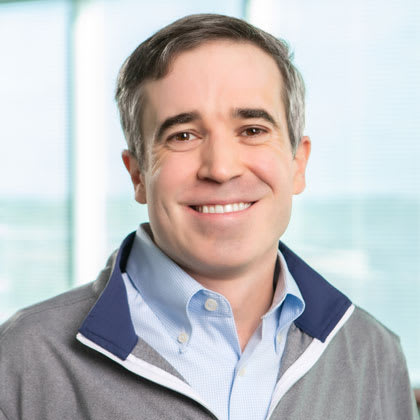
David Tully
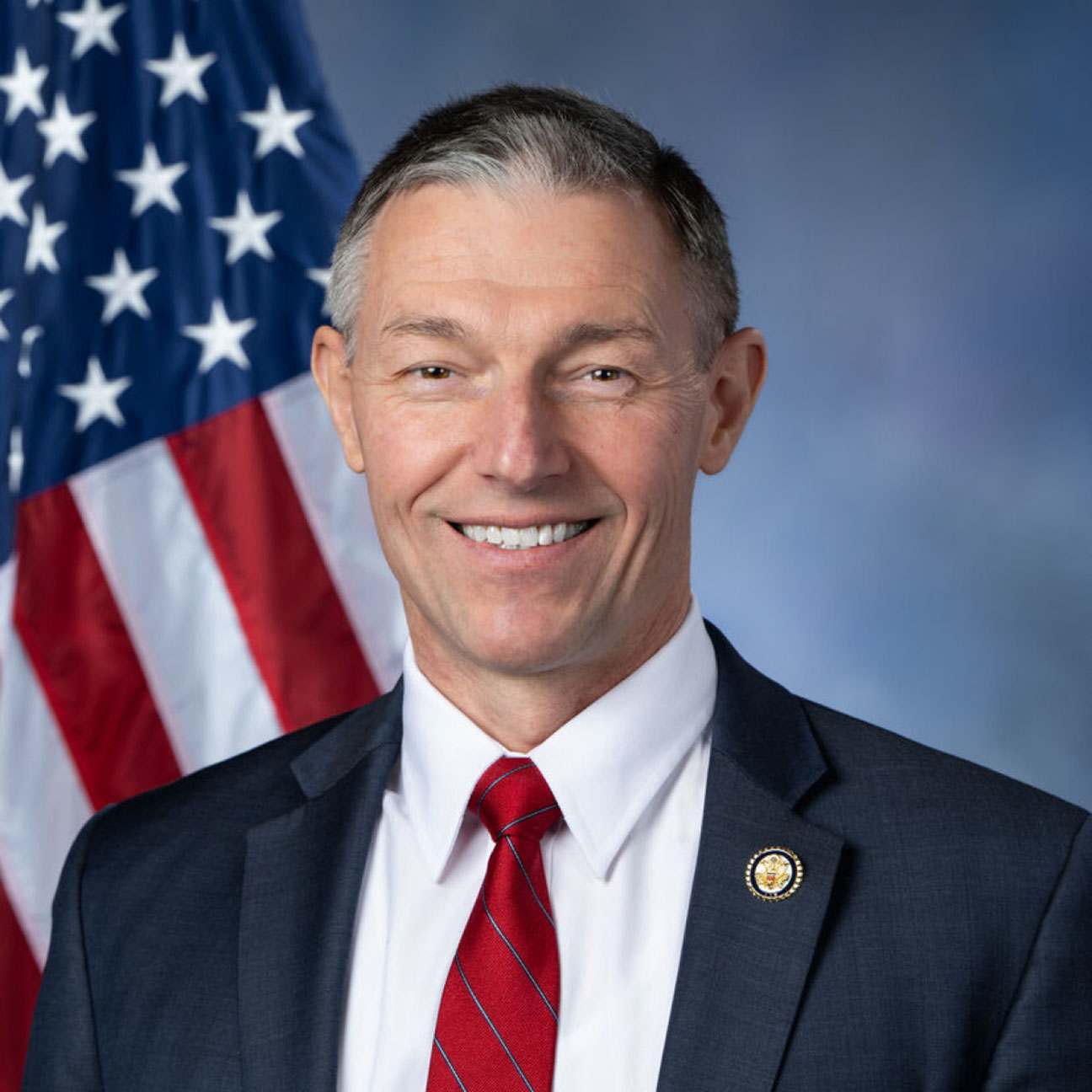
U.S. Rep. Mike Kennedy, MD
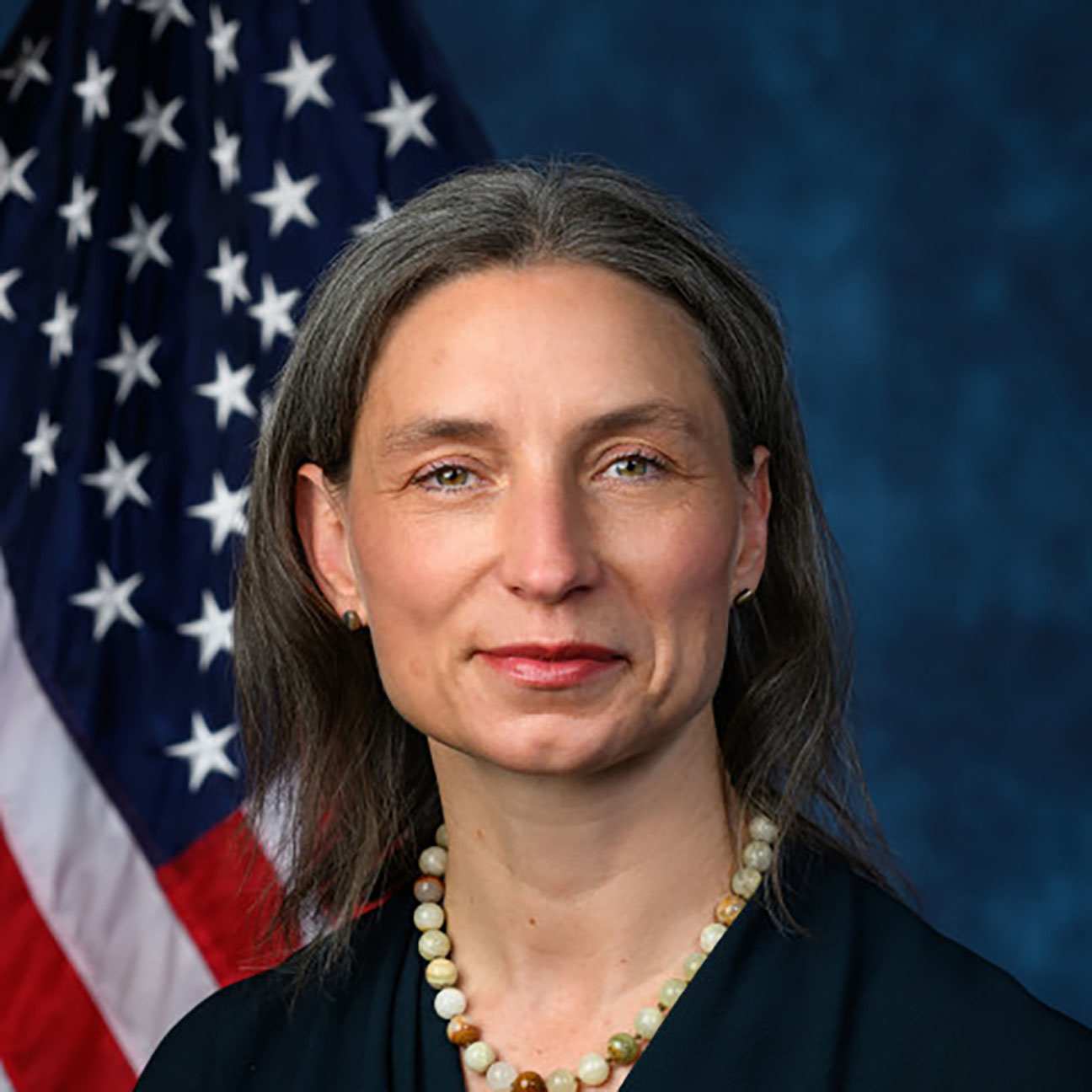
U.S. Rep. Maxine Dexter, MD
Transcript
Welcome to Fighting for Family Medicine. I'm David Tulley, vice President of government relations, and a member of the AFP's Advocacy team. Today I'm pleased to be joined by Dr. Mike Kennedy. A family physician who represents Utah's third congressional district in the US House of Representatives and was a keynote guest at our 2025 Family Medicine Advocacy Summit.
Dr. Kennedy earned his medical degree at Michigan State University, then went to law school at Brigham Young University to better advocate for his patients. Before his election to the US House. He served in both the Utah House and Senate and throughout he has continued his medical practice. Dr. Kennedy, I'm pleased to have you on the podcast this morning, and it's great to have you here.
Thanks, David. It's really a pleasure to be with you and your listeners. Absolutely. So let's dive right in. I had the chance to talk with you a little bit at our advocacy summit last year, but I know there's a lot of folks that are going to be listening to this podcast who didn't have a chance to come to the summit.
Can you talk a little bit about what made you choose family medicine? I love family medicine. It's actually been a real privilege of mine for more than 25 years now, David, to serve my patients and, and in medical school it was really difficult for me 'cause I loved radiology. I loved surgery, I loved anesthesiology, I loved neurology.
I loved old people. I loved little kids and babies. Found through that process that, that's why I went into family practice is that the, the fact for us in family practice is that we care for infants from their very first minutes of life all the way through my oldest patients a hundred years old, and the privilege that I have to care for my people.
I always say from their hair down to their toenails and from the beginning to the end of life, it's been so, so blessed for me to participate in these people's lives that I, I know so much more about life through my practice. And so in medical school, I didn't know for sure what I wanted to do 'cause I loved it all.
And when you love all of people, then that's what family practice is. So it's, it's been. Really great and extremely fulfilling to be a a family medicine doctor. And I, I was, I worked for a large university system for 13 years and then for the past 12 I've been in a private practice and it's, it's just been great on both sides to, to try to serve our patients working uphill against government regulations, which is one of the reasons why I finally got into the political mix.
'cause I, I just got sick and tired of government constantly telling us. How to practice when we, we know how to practice. We don't need some body in Washington DC telling us how to do the work that we're supposed to do. Yeah, so great inspiring words, especially as we're right in the middle of Match week, so we know that there are medical students across the country that are waiting with anticipation to find out what residency programs.
So very inspiring words. To start off our conversation, you touched on this a little bit, but I'm wondering if you could talk a little bit about. What led you to move from the exam room to the State House and then ultimately to Congress, and maybe you could talk a little bit about how your clinical and your legislative roles really fit well together for where you are today in the US House of Representatives.
I love fixing things. I've never been great with cars or building buildings and such, so I, I didn't, I didn't really like that sort of thing, but complicated problems, thinking my way through things. The more complicated, the more interested I am because there are so many. Interesting issues that are out there.
And I, I also love working with people. And so the opportunity to blend those two things together, not only in my professional practice, but as I saw the impact that government and law had on our healthcare. Provider system. It made me inspired to go to law school after I, I finished my residency and dropped right into law school, and the legal training taught me that there's not a right and a wrong answer.
So in, in healthcare we have four or five foils on our tests. We, we have the question and then we have. A, B, C, D, and E and you gotta pick the right one. In law school, I learned there isn't a right answer 'cause today you're on the plaintiff's side arguing on behalf of them. Tomorrow you're on the defense side and you have to argue on their behalf and pretty much in law it's not.
Necessarily what is right or what's wrong, it's what you can prove to the judge. And I, that different way of thinking was something that was really informative to me about how the legal aspects worked. And then through my subsequent years as I, I finished law school in 2007 and between 2007 and 12, I didn't know for sure what I wanted to do or how I wanted to proceed, but, but at that point then I decided to run for office and was really grateful to be elected.
Great. So as we sit here today, you're 15 months into your first term in Congress. Can you tell listeners a little bit about some things or maybe something more specifically that has surprised you about your experience so far? I've been really inspired by the quality of the people that I get to work with there.
There are some people that are not so sensible about things. We hear a lot about them in the media, but there are some remarkable people here, patriotic people that have been military servants. There are people, individuals that have served their country in different ways in the state legislature, and.
And then there are a variety of people that are just really smart. They're they're smart and capable people, and they've come to Congress, not with the intent to break the place down, but to build it up. And so for me to join with those people and find sensible problem solving individuals, people that care about not just.
There are citizens today, but they care about the next 250 years of our country. And, and for me, I'm constantly looking for people that I can ally, ally myself with. I don't care if they're Democrat or Republican. I wanna find people that are sensible and that are invested in the future.
That's another part, David, about family doctors.
We're always looking to prevent problems and we have enough problems today to solve. Work on, but we should also look to try to prevent problems in the future and that preventative nature, the fact that we can look to the next 250 years and try today to work in such a fashion that 250 years from now when our country's celebrating 500 years of existence, that we can today try to build that future by solving problems today and looking for the problems when they're small and trying to fix 'em when they're small so that we don't have bigger problems later.
I'd just say. Family doctors are well suited for this kind of work that we are head to toe. We care about people in their entirety. We care about all aspects of their lives because we know that their socioeconomic setup around them, it makes a big difference to their health. We are preventative thinkers and we think to the long term, we're trying to do things to help somebody in their twenties and thirties so that they're healthier when they're 70 and 80 years old.
And I, I just love being able to. Do that for not the body of my patient, but the body politic that our society around us, and I don't really see that attitude and mental consideration as any different. When I'm in the clinic, which I still once, once a month or so, I get into the office, even though I'm still serving full-time as a congressman, is the way I look at my patients, the way I look at the United States of America.
We are a big country, three 50 million people, plus trying to. Live their lives and the privilege that I have as a doctor to try to help my patients be healthy and whole as they go through life is the way I look at also our countries to help it be healthy and whole. And, uh, it's a privilege for me to work with people like you as well as those that are listening.
We have to be involved in politics. If we're not gonna get involved in politics, it will continue to run over the healthcare system, turning it into something. That is not what we desire. So my intent is to try to advocate for our patients and also our doctors to make sure that this system is gonna take good care, not only of our mothers and fathers, grandmas and grandpas, but also us and our children as we get older.
Yeah, absolutely. So on a personal note, I actually was with you this morning. There was a breakfast with a number of the medical societies, and we had the privilege of coming together every couple of months and talking with all the elected physicians in Congress. You made some very interesting points this morning in your remarks as we were going around the table, and one of the things that you reminded attendees this morning of is that you represent one of more than a dozen physicians in Congress.
And one of the points that you made, which I think was very well received this morning, is that, well, obviously there is a representation of different professions in Congress, but when we think about healthcare policy, we really want the healthcare professionals being the ones that are driving that policy.
I was wondering if you could talk a little bit about what it has been like in the 15 months that you've been in Congress to interact and engage with other physicians in Congress. And I know that one of the things that you set out very early on when you came in was to sit down and try to talk to each and every one of the physicians in the house, both Republican and Democrat, to understand their issues.
Understand where maybe where there's some commonality on policy priorities. So I was wondering if you could kind of take us behind the scenes a little bit and talk about what it has been like to interact and engage with other physicians who are walking the halls of Congress with you. Thanks David for that question.
I think it's really important. There's 21 doctors per my count and our 435 house members, and there are 363 attorneys and professional politicians. So if you look at the numbers that that is not enough healthcare people, and that's not even just doctors. So like in the Republican doc caucus, we have nurse practitioners, dentists and pharmacists that are part of the doc caucus.
I'm counting them as doctors. They do serve, of course, in a key fashion in the healthcare system. So one of the things that I think has been great for me is specifically, as you mentioned, is I don't care if they're Democrat or Republican. I've, I've gone to the offices of these people on both sides of the aisle and just let them know, number one, who I am and my intent to fix problems and try to work with them.
But number two. We need to advocate together. We need to find common ground and for us to advocate together in a bipartisan fashion on healthcare. We are the experts in this system. We live in the system. We know how it impacts our patients, and we know how it impacts us. The fact that my Medicare physical.
That now is finally paid for after many years that Medicare would not pay for a preventative physical exam, which was nonsense, but now they pay for it. But that I have, my medical assistant has to go in and spend 20 minutes asking questions that are set up by centers for Medicare and Medicaid services.
Whether they're good questions or not is not the point I'm making. It's that somebody is telling us to build this service that you have to do this, otherwise you will not. Be paid for the work that's being done, and so I send in my medical assistant, takes 20 minutes for them to ask these questions.
Before I can even go in the room and start working with my patient and, and I'll just say I went to four years of medical school, three years of residency. I don't need centers for Medicare and Medicaid services to come in and tell me how to do things. I, I can, I can do that. I love my patients. I've taken care of many of them for 20 years.
I've, I've seen these children born, raised, and grown up before my eyes, and they get married and have their own children. It's, it's been really an, an inspiring. Opportunity for me to be involved in these people's lives. And so, so for us on a healthcare basis to join together, we may have disagreements about whether, for example, Obamacare was a good idea or not, or what aspects of of Medicare we need to fix and how we need to fix it.
That's fine. We should have those debates and discussions. But I've been pleased to see that the Republican and Democrat doc caucuses. Are willing to get together on an occasional basis and try to work through these things. 'cause otherwise we have people that are fomenting healthcare policy and they don't know as much about it as we do.
We all care about it. But there are some people, David, that I would trust to do this job and I, I trust the doctors. That know the system to do a better job on this than others who think they know, but they have only read about or thought about it. They haven't lived it like we have. So, so it's been really a great opportunity for me to, to see on both sides of the aisle that there are good people that wanna solve problems and.
I want more of us to be here. 'cause one, one political point that I'll make is numbers make a difference. Ultimately, you need to get a majority in the house and 60 votes in the Senate. And the more people that you have that are supportive of your policy, the more likely it is that you can move that thing forward.
So. So when people get dismayed about why healthcare is not heading in the right direction, I'll just say on a simple numbers basis, we don't have enough healthcare people like the people that are listening right now in office. So if anybody has an interest to run for office, I don't care if you're gonna be a Democrat or Republican candidate.
Please consider running. We need you to be in Congress. You you can do this well, and myself and David Toley, the American Academy, are happy to stand with you and help you to run campaigns so you can be successful. But I will finish by saying. Running campaigns. One of the hardest things I've done and I've been through a lot through medical school and residency and so on, and it is not easy to stand in front of people and try to convince them to vote for you.
So there are ways though that we can teach these people. If people wanna be candidates, we want to help you to, to be the best candidate you can be and come to Congress and help us fix some of these problems. Yeah. That's a really great segue as we, we wrap up our time together. You know, I talk to a lot of family physicians.
At national conferences, some reach out, cold call to us and are saying, Hey, I'm thinking about running for office and just want your advice on what to do. And it may not necessarily be Congress, but it might be state government, it might be local government, city council, education board. And so as we wrap up our time this morning, Dr.
Kennedy, what would you tell your fellow family physicians who are listening to this episode? You know what? Piece of advice would you give them as maybe their interest is just starting to peak now and they're thinking about pursuing office. What advice would you give them as they're thinking about embarking on this journey?
I would first say in residency they said, see one, do one, teach one. That, that was just, that's how you learn to do a central line. That's how you learn to do intubation. That's how you learn any technique. The only way to learn, and my, my colleagues that are listening to this is to do it at some point and, and.
There. I would, on a side note, for me to prepare for this sort of thing, giving speeches is a big part of what we do, and I would be at my children's soccer games or practices off to the side by myself pacing up and down next watching the game or watching the practice of my child, and I would be pretending I was answering questions from reporters about different policies of the day, whatever they were.
And I would just say my answers and I would just try to talk my way through. That sort of thing. It wasn't great practice, but it was just practice. 'cause I felt like this, this is before I ever ran for office. I just felt like I had things to say. The second thing is the confidence, David, that these people that we're talking to right now that are hopefully listening to this podcast, you are more than capable to do this job.
You're smart, you're empathic, you're, you're sensible about your approach to things. You know people better than most people know people 'cause you are. On a daily basis, working through 20, 30 patients a day trying to, trying to help them solve their problems. You're smart and capable and you should have the confidence that you could do this job.
The, the last thing I'll say, David, is a lot of us in, in healthcare, we don't like to deal with conflict. We, we, when we confront conflict, lawyers like to fight that. That's one of the reasons they go to law school. But doctors, we go into healthcare. Because we wanna help and we don't wanna fight with people.
And, and that's generally true for us on the doctor side, but there are ways that we can, in a respectful fashion, confront conflict, which is what politics is about, to confront conflict and come to some kind of resolution through conversation and discussion. And so when you run for office, be prepared for criticism.
It does not matter who you are. You could be Abraham Lincoln or the worst candidate on the planet, you're still gonna get criticized. In fact, I'll. Point to Abraham Lincoln. It's, if you've never been to the Lincoln Museum in Springfield, Illinois, you should go there at some point. There was a room dedicated to the media of the day, the newspapers, and it's pla the wall is plastered with criticisms for Abraham Lincoln, the one of the greatest presidents in the history of the United States America.
The media lit him up on a regular basis. So if you think as a, as a doctor, you're beyond criticism. Don't expect to avoid criticism, but because you're criticized, it doesn't mean that you're on the wrong track as reflected by Abraham Lincoln. So, so embrace it, be prepared for a conflict. But there are good ways to deal with conflict and that's why we have these systems and, and I will add to David, you're entirely right.
City council, mayor, and state legislator, as well as federal work. All of it is important, and for me, the 10 years I spent in the state legislature were great preparation for what I'm doing here in the United States Congress. So, so yeah, just start where you are. See a need, try to step in, even if you're on a volunteer board of the local community, whatever, go ahead and do it.
Get to know some people and start to see the issues you'll, you'll find. For those of us that like to get into these sort of things, you'll find it inspiring because you can make your community better. But more important for me is that you can contribute to the wellbeing of this grand body politic that we call the United States of America.
I love it. Great way to enter our time together. Congressman Kennedy, Dr. Kennedy, an honor to be here with you. Thank you for taking the time to be with us. I know you're moving. In between conversations happening on the hill. So we're so grateful for the time that we could have with you this morning. And as always, we enjoy and look forward to working with you moving forward.
Thanks for having me on, David. My pleasure. Take care.
Today I'm joined by Dr. Maxine Dexter. A pulmonary and critical care physician who represents Oregon's third congressional district in the US House of Representatives before her election to that body. Last year, she served for four years in the Oregon State Legislature where she introduced legislation to make Naloxone more accessible to treat opioid overdoses.
That bill was signed into law in 2023. At the end of that year, Dr. Dexter announced her plans to run for the House of Representatives, Dr. Dexter, it's great to see you again and welcome to the podcast. It's great to see you too. And thank you for having me, David. Of course, absolutely.
You've talked about how important it's for physicians to engage in advocacy, and when you announced your congressional candidacy back in 2023, you said it was something you had wanted to do since you were very young.
Can you talk about how your work in congress. Connects with your approach to practicing medicine and how being a physician informs what you do as a lawmaker. Yeah, absolutely. And thank you so much first for having me and for doing this. I think it's so helpful for physicians to get the ability to see things that make sense in, in the reality that they are having to live in.
So another friend and I who our physicians were talking about this last night, like there would be. Such a different world if physicians had been engaged in policymaking early on with health policy. So just really appreciate this. And as far as like, I've wanted to do this since I was really young. I just wanna be really clear that I was a poli sci major in undergrad.
I really appreciated how. Policy impacts public health. And, you know, I was thinking about international medicine and different things at that point. So I knew I was gonna do something in the long run that had to do with public health policy. And I took the, the coursework for the Master's in Public Health program at my fellowship, never really knowing how I was gonna do it, just knowing that I, I needed to be in gut vault because so clearly we fail to meet the needs of our.
Public and in the richest and, and most advanced medical nation in the world, we can't meet the needs of our patients who keep showing up with DKA or hypertensive crisis and, and obesity. You know, we just fail as a country to make policies that really help people keep healthy. So that is where that really came from and, and I'm thrilled to be in Congress, but it was definitely not.
Necessarily the, the path that I had envisioned at 20.
Got it. Well, to kind of build off that a little bit, you talked about kind of how we are structured as a country, but some of the, the downstream or negative impacts we see in our healthcare system, it's been a really busy 10 months, and Medicaid access to healthcare have been major issues in, in the first 10 months of, of this.
Congress with the run up to the passage of HR one, the one big, beautiful bill. In a recent interview after HR one passed, you talked a lot about how the laws cuts to Medicaid would negatively affect all of your constituents, regardless of their insurance status. What do you think needs to happen now as we look at the balance of this Congress?
What do you think we need to be doing to address some of the challenges that we've seen come out of HR one? HR one is really going to put our country into a death spiral as far as healthcare is concerned. It will impact each and every one of us, whether it's the a CA premium tax credits expiring, knowing that those dollars that we're being subsidized by the federal government are no longer gonna be there.
And so either people are gonna have to pay out of their pockets, which they can't afford, or they will go uninsured, which then of course costs everyone more money and premiums go up for those who. Continue to have commercial insurance. The a CA has helped ensure 20 million Americans, and that has made us, you know, at the highest level of insurance that we've had as a nation in Oregon, al, almost 97% of Oregonians are insured.
So we finally. Had found the ability to at least give some care, not full insurance coverage to folks. And now HR one is going to not just be failing to extend those premium tax credits, but by cutting Medicaid, it's such a great degree. It's also cutting $500 billion from Medicare. And so those two hits on top of the a CA premium tax credits expiring.
Just leads to enormous increase in cost, out of pocket costs for people, and we're seeing it already. Legacy is closing more clinics here in our region. We know that community health centers and hospitals that are real risk. So when you also lose access to care, even when you do have insurance, it becomes harder for folks to get what they need when they need it.
So, and I, I say a death spiral because there's just. No way.
In this market also where we have too few physicians, too few nurses, too few CNAs to pay people enough to keep them in the mark. We are seeing people able to, you know, it's a very portable skillset that we all have. And so you can go where you can get the best quality of life and the highest pay.
And whoever can do that is attracting folks. And then they have to raise costs because it continues to increase labor costs. So. We're seeing this with the O-F-N-H-P strike right now here with the Kaiser system that is going to impact costs to our people. So like the, the answer isn't to continue to increase costs on patients and, and the federal government.
The investment that we have to make is on making sure there's enough people at the right skillset to take care of Americans and that really. It has to mean that we change how we reimburse for healthcare, and so I'm sure we'll get into that a little bit too. So it's actually a good transition point, Dr.
Dexter, because physician payment is something that you and I've had the opportunity to talk about since you got to Congress, I know was a big part of your campaign to Congress. We did see. If you wanna call it some glimmer of hope in HR one around physician reimbursement. They included a one year physician pay bump to address a cut that went into effect.
But I think the problem with that is it's only a one year boost and we're looking at another cliff at the end of 2026, and I know that there's been. A lot of dialogue about the need for long-term payment reform solutions. Can you talk a little bit about some of the conversations that you've been having with your colleagues around long-term Medicare payment solutions, and do you think there is the appetite for Congress to address this issue sometime in the near term?
Yeah, whether or not Congress writ large is able and willing to address it, it's clear it's a bipartisan issue from the physicians who are in Congress. I've had the opportunity to speak with, I think, all of the GOP physicians and, and it's clear also within our physicians' caucus. So this is not, this is not a partisan issue.
The, the challenge is trying to figure out how to address it. I think tying it to MEI or doing a bump is, is absolutely needed in the short term. But I think what is needed, and I I might just take a step back, I'm not sure MEI is the right way to do it, but what I think we need to do is stop telling physicians all of the things that they have to do.
Administratively jumping through hoops and really get back to allowing them to have the professional autonomy that they have trained to have while compensating them to do the right thing, because it's the right thing to do. And so we're looking at outcomes holding physicians accountable for doing, you know, the 10 highest screenings or preventative care outcomes, like focus it, there's like hundreds that people are accountable for.
So. What I would say is that we really do need to get to true global budget payments that give them the ability to know that I can keep my independent practice or my group practice or my. You know, if you wanna be an employed physician, that you, you can do that in whatever way you want, but we need to make sure that physicians get paid to do the work that they trained to do without all of the hurdles.
Prior authorization, checking whether or not you've exhausted all options that some healthcare administrator somewhere decided was the right. Ladder, we have to simplify what physicians are held accountable for because frankly, they're exhausted, they're burnt out, and they're not getting paid enough. So, and I'm, I don't know that even if we keep bumping the reimbursement that that's gonna attract people into being clinicians, physicians.
Because you don't have that sort of value driven mission that we, I think, all went into medical school to, to fulfill. So what And whether or not we can do it in Congress. I think so, because it is part of the failing of our system is that we don't have physicians who are willing and able to practice across this country in rural and underserved areas.
They're going into group practices. Their practices are getting bought up. We have to once again incentivize. Private practice. If people want, they should be able to literally hang up a shingle wherever they want and start taking care of people and, and we've gotta make that possible again and incentivize people to go into practice because we have.
Again, monopolies across this country in every sector, and the employment of physicians is leading to group think and challenges with how we practice medicine. That really undermines our professional sort of training. And I would say, you know how I see myself, my identity as a physician is being eroded by some other person sitting in a ivory tower somewhere telling us all how we should be practicing.
I love that you brought up physician autonomy because I think it really speaks to another issue that we're grappling with, and I know that you and your colleagues are grappling with right now, and that is just the onslaught of misinformation and the challenges against evidence-based. Medicine, especially with vaccines and for months now, our physicians have been grappling with a lot of the new realities with the guidance that's come out from the secretary with the A CIP recently meeting.
And so I know that there's been increasing pressure to push back against a lot of these efforts. I know you have been very outspoken in a really positive way. About evidence-based medicine, about the fact that we have these threats to public health. How can physicians, including your peers in Congress, continue to push back against those trends?
And more broadly, what steps should we be taking as a physician community in cooperation with you all to protect public health? Yeah. Number one, what's happening at Health and human Services is a tragedy. The fact that the CDC is not. Feeling or is not enabled to use data and science to make recommendations and that we have folks who are being empowered by this administration, who do not have scientific backgrounds, and in fact have, I would say perverse incentives with corrupt agreements outside of their position to incentivize us to use different products or to help advance.
Certain sectors of the healthcare system that people may choose on their own, but certainly is not data driven. So number one, physicians. Understand the importance of double blind clinical trials that are rigorously vetted, are responsive to the needs of the community, diversifying who's in the studies and, and what sorts of investigative treatments are considered.
We know. That drug companies have been undermining some of the legitimacy of those studies for a long time. And this has been a discussion for as long as I've been in training, which is longer than I'd like to admit. And so now we're tripling down on that sort of private sector perverse incentives that when I say we, meaning the health and human services, while also undermining the the importance of rigorous science.
So not only are we elevating things that don't deserve to be elevated, but we are doing that by undermining the communities and public's trust in science itself. That is intentional, I would say, and it's certainly not to benefit Americans and their health. So physicians need to be empowered to stand up.
That's gonna mean that the agency has a change in how it is administered, certainly overseeing, and that is upon many of us in Congress to continue to speak out against what is happening and across this nation. Professional societies like yours have really been critical for making sure that physician voices are being elevated and that they can share their concerns with the public in a way that hopefully shows some solidarity and impact.
On that note, physicians, I've never taken care of a Republican or a Democrat. I've just taken care of people, and politics doesn't belong in the exam room or in those discussions where you have a trusting relationship with your patients regardless of their backgrounds or beliefs or identities. That is part of what is getting lost, and that is absolutely where we need to continue to elevate the importance of a trusting relationship with a physician rather than some blogger or influencer that, you know, I just was hearing about this this morning that.
We are now looking again at elevating ivermectin and mandating investment in whether or not it's a cancer treatment, because some person out there decided that this was an important thing for people to, to consider using, and it's, it really led to harm. You know, I was in the midst of COVID, not able to treat people.
Who they were deferring evidence-based treatment asking for ivermectin and didn't wanna know that they actually had COVID because they believed it was all a farce or, or a conspiracy. That lack of ability to build trust with our patients right now is really demoralizing, and it's leading to a lack of faith in the public for the people trying to give treatment.
That they are able and willing to have a trusting relationship with the provider. And if you don't have that, you really, it undermines the, I don't know. I would say as a physician, like it undermines your ability to do that work if people don't trust that you're in it for the right reasons and that you're giving them good advice.
Yeah, absolutely. Shifting away a little bit to listeners who are hearing this conversation and maybe are thinking about pondering a run for office one day, and I remember when I first met you, we had a real conversation about this, about the importance of. Physicians having a seat at the table in the halls of government.
And it doesn't necessarily have to be the US Congress, it can be the state, it can be local. And this has really become sort of a personal passion point for mine, is trying to find ways to empower our members to answer that call wherever they decide at whatever level of government. I know you put a lot of thought into running for Congress and there was a lot of gravity in your decision, and I'm wondering if you can talk a little bit about advice that you were given and maybe advice that you would give to any family physicians who's listening to this podcast, who is maybe pondering that big decision to take action to run for office.
Yeah, the first thing I'd say is that physician voices have impact no matter where you show up. So if you're testifying, if you're coming onto the hill with the professional societies or on your own for advocating for a certain area, that absolutely makes a difference because frankly, physicians don't have the time or the capacity.
Traditionally to be able to show up in these kinds of ways. And so when doctors came and testified on our protection of reproductive healthcare and gender affirming care at, at the state legislature, people listen and, and it does make a difference. So I would first encourage people, like if there's something that you are seeing that is undermining your faith in, in government, or your frustration as a provider or physician.
Please show up, write a letter, come to our office, do whatever you can. Come to a town hall, ask a question first, like you don't have to run for office to have an impact. Next. Running for office is absolutely something that physicians don't realize. I would say how impactful their perspectives can be because we are one of the only professions that you have such a intimate understanding of.
People across all incomes, spectrums, right? We see everybody and we take a social history like we understand whether or not housing or access to childcare or addiction or other things are impacting their health in a way, family trauma in a way that almost no one else does. So when I decided to run for office, it was literally because.
My patients couldn't get the things that I knew they needed to be healthy. They couldn't get addiction treatment, they couldn't get mental health treatment, they couldn't get housing. They were deciding not to get a procedure or a prescription that I had recommended because they couldn't afford to do that and pay for their kids' camper or childcare.
So. Those decisions I knew I was never gonna be able to fix as a physician. And I was so frustrated by it. And I knew from my background with political science and public health that it's really policy where you can make the impact. You know, one bill, the opioid access to treatment or omnibus bill that we did, an Oregon, that one bill will save more lives than I.
Have done in an entire career, or could have done in a 50 year career. And so if I wanna make people healthy, and that's the focus of my why, which it is. Then I needed to run for office, and so it was much more about impact and my ability to help my community than it was about my professional preference, which frankly, I love being a doctor.
I love taking care of people, and it's certainly much more personally satisfying than being in Washington, DC. My voice can have an impact, and my understanding of the system is already, we're already seeing ways that we can change policy that other people don't understand because they don't work in the system.
And so we do have power as physicians and as politicians in a way that if people are coming to the end of their career or they're looking to change and they're interested in it, a hundred percent reach out to me 'cause it, it's. It's not glamorous, but it absolutely is important and impactful. Absolutely.
Well, Congresswoman and Dr. Dexter, it is always a pleasure to connect with you. Thank you for all of your leadership over these past 10 months, and again, thanks for taking time outta your schedule to join us on the podcast. No, it's my pleasure. Thanks so much for having me. Absolutely.
To cap these conversations with physician lawmakers. I wanna remind you of the AFP's Advocacy Ambassadors Program. It's how you can join almost 1000 of your family physician peers to start and further your own advocacy. Through advocacy ambassadors, you'll build relationships with lawmakers to talk about key healthcare issues and advocate for family medicine.
It's really easy to get started. Look for a link to our advocacy ambassador program along with more items about today's topics in this episode's show notes. If you've enjoyed today's episode, let us know by dropping a line to AAFP News at AAFP dot org. Be sure to share the episode with your followers on social media and tag the AAFP.
We will talk to you soon.
Resources
Disclaimer
Copyright 2026. AAFP. The views presented in this broadcast are the speakers own and do not represent those of AAFP. The information presented is for general, educational or entertainment purposes and should not be considered legal, health, financial or other advice. AAFP makes no representation as to the accuracy or completeness of the information and is not responsible for results that may arise from its use. Consult an appropriate professional concerning your specific situation and respective governing bodies for applicable laws. Reference to any specific product or entity does not constitute an endorsement or recommendation by AAFP unless specifically stated otherwise. AAFP and the AAFP logo are registered trademarks of American Academy of Family Physicians.