
Mental Health Month: Behavioral health integration
Show notes
In this episode of Inside Family Medicine, Shannon Connolly, MD, FAAFP, associate medical director at the Planned Parenthood of Orange and San Bernardino Counties, discusses family physicians’ crucial role as the first and sometimes only point of contact for mental health care, especially in underserved settings.
She explains how psychosocial and behavioral factors underlie many primary care challenges, such as complex pain, substance use disorders and uncontrolled chronic disease. Connolly shares a patient story illustrating how integrated support (therapy, social work and appropriate medications) improved both mental health and diabetes outcomes. She outlines behavioral health integration models, including physician-delivered care, co-located primary care behavioral health and the registry-driven collaborative care model, highlighting benefits for patient outcomes and physician workload.
The conversation also addresses access barriers, telehealth as a scaling strategy and the importance of destigmatizing physicians seeking mental healthcare to combat burnout, depression and anxiety.
Episode hosts
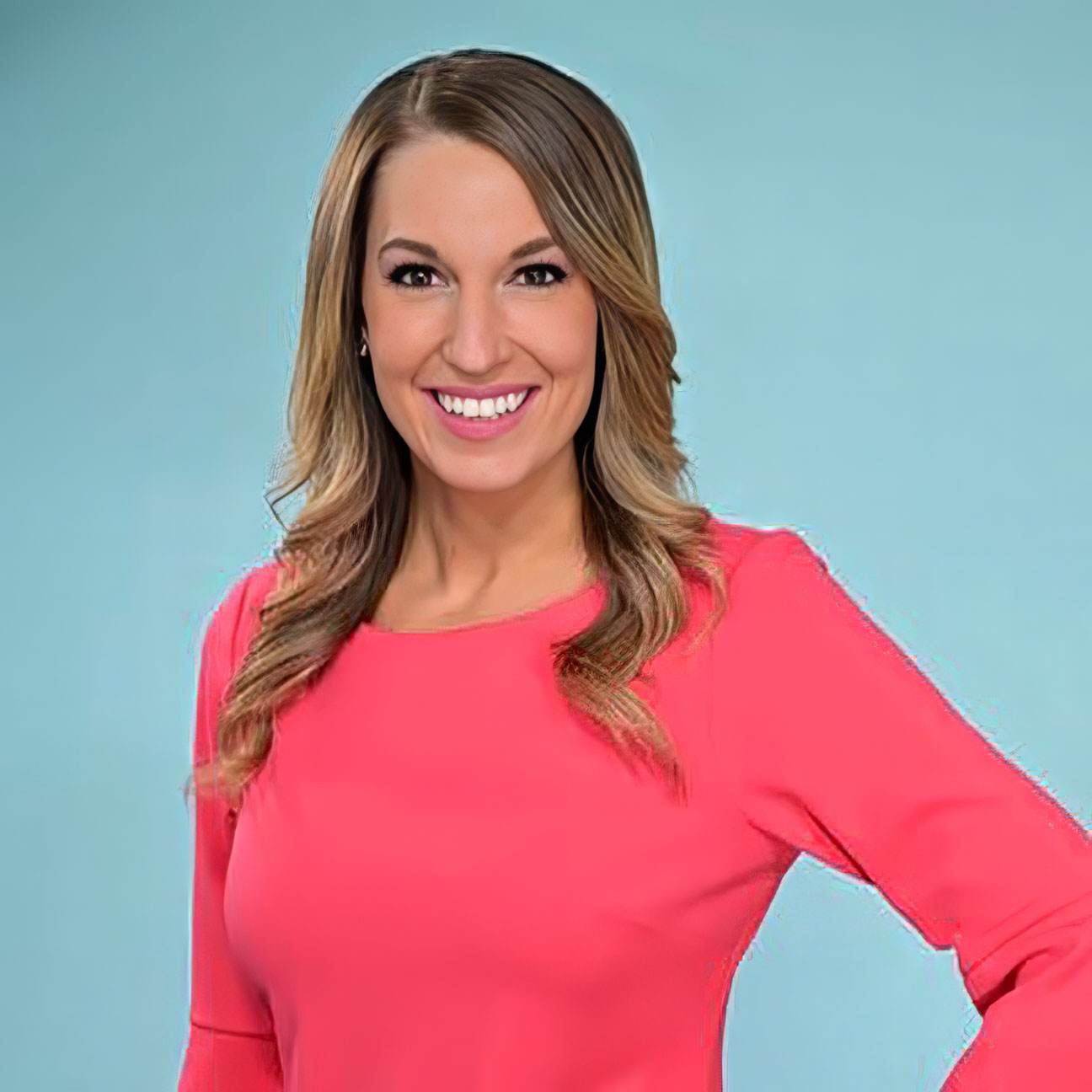
Emily Holwick
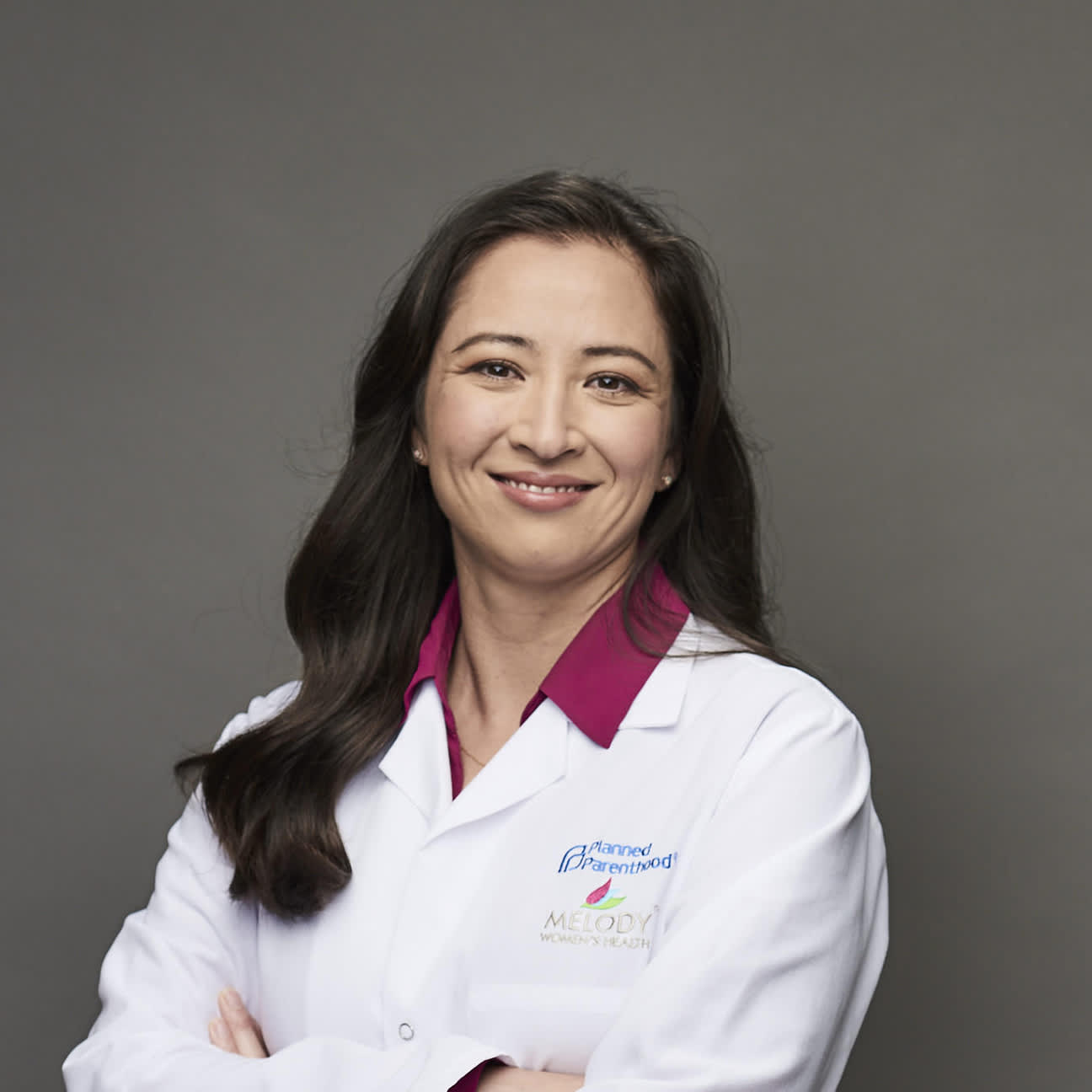
Shannon Connolly, MD, FAAFP
Transcript
Welcome to Inside Family Medicine, where you hear from leaders and peers in your specialty while learning about new tools and resources. I'm your host, Emily Holwick, a member of Team AAFP. Today, Dr. Shannon Connolly is joining us to talk about the crucial role family physicians play in providing mental health care and the benefits of behavioral health integration in primary care.
Dr. Connolly is the associate medical director at Planned Parenthood of Orange in San Bernardino Counties, where she oversees primary care and behavioral healthcare. She served as president of the California Academy of Family Physicians and is currently chair of the Committee on Justice Through Equity, Diversity, and Inclusion for the CAFP.
She also sits on the AAFP's Commission for Diversity, Equity, and Inclusiveness in Family Medicine. She earned her medical degree from the University of Southern California and completed her residency in family medicine at UCLA, as well as fellowships in healthcare leadership and primary care psychiatry.
So, Dr. Connolly, thank you so much for joining us. Thank you. It's a pleasure to be here.
I always like to start out by asking why you chose family medicine as your specialty. You know, I think as humans, one of the most important things we do is make connections with other humans, and I really can't think of any other way, any specialty that does that quite as well as family medicine.
I've always been drawn to the, the breadth of it. Um, I've always been drawn to the idea that you can build longitudinal relationships with patients, and I love that not only do we take care of all of the organ systems, but we spend a lot of time thinking about the upstream drivers of health. And so for those of us who are really interested in social justice, I think family medicine is a really natural fit.
Absolutely. I know you have a special interest and expertise in behavioral health and mental health care. Can you tell me a little bit about what led to that? Yeah. I, I think it was just the experience of clinic. Um, so early in my career, I, you know, as, as I was just starting out the first few years, I was in an ambulatory primary care clinic, and I found that a lot of times the patients that I found more challenging to take care of had, um, really complex psychosocial issues, and those issues were really informing how they showed up in, in the physical medicine space.
And so when you think about things like complex pain or substance use disorders or even uncontrolled chronic disease, a lot of those things really have underpinnings in mental and behavioral health. Um, and a lot of times you can't address those things adequately unless you also address patients' mental and behavioral health.
It really didn't take very long for me to recognize that a big portion of the work that I was doing every day, even if I wasn't calling it that, was mental health work, and I knew, you know, within the few years of my career that I would need to develop more skills in, in addressing mental health care if I was going to be successful at primary care in general.
A lot of family physicians are probably aware of this, but a lot of the public is always surprised to learn that family physicians are often the first point of contact for people who are seeking mental health services. What do you see as the role of family physicians in providing that mental health care?
Well, we are just that, the first point of contact, and oftentimes the only point of contact, particularly in safety net settings or in rural America or even urban underserved areas. Uh, we have such poor access to mental health care in the United States, and so a lot of times the family physician is the only person who's going to identify and address any mental health need in their patient population.
Um, I think really good family physicians understand that mental health care shows up every single day in all of the ways that we take care of patients. And without really understanding where a person is from a mental standpoint, we often cannot develop in- interventions that are going to help them with their physical medical problems.
Can you s- share a story or example from your own experience as a physician where mental health intervention and treatment in primary care made a significant difference for a patient? Absolutely. I'm thinking of a patient that's been my patient for over 10 years now. But when I met her, she was in her early 20s, and she had grown up in a, just a, a very challenging home environment.
She had seven younger siblings, and when she first came to me, her mother had just been incarcerated. She didn't have a father in the picture, and she had-- she was making the decision to become the foster parent of her seven younger siblings. And so here I had this 20-year-old kid who was in charge of seven other kids, who had dropped out of high school to take care of them.
She had uncontrolled diabetes. She also had uncontrolled depression. And when I met her, I, she was just hanging in there by her fingernails. And I, I remember thinking, "Oh my gosh, this, um, this young woman really needs so many different things," and I'm so grateful that she came to family medicine clinic because even though her siblings weren't, you know, my patients, we, we talked a lot about what kids need developmentally.
We talked a lot about what my patient needed, um, both developmentally and socially. And, you know, through that entry point into primary care, we were able to get her, you know, a therapist. We were able to get her a social worker. Uh, we were able to get her the, on the appropriate medications. We helped her connect her younger siblings with the supports that they needed.
Um, and she really thrived. Um, it was, it was such an amazing experience to watch her over the next year step into this incredibly difficult role, um, and, and do it. And I mean, she really, she had no choice. She had these seven younger kids that were, were dependent on her. Um, but it really started with addressing her own personal needs so that she could address the needs of her family Um, and then even a few years after that, she came in for something kind of routine, and I remember asking her, you know, "How are things going?
What are you doing?" And she was like, "Oh, I'm in high school now." She was now 26 years old, and she had dropped out of school to take care of her siblings, and she was like, "No, I really thought about it, and I thought one of the most powerful things I could do for my younger siblings was to model the importance of finishing school, so I went back to school."
Um, and she did graduate from high school, and her senior class, um, voted for her to be the senior class speaker, and so she really shared her journey with, with all of these high school students who were so much younger than her. Um, but she, she really just is an example of somebody who came into primary care just looking for management of diabetes and was able to get connected with these other things because we were able to recognize what she needed.
Wow, what an impactful story, and just an amazing person that she is too to be able to do all of that. And I'm so glad that she met you and that she got what she needed and that, like you said, she's thriving now, so that is- Oh ... such a great example.
There are so many different ways that family physicians can provide mental health care at all different levels and, and different support, but I wanna talk specifically about behavioral health integration in primary care.
Can you explain first just what it is, and how does it change how mental health care is delivered in a primary care setting? Yeah. I mean, there's definitely a lot of different models, and depending on what resources you have available to you, it's g- it's gonna look very different. You know, at its most basic, we have the family physician, who is the actual person delivering behavioral health care, whether that's medication management or sometimes it's brief cognitive and behavioral therapy.
Um, and then we have, you know, other models, like there's something called the primary care behavioral health model, where a behavioral health professional is integrated into the primary care team. So that might look like an FQHC that has a licensed clinical social worker on staff that's there physically co-located with a primary care team, and that has advantages.
Like, you know, as a doctor, I can identify a patient with a need and walk that patient down the hall and introduce them to our LCSW, who can then address those needs. Um, so that's been a very popular model. Um, but we all know that we have a lack of both primary care and behavioral health professionals in this world.
And so one of the more intriguing models that has come out over the last few years is something called the collaborative care model, and that's a population-based, registry-driven approach, um, where patients are paired with a care manager who is usually working with a collaborating psychiatrist or other behavioral health professional.
Um, and they really use a, a kind of chronic care management approach to taking care of an entire panel of patients. And so this allows a fairly small behavioral health team to take care of a lot more patients than a traditional model where you might have, you know, a therapist doing one-on-one visits with a patient So there's certainly many different ways and, and different options for family physicians who are interested in providing mental health care in, in all different ways and at all different levels.
Absolutely. Have you seen integrating those actual behavioral health professionals, like therapists or social workers, into the care team impact patient outcomes? And what, what are some of the benefits of going that route? Yeah, I, I have to say it, not only does it impact patient outcomes, but it also impacts the physician experience.
And I, I wanna highlight that because one of the things that's so difficult about being a family doctor is, is having patients come in with so many needs and, and not feeling like you have the right tools to address all those needs. And so we all know team-based care improves all outcomes, but I, I have to say, as a practicing physician, having a behavioral health professional on my team, um, helps my experience as well because it doesn't feel quite so overwhelming to take care of really complex patients.
And the patients absolutely benefit from it. There's so many instances where, you know, you might have a patient who has uncontrolled chronic diseases, maybe they have diabetes and hypertension, and they're having trouble coming to visits, and they're having trouble taking their medications. And as a doctor, you're spinning your wheels trying to, you know, just get them under control, and it really isn't until a behavioral health professional is, um, is able to support their behavioral health needs and sometimes their complex psychosocial needs before they're able to really address their, their chronic disease.
And so I've definitely approached my own behavioral health team many times where I've said like, "Hey, really running into a wall with this patient. I can't get her diabetes under control. Like, can you, can you please help?" Um, and they will, you know, partner with me, and, and we take care of this patient together and, and we're often much more successful that way than if I just keep saying to the patient over and over again, "You have to take your diabetes meds."
Um, really understanding the root of, um, you know, any, any lack of ability to adhere to a treatment plan makes a big difference. You mentioned that access is an issue for mental health care here in the US especially. How do you think behavioral health integration improves access to that care, especially for underserved populations?
Well, I think depending on what kind of behavioral health professional you have, um, almost, almost all behavioral health professionals have some background in doing the work w- that we would consider, consider social work, right? So, um, they're often very good at connecting our patients with, uh, with community-based resources, whether that's for housing or for food or, um, general support services, sometimes grief support, um, sometimes childcare, you know, all of those things.
Um, and we, we always try to do those things in primary care, but we're always limited. And so having another person on the team who really focuses in on those things is incredibly helpful. Um, I find that having a behavioral health professional involved in the care of our patients Helps our patients to engage and, and stay engaged in their care oftentimes, um, in much more successful ways.
So it matters a lot. Um, but you're absolutely correct. The, the access is a huge issue, and I, you know, I would say for all of the access challenges that our patients have to just getting primary care, they have even more access challenges with behavioral healthcare. And then when you layer on things like, you know, if a person's first language isn't English, or they have low health literacy, or they, you know, just all the, the things, transportation issues, you know, childcare issues, losing time off work, tho- those problems all exist in behavioral health as well.
It would be wonderful, of course, in a perfect world if every practice could have a behavioral health provider- Wouldn't it, though? ... integrated into the practice, but we know that that's, that's not reality.
There are challenges in implementing behavioral health integration. Um, but, uh, especially for smaller or rural practices, but how can some of those challenges be addressed?
Well, I think one of the great things about the COVID pandemic is we've created lots of different models for delivering care that we didn't really lean on quite as much beforehand. I think telehealth is a really great example of that. Um, and one of the great things about telehealth is that, um, a, a single telehealth provider might be able to serve multiple physical clinic locations.
And so, for example, in my practice when we were scaling up at first, we real- we have nine clinics, and so we realized we, you know, we couldn't hire a therapist for every clinic, but we could start with one therapist, and via telehealth, they could take care of patients that were being cared for at all of those clinics.
So that's, you know, one example of a, a sort of a creative way one can, can go about it. Um, I would also say when, when speaking with, um, with healthcare administrators, I think it's really important to identify patient outcomes as the benefit of integrating behavioral health. So it's not about revenue.
You'll, you'll never make a ton of revenue doing behavioral healthcare. Um, but what you might get out of it in your practice is patients that are better controlled, that have better outcomes. You might see reduced costs in, um, in healthcare delivery and also less inappropriate healthcare utilization when you have, um, really good behavioral health teams supporting the primary care teams.
Those are some benefits you might not think of at first when you're thinking of pro- providing mental healthcare, but things that are certainly important for both the patients and the physicians.
Absolutely. So we talked a lot about how family physicians support their patients' mental health. But before we go, I also just wanna bring up physicians prioritizing their own mental health and why that is so important as well.
I'm so glad you asked about that, Emily. I feel so passionate about this. We all know that adage, "You can't serve from an empty vessel," and it's absolutely true. Primary care physicians are often dealing with really difficult circumstances, just the practice of primary care is so difficult, right? We work in a system that is often very dysfunctional.
Our, um, work is often sort of distilled down to dollars and cents when we know that we're delivering so much more value to our patients. We often are under tremendous pressure for time and volume, RVUs, and, you know, all of those things. And then you layer on top of that, that we experience a lot of secondary trauma just taking care of our patients, and we have to be good stewards of that trauma.
But one of the ways that we have to do that is to care for ourselves so that we can show up in, uh, in the best versions of ourselves for the patients. And I think, um, it has to be an incredibly rare family physician who has never experienced depression or anxiety, um, just in the course of, of their career taking care of patients.
And we all know how much of a problem burnout is. So mental health care is so important in physicians as well. And as a community, we really need to do more to destigmatize seeking help for mental illness, um, whether that's medication or therapy. I mean, we should really celebrate physicians who are, who are seeking care and who are doing so openly, right?
Because that really reduces stigma. And so if we can have a physician who will stand up in a group of other physicians and say like, "Hey, I go to therapy to talk about, you know, the challenges that I'm experiencing in my life," or, "I take medication because that's how, that's how I can keep myself well, so I can be ready to take care of my patients," that's really, really powerful and, and we really need to do that more, and we need to celebrate those physicians in the same way we would celebrate them if they were exercising regularly or, you know, managing their own chronic medical conditions.
So we, we really have a lot of work to do in that area, and I, I hope that's something that, as a profession, we embrace more and more. Thank you for your work advocating in that space and for bringing that up because it is so important, and for all the work you do in behavioral health, mental health care, and for sharing your own experiences and helping to educate our listeners about this as well.
And I know a lot of people are probably more interested in how they can better incorporate behavioral health into their practice and, and best serve their patients. So thank you. It's a pleasure. Thank you very much.
And to our listeners, if you'd like to learn more about behavioral health integration and mental health care and physician well-being, we have links in the show notes for some great AAFP and partner resources, including free CME and practice guides.
If you enjoyed today's episode, let us know by dropping a line to aafpnews@aafp.org. Be sure to share the episode with your followers on social media and tag the AAFP.
Resources
Disclaimer
Copyright 2026. AAFP. The views presented in this broadcast are the speakers own and do not represent those of AAFP. The information presented is for general, educational or entertainment purposes and should not be considered legal, health, financial or other advice. AAFP makes no representation as to the accuracy or completeness of the information and is not responsible for results that may arise from its use. Consult an appropriate professional concerning your specific situation and respective governing bodies for applicable laws. Reference to any specific product or entity does not constitute an endorsement or recommendation by AAFP unless specifically stated otherwise. AAFP and the AAFP logo are registered trademarks of American Academy of Family Physicians.