
Plot twist: Embracing the unexpected in family medicine
Show notes
In this episode of the Inside Family Medicine podcast, host Adam Bradley talks with Victoria Boggiano, MD, MPH, FAAFP, and Connie Leeper, MD, MPH, about the unexpected turns that can shape a career in family medicine.
Boggiano and Leeper share the experiences that led them to the specialty and the career “plot twists” that followed. Boggiano reflects on an early interest in health policy, anthropology and global health before finding her way to clinical medicine, public health and academic family medicine. Leeper discusses entering medicine with an interest in sports medicine and global health before discovering a passion for teaching during an obstetrics fellowship and ultimately building a career in academics.
Their stories highlight one of family medicine’s defining strengths: flexibility. Because family physicians receive broad training, they can build careers that include outpatient care, hospital medicine, obstetrics, procedures, academics, advocacy, public health and other areas — and change that mix as their interests, communities and lives evolve. Boggiano and Leeper discuss why “full scope” does not have to mean the same thing for every physician and how family medicine allows physicians to continually redefine what their own practice looks like.
The conversation also offers practical advice for students, residents and early-career physicians facing an unexpected opportunity or difficult career decision. Boggiano and Leeper encourage physicians to identify what brings them joy, understand their value, ask for what they need and lean on mentors and the broader family medicine community. Whether a career change begins with a new opportunity or an unexpected “no,” they emphasize that family medicine training provides room to pivot, experiment and continue building a career aligned with personal values.
Episode hosts
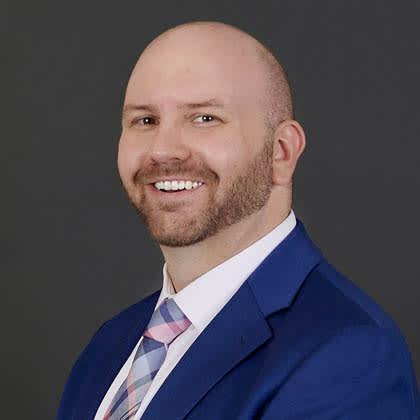
Adam Bradley
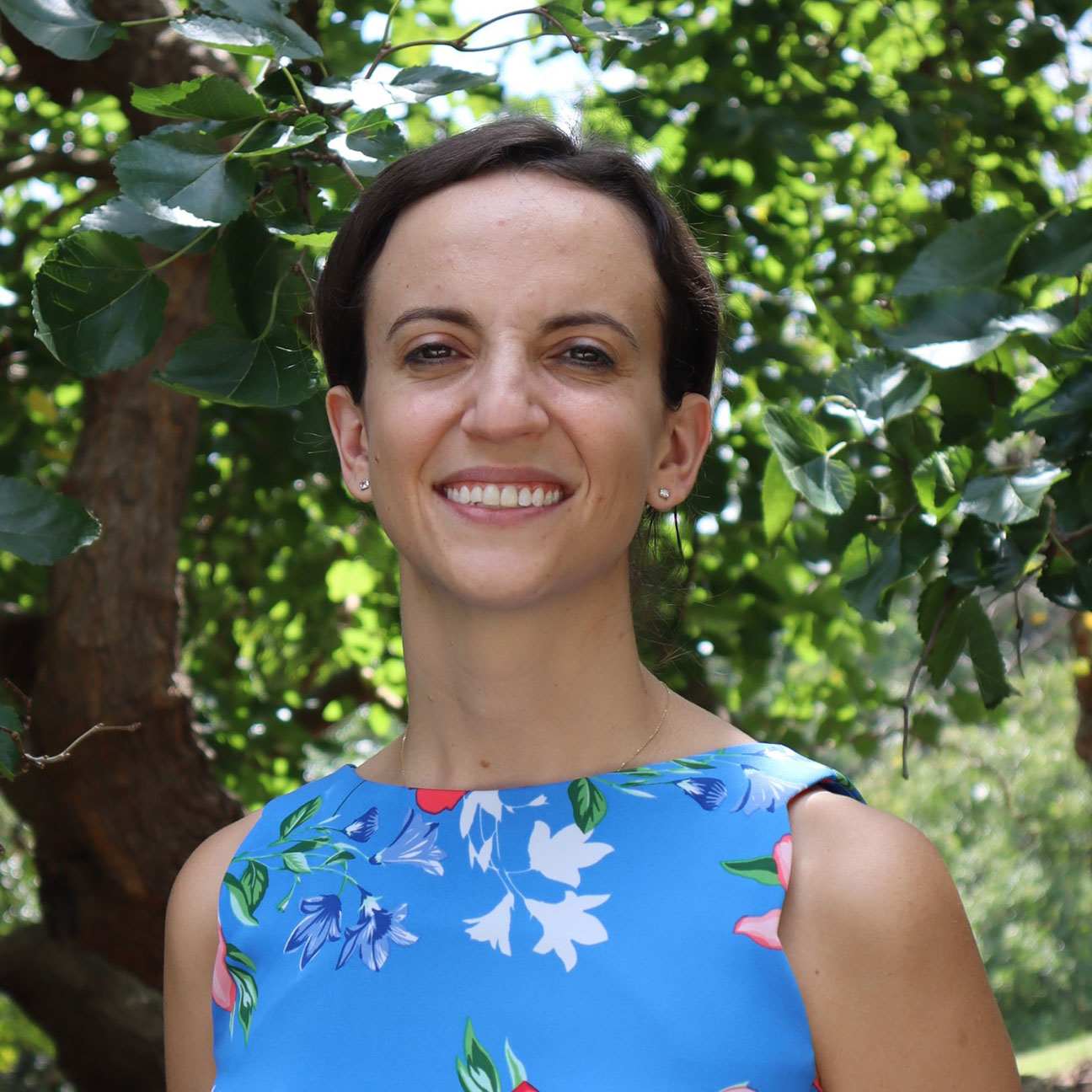
Victoria Boggiano, MD, MPH, FAAFP
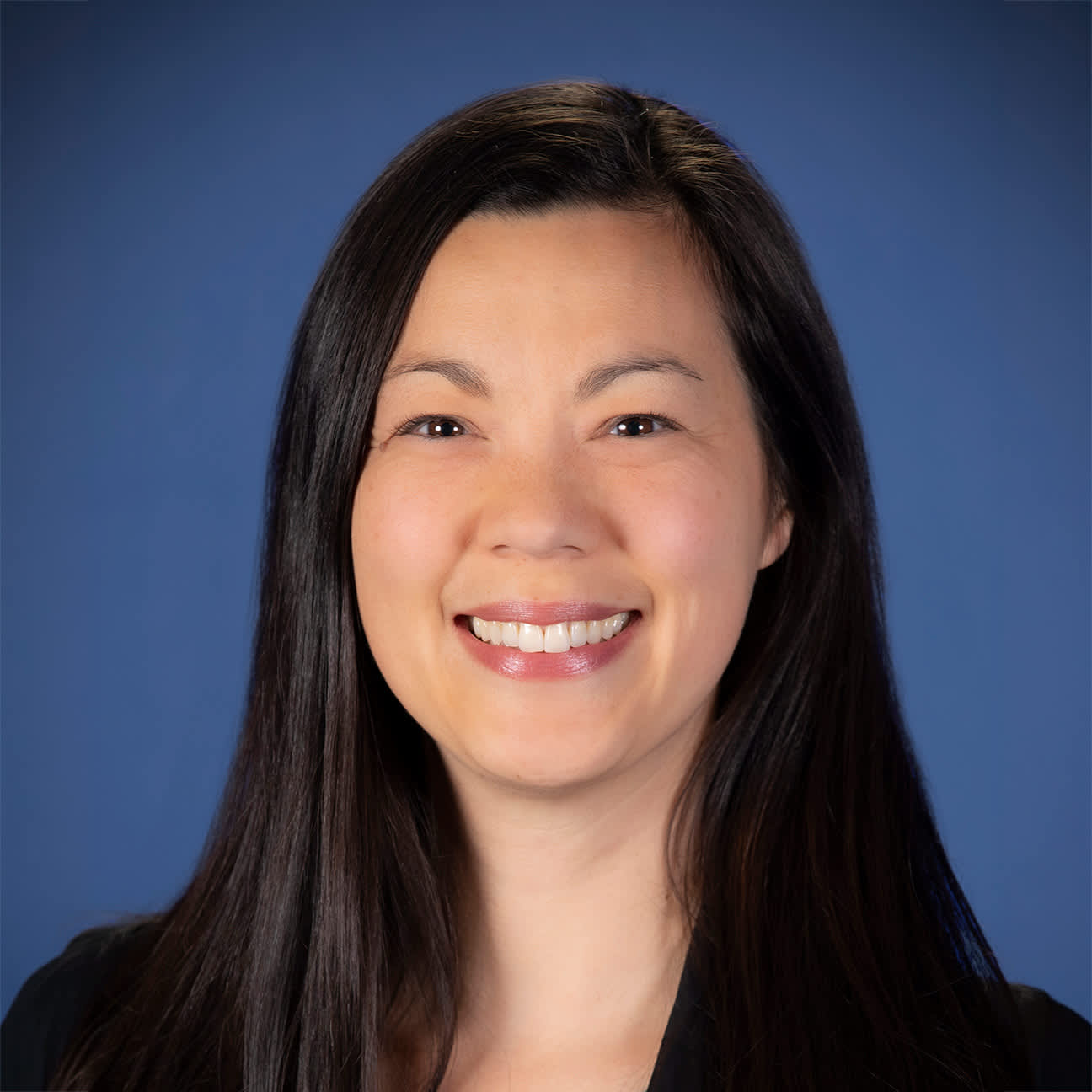
Connie Leeper, MD, MPH
Transcript
Family physicians are no strangers to navigating the unexpected. From solving undifferentiated concerns in clinic to graduating with undifferentiated career paths, part of the draw of the specialty is figuring out the story as you go. From surprises, good and bad, to exciting offers and nerve-wracking decision points, we'll be talking about what's possible when you have to-do-it-all training behind you and a world of professional options in front of you.
I'm Adam Bradley, manager of student choice at the AAFP, and today we couldn't ask for better guests to walk us through early career plot twists. I'm joined by Dr. Victoria Boggiano, assistant professor of family medicine at the University of North Carolina Chapel Hill, and Dr. Connie Leeper, associate clinical professor at UC Davis Health In addition to the diverse experiences and backgrounds you both have, I'll also note both of you are speaking on very relevant topics of exploring career options and developing your story of self at FUTURE this year, where we are recording this live.
Dr. Boggiano and Dr. Leeper, we're here to talk about plot twists in a family doctor's career journey. Sometimes those plot twists start early, even in medical school, so I'm going to start with a question that we ask all guests: Why did you choose family medicine? Dr. Leeper, do you want to start? Sure, I can.
Yeah, I think for me, when I was in medical school, I was—when I went into it, I was very open to pretty much any specialty. And then going through clinical rotations, I just kind of liked a little bit of everything. I liked doing the procedures in surgery, I liked doing hospital medicine, and I liked delivering babies.
I love talking to patients, and I was fortunate enough to have experiences in global health as well as a medical student and in—and I couldn't imagine going somewhere globally and not being able to take care of anybody that walked in the door. And so that's really what made me choose family medicine, is I wanted to be able to take care of everybody and have a really broad scope of practice.
Yeah. I love it. I think that's such a common thing for students that I work with, of just loving a little bit of everything, and so being able to find a career that lets you do that, I think that's just so family medicine. Dr. Boggiano, how about you?
Yeah. I think that my path to family medicine was pretty similar to Dr. Leeper's. I didn't graduate from college knowing that I wanted to become a doctor. That's a little bit of my future plot twist is that I kind of came to medicine a little bit later and had all of these interests that I had developed in health policy and in working in communities and kind of being relational in a lot of different spaces, and started medical school and really quickly found a mentor who was working in a lot of different clinical spaces doing that work.
And so, I had early thoughts that family medicine was a specialty where I would be able to continue to explore my interests throughout my whole career as they evolved and changed. And similar to Dr. Leeper, I found myself loving every single clinical rotation that I did, and learned that in family medicine, I like to say that I can stay a pluripotent stem cell.
And I don't have to close doors unless I choose that I want to. And so far in my career, I've really tried to keep a lot of doors open, and family medicine really lets you do that in just such a wonderful way.
So, I think you alluded to what we're talking about here today. So, if you would start with, can you tell us about a plot twist in your career and how you found yourself there?
Yeah. I've had several plot twists, and I think for me, I've learned a lot from the yeses that I got and the nos that I got, and that's kind of helped to shape my path. When I graduated from college, I thought I was going to work in health policy, and then I lived abroad. I had the chance to work in Vietnam at Save the Children, which was an amazing experience.
And it was working with some of the physicians there where I learned that I really was interested in clinical medicine. But I thought that I was interested in clinical medicine from an anthropological approach. So, when I applied to medical school, I actually applied for an MD-PhD in medical anthropology and found myself in an MD-only program.
And then within the MD only program, applied to the PhD track and was told no. And so that was right at the same time that I was discovering family medicine. And I'm actually really grateful in retrospect that I was told no, because that allowed me to dive deeper into the clinical realms of family medicine while also discovering a passion for public health that led me to get a master's in public health.
So, that no led me to so many other yeses that kind of furthered me on my journey to where I am today in academic family medicine. That was a very big early plot twist for me.
Yeah. I mean, I think that's such a good one too, just to be able to share. I love the way you frame, like sometimes no is a good thing.
I feel like I work with a lot of students and residents that want to say yes to everything, and sometimes being able to frame that maybe sometimes no is good and it's going to rec- direct you in the right way. And sometimes the universe works in weird ways like that.
Yeah. Dr. Leeper, how about you?
Yeah. Some similarities. I think I went into medicine thinking I wanted to ... I had danced a long time as a child, and I went into medicine thinking that I wanted to be like a sports medicine doctor and be a doctor for dancers. That was kind of where I initially got my interest in medicine.
And then, doing global health work as a medical student, was really interested in global health and thought that I would go do work internationally. And then probably one plot twist was actually here at FUTURE. When I was a medical student, I was open to the whole country. I went to a lot of these booths and found a lot of different residency programs and found the residency program that I ultimately went to, which really drove kind of how broad my training was and how I wanted my training to be that broad.
But I think another big plot twist for me was finding academics. I didn't go into medicine thinking that I'd want to teach, but I was doing my OB fellowship, and during my OB fellowship, I was very surprised to learn that one of the things that I enjoyed most about my fellowship was actually teaching residents.
Because as a fellow, I got to work with them on the labor and delivery floor every single day and just found that I really loved teaching residents and seeing them grow and, how much joy that brought me and just another level of a new experience. It was completely different from just practicing medicine.
When I was looking for jobs after that, I really was looking at, do I want to practice in a rural area or do I want to practice in academics? And I was really pushed towards academics because of that experience and fellowship. And then after that, I was an APD at a program for a while, and I did a faculty development fellowship from that, and have continued in academics and don't think I'll ever leave academics at this point.
So, yeah. That actually leads really well into my next question. Especially thinking through the lens of academics and the ability that you have to work with the future family medicine workforce and being able to shape students' perspective of family medicine and even residents' perspective of family medicine, understanding what all you can do and what all opportunities are out there.
With that, I just want to ask, why is family medicine a great specialty to pursue if you like the idea of being able to design your future and maybe encounter the unexpected?
I think family medicine is a great specialty if you want to be able to change what you do later in life. You know, the scope of practice is so broad, and you get to learn how to do so many different things, and that just means you have so much flexibility later in your career.
And you can change what you do over time. There may be things that early career you want to do that are very different than what you want to do later, and you experience things along the way that change where you end up going, and you have the training and, like you said, the pluripotent cell, right?
You have the training to be able to go wherever you want with it. We are just very, very well trained and very broadly trained for that flexibility.
How about you?
I don't think I could speak enough about why I think just family medicine is so incredible, and that's why I love working with learners in so many different clinical settings because I think that every future clinician is going to have their own vision of what their future practice might look like.
And for me, family medicine is just; you constantly get to decide what that's going to look like for your clinical practice. So, when I think about the idea of people being full scope, what I love about family medicine is that there's the kind of traditional definition, which is that you practice a lot. You're delivering babies, and you're in the hospital, and you're in the clinic. But actually, every family medicine physician gets to define for themselves what full scope means. So, if they're a full-scope outpatient proceduralist, if they're a full-scope inpatient hospitalist, and that definition can change over time.
So, I think we all know of amazing family physicians who, 20 years into their careers, have decided, "I want to change courses and become a specialist in something else." And family medicine is really the only specialty that lets you do that. And you know, I get bored pretty easily. I like a lot of variety and family medicine, no two weeks look the same for me, and that...
I really like that. You know, I work in the hospital and I still deliver babies, and I see people in clinic and I teach, and I do advocacy work. And then there are people who really like each week to look pretty similar, and family medicine allows for that, too. And as life ebbs and flows, really family medicine can meet you in, in all spaces and facets.
Yeah. I think especially when I talk to students and the experiences that I get talking with attendings as well, is what I always come away with is that family medicine is the specialty that grows with you. But it's also a specialty that you can grow with it as well. I think especially if you move to a different community and think about what that community needs, and you have the training to do that.
And so, you always have that ability to flex into different areas and just be able to pivot how you practice, who you practice for. Yeah, I just think it's such a great opportunity to be able to kind of do everything or not. It really lets you choose what you want to do or what your community needs, which I think is just such a beautiful philosophy behind medicine in general and what I love about working with family doctors and working with students to choose family medicine specifically.
Yeah, I totally agree, and I'll just add that I've been out of training. I'm entering my ninth year out of training. And even in those years, clinical medicine has changed so much. The tools that we have at our disposal, what AI is allowing us to do, and I feel like my family medicine training has enabled me to meet those changes with excitement and preparedness because family medicine is all about change and innovation.
And so, yeah, that's what makes it so great. absolutely. Speaking of change and innovation, what would be your advice for someone who's feeling a little uneasy about a career plot twist, or how would you navigate things that might be scary or surprising at each step? Dr. Leeper, do you want to …
Sure, yeah. I think what always grounds me is finding what brings me joy in medicine.
If you know what brings you joy, let that guide you and you will never work a day in your life, and that is, so true. And because you will find places that need what you are—what you want to do and what you're able to offer, and that is just—that will really guide you. I think the other thing that I would say is knowing your worth.
Family doctors are so necessary for our health care system and for our country, and so never belittle what you want. You know, if you are in a situation where you're ask—you know, you're looking for a job and you're trying to figure out if something is a good fit, you really should be looking for something that fits what you want and not giving anything up that you need.
Because we are needed. Family doctors are needed everywhere, and so we really shouldn't have to give anything up that we're looking for. And you can always ask. Always ask for what you need. Someone can always say no, but that's the worst thing they can say. And then you know that it's not the right fit, and that's OK.
I think that's probably the biggest advice I would give.
Yeah. I think that's great. I think especially talking with second- and third-year residents when they're looking at their first job out of residency and just reclaiming that agency that you have and that you really are the master of your own destiny, and you're able to really pick and choose and tailor that career specifically to what you want, and accepting that you can say no, and things aren't always the right option for you.
But with the need for primary care and family medicine specifically, you have the ability to really tailor what that looks like for you. And I think we have tools and resources here at the AAFP that can position you well for that. So, I always encourage students and residents to really think about what does that look like, and be confident in what is most meaningful to you when looking.
And I think family doctors too; we love to help each other. We love working with students. If they're interested in things and they aren't getting what they need somewhere just ask for a contact. Go to one, go to a conference. Find somebody else that does what you want to do, and you can learn things at any stage of your career.
I think that's the beauty of organized medicine is in addition to education and those sorts of resources, too, is just the network that you're able to build to make sure that you're getting sound advice, bounce ideas off, and just making sure you're getting the help that you need on that journey.
Dr. Boggiano, how about you?
I think I really echo what y'all have been saying. For me, when I think about how some of my prior nos have helped me kind of pivot and plot twist, it's really been about leaning on my community, leaning on my mentors to help me see what it is that I'm really striving for and trying to achieve in my career.
And like you said, Dr. Leeper, what's at the core of what brings me joy? I would encourage anybody who's finding themselves at a standstill or in a pivotal moment to really lean on their resources. And family medicine, I feel like, is just we're all really trying to help people find what it is they want to do and what brings them their most joy in their clinical world.
Absolutely, I think being able to talk with students and residents, too, I'm not a physician, but similarly in the plot twists of life, the best advice I ever was given was if you feel nervous about an opportunity and you feel that twinge in your gut, it's probably telling you to do it.
And sometimes you just have to lean into the scariness, the uncertainty. And I think especially in a specialty like family medicine, you always have a safety net. You know? You can always find a different opportunity or be able to tailor what you're doing, and you're not locked in. I think there are some really great opportunities.
Just trust your gut, take that next step, allow yourself to have that pivot in your career. Yeah.
I think have just one last question for you today. If your family medicine career were a novel, what would the title be and why?
That's a really good one. Yeah. So, when I thought about this, I think I would call it, Discovering and Building My Path because realistically, I feel like in your career there's things that you know you want and you're going to go out and find it and get what you need to do it, and that's the building.
But then there's so much discovery, too, that happens. There's so much just figuring out what you want and then things that just happen to you. Life happens, and then you just figure it out from there. So, that's kind of the discovery part. And I think it's just what life is. There are things you have control of and things you don't have control of, and you just do the best you can and try and stick to your values.
That's what I would call it. Not very poetic, but- I love that. I love that you include building, too. That's great. You get to choose your path. You don't just have to follow someone else's. And maybe that was subconscious of you as well. But just having the ability to build that path of what you want, I think it's beautiful.
It's really beautiful. You're really like, "Now what?"
Yeah, I was going to say, you might have stolen my thunder on that one. No, that was really good. I think that mine would be finding your joy, expect the unexpected. Because I get so much joy from being a family medicine physician. I think about what you said earlier, Dr. Leeper, I really don't feel like work is work because I'm as excited to go to work as I am to have a weekend, which I feel really lucky to be able to say. And expecting the unexpected, one of the things that I really love about my job is working in a lot of different clinical spaces. And so, I expect that in these different clinical spaces, I'm going to be confronted with challenging patient cases, things that I'm really going to have to think about.
So, I'm expecting and preparing for problems that I'm going to be learning how to navigate with my clinical teams and using my interdisciplinary and interprofessional colleagues, and I really love that. Every day I'm learning new things and I'm being pushed, and I get to bring students and residents along that journey with me, and we're always striving to deliver the best patient care and be advocates and be members of our community and meet our patients where they are and what their needs are.
So, I don't know, that's probably why I would title it that way, and it's a lot of fun. I think we're going to have two bestsellers on our hands. So, if you ever want to author a book, I'll buy one.
Nice. I'll definitely buy one. I just want to thank you both so much for joining us and talking today about plot twists in your careers and sharing your stories and advice.
We truly appreciate the work that you do and your ability and willingness to share it with us. To our listeners, if you would like to learn more about family medicine careers or see your job options on AAFP Career Link, we have the links in the show notes. If you enjoyed today's episode, let us know by dropping a line to aafpnews@aafp.org, and be sure to share the episode with your followers on social media and tag the AAFP.
Resources
Disclaimer
Copyright 2026. AAFP. The views presented in this broadcast are the speakers own and do not represent those of AAFP. The information presented is for general, educational or entertainment purposes and should not be considered legal, health, financial or other advice. AAFP makes no representation as to the accuracy or completeness of the information and is not responsible for results that may arise from its use. Consult an appropriate professional concerning your specific situation and respective governing bodies for applicable laws. Reference to any specific product or entity does not constitute an endorsement or recommendation by AAFP unless specifically stated otherwise. AAFP and the AAFP logo are registered trademarks of American Academy of Family Physicians.