
Primary care and cognitive concerns: Screening, diagnosis, and support
Show notes
Host Michael Monroe interviews Dr. Brianna Wynne, a board-certified geriatric medicine physician, about how family physicians can support prevention, screening and early detection of cognitive aging and Alzheimer’s disease.
Dr. Wynne distinguishes normal aging (slower processing speed) from mild cognitive impairment (objective test deficits with preserved function) and dementia as a spectrum from mild functional difficulties with instrumental activities to severe end-stage dependence. She describes how concerns typically surface through caregivers or during routine visits such as Medicare annual wellness visits and emphasizes proactive questioning.
She highlights practical tools and resources including the Mini-Cog, AAFP shared decision-making guidance to help differentiate dementia types, the Alzheimer’s Association for patient and caregiver support and familydoctor.org for accessible, bite-sized clinical information.
Episode hosts
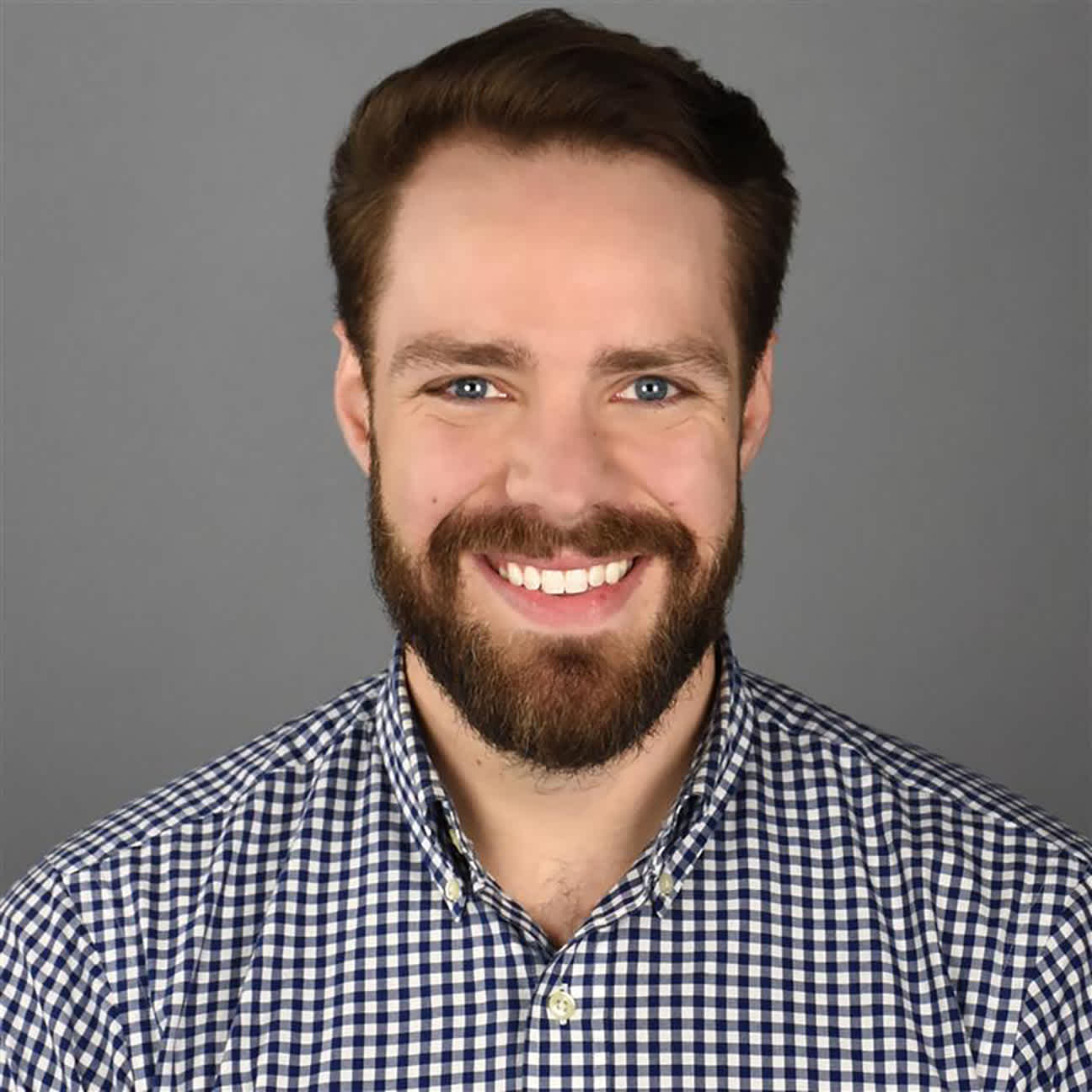
Michael Monroe

Brianna Wynne, MD
Transcript
Welcome to Inside Family Medicine, where you hear from leaders and peers in your specialty while learning about new tools and resources. I'm your host, Michael Monroe, a member of Team AAFP. Today, Dr. Brianna Wynn is joining us to talk about the role of family physicians in prevention, screening, and early detection of cognitive aging and Alzheimer's disease.
Dr. Wynn is a board certified geriatric medicine provider who earned a doctor of medicine from the Medical College of Wisconsin in Milwaukee. She completed her residency in family Medicine at Medical College of Wisconsin Affiliated hospitals in Milwaukee, and a geriatric fellowship at Advent Health Orlando, Florida.
She was an assistant professor in the Department of Geriatric Medicine at the University of Florida in Gainesville prior to working for Advent Health. Thank you so much for joining us, Dr. Wynn. Thank you for having me.
So I just wanna start by hearing a little bit more about your expertise in brain health and caring for patients with cognitive concerns.
Sure. So as you mentioned, I did family medicine residency before I did my geriatric fellowship, and I really had an interest in taking care of older adults from as a medical student. So throughout my course at the Medical College of Wisconsin for medical school and residency, and then with more training as a geriatric fellow.
I learned that a lot of older adults have some cognitive issues, but also they just want to be healthy from a brain health perspective, and then physical health as well. So I really like partnering with people to help promote health, and specifically when it comes to cognitive concerns, trying to address things sooner rather than later.
I love that. I think it would be helpful for the rest of our, our listeners, if we start with making sure that we have a, a baseline understanding of cognitive concerns and dementia. Um, what are the different types of cognitive decline that family physicians should be aware of? That's an excellent question.
So when we get older, there are normal processes that happen related to aging, including slower processing speed, where it takes people potentially a little bit longer to either formulate questions or get questions out, or you respond to questions and it's just a function of aging. So it's important for family physicians and other people taking care of older adults to give people a little bit more time to respond.
And when it comes to identifying normal problem or normal aging from problems, it's. Sometimes the doctor's job to tease that out. For example, for mild cognitive impairment, people are able to continue doing all of their normal activities, including complicated tasks, paying bills, driving, taking care of their household, usually without.
Any concerns or needing any help. However, when they have some formal cognitive testing, there are objective findings which are abnormal, or they don't score as highly as we would expect. So for mild cognitive impairment, people are functioning well, but we're having objective findings, which can clue us into there maybe being an underlying problem.
When it comes to cognitive concerns, there really are a spectrum of diseases. Dementia is an umbrella term and there can be lots of different disease processes that can cause dementia or different forms of dementia, and that ranges from mild to moderate or really severe end stage dementia. And usually people or their families, their caregivers are seeing and ex.
Experiencing symptoms, identifying things. It's not just up to the medical care provider to give a test or identify something, um, from mild dementia or mild impairment, not cognitive impairment, but really more along the lines of a dementia process. People are having some. Difficulty or having a, an increased challenge with doing the instrumental activities of daily living.
Maybe they're, they've missed a few bills or they're getting a little lost when they're driving with unfamiliar places or not able to use their G-P-A-G-G-P-S like they used to. Um, when it's more of a moderate issue, people might be forgetting how to use their microwave or leaving the stove on. Really more forgetful.
And when it comes to severe or end stage dementia, people need a lot of assistance, are not, um, bathing by themselves. Um, needing help with feeding and at the very end stages, often forgetting who their family is and not even communicating at all.
So it really is a spectrum and family physicians can work with patients and their family members to identify.
If there is a problem, and if so, what or how to, to treat it or how to support people through it. I love that and I really think that family physicians, because they often care for a whole family together, they really are uniquely positioned to help patients and caregivers help identify those, those early concerns related to cognitive decline.
Uh, in your experience, what are family physicians most likely to see in their practices? Or what are, what have your experiences been? I think people are likely to see. Two types of older adults. The first type are people who are fairly healthy and wanting to do as much as they can to promote health, to try to stay as independent as possible.
And the second type of patients that, or the second type of older adult patients, uh, family physicians are seeing. Are typically, in my experience, more of the medically complicated, a bit more ill, whether that's from physical illness or mental illness and sometimes, um, cognitive issues too. So people. I, I see, uh, I exclusively see older adults because I'm in geriatrics.
But the range of people, the younger, older adults, like people in their sixties and seventies are typically a little bit healthier and wanting to really maintain an independence. And then the older folks we're seeing a bit more decline and then trying to identify their cognitive issues sooner rather than later, because there are.
Some treatments. Um, there's also newer therapies or newer research opportunities for people. So I, I would say they're kind of two ends. The, the more healthy people and then people who are really needing help and needing resources. And I think that's part of the job of being a good family medicine doctor too.
Trying to link people up with community resources and support. Absolutely.
And how do those conversations around cognitive health usually come up in clinical practice? If the patient is bringing up it up, in my experience, it's usually when there's a serious issue. It's not when it's just, um, in the mild cognitive impairment realm or they're just a little worried.
Typically when people are identifying it in themselves, uh, it's more serious or I have caregivers. Bringing it up, or, or loved ones coming in with their, their pa, the patient and bringing up a concern. And oftentimes if that's happening, the patient might be in a bit of denial or a little bit far gone to even realize what's going on.
They're not recognizing it, so their judgment is off. Um. If I am doing, uh, just routine visits sometimes with, or especially with Medicare annual wellness visits, but oftentimes kind of through throughout the year when I'm seeing people, I'll periodically ask if they've noticed any changes in thinking or memory, and if they have, then I want to ask a bit.
More question, kind of delve a little bit deeper to get more information. And sometimes it's my job to figure out what's going on and, and get that information to then potentially order further workup or consider referring or just do formal cognitive evaluation. It really kind of depends on what's going on, but oftentimes it's the questioning that I'm asking just and with, without any specific prompting from the patient.
Talking about those roles that family physicians play in screening and early detection of late stage events or, or, or more advanced dementia or Alzheimer's related dementias. What other tools do you have in your your toolbox to help with that early detection and screening? There are several tools that I, I use personally.
So if we're just talking about a quick tool, um, a quick screening test that takes a couple minutes or less, I really like the mini cog and that's a very quick test. And if people are score less than the five out of five, which would be full points, then I might wanna ask some more question or do some more.
Um. Do a further evaluation if I we're just trying to get a little bit more information, um, from, for or for ourselves, like as medical providers. But AAFP has a good tool when it comes to, to screening or, or learning a little bit more about dementia, kind of quickly trying to tease out. Whether it might be, uh, a frontotemporal versus an Alzheimer's disease, that's the shared decision making guidance tool.
I, I think that's a really good place to, to start as well. Um, if, you know, someone does have Alzheimer's disease, but really with any dementia process too. We ha, or I do use the Alzheimer's Association because they have resources not only for medical providers, but for patients themselves, and caregivers too.
A lot of support, um, a lot of resources, even. A, a line where people can call with questions twenty four seven. There's someone always available to answer the hotline. So I, I think there are lots of different tools out there. I I think it's important for people to be familiar with what's locally, uh, available in their community too, or, [00:11:00] or their, their state or county.
Yeah, I love that focus on building confidence for yourself as a clinician, but also for patients and family members who are maybe managing this for the first time or experiencing this, you know, without having the, the expertise that you all come with as, as medical professionals. Um, are there any other CME resources or clinical guidelines or specific clinical resources that you would recommend to your colleagues who are maybe managing dementia for the first time in practice and don't have your level of experience?
Yes. So a lot of things are available on apps or online. Uh, I do promote familydoctor.org. That's where people, uh, medical providers specifically can go in and search different tools or search for information. Um, because as I mentioned, dementia is a really broad topic, but there are other topics that are included.
As well, so not just the AAFP um site, but family doctor do org is a way where people can quickly look and get, um, get a bit more information and it's not overwhelming. It's like bite sized where you can get it and then apply it like that same day in clinic.
That's great. And as we look ahead, what are you hoping for in the future to help advance care for patients with cognitive concerns or to help support their family members who are managing these concerns at home?
That's a great question. I mean, I want to see Dementia Cure, right? I, I think that it would be amazing if we literally had a cure for. All these cognitive issues. I don't know when that's going to happen, but as I mentioned, there's a lot of research that's still going on, and there are a lot of trials that sometimes we might want to encourage our patients or their loved ones to look into and be a part of because there are certain groups that are underrepresented even in clinical trials.
So trying to get. More people, like a, a wider range of people involved I think would be really cool. Um, just getting more awareness out there because sometimes people are hesitant or, uh, really afraid of even getting testing or going to the doctor, um, because they're afraid that it's going to. Really impact their lives negatively if they have a diagnosis or maybe they won't be able to do the things that they like doing, or we're going to limit their activities or something.
I think bringing awareness, just that we, we really are trying to help people and. Emphasizing to patients that there is always hope, even though we don't have a cure right now, we're working towards that. We're working towards effective treatment options. There are a lot of new options that are available today that weren't even available.
Five, 10 years ago. So we're, we're always evolving in medicine, we're always learning more and more. And my goal is that we would just get the information out there, not only for the family physicians or medical students and residents, but for the population as a whole to come together and support those and, and also kind of reduce the stigma that can be associated with these cognitive issues.
I think that's an excellent, positive message to end on. Thank you so much for joining us today, Dr. Wynn, and for sharing your experience and your expertise. Thank you for having me. It's been a pleasure. And to our listeners, if you'd like to learn more about choosing family medicine or would like more resources around cognitive care, go to AAFP.org or see the link in our show notes if you enjoy today's episode.
Let us know by dropping a line to a AAFPnews@aafp.org and be sure to share the episode with your followers on social media and tag the AAFP.
Resources
Disclaimer
Copyright 2026. AAFP. The views presented in this broadcast are the speakers own and do not represent those of AAFP. The information presented is for general, educational or entertainment purposes and should not be considered legal, health, financial or other advice. AAFP makes no representation as to the accuracy or completeness of the information and is not responsible for results that may arise from its use. Consult an appropriate professional concerning your specific situation and respective governing bodies for applicable laws. Reference to any specific product or entity does not constitute an endorsement or recommendation by AAFP unless specifically stated otherwise. AAFP and the AAFP logo are registered trademarks of American Academy of Family Physicians.