
Primary care at the center of fighting chronic disease
Show notes
Yalda Jabbarpour, MD, of the AAFP’s Robert Graham Center, talks with rural family physician Jennifer Bacani McKenney, MD, FAAFP, about the Robert Graham Center’s report “Investing in Primary Care: The Missing Strategy in America’s Fight Against Chronic Disease,” co-funded by the Milbank Memorial Fund and the Physicians Foundation.
The report shows that having a usual source of primary care increases preventive services and screening, reduces emergency department visits and hospitalizations for people with chronic disease and lowers Medicare costs.
Learn about rural impacts, policy levers such as Medicare payment improvements and community health center funding, and how data supports advocacy and practice-level resource requests.
Episode hosts
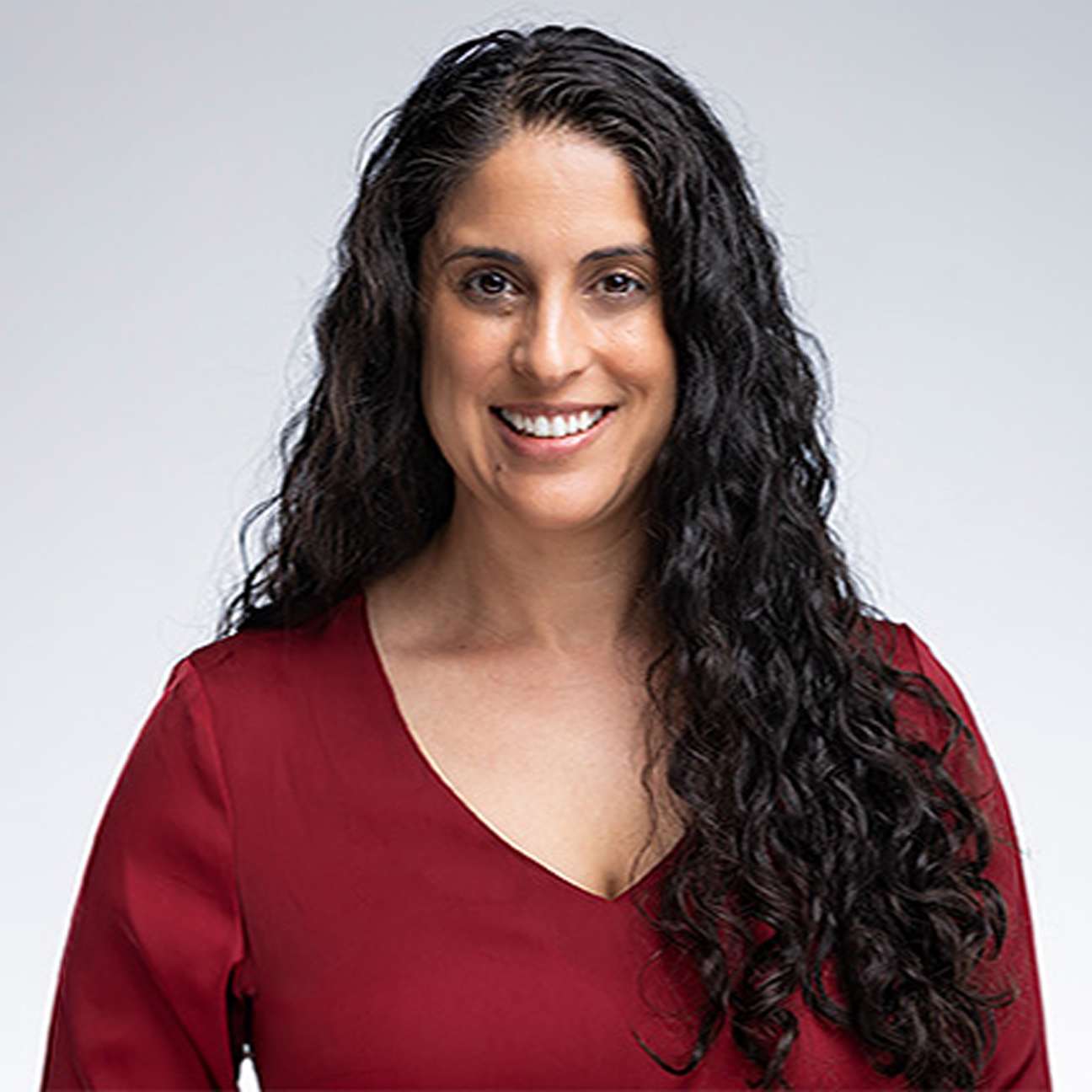
Yalda Jabbarpour, MD
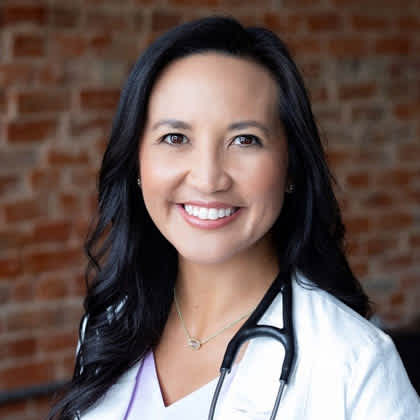
Jennifer Bacani McKenney, MD, FAAFP
Transcript
Yalda Jabbarpour, MD: I am Dr. Yalda Jabbarpour, director of the Academy's Robert Graham Center.
The Robert Graham Center has just published its third annual report on the state of primary care, this time centered on chronic disease. Today I'm here to talk about the report with Dr. Jennifer Bacani McKenney, an AAFP member, who can attest firsthand to what this latest research shows.
Welcome to Fighting for Family Medicine. I'm Dr. Yalda Jabbarpour, vice president and director of the AAFP's Robert Graham Center, and a practicing family physician. My co-authors at the Graham Center and I have just published our latest research on the state of US primary care.
The report is called “Investing in Primary Care: The Missing Strategy in America's Fight Against Chronic Disease,” and it makes a strong, data-driven case for investment in the primary care workforce as a bulwark against chronic illness. This report builds on the primary care scorecards we've put out the past three years and is again co-funded by the Millbank Memorial Fund and the Physician's Foundation. You'll find a link to the report and the related dashboard in the show notes for today's episode.
To talk about these new findings and what they mean for family medicine, I'm pleased to welcome Dr. Jennifer Bacani McKenney, MD FAAFP. Dr. McKenney is a family physician in her hometown of Fredonia, Kansas, a community of approximately 2,200 people, where she owns and manages her practice, Fredonia Family Care. She's also an assistant professor in family Medicine and community health for the University of Kansas Health System.
Welcome, Dr. McKenney.
Jennifer Bacani McKenney, MD, FAAFP: Thank you so much. I'm excited to be here.
Jabbarpour: We're excited to have you. This will be fun.
So, ahead of our conversation, I want to offer a thumbnail description of what's in the report, who it's for and why it's important.
The research quantifies some positives for primary care and family medicine. I think all these things we know as family physicians who work every day in family medicine, but it's so nice to put numbers to this. For one thing, we showed that adults and children with a usual source of primary care are getting preventive services for chronic disease at a significantly higher rate than patients who lack that relationship.
We also showed that adults and children with chronic disease, with a primary care source, were also considerably less likely to need emergency care or hospitalizations. And for our Medicare patients with chronic disease, some of our most fragile patients in the us, they cost the system less money thanks to the primary care relationship.
That's all important information for us to convey to policymakers who have centered their decisions and messaging on dealing with the nation's crisis of chronic disease. The data will help the AAFP advocate for primary care as an engine for dealing with that crisis.
So, Dr. McKenney, we're putting data behind how essential primary care is, including the outcomes you see in practice. Can you talk a little bit about how this data comes to life in your practice?
McKenney: Absolutely. I love seeing this data and I'm really excited for it to be out there because, you know, like you mentioned, those of us in primary care doing family medicine day to day, we see this. We know it in our hearts. We know that this is exactly what happens.
And those of us in rural practice, I mean, we're also the inpatient doctors. We're also the ER doctors. So we are literally seeing patients in every setting. And when they start showing up in the ER more than they show up in our clinic, or they start getting hospitalized because they didn't come in to see us early, we're right there with them. So we're living this every day.
I do think about people with primary care physicians, especially children, when we think about kids we're doing the work of being proactive with our children, whether it's vaccines, whether it's well visits. We do a lot better these days, especially in 2026, being able to call people up and say, Hey, by the way, um, you haven't been in to see us lately. Can you come in for your well visit? We're much better at, at, again, being proactive and saying, Did you know you're due for your mammogram?
We’re better at no longer waiting for them to show up for their blood pressure check and mentioning like, Hey, I haven't had a mammogram for a while. So we really have a lot of resources to be able to not only care for people but also to be proactive, bring them in and make sure we're giving reminders for our patients that we're reminding ourselves when patients are due for different things.
One story that does come to mind is that I had a patient that we found out had been in the ER, I think it was, 38 times the year before. And again, you know, we're the ER doctors. So we started digging into why he was showing up at the er, and what we found out was that it was most of the time because he was out of his medications or, you know, um, and he forgot to call ahead of time.
And the pharmacy, of course, in a small town isn't always open. So we started calling him every single Friday. Hey, how are you doing? Do you need a visit? Do you need a refill on any of your medications? And just with that personal touch, because we talked to him. We figured out the problem.
He was in the ER two times that following year. So, I mean, just the things that we can do, because we know our patients, we're not afraid to have those conversations. We’re trying to care for them. Even outside of the exam room, those are the things that we do in primary care that really make a difference and that’s exactly what this data is showing.
You know, we're costing the system less money. We're keeping them out of the ER unnecessarily. We're keeping them out of the hospital unnecessarily, and we're taking care of them and meeting those preventive measures. So, very proud of what we can do always in primary care.
Jabbarpour: I love that story and I do love how that really brings the report to life. That's great.
McKenney: For those of us who have read the Robert Graham Center Primary Care scorecards the past few years, how does this report carry forward that work?
Jabbarpour: Yeah, so, you know, we've been doing this scorecard, as you said, for at least a few years now, and generally it was created to carry forward the thoughts of the NASEM [National Academies of Sciences, Engineering and Medicine] committee on implementing high-quality primary care back in 2021. They really wanted an accountability metric to trace the objectives that they had set forth during that committee meeting to see if we were, uh, supporting high quality primary care in the United States.
And so the scorecard was designed as that accountability tool. What we found though in the last couple years is that the data didn't change much, you know, so the data that we were collecting on workforce year to year, or on primary care spend year to year, or on access to primary care year to year, you know, it changed by half a percent, a percent every year. And so we thought this year what we would do was actually a deep dive into a topic that was important to primary care, but to health care overall. And that's why we focused on primary care's role in preventing chronic disease.
And how do we draw that back to the scorecard data from the past? Well, in the past we have shown that we completely underinvest in primary care. Only about 5% of total health care expenditures in the United States go towards primary care. That means we have primary care offices and clinics that are under-resourced, but overworked. What does that mean? That means that we have a hard time retaining and attracting people into the primary care workforce, and as a result we see that it's impacting access for patients.
So we've shown in the scorecard in the past and show again this year that roughly a third of adults and over 10% of children. Do not have a usual source of primary care. And this report this year shows how important that usual source of primary care is to preventing chronic disease, but then once chronic disease does start preventing it from getting worse.
The missing strategy really is investing more in primary care. We also, this time in the report, highlight the policy levers the Academy is working to pull to address care, access, primary care spend and chronic disease altogether.
McKenney: Wonderful. Thank you so much for that information. In terms of policy, the report calls on federal, state and private sector health care leaders to take significant action, such as continuing to improve Medicare payment and expand its scope of services. Can you talk more about what that looks like?
Jabbarpour: Yeah, so the latest Medicare physician fee schedule does favor primary care more than it has in the past. And the AAFP's advocacy just helped secure major funding for community health centers, which we believe is the core of primary care. So if we can all get on the same page with investing in primary care, we can get there.
Our advocacy team has done a tremendous job on getting movement. I know we work with state chapters who are trying to implement legislation to increase primary care spend in those states, and we really do believe that improving access for patients, improving what's happening in primary care, starts with investing more in primary care.
McKenney: How attainable do you think a bigger investment in primary care is?
Jabbarpour: I think it's a great question. We're hoping that with this data we're just able to say to policymakers, both on the state and federal level, that our shared health objectives are within reach if you spend more on primary care, and I really think that they are within reach.
Look, we can tell people that you can spend a little bit more now on primary care and save tons of dollars later, or you can keep it at the 5% that we're at now and have the same outcomes that we keep having in the health care system, where we spend more and more money even though people are more and more sick.
And we do see that there has been movement, thanks to the AAFP's advocacy team, which has done a tremendous job gaining leverage in spaces such as that fee schedule, and our state chapter team, which has done a great job in supporting states as they work to define primary care spend in their own states and legislate higher levels.
Other primary care groups are coalescing around this work too, and our policy recommendations, so we're not alone. We're a big coalition and we're working together in our efforts to advance primary care in the ways that we outline in this latest report.
McKenney: I, for one, am a big fan of the AFP's advocacy team. Since I was a student, it, it just has always been important to me. And, and now in practice, you know, it's even more important. So I'm very, very thankful.
What do the Robert Graham Center and the AAFP, aim to get from this research, and how might family physicians use that report or benefit from its existence even?
Jabbarpour: Yeah, well, you know, the Robert Graham Center, on our end, we don't do advocacy specifically. We leave that to our experts in Government Relations. But what we try to do really is create and curate the evidence to help gain support for primary care. And so very specifically, we hope that this data will feed into the Academy's advocacy and the advocacy done by other primary care groups seeking more financial support for primary care.
One, I hope they understand that our research is essential to our advocacy work. Stories are great. Our advocacy team does a great job with sharing stories like yours on the Hill. But we also need data and research that makes the strongest case possible for our members, and that's what the Graham Center tries to do.
And then at the individual level, this report shows that every primary care clinician can move the needle on chronic disease within their local populations.
You talked about how you do that in your clinic, and we can move it forward. more with increased support from the federal and state governments. I work for a large health system myself, and I know it can be hard when we need something in our clinic to advocate for more staff, more anything really, when primary care doesn't bring the upfront revenue that our CFO might think that it brings. But we know that the return on investment in primary care is huge in terms of outcomes that ultimately save the system money. And so we're hoping that the data like that is found in this report will give the individual AAFP member some leverageto also fight in their health system to get the resources they need.
McKenney: I couldn’t agree more with you. You know, my health system, my little hospital, we're a critical access hospital, and our challenges are just staying open, just keeping the doors open. So it is tough to advocate for, like you said, more of anything, especially when it comes to primary care needs. So yes, we're in the exam rooms in our clinic, but we're also in the hospital, in the ER, in the nursing homes. We're the directors of hospice and home health and all those things.
Some of us are also involved in the community in other ways. I was on the school board for a while and that was really interesting. But, you know, we try to take care of the community in so many ways. So when we invest in primary care, we're really investing in communities, you know, whether it's a rural community, a smaller system or group of people that the primary care physician is taking care of, we're really investing in the people and the community. That's why a lot of departments are called family and community medicine, right? Because it's not just about the person in front of us. It's truly about the community.
And so when we're investing in primary care, we're not only saving the system money. You know, I do colonoscopies in Fredonia, so I'm saving my patients a drive 90 miles away to do a consult, another drive 90 miles back, another drive to do their, their colonoscopy and then another drive back.
And nobody wants to drive 90 miles when they're prepping for a colonoscopy, just gonna say. So we're saving the system money.
Jabbarpour: Absolutely.
McKenney: But we're saving our patients, we're saving them time, we're saving them their resources that they might need. That gas money can pay for their medications later too.
So it's just the investment is so much in primary care, and the reach of primary care is so wide when we talk about really the system or the communities as a whole.
What would you say is the best or most encouraging news in this report?
Jabbarpour: Yeah, I think I would build off of what you were just talking about. You know, we've been talking a lot here about how this report shows that we save the health system money. And it does. And we do. But I agree with you. I mean, I think there's something more, a lot more that primary care does for the health system besides just save the system money. And that's really those patient-oriented outcomes. Like, you know, not having to drive 90 miles to your colonoscopy.
And what we showed over and over again in this report was that when we compared patients who had a usual source of primary care to patients who did not have that usual source of primary care, those who had a usual source of primary care were just so much more likely to get the things that we know down the line will save them hours from having to take time off of work, will save them in terms of future health, will increase their life expectancy.
And what do I mean by that? We found that people with a primary care physician were more likely to get screened for the biggest killer of adults in the United States, which is cardiovascular disease. They were more likely to get screened for some of the most common cancers in the United States, including breast cancer, colon cancer and cervical cancer. And then for people who do have chronic disease—as you and I know, we can prevent as much as we want and some people will still develop chronic disease—for those people, having a primary care clinician was so important in terms of keeping them out of the emergency room and keeping them out of the hospital.
And I don't know one patient that wants to go to the emergency room or to the hospital. And so I think those findings were just so encouraging. Again, it's stuff that deep down as family physicians we know is true. We see it every day in our clinics. But to have the data on a national scale bring that to light and show that having a primary care physician helped prevent all of these things was so special.
Jabbarpour: So I wanted to ask you about part of our research having to do with how emergency visits related to chronic disease are climbing in rural areas. We know that patients without usual source of care and without insurance rely on emergency care as a first and maybe only source of care, even for chronic illness, not just acute illness. What effects do you see in your practice as a result of this? Are you seeing this?
McKenney: Yeah, absolutely, this is a great question. And again, it's so magnified, I think, in a rural area because we, uh, you know, our clinic is attached to the hospital, so we might be in clinic, seeing patients, and then one of our patients ends up in the ER. So then the ER calls us and then we run down the hallway, you know, to see the patient in the ER, which then leaves the patients waiting in the clinic who have their visits and all of that.
And so it kind of makes the whole workflow a little bit … harder on the patients that are, that we're trying to care for in, in general, right? Because we can't spend the time that we need in each situation and, you know, taking care of patients in the right place at the right time, you know, so, um, I.
But we often ask them, Hey, why didn't you just come to the clinic and, and see me there? We would've worked you in. And oftentimes it's because they say they lost their insurance or, you know, they couldn't afford the copay. I mean, these are real things that are happening.
And unfortunately, especially in our small rural hospitals, that means that probably the hospital is going to eat the cost of that emergency room visit. And as that continues to happen and as those emergency room visits increase, then the hospitals take bigger and bigger hits, and their ability to keep their doors open at all, their emergency room doors, their inpatient doors, that starts to dwindle.
That’s one of the big reasons why we see rural hospitals closing. It’s all part of the bigger system. If people can't afford health insurance or don't have access to health insurance, you know, through their work or whatever, it's a ripple effect to the hospitals, to the ERs, and then to the communities as a whole.
If they don't then have an emergency room or don't have a hospital, then those communities start to die as well. If Fredonia didn't have a hospital, it would be a much different town.
And, you know, rural communities are already struggling, and I can't even imagine trying to thrive and grow in a place where we don't have access to health care.
Jabbarpour: Hearing your stories, it's always so incredible for me as, you know, a doctor that works in an urban setting to hear your stories from a rural setting because really, you know, you are the canary in the coal mine, right?
Like what you see in the rural area is really a sign for the rest of us. Like, hey, if we don't act now and we don't support primary care better, this is what can happen to the rest of us because it's so magnified in that population. So thank you for sharing that.
McKenney: Yeah, oh definitely. Thank you. And I always appreciate people talking about primary care and especially talking about rural health care. Because although I don't love being a canary in a coal mine, you're right.
When people allow us to share those stories about rural health, then people start to understand. So I do always appreciate the AAFP and the Robert Graham Center for understanding the importance of rural health care and the role that we play in the bigger system.
So I'm loving all of this. The report feels like validation. We all know, I mean, we feel it. This is why we do what we do, right? If somebody asks, like, why are you a family physician? It's because of this. Because know the difference we can make with every patient that's in front of us, every family that comes to see us, every community that we exist in. It’s just really exciting to see it kind of in numbers, right?
Are there any other key takeaways for family physicians from this report that we should all know?
Jabbarpour: I mean, I think you took the words right out of my mouth. That is perfect. I love when a report that we do using large national data actually fits what family physicians know and see in practice every day.
And I also know, you know, as a practicing family physician, like you, that it's been hard to be a doctor lately. It's been hard to take care of our communities. And I guess the key takeaway for me, hopefully for the family physicians out there, is that this report just reiterates how important what we do is both on the individual scale for our individual patients. On the whole population scale, we are so important.
So Dr. Bacani McKenney, thank you for your time today and sharing some of your own experience.
McKenney: Thank you.
Jabbarpour: To our listeners, you'll find links in this episode's show notes to more about about this report and the Robert Graham Center's research. If you enjoy today's episode, let us know by dropping a line to AAFPNews@aafp.org.
Be sure to share the episode with your followers on social media and tag the AAFP and the Robert Graham Center.
Resources
Disclaimer
Copyright 2026. AAFP. The views presented in this broadcast are the speakers own and do not represent those of AAFP. The information presented is for general, educational or entertainment purposes and should not be considered legal, health, financial or other advice. AAFP makes no representation as to the accuracy or completeness of the information and is not responsible for results that may arise from its use. Consult an appropriate professional concerning your specific situation and respective governing bodies for applicable laws. Reference to any specific product or entity does not constitute an endorsement or recommendation by AAFP unless specifically stated otherwise. AAFP and the AAFP logo are registered trademarks of American Academy of Family Physicians.