
IFM | Rethinking menopause therapy: options to move women’s health forward
Show notes
In this special sponsored episode of the Inside Family Medicine podcast, brought to you by Bayer, host Aftan Jameson talks with Amy Cantor, MD, a family physician, women’s health researcher and Menopause Society Certified Practitioner, about the changing landscape of menopause care and how family physicians can help patients navigate an expanding range of treatment options and health information.
Cantor reviews the role of menopausal hormone therapy in managing vasomotor, genitourinary and other menopause-related symptoms, including sleep disruption, mood changes, fatigue, brain fog and joint aches. She explains the different formulations and routes of estrogen therapy, why patients with a uterus generally need a progestogen with systemic estrogen and which patients may be good candidates for hormone therapy. The conversation also addresses recent FDA labeling changes, testosterone use for hypoactive sexual desire disorder and the importance of evaluating sexual health as part of comprehensive menopause care.
The discussion then turns to non-hormonal options, including SSRIs and SNRIs, gabapentin, neurokinin receptor antagonists, cognitive behavioral therapy and clinical hypnosis. Cantor also addresses the growing amount of menopause information patients encounter through social media, podcasts and wellness marketing. She encourages clinicians to ask patients what supplements they are taking, what symptoms they hope to address and whether cost, drug interactions, uncertain purity or limited evidence should factor into the conversation.
Cantor also revisits how evidence from the Women’s Health Initiative has shaped perceptions of menopausal hormone therapy. She explains why age, timing, formulation and individual risk matter when interpreting those findings and encourages clinicians to communicate benefits and risks in absolute terms. Breast cancer and cardiovascular risk assessment, health history, time since menopause and patient preferences can all help guide shared decision-making rather than treating hormone therapy as either universally appropriate or something patients should automatically fear.
Finally, the episode brings evidence back to everyday family medicine. Cantor encourages physicians to normalize conversations about perimenopause and menopause, lead with symptoms rather than relying on laboratory testing alone and use the menopause visit as an opportunity to address preventive health. Because symptoms and health risks change over time, treatment decisions should be revisited rather than viewed as one-and-done. Family physicians’ continuity with patients across the lifespan puts them in a unique position to help women evaluate new information, weigh treatment options and develop an individualized plan as their needs evolve.
Episode hosts

Aftan Jameson
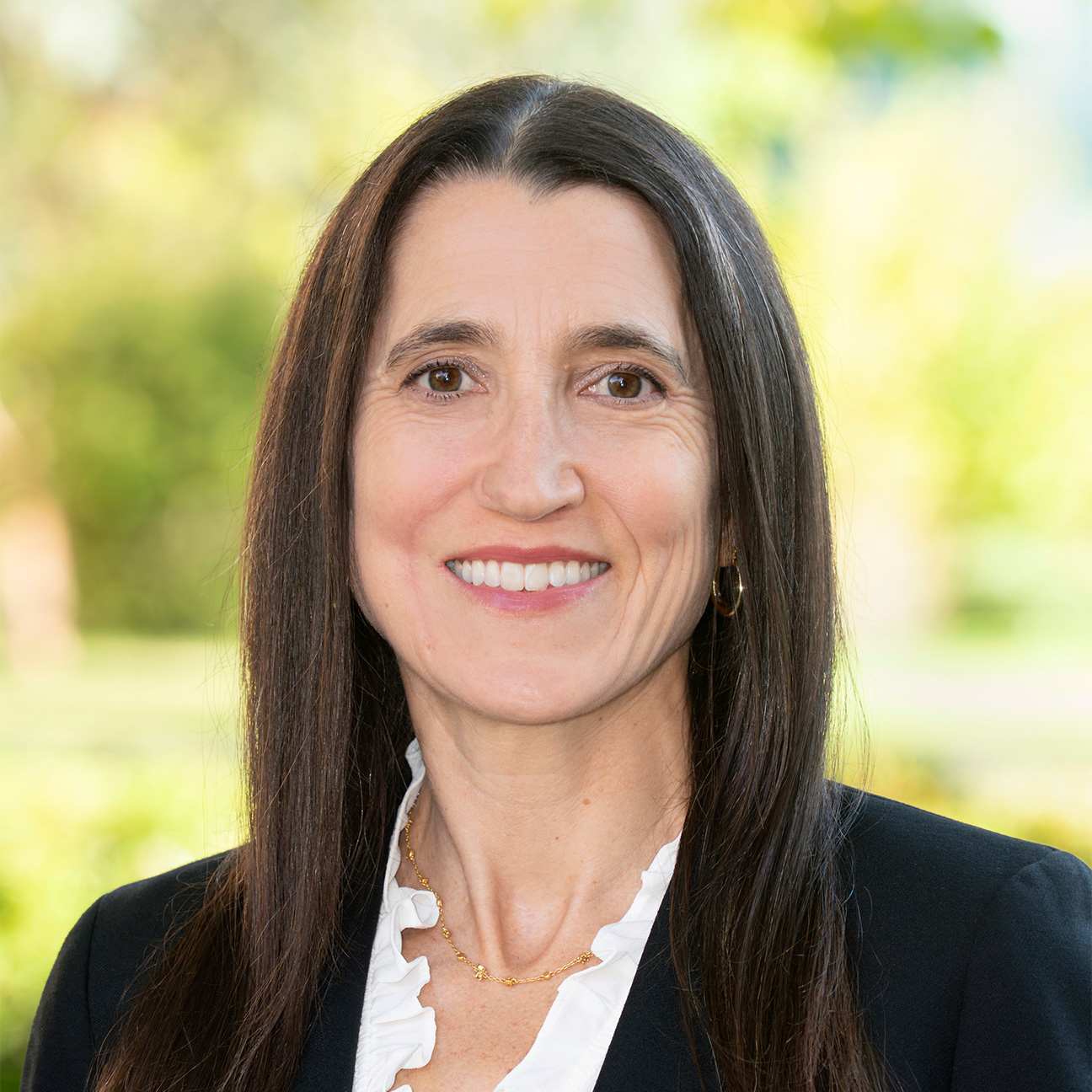
Amy Cantor, MD, FAAFP
Transcript
Thank you for tuning in to this sponsored episode of Inside Family Medicine. I'm Aftan Jameson, a member of the AAFP team and your host for this episode. Today, we're joined by Dr. Amy Cantor, a family physician, recognized physician-scientist in women's health, and Menopause Society certified practitioner. We're going to talk about menopause, the many ways it can affect women, and the options available to help manage symptoms.
While menopause is a normal part of life, the experience is different for everyone. It's not just hot flashes and night sweats. Changes in sleep, mood, memory and concentration, joint pain, or new feelings of anxiety can leave some women saying, "I just don't feel like myself anymore." For a topic that hasn't always received the attention that it deserves, menopause is generating a tremendous amount of new research and innovation, and the focus of our conversation today is just that.
A sudden influx of information on a topic can sometimes cause confusion or fuel misinformation. Today, we want to address what family medicine teams might be experiencing with their patients to help them deliver scientifically accurate care. Dr. Cantor cares for patients as clinical faculty in the primary care division at Oregon Health & Science University Center for Women's Health and is a senior investigator at the Pacific Northwest Evidence-Based Practice Center.
Her research focuses on the intersection of primary care, women's health, evidence-based medicine, and clinical guidelines, and has been used to determine national clinical practice guidelines, health policy, and coverage decisions affecting millions of Americans. She has conducted research on behalf of the USPSTF, the NIH, and she has served on the advisory panel of the Women's Preventive Services Initiative.
She is also currently the medical director of clinical guidelines for the OHSU Health Systems. Welcome, Dr. Cantor.
It's great to be here today for this important discussion.
Thanks. So it's our tradition with the Inside Family Medicine podcast to ask each family physician guest this question. Can you tell us how you found family medicine, Dr. Cantor? And how did that journey lead you to specialize in women's health?
Well, my journey actually started in my undergraduate years at the University of California Berkeley, where I pursued a degree in international public health, and I spent a lot of time in the School of Public Health and was inspired by a women's health professor there.
She became a mentor and a friend starting in my undergraduate years. I went on to pursue a degree in public health from the Johns Hopkins School of Public Health, and after spending some time internationally doing public health work, I went on to receive my medical degree from the University of Texas San Antonio Health Science Center.
During medical school, I started a student-run free clinic program with a mentor of mine who was actually a family physician. We started a free clinic in a residential treatment facility for women, and then we added another student-run free clinic in a family shelter, and all of those clinics have expanded and still exist today.
This mentor and friend of mine helped me realize that family medicine was truly my calling and the perfect path to pursue a career in women's health. So after an internship with the University of Oklahoma, I went on to complete my family medicine residency at the Ventura County Medical Center in Ventura, California.
I then went on to complete a women's health fellowship at the Oregon Health & Science University Portland VA Medical Center. From there, I stayed in the Pacific Northwest and decided to make that my home as OHSU faculty and a women's health primary care clinician at the Center for Women's Health, where I currently practice and I see women of all ages and stages throughout their lifespan, including menopause and perimenopause.
There have been very important developments in menopause care, but listeners may have different levels of familiarity with treatment options. To set the stage, can you recap the basics of hormone and non-hormone therapies available today and how they can help women manage their menopause symptoms? We can start with hormone therapies.
Menopause hormone therapy, or MHT as you might hear, includes systemic and local hormones that can be used as part of a comprehensive approach to managing symptoms during menopause and even perimenopause. This topic has moved to the forefront of the midlife conversation, and it's important to understand how we can use our clinical knowledge to partner with patients to find the best individualized treatment options.
Since this audience is already familiar with defining and identifying perimenopause and menopause, we can focus our conversation on management. So, starting with menopausal hormone therapy, this is indicated for management of symptoms. Importantly, several recent guidelines from professional societies like the American College of Physicians, ACOG, and the Menopause Society all support the use of hormone therapy to manage vasomotor symptoms, and some more recently recommend MHT for menopause-related sleep and mood symptoms.
These decisions are individualized. They're based on a patient's age, menopause stage, current symptoms, underlying medical conditions, their need for contraception, and their personal preferences. This is a huge shift in clinical practice that has resulted from increased awareness and attention to menopause care.
So briefly, just to understand the physiology, as estrogen levels decline during the menopause transition, women may experience symptoms such as hot flashes, night sweats, and vaginal symptoms, and we know that estrogen-based therapies can relieve these symptoms. But we also know that women may experience other symptoms like mood changes, sleep disruption, fatigue, brain fog and joint aches. Hormone therapy can be helpful for treating these symptoms too.
But they're not the only choice for addressing symptoms. While it's widely understood that hormone therapy is a safe and effective option to manage symptoms in most women, hormone therapy is not recommended as primary or secondary prevention of chronic conditions. Estrogen-based therapies contain estrogen to help relieve symptoms associated commonly with hormonal changes, like vasomotor symptoms, including hot flashes and night sweats, and these affect nearly 80% of menopausal women.
Now, estrogen comes in many formulations and types, including synthetic or bio or what we call body-identical. Systemic hormones come in formulations of pills, patches, gels, sprays and then there's vaginal estrogen, which is mostly absorbed locally, safe for nearly all women, and used to treat genitourinary symptoms of menopause, which we call GSM.
So when we talk about a systemic estrogen, it's really important to remember that for women with a uterus, estrogen must be combined with a progestogen to protect the uterine lining and prevent unopposed proliferation of endometrial tissue, which can occur with estrogen alone. The FDA-approved indications for menopausal hormone therapy include vasomotor symptoms, genitourinary symptoms, premature menopause and osteoporosis prevention.
There are important conditions where hormone therapy is absolutely contraindicated and we need to keep these in mind. Those include unexplained vaginal or uterine bleeding, active breast cancer or a history of an estrogen-sensitive cancer, history of myocardial infarction or stroke, severe active liver disease or someone with a high risk of clotting.
Fortunately, as primary care clinicians, we know our patients' history, and we have effective screening tools and risk calculators at our fingertips to help us assess cancer risk, cardiovascular risk and others. The best candidates for menopausal hormone therapy are women less than 60 years old or within 10 years of the menopause transition, those with bothersome symptoms, bone density indications, or who don't have any of those contraindications to hormone therapy or who have a high risk of breast cancer or cardiovascular risk that we've identified.
Also importantly, that they prefer hormone therapy over other options to treat their symptoms. So you may have heard about hormone treatments in the news because of some recent FDA labeling changes. And in the past year, the FDA labeling for estrogen was actually changed, and the black box warning was removed for various estrogen-containing pills, patches and creams in an effort to clarify benefit-risk considerations.
And this came along with quite a bit of advocacy to increase recognition that context, formulation, dosing and timing matters, and that prescribing is not binary. It's not a yes or no. The warning label remains for the risk of unopposed estrogen. There are other additional treatment options to address sexual function and vaginal symptoms associated with menopause.
We know that sexual problems are common, but they're often underreported. But it may not all be sexual dysfunction. We have different definitions for desire disorders and different ways to treat them. And hormone levels and desire levels don't always match up. Many patients are also asking about testosterone as part of their menopause treatment.
Now, the evidence-based indication for testosterone is treatment of hypoactive sexual desire disorder, so that's called HSDD, in postmenopausal women. Some perimenopausal women have off- label use of this, which may be appropriate for selected patients, and that comes from guidance from the International Society for the Study of Women's Sexual Health or ISSWSH.
One clear message: no pellets. These are not FDA-approved for any indication, dosing is unreliable, and the evidence is insufficient. The FDA recently examined the use of testosterone during menopause, but they acknowledge that key questions about long-term safety remain unanswered. This is a research opportunity, even though some women may be seeking testosterone for a broader range of symptoms and concerns.
So, this is a medication that's not indicated for the prevention of any chronic condition or to treat symptoms that are not related to HSDD. Most importantly, we need to normalize the conversation about sexual health and sexual function, and take symptoms seriously, noting that it's influenced by more than hormones.
Other treatments include mindfulness, cognitive behavioral therapy and other FDA-approved medications. We also know that there are certain medications that may be used to manage vasomotor symptoms or mood symptoms, like SSRIs or SNRIs, but those can also possibly negatively affect sexual function. So it's important to take a thorough history and understand the bigger picture of a woman's symptoms and health conditions.
Yeah. So what I'm hearing is that there are a lot of options with hormone therapy itself, but the key is really matching treatment to the individual patient, her symptoms, her risks and even her preferences. So if hormones aren't the right choice for everyone, on the flip side, I believe that we have non-hormonal options as well.
And so what is available in terms of non-hormone therapy, and how does this type of therapy help with vasomotor and other menopause symptoms?
In the past month, several professional organizations have released guidance to guide the use of hormone therapy. The recent ACP guideline also focused on summarizing the effectiveness of non- hormonal treatments based on the available data, along with the recommendation that menopausal hormone therapy is first-line for vasomotor symptoms.
Now, they reviewed several non-hormonal treatments that can help relieve vasomotor symptoms that can also be helpful for other symptoms. So we think about using non-hormonal options in women who have contraindications to hormonal therapy or who may be experiencing other symptoms that could benefit from those other specific medications.
For example, women with mood symptoms may also benefit from an SSRI or an SNRI. Women with chronic pain may benefit from gabapentin. The selective neurokinin receptor antagonist may be more appropriate for women with cancer or those who have contraindications or other reasons to avoid hormonal options. For women with progesterone intolerance who still have a uterus, you can consider conjugated estrogen combined with bazedoxifene to manage symptoms and also provide uterine protection.
Cognitive behavioral therapy and clinical hypnosis may also be helpful for short-term symptom relief, including sleep-related symptoms. And for each of these medications, reviewing the side effects and contraindications is also important. Now, there's been a flood of information these days in the media about supplements, so I wanted to just briefly touch on that.
And midlife women are frequently seeing ads and information offering alternative solutions to solve all of their menopause problems. And women may seek alternative approaches because of severe symptoms, out of fear of hormone therapy, or because of promoted wellness claims. A recent report actually found that about forty percent of US adults and half of those under 50 have gotten health and wellness information from social media influencers or podcasts.
But there are very few regulatory or safety standards for those supplements in the US. The NIH estimates that Americans spend nearly sixty billion dollars a year on dietary supplements, and the National Health and Nutrition Examination Survey estimated that sixty percent of adults use one or more supplements.
Now, these can be helpful for some people, and many patients are already taking supplements or they have questions. So our role is to offer accurate information and support them with helpful data. It helps to assess what they are using the supplement for. So ask which symptoms and why. What are you trying to solve?
Address any potential drug interactions, so we want to make sure we check people's supplement intake along with their medication review, and assess patient values and potential cost burdens or barriers. These can really be costly and add up to a big monthly bill if patients are taking many of them.
We want to know why they're taking them, what concerns they're trying to solve, and then make sure that they're helping target symptoms while not causing any harm. A lack of data on purity, potency, safety, or efficacy is important to discuss with patients, along with studies where we actually have data for some of these supplements.
As we know from scientific studies, black cohosh actually does not show benefit for vasomotor symptoms, and some supplements, like St. John's wort, have important drug interactions. So, the take- home is that supplements are not FDA-approved or tested and have not been shown to consistently improve symptoms, but we want to consider patient values and needs and understand their individual patient circumstances and indications when discussing any treatment for menopause symptoms.
So again, it really comes back to individualized care. We have hormone and non-hormone options, but choosing among them means understanding the patient's symptoms, their health history risks, as you said, and what matters most to her. So with so many choices, so much information out there, what are the most common challenges that you would say clinicians encounter when prescribing menopausal hormone therapy, and what advice would you give to make the prescribing process simpler or more approachable?
There are challenges for both patients and clinicians, and both are challenged by the need to sort through the flood of information and misinformation. So first, clinicians need to let go of what many of us were conditioned to think about in terms of menopausal hormone therapy and realize that the reanalysis of the Women's Health Initiative data really helps us understand these data in a better context for our patients.
For example, hormone therapy use in symptomatic women under 60 does not show increased cardiovascular risk. We need to be clear about interpreting the evidence and translate this into patient care, since the trial that shaped the last two decades of menopause care had an average age of 63 at enrollment and used oral formulations of hormones that are less commonly prescribed today. Many women who are asking about hormone therapy are now in their 40s and 50s, but women are still concerned about the risks.
Many women ask whether hormone therapy will cause breast cancer, or they wonder if they should take hormones to protect their heart. We need to be clear. Hormone therapy will not cause breast cancer, but data from the WHI showed us that there was a slightly increased risk of breast cancer in older populations of postmenopausal women who used combined equine estrogen plus medroxyprogesterone acetate, and a reduced risk in postmenopausal women on estrogen only.
For context, these risks roughly equate to the breast cancer risk associated with postmenopausal obesity, certain dietary patterns, and increased alcohol use, all of which are modifiable. It helps to talk with patients in terms of absolute risk, like explain how many additional cases of a condition can we contribute to an exposure or to the use of menopausal hormone therapy, and highlight the benefits of hormone therapy that can be overlooked, such as reduced fracture risk, lower diabetes risk, and decreased mortality.
While we know that hormone therapy should not be feared, we also know that it's not a cure-all for everything that happens during midlife. We know that the best candidates for hormone therapy are women less than 60 or within 10 years of menopause, those with bothersome symptoms, many of which we have discussed.
And that level of what bothers them is really subjective. That's the patient's opinion. It's not that we are saying those aren't severe enough to warrant treatment. So, if it's a patient's concern, then they're bothersome. We think about bone density indications and women who don't have any contraindications to hormone therapy, like high risk for breast cancer or cardiovascular disease.
And we want to consider those who prefer hormone therapy over other options to treat their symptoms. Now, risk assessment is a vital part of informed prescribing and shared decision-making, and we have effective tools for breast cancer risk assessment, like the Tyrer-Cuzick or the IBIS risk tool, to help us understand who is average risk for breast cancer, intermediate or high risk, based on a number of different factors that go into these risk calculators, personal and health history, breast density, et cetera.
And this can really help us guide treatment conversations. We know that cardiovascular disease is the number one killer in women, and that menopause, this transition, is an important cardiometabolic inflection point. We can identify cardiovascular risk early and act on it by using risk-based frameworks.
And just last week, several women's health professional organizations highlighted female-specific life course risk enhancers that should be part of the cardiovascular risk evaluation, like asking about pregnancy history and conditions during pregnancy that are known to increase your risk of cardiovascular disease later in life.
This should be another vital sign. My advice is to ask important questions when making treatment decisions and use the menopause visit as a preventive care opportunity. This is a window for us, and we are perfectly positioned to ask these questions to all of our patients. So first, is there an indication to prescribe hormone therapy?
What are her symptoms, her concerns, or are there any health status changes we should know about? Are there other conditions you should consider or evaluate that could be contributing to these symptoms, since not everything that happens during midlife is just due to menopause? Second, is she under 60 or within 10 years of menopause?
Third, does she have a uterus or a need for contraception? Fourth, are there any contraindications to hormone therapy or risk factors that may impact treatment decisions? And fifth, can we use clinical risk calculators to help inform our discussion? And last, and this should not be missed, what other lifestyle-based strategies can we recommend to help improve sleep, mood, stress, and reduce cardiovascular, diabetes, obesity, osteoporosis, and cancer risk?
That's such an important distinction. We don't want doctors or patients to fear hormone therapy, but we also don't want to treat it as a one-size-fits-all solution. So it's really about understanding the evidence that's out there, assessing the individual risk of the patient, and making that decision together.
And the evidence itself continues to evolve, so what are some of the newer developments that family physicians should be paying attention to right now?
Well, we know that vaginal estrogen is safe for nearly all women, and it's very underutilized and underprescribed. We know that currently used formulations and transdermal delivery systems of hormone therapy are different than the synthetic estrogen and progestogens used in the landmark WHI study.
Now, experts are certainly debating data as we have new information. There are ongoing questions, but guidelines evolve slowly, and clinical practice has not yet fully caught up with all of this new research. We have important trial data that helps us understand the benefits and risks of hormone therapy, and we have several observational studies that give us important information about symptoms and health outcomes in different populations of women.
There are differences between what we know, what we don't know, and where we still need more data, but guidelines from leading organizations are really helpful in reaffirming that hormone therapy is the first-line treatment for vasomotor symptoms and can be helpful for other menopause symptoms. It's exciting to see the power of advocacy and affirmation that vaginal estrogen does not need a black box warning.
But the conversation about testosterone is ongoing, and we still need to use caution when prescribing estrogen to certain groups of women. There are effective non-hormonal options for women who cannot or do not want to use hormones for their symptoms. The newest class is the neurokinin receptor antagonist, fezolinetant and elinzanetant, which target the hypothalamic pathway responsible for triggering hot flashes.
The SSRI and SNRI antidepressants and gabapentin also have evidence supporting their use in reducing vasomotor symptoms and may be helpful for targeting other related symptoms.
Well, there's clearly a lot changing from how we understand hormone therapy to newer non-hormonal treatments and evolving guidance, as you said.
For a busy family physician listening to this, though, let's bring it back to the exam room. What do these changes actually mean for day-to-day practice?
Talk about menopause and perimenopause with your midlife patients. Menopause does not need to be pathologized. We need to normalize these conversations so women can feel comfortable asking questions, sharing symptoms, and leaning on their trusted family physicians to navigate the flood of information and address misinformation.
Revisit the hormone therapy conversation with some patients, especially those who come to the conversation with misconceptions about risks or safety. Menopause hormone therapy can be an appropriate choice for many women, and there are several approaches to find the right dose, the right method, and the right duration.
But we need to continue individualized treatment. This is personalized medicine at its finest. Just as everyone's puberty journey was different, no one's perimenopause or menopause experience is exactly the same. So it's not a one-size-fits-all conversation. And remember that labeling changes don't mean that hormones are safe for everyone.
Risk matters, and we have clinically validated tools to help us. Now, as far as shared decision-making, we need to invite patients to be part of this conversation. Create safe spaces not only to discuss hot flashes but also to discuss sexual health, genitourinary symptoms, mood changes, sleep disruptions, urinary symptoms, and incontinence.
We should be screening routinely for depression, anxiety, intimate partner violence, urinary incontinence, and more. These are recommended and covered services under the Affordable Care Act that are endorsed by leading guideline organizations. This can be part of that discussion since menopause is truly an inflection point in women's health and an important preventive opportunity.
So lead with symptoms, reassess as needed using validated tools like the Menopause Rating Scale to identify, track, and monitor symptoms, and find out what's affecting your patient's quality of life and what treatment has the best benefit-risk balance for the person sitting in front of you.
I really like that idea of bringing this back to the person in front of us, rather than approaching menopause with a standard checklist or treatment plan.
And because patients are hearing so much about menopause right now, they're coming into these conversations with more questions than ever. So what are the key things that family physicians should be talking through with patients to support informed, shared decision- making?
Menopause affects individuals differently, and we've talked about that, so lead with symptoms and don't rely on labs alone.
There are hormonal and non-hormonal treatment options, and hormone therapy isn't one-size-fits-all. Treatment decisions need to consider a patient's age, time since menopause, health history, symptoms, individual risks, and preferences. And the conversation about hormone therapy has changed. We recognize that there's nuance to our understanding of WHI data and have reanalysis and new observational studies that improve our understanding of the safety risks and benefits.
And personal medical history still matters. Preferences and quality of life matter, too, and not all patients should be treated the same. But treatment choices aren't just a one-and-done. They require careful attention to symptoms that will very likely change over time. Doses may need adjustment.
Health risks are likely to change with age, so we need to think about when to adjust treatments since menopause is not a static experience, and risk factors for chronic conditions change over time. Patients should feel empowered to ask questions about menopause and their treatment options, so let's have those conversations.
As family physicians, we see women across their lifespan, starting in childhood through adolescence, reproductive years, pregnancy, and in between. So we have a unique opportunity to maintain a continuity of care and actively promote and prioritize preventive care. We should continue to collaborate with our specialty partners, since this is not just a reproductive health issue and affects a number of different health systems throughout a lifespan.
As family physicians, we can help patients understand symptoms, weigh treatment benefits and risks based on their health history and preferences, and revisit the plan as health needs or evidence change.
Well, I think that's a great place to leave it. Menopause care really comes back to listening to patients, understanding their individual risks and their priorities, and helping them navigate their options as their symptoms and needs change over time.
So thank you so much for joining us and sharing your expertise with us today, Dr. Cantor.
Thank you so much for having me.
To our listeners, we've included links in the show notes to additional menopause resources for both clinicians and patients, including a new CME on-demand course. And looking ahead to 2027, the AAFP Center for Women's Health is unveiling a menopause portfolio, including new practical resources to support family physicians in perimenopause and menopause care, and we're honored to have Dr. Cantor leading that work. If you've enjoyed today's episode, let us know by dropping a line to aafpnews@aafp.org. Be sure to share the episode with your followers on social media and tag the AAFP.
Resources
Disclaimer
Copyright 2026. AAFP. The views presented in this broadcast are the speakers own and do not represent those of AAFP. The information presented is for general, educational or entertainment purposes and should not be considered legal, health, financial or other advice. AAFP makes no representation as to the accuracy or completeness of the information and is not responsible for results that may arise from its use. Consult an appropriate professional concerning your specific situation and respective governing bodies for applicable laws. Reference to any specific product or entity does not constitute an endorsement or recommendation by AAFP unless specifically stated otherwise. AAFP and the AAFP logo are registered trademarks of American Academy of Family Physicians.