
IFM | RSII: Enhancing family medicine residency recruitment
Show notes
In this episode of the Inside Family Medicine podcast, AAFP Executive Vice President and CEO Shawn Martin speaks with a panel of family medicine leaders about the Residency Selection Improvement Initiative, or RSII, and its goal of creating a more effective, efficient and equitable residency selection process.
Guests Karen Mitchell, MD, FAAFP, AAFP Vice President of National Residency and Academic Partnerships; Grace Chen Yu, MD, FAAFP; Raj Woolever, MD, FAAFP; Saroj Misra, DO, FACOFP; and Molly Stegman, MD, discuss the challenges applicants and residency programs face as the number of family medicine programs and available positions continue to grow.
The conversation explores RSII’s four priority areas: establishing centralized and specialty-specific program information, improving the residency interview process, supporting international medical graduates and multispecialty applicants, and helping programs identify applicants who are committed to family medicine. Panelists also discuss practical recommendations for making interview offers more transparent and predictable, expanding meaningful application review and creating stronger alignment between an applicant’s values and a program’s mission. The episode concludes with actionable guidance for residency programs, medical schools and applicants preparing for the next Match cycle.
Learn more about RSII and access recommendations and resources for applicants and residency programs at aafp.org/rsii.
Episode hosts
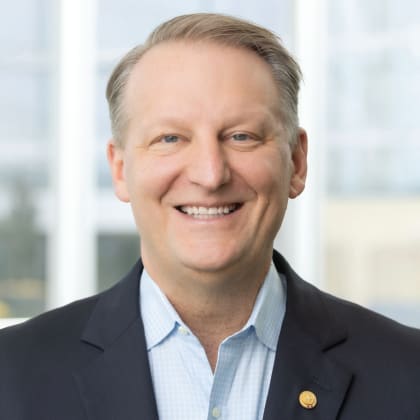
Shawn Martin
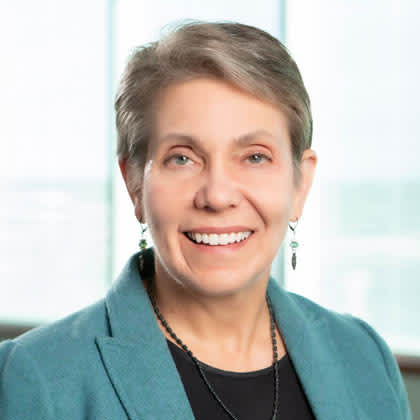
Karen Mitchell, MD, FAAFP
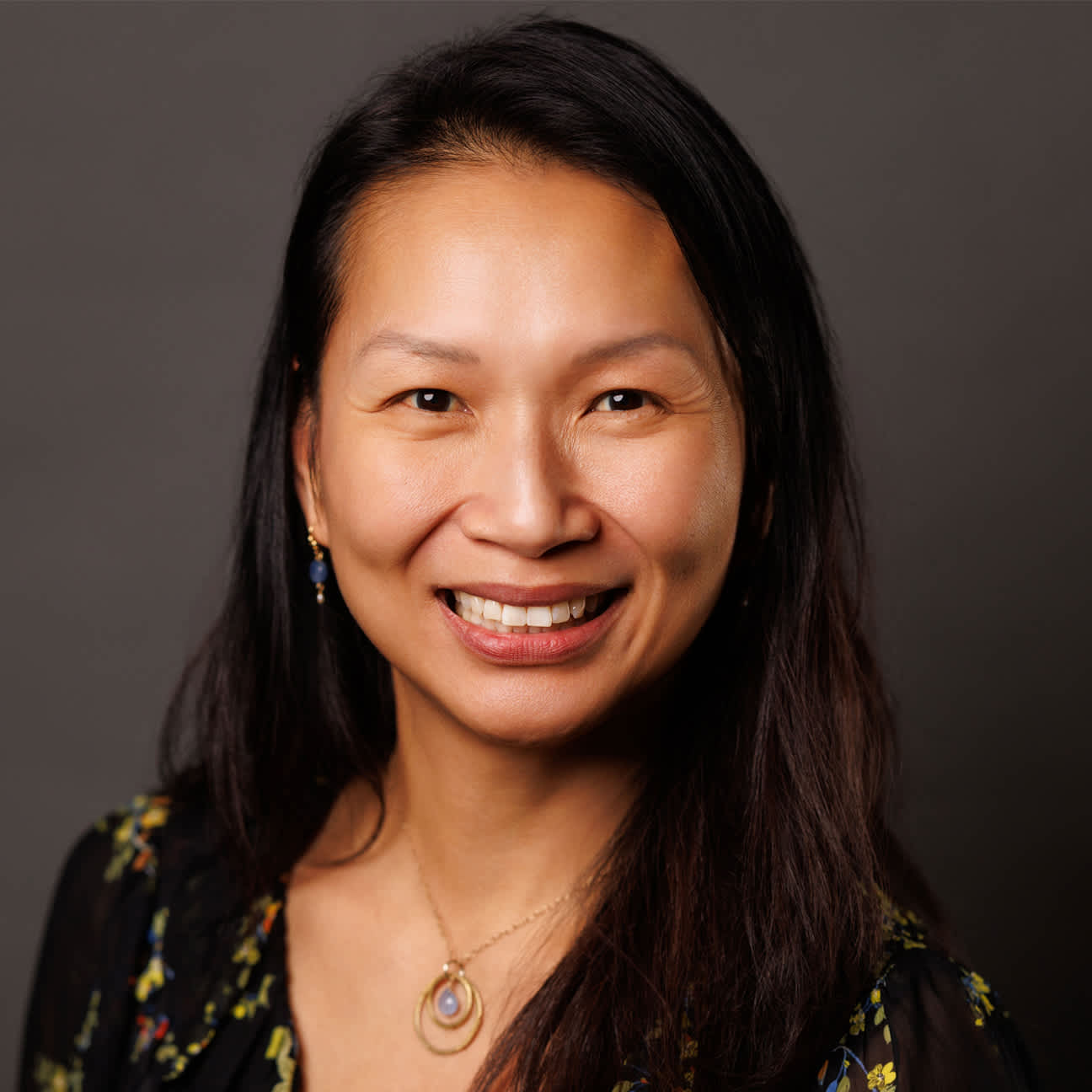
Grace Chen Yu, MD, FAAFP
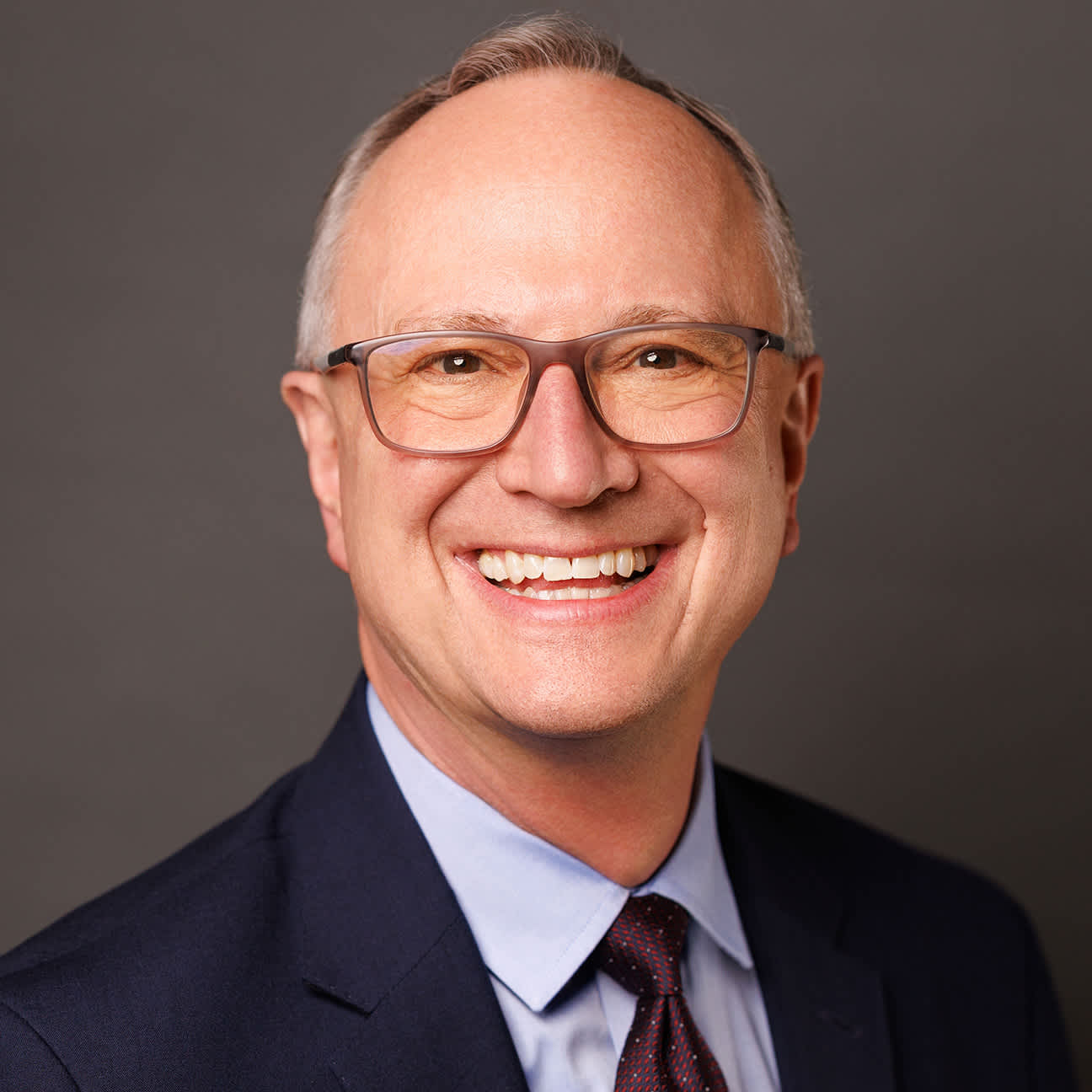
Raj Woolever, MD, FAAFP
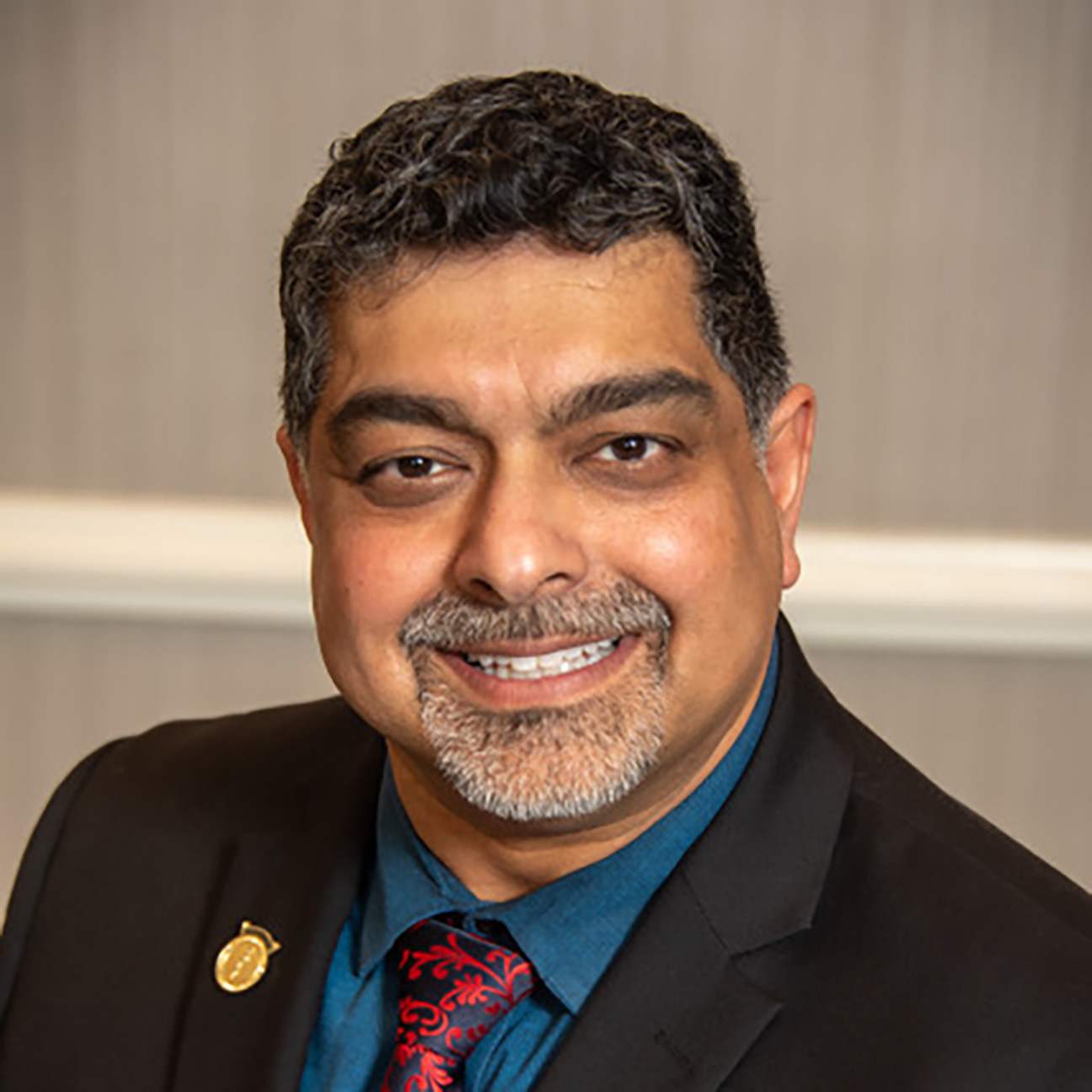
Saroj Misra, DO, FACOFP
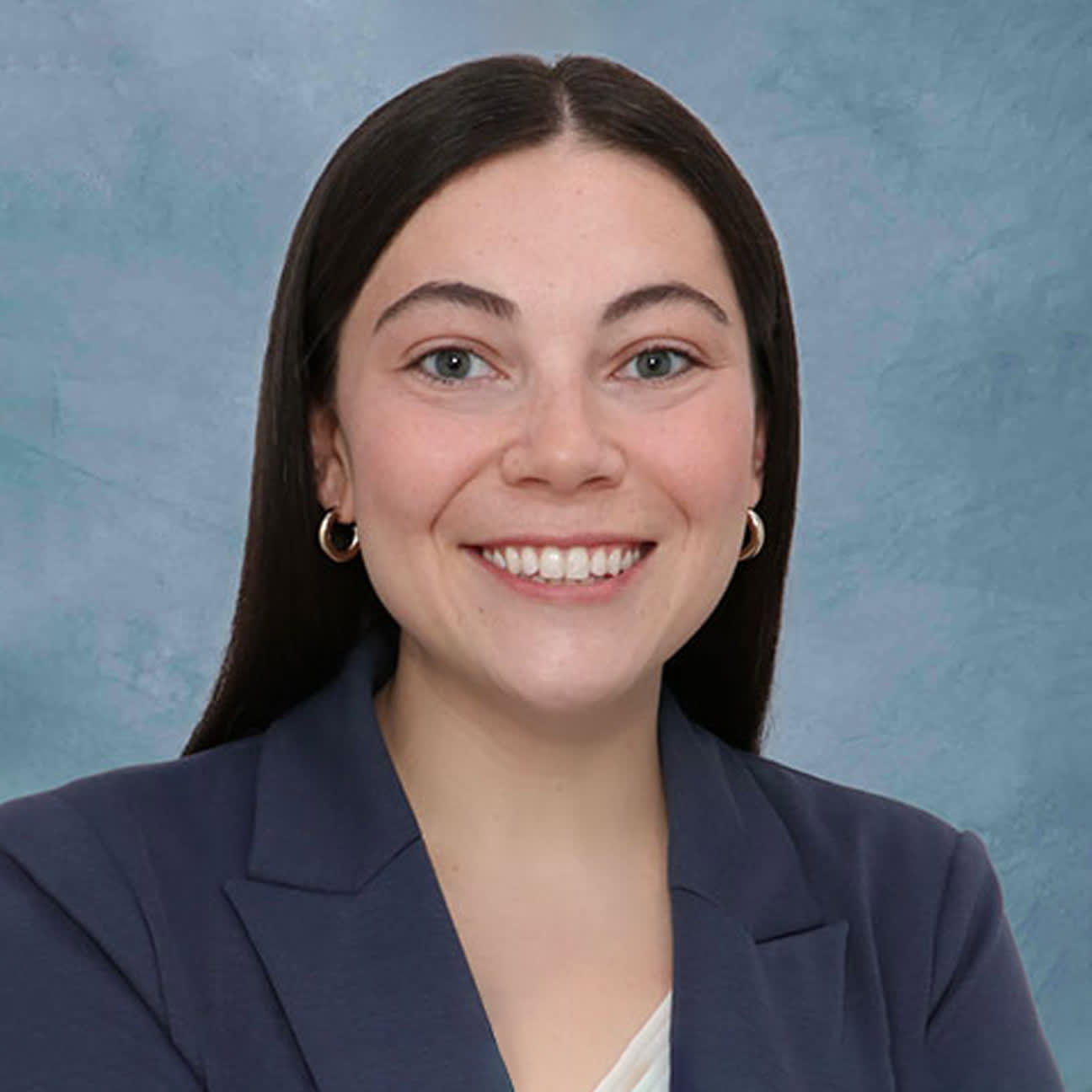
Molly Stegman, MD
Transcript
Welcome to Inside Family Medicine, the podcast from the American Academy of Family Physicians. I'm Shawn Martin, Executive Vice President and CEO of the AAFP.
Today, we're talking about something that's shaping the future of family medicine residency recruitment, the Residency Selection Improvement Initiative, or RSII.
Every year, thousands of medical students and residency programs navigate an increasingly complicated match process. While family medicine continues to grow, too many residency positions still go unfilled during the main match, and both applicants and programs face unnecessary stress, uncertainty, and expense.
Today, we will explore how RSII aims to improve the process and ultimately strengthen the future of the family medicine workforce. I'm pleased to be joined today by an outstanding panel of guests. First, Dr. Karen Mitchell, Vice President, National Residency and Academic Partnerships at the AAFP. Next, Dr. Grace Yu, President of AFMRD. Dr. Raj Wooldridge, Immediate Past President of AFMRD. Dr. Saroj Misra, Associate Dean of Clinical Affairs at the A.T. Still University-Kirksville College of Osteopathic Medicine. And of course, Dr. Molly Stegman, who's a first-year family medicine resident at the University of Tennessee, Knoxville.
Thank you all for joining me today. So let's jump in. Karen, I would like to start with you. So about a little over a year ago, I asked you to help design and lead this initiative, the RSII initiative for the AAFP. So tell us a little bit about what RSII is and how it was developed.
Sure. In family medicine, we've been growing our number of family medicine residencies and the number of residency positions.
The result of that is that while we've been growing the positions, our number of students choosing family medicine in the main match has been fairly flat. And so that's means that we've had more unmatched students. And we know that over time, it's been increasingly stressful for applicants to find the programs that they really want with over 800 residency programs and for the programs to find the best applicants for their programs. And so RSII was born out of that.
It's really meant to be able to look at where can we make the process more effective, efficient, and economical for both applicants and programs in order to be able to fill more of our family medicine residency spots in the main match.
So Karen, another thing that really stands out to me is that we didn't seek out to do this work alone.
We sought partners to help us do this. So if you can, just tell us a little bit about who has been working alongside us and how this work is being shaped.
Yes, it's been very important. This has been a representative of the entire family medicine community. We've worked with residency program directors, coordinators and administrators, medical school advisors, deans, health system leaders, as well as other national organizations.
Everyone experiences different pain points, and so these different perspectives have been incredibly helpful to identify where improvements could be made. And included also very deliberately have been learners themselves, meaning medical students and residents who are going through the process now or have just gone through it.
That's great. And as I understand it, these conversations and this important work has resulted in about four priorities that you've put forward. So, I think it would be great. We're going to spend the rest of our time talking about that. But would you be willing to outline what those four priorities are for us?
The four priorities grew out of finding where we could have the biggest impact. And so those things are having a centralized program information resource where information about residencies is more available to the applicants.
Number two is reconsidering the interview process to make that more streamlined, again, for both applicants and residency programs.
The third is supporting our international medical graduates and multi-specialty applicants so that we have more applicants being considered by residency programs and expand the pool of those who are getting interview offers.
And the fourth is really looking at how we support those applicants who are dedicated to family medicine already.
Great. Molly, I'd love to pull you into this conversation. So, over the past decade or so, we've had tremendous success in growing the number of family medicine residencies. We've seen rapid expansion in the total number of slots offered in family medicine. That makes it a challenge for students, which you used to be a few months ago, to determine what programs they want to apply to. So, as someone who recently went through this application process, what information were you looking for, and what was and wasn't easy to find?
Yeah, I think what was easy to find is things like training location, elective opportunities, curriculum, but that really starts to blend together across programs.
And what applicants like myself were interested in more were things like community involvement, the program's culture, OB volume, peds volume. And I think those things are really specific to family medicine, and that's why it's important that we have information specific to our specialty and why this initiative's important.
Great. So, Karen, we've worked at the AAFP for years to make some of this information available, but I think it's important to talk about what have we done as a result of this initiative to make more of the types of information that Molly is speaking to available to applicants.
Sure. Well, the first thing that RSII did was to get input from applicants, residents, medical school advisors, and residencies about what information would be useful.
And then out of that, we've been able to have ongoing conversations with the AAMC (Association of American Medical Colleges) to have them incorporate some of our family medicine-specific information into their Residency Explorer tool and their Careers in Medicine tool. And so we now have family medicine-specific information that is now coming from AAFP in order for our applicants to get that information that they specifically wanted about family medicine residency programs.
Great. So Grace, I'd love to welcome you into this conversation. You sit on the other side of this process from Molly, and interview season obviously is stressful for learners, but it's equally as stressful for programs. And I'm wondering how you view the work RSII is doing that's focused on the interview process specifically.
I think that's a really important focus because the current system is not as efficient or as effective as it could be. And there's a sense among programs that programs tend to interview and offer the interviews to the same sets of applicants. And what we're trying to do with RSII is really expand that.
So, hopefully match the programs with the applicants who are most likely to match successfully there and decrease offers to applicants who are unlikely to match for interest reasons, geographic reasons, whatever that may be.
So the interview recommendations aren't simply new rules or new guidelines to follow.
What specific problems are you trying to solve in the interview process? And can you kind of talk about the philosophy of the group and just the philosophy of family medicine more generally to this problem?
Sure. When, when we convened together with the learners and the students and the programs, I think it was very clear to be able to identify the areas that were not quite as efficient.
And I think hearing from our learners, the lack of transparency and predictability was a big issue. For an applicant to be able to look through 800-plus family medicine programs that all have different timelines, that have different sets of interview formats, that's very difficult.
So we wanted to try to have sets of guidelines that would make it easier and more predictable, that would allow more equity across the interview spectrum as well reduce stress overall.
Great. So, to put you on the spot here, it's almost interview season again.
Yes.
So, which of these recommendations do you think will have the biggest impact in the next few years from your perspective as a program recruiter?
Yeah. I think the two that are really focused on slowing down the process, both from the applicant perspective and from the program perspective, are likely to yield the most benefit. So, one of the recommendations is to delay interview offers by at least a week. And so I think there's this urgency when ERAS opens and programs can begin reviewing applications that they want to get out as many interview offers as possible because they're afraid of losing the most competitive applicants.
And then on the applicant side, as soon as they start opening up the interview offers, there's a sense that if I don't accept that immediately, I may lose that opportunity. And so both having a delay of at least a week will allow programs to do more mission-aligned holistic review and understand which programs that the applicants are most interested in.
And then on the applicant side, giving them at least two days, two business days, to be able to consider an offer and then accept or decline it is important because then they can make a more intentional decision around that process.
So, Molly, same question to you from the learner perspective. Which of these initiatives from RSII seem to resonate with you the most and will have the most impact on learners?
They’re about making the interview process more transparent, predictable, and as we just discussed, less stressful for everybody involved. We're going to take a short break. When we come back, I look forward to welcoming Dr. Raj Woolever and Dr. Saroj Misra to the conversation as we shift our focus to the mission-aligned application review, supporting international medical graduates, and what's next for the Residency Selection Improvement Initiative. So please stay with us.
Welcome back to Inside Family Medicine. Before the break, we talked about how RSII is improving transparency for applicants through better program information and interview recommendations. Now we're turning our attention to another major goal of the initiative, which is helping residency programs identify applicants who are most aligned with their mission while creating a fairer, more effective application process for everyone.
Joining us for the second half are Dr. Raj Woolever, immediate past president of the Association of Family Medicine Residency Director, and Dr. Saroj Misra, associate dean of clinical affairs at A.T. Still University Kirksville College of Osteopathic Medicine. And of course, Dr. Karen Mitchell returns for segment two. So guys, let's jump in.
Sounds great. All right. So Raj, let me start with you if I can. Programs receive an overwhelming number of applicants today. How does that affect the review process for those programs?
Yeah. Thanks, Shawn. That's a great question. All of our programs are really trying to find the applicants that are most aligned with their mission.
And there are 830 some odd programs across the country, and many of us have some overlap, but also distinct missions we're trying to select applicants for. And so with an increasing number of applicants, it's been a challenge for us to figure out how do we get past a board score or a transcript to really find who this person is and what their passions are.
Great. So sticking kind of with, with you, Raj. The RSII is proposing what have been characterized as family medicine-specific indicators. So I'm curious, one, why is that so important, and what does that mean?
Yeah, so, you know, there are some things that make family medicine unique and distinct.
We recognize that there are plenty of applicants that apply in other specialties in addition to family medicine. I also appreciate that there's a number of those applicants that if they really understood what family medicine is all about, they would choose family medicine. So, an indicator that can help us to sort of sift through the, the data and identify a few key features that really distinguish someone that should be a family doctor, that will make our application review process so much easier and better.
That's great. So, Saroj, let me bring you into the conversation. So, how does this help applicants of all types? But if you may, focus a little bit, how does this help international medical graduates?
Well, Shawn, you know, it was really interesting what Raj was talking about, the fact that family medicine residency programs want to better understand the story of the applicant.
And for international medical graduates, it's even harder because they don't have necessarily the story available right away. This new process and the way we're approaching things will allow for a better telling of that story, which will hopefully make those candidates more valuable to look at and give those programs a real picture of what they may be looking at for alignment.
That's great. So Karen, let me bring you back in to segment two here. So another priority of the initiative is to help programs focus on applicants who demonstrated a commitment to family medicine. So, tell us a little bit more about that effort.
Sure. Well, students spend years building relationships with family medicine through their clerkships, through family medicine interest groups, away rotations, sometimes doing scholarly and research projects.
Some of our applicants are developing relationships with residencies, and we are looking at, how can we take that relationship between that applicant and the residency and be able to reduce the workload of the application process, both for the applicant and the residency program?
So, we're really looking at various alternatives to be able to support those family medicine dedicated applicants.
That's great. So, I hear a little, a thread you're pulling in from our first segment on efficiency, making sure we're efficient, but I hear something new in the conversation from the three of you that it's a mission alignment effort.
Absolutely, making sure that we're aligning vision and values and mission of the programs with the right learners who share that. So, do you want to talk a little bit more about that?
Sure. What, we really want to do is to encourage programs to change how they're reviewing applications so that it becomes a screen in really looking for those applicants that are most important to them.
Yeah. I would love to hear the two of you talk about that. So, you recruit applicants all over the country. This can get complicated. How do you guys think about that mission alignment with so many applicants?
Yeah. So, part of it is getting the word out and what are the important aspects of the mission for each program?
Part of RSII also includes how we spread the word and make it easier for applicants to learn about each program's particular strengths.
Yeah, Raj, I agree with you a hundred percent. You know, one of the things that's so important is for a program to be able to talk clearly about what its core values are, what drives that program, and how that's aligned with the mission of the larger institution it works within.
Students, they resonate with those things. Those are the kind of things that draw them to programs, especially the younger generations of learners. And so we need to make sure that our programs are putting their values and their alignment forward so that it has a better opportunity to shine for those candidates that are going to really be attracted to those kind of programs.
Yeah. So Saroj, if I can, let me double-click on that because you engage with learners a lot.
Yep. I'm assuming the number one goal is just getting a residency position. You know, like there's a higher arching goal, but how do you help them think about their values and from, from the medical student side, how do you help them think about how to align those values with the program?
It's so critical because, you know, students often are so overwhelmed with just the focus on trying to get through medical school that they don't often stop to pause and think about, "What is it that matters to me?" So many colleges now are working more and more with their learners, especially as they move through their third and fourth years of clerkship, to figure out what are your values, what matters to you.
Not just what your career trajectory is, but what are the values that are going to drive satisfaction in that trajectory? And I think that's a really big part of it, getting students not to just think about what they're doing, but why they're doing it.
That's a T-shirt right there. That's good. So as we wrap up, I'd like kind of one final takeaway or thought from each of you, which is if RSII succeeds, what do you hope the match looks like?
Five years from now is a really long time. Let's do three years. What does the match look like three years from now? Karen, let's start with you.
We'll fill more positions in the main match, and it'll be less stressful for both applicants and programs. And ultimately, it's about increasing the number of students choosing family medicine, so making it easier for students to be choosing family medicine.
That's great. Raj?
Yeah. I mean, I agree with everything Karen said, and I just would add that, you know, hopefully, we can arrive at a little bit more meaningful mission-aligned application review process that helps us to identify really high-quality applicants who have a passion for family medicine and share the program's interests and values.
That's great. Saroj?
You know, I think the hope is always that our students end up feeling empowered to make good decisions based on not just what is out there, but what matters to them. Ultimately, what we want is we want better information for better decision-making for a better match process. Yeah. Thank you.
Okay, so as we close, let's give some practical advice. So, Raj, what should residency programs do next?
Yeah. So, RSII has set out a series of new recommendations for how we go about the interview process. So, I would encourage all programs and program directors and program administrators to be familiar with those recommendations and follow those recommendations.
Make sure that we have current and accurate program information available to our applicants through Residency Explorer and other tools that we as program directors participate in any conversations, including webinars and other opportunities to make sure that we're current on the RSII recommendations and conversations.
And then spread the word.
That's great. Share what we learn with everybody that we come in contact with about how we're going to approach interview season a little bit differently this year.
That's great. So Karen, what advice would you give applicants?
For the applicants, it is to be intentional, to look for those programs that really fit your values and interests, and so use the trusted centralized resources to find those programs.
And think about where you'll thrive, not just where you think you'll match. It's even more than that. And that mission alignment matters for both applicants and residency programs. And we want applicants to really highlight their interest in family medicine so that the programs can find them in ways that really match their missions.
That's great. And Saroj, I don't want to leave you out of this. So, what, what advice would you give medical schools, particularly, primary care leaders on campus that are influencing students?
You know, I think the big thing is that as colleges, we have an obligation to better support our students, and that goes back to helping them to have those critical thoughts about what matters to me and helping them to better understand what resources like the RSII will be out there to assist them to make those better decisions that ultimately yield not just a space to be, but a place to thrive.
OK. It's time for our obligatory podcast question, which is one sentence from each of you. What's the one thing you hope listeners remember about RSII? Saroj, let's start with you.
What I would remind everybody is RSII is a new way of doing old things with the ultimate goal of making the process better for everybody involved.
That’s great. Raj?
Remember that we're not going to tackle the whole big thing right off the bat, that small improvements across the process can create a dramatically better experience for everyone.
Great. Karen?
Check out the AAFP RSII website. I love it because it is now loaded with RSII resources and tools that will help to give the guidance for programs and for applicants and to have this all make sense.
That's great. Thank you so much. Thank you all for joining me and thank you for the incredible work you're doing in leading and strengthening the future of family medicine. To learn more about the Residency Selection Improvement Initiative you just heard from Dr. Mitchell, you can visit Residency Selection Improvement Initiative (RSII) where you'll find interview recommendations, resources for residency programs and applicants, and updates as this work continues.
Thank you for listening to Inside Family Medicine. If you enjoyed today's conversation, please subscribe wherever you get your podcasts, and we'll see you next time.
Resources
Disclaimer
Copyright 2026. AAFP. The views presented in this broadcast are the speakers own and do not represent those of AAFP. The information presented is for general, educational or entertainment purposes and should not be considered legal, health, financial or other advice. AAFP makes no representation as to the accuracy or completeness of the information and is not responsible for results that may arise from its use. Consult an appropriate professional concerning your specific situation and respective governing bodies for applicable laws. Reference to any specific product or entity does not constitute an endorsement or recommendation by AAFP unless specifically stated otherwise. AAFP and the AAFP logo are registered trademarks of American Academy of Family Physicians.