
The power of advocacy: Insights from the 2025 Family Medicine Advocacy Summit
Show notes
David Tully, vice president of Government Relations, talks with family physicians Aaron George and Andrea DeSantis about their experiences at the Family Medicine Advocacy Summit.
They discuss the importance of advocacy in family medicine, building relationships with lawmakers and their staff and the significance of personal stories in influencing policy.
They also share advice on mentorship, career decisions and how to become active in advocacy.
Episode hosts
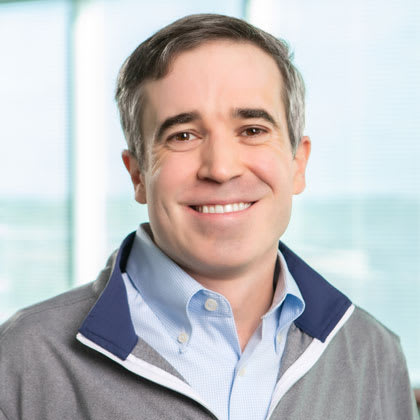
David Tully
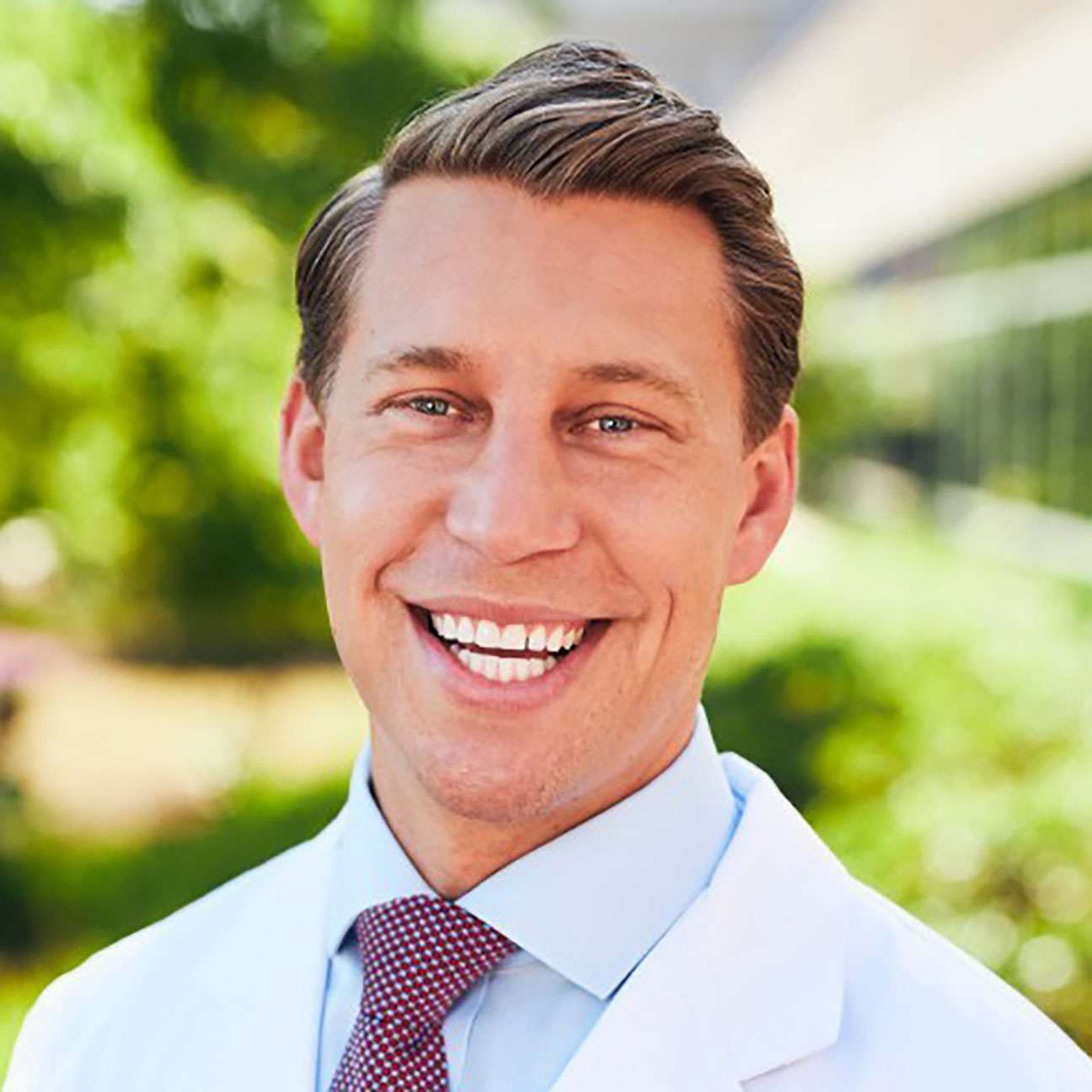
Aaron George, DO, FAAFP
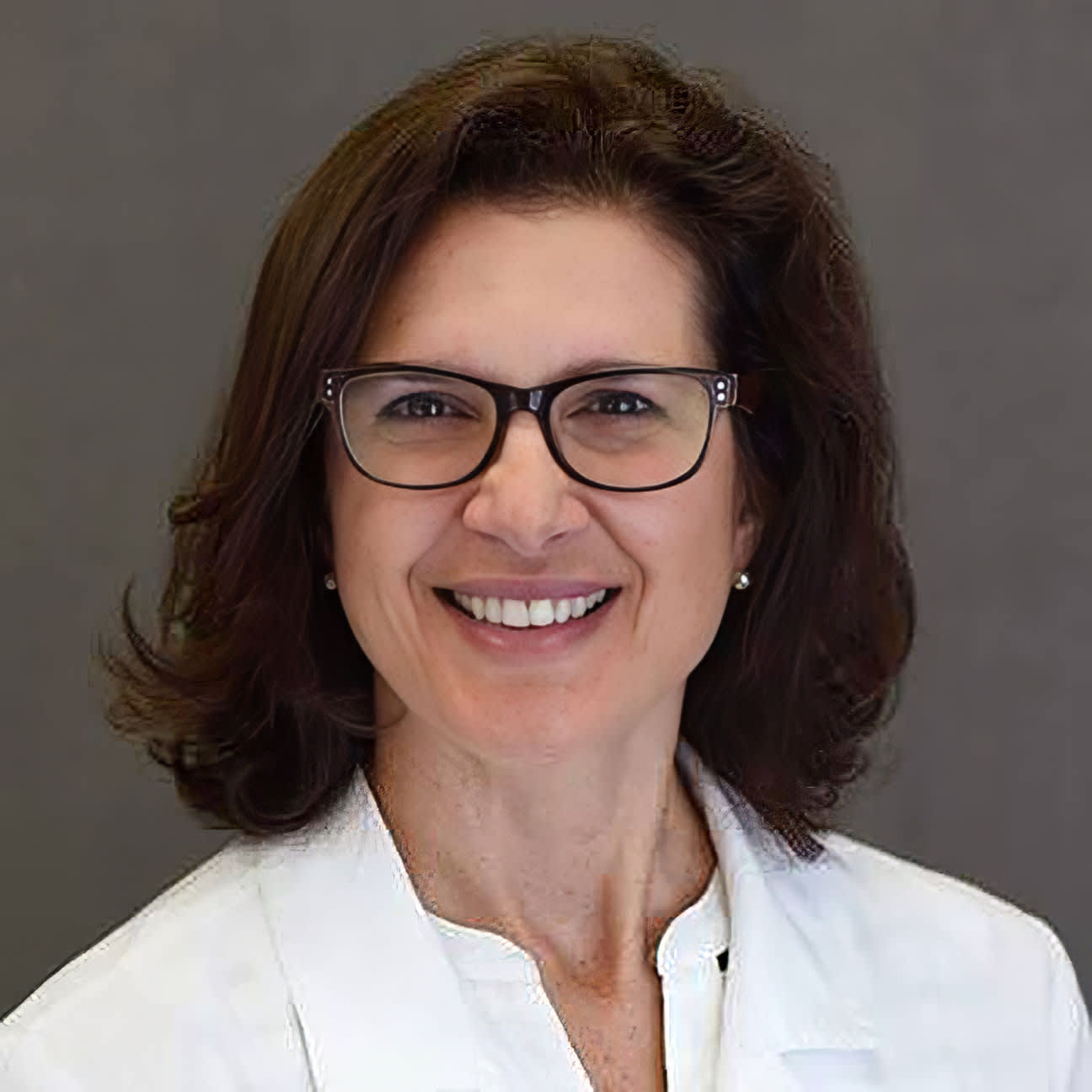
Andrea DeSantis, DO, FAAFP
Transcript
David Tully: In today's episode recorded at FMX, I talk with Drs. Aaron George and Andrea DeSantis about advocacy and their experience at the 2025 Family Medicine Advocacy Summit.
Welcome to Fighting for Family Medicine. I'm David Tully, vice president of Government Relations and a member of the AAFP's Advocacy team. I'm recording this episode at FMX, the Academy's flagship event, where I'm pleased to be joined by Drs. Andrea DeSantis and Aaron George to talk about advocacy.
We'll also discuss another big AAFP event, our Family Medicine Advocacy Summit, which they had the privilege of attending this past June. Dr. DeSantis practices in Charlotte, North Carolina, and serves on the AAFP's Commission on Federal and State Policy. Dr. George is associate dean for clinical education for the Meritus School of Osteopathic Medicine. He completed his family medicine residency at Duke University Center in Durham, North Carolina, and was the Andler Fellow in Health Policy with the Center for Public Health in Vienna, Austria.
Doctors, welcome to the podcast and welcome to FMX.
Dr. Andrea DeSantis: Thanks, Dave. Great to be here.
Dr. Aaron George: It's great to be here. I listened to this podcast on my way into work, and so it's an honor to be a part of it.
David Tully: All right, well I'm hearing it from a family physician right here. They listen to the podcast. Awesome.
Well, let's get right into it. You both attended FMAS this year, and I want to talk about something that comes up when we're coaching family physicians about advocacy, something that I think surprises some of our attendees. We tell them that it's not uncommon, when they're going to Capitol Hill, that there's a good chance they may not meet with their lawmakers but they'll meet with the staff. And I know some of them may be discouraged by that because they think they're coming all the way to Washington, D.C., and they want to get their time with their congressman or senator.
Can you talk about how you saw that in your visits? Can you talk about why it's so important for family physicians to really make relationships, not just with the lawmakers but also with the staff that are supporting them?
Dr. DeSantis, I'll come to you first.
Dr. Andrea DeSantis: Sure. Yeah. Having done this for the past decade or so, I will say that oftentimes a congressperson or a senator will pop in to say hello, at least one or two a year. And even though they don't spend time talking policy with us, it's a chance to get a photo with them, shake hands, if you will. But it's true that their staff liaisons, their health care liaison in particular, have quite a bit more detailed knowledge about different policies and legislative efforts. My particular congresswoman, Alma Adams, does routinely sit down with us for a good 30 minutes. That's great and thoughtful discussion, so we always appreciate that.
David Tully: Right. Dr. George?
Dr. Aaron George: You know, I often think about relationships, and that's such a key issue for influence. And we build these relationships and it's more than just meeting with the head honcho, which, you know, of course we wanna, we wanna meet with the person that's on TV. We know our representatives. They have the voices. They cast the votes.
And it's great to meet with them one-on-one, but you know, the reality is, you know, there are about 10,000 staffers on Capitol Hill. And so even though our representatives are the ones casting the votes, a lot of people inside the Beltway really know that it's those 10,000 that are driving policy forward.
And so I love when I go to a congressional office and I see a young staff member, certainly a legislative director. When I see an LD, they may be the expert in health for their team, and so they may be advising the congressperson on how they should vote, and so that might be better in some cases.
The other thing, too, I, I think about often when I meet with those is starting a relationship. So even a young staff member, they wanna learn, they wanna listen, they want to hear our stories, and it may just be the start of a relationship. Because you never know on Capitol Hill; they could end up moving in their own political career down the road, and we could influence them today.
David Tully: Yeah, that's great. So the Family Medicine Advocacy Summit is like our Super Bowl in D.C. So when we get to bring hundreds of family physicians together, there's so much excitement, there's so much energy. You all go to the Hill and then you go home. Right. And we kind of go back to this normalcy or back to reality.
Talk to me a little bit about what you've taken back to your home districts after you've come to FMAS, both in terms of the advocacy but also in terms of the conversations and relationships you've built along the way. So, Dr. George, I'll start with you first.
Dr. Aaron George: Sure. I think returning from the advocacy summit is an opportunity to share how strong our voice is, how well respected we are, how we are heard. And I think at a time when D.C. feels pretty gridlocked and partisan, it is refreshing to return home and share with colleagues and share with patients that our representatives’ offices want to hear from family physicians. We have great stories, and I think that a lot of our politicians are used to hearing partisan asks and they hear individuals that want to fight for finances or for their own industry, but we can bring stories from our patients, stories from our exam rooms.
And not to mention, especially for rural and small districts, some of our offices have 5,000, 10,000, 20,000 patients, and those are also voters. And so when we bring those stories in the trenches, the daily lives of their voters, our patients, they listen. And so it's refreshing to me because I know that our voices heard on Capitol Hill, and I love sharing that with my colleagues when I return home.
David Tully: That's great. Dr. DeSantis?
Dr. Andrea DeSantis: I try and reach back out in some way, specifically if there was a particularly meaningful interaction, to thank them for their time and also bring up a topic that is relevant to my practice and my patients.
I also take advantage of the Academy Speak Out program, which is a very user-friendly email. It comes through the email from the Academy, with talking points pertinent to the initiatives the Academy's working on. We can either forward those quickly to our representative and senators, or we can edit them, and I oftentimes do take the opportunity to add a personal story from a patient and also how that particular topic will impact my practice.
David Tully: That's great. Dr. DeSantis, you're a seasoned family medicine advocate. As you think about your conversations that you've had on the Hill this year, given everything that's been going on, what feels different or more urgent to you right now?
Dr. Andrea DeSantis: Yeah. Well, first of all, thank you for calling it seasoned. Some might say “old-timer.” And I first want to say how nervous I was when I first started getting involved, nine or 10 years ago. I knew I was motivated to get involved, but I didn't really think I had the experience. But I was quickly put at ease by the content that the Academy provides to us in a day of training before we actually go on the hill.
Also, the talking points are very well researched. And also you're with other colleagues who have done this before. So I remember just kind of gluing myself to the side of Karen Smith and Conrad Flick as they made their way effortlessly through the halls of Congress. And now, 10 years later, I feel more comfortable with the whole process.
And what I've witnessed over the past decade is an increasing understanding and appreciation on both sides of the political aisle for some of the things we as primary care clinicians are facing and what our patients are also experiencing.
David Tully: Yeah, absolutely.
Dr. Andrea DeSantis: There's just a more of an urgency that something needs to be done.
David Tully: Yeah, absolutely. Dr. George, do you want to take a second to talk about that? Just about what feels different or more urgent to you right now based on some of the things that we're seeing come out of Washington?
Dr. Aaron George: Well, I think the rate of change continues to accelerate. Maybe that's something that we observe over recent years, but it just feels like things are moving very fast.
I also think that we are in a pinnacle moment for health care, and health really is at the forefront of a lot of our debates and issues. And so that gives us the opportunity, hopefully, to respond quickly, but to respond with expertise. And increasingly, as things move fast, that means that our representatives’ offices don't always have all the pieces or the stories, and so we can help fill in the blanks for them.
David Tully: Yeah, absolutely. I want to talk to you both sort of about this ongoing effort to recruit more family physicians to get involved in advocacy. You know, we saw a record number of family physicians come to Washington this year. In fact, I think it was the most in the history of FMAS. We saw an uptick in the last month, and I think we ended up hitting 322 family doctors.
I mean, that was truly remarkable. I would love to hear from you both the impression or stories that you shared with your fellow colleagues when you went back home. You know, what advice did you give to them as they were thinking about potentially either embarking on the journey to come to FMAS or embarking on the journey to join advocacy?
So, Dr. George, I'll start with you first.
Dr. Aaron George: Sure. I think the first is that advocacy is in our arms’ grasp, and I love the awareness that we can all be advocates because for physicians. Advocacy sometimes feels like this something that someone else does, but not me. And there's good reason for that. I mean, we we're not trained in our medical school and residency necessarily to be advocates or to understand advocacy.
We don't always necessarily understand it as physicians, and it feels like we certainly don't always have the time to add it to our daily lives. And so I think the first reframe when I return home is that all of us can be advocates. I mean, when we're meeting with our patients one-on-one in our exam rooms and we talk about flaws in the health care system, problems that they're encountering and what we can do about it, we are advocates.
I mean, that's, that's the reality of one-on-one with every single patient. When we're active in our communities, when we're in the grocery store and we tell our patients to vote, we are being advocates. And so I think the first is just eliminating that distance, that advocacy is something bigger than who I am.
I love that Dr. DeSantis mentioned the speak outs because I think that advocacy can be real easy. Our Academy staff give us tools that come in our email. Keep an eye out for the speak outs because I will, between patient visits, in the hallway, open my email, my phone, run through the speak out really quickly and before I'm in the next room, respond and send a message to all my representatives.
It's incredibly easy, and those numbers matter. So the offices tally those as they come in, and so we have a chance to have our voice out there in seconds between office visits because of the work of the Academy staff.
David Tully: Anything to add, Dr. DeSantis?
Dr. Andrea DeSantis: I would say I totally agree with what everything Aaron just said.
I often take the opportunity, not only with colleagues but also with my patients and family members and friends, if they're oftentimes will share experiences or run up against issues in their own health care and just to sort of … it seems like the right thing to do, encourage them to reach out and tell their story to their politicians.
I have the privilege of precepting third-year medical students at Wake Forest School of Medicine. And I find them to be a very engaged audience. When we are doing patient care in real time, I will oftentimes weave in how policy and how we finance health care in this country impacts the care they're getting.
They don't always teach this much in medical school. I know I didn't get any training in it, when I went to medical school, many years ago. I think I've seen them become very interested in the topic and also ask questions about how they could get involved.
David Tully: Yeah. That's great. Kind of shifting away from advocacy for a second, I want to talk a little bit about, just kind of more broadly, an impactful moment or memory in your experience as a family physician.
We all have, I think, inflection points in our lives. There is a life touch. There's someone who has spoken to us, something that defines us in the roles that we're in, and I'm wondering if you both can talk about an impactful moment or memory from your time as a family physician that has not only centered you as a family doctor, but also has centered you as an advocate.
So, Dr. DeSantis, I'm going to put you on the spot first.
Dr. Andrea DeSantis: OK. This was a long time ago. It was a particularly busy week, and two patients came in, one brand new. I had never met her before the other one. I had been his physician many, many years ago. I work in a hospital-based clinic, so we see folks with or without insurance, and both patients unfortunately had been dealing with end-stage cancer and both of them had lost their employer-based health care insurance.
They came to our clinic. Many of them couldn't get back in to see their original doctors. And so they came here. Both of them were in distress. Yeah. Both from untreated me diabetes and end-stage COPD, and I just remember feeling that that was such an unjust situation for them. These are people who worked, who had employer-based health care insurance, but here they were at the most dire stages of their lives. And I just felt like I needed to get involved at that point, to do something about that.
David Tully: That's great. Dr. George?
Dr. Aaron George: I think I'm going to offer two brief vignettes I think are big and small. The first is the big.
So, many of you may recall in 2012, there were some budget issues, which we haven't had any problems with recently, right? Not at all. Both the Senate and Congress came together and they put together a super committee to determine how they would move forward, and a group of medical students and myself saw an opportunity to have a voice for what was looking to be some, some deficit GME funding.
And so we just sent emails to all of the presidents of medical students, organizations across the country, who are 61. We got on a phone call that night. The next day we drafted a letter that went out to all the medical organizations that we could find across the country. The following day we had 78,000 points of contact on Capitol Hill, and the AAMC said it was the largest medical student outpouring in to date.
We were sitting in a taxi leaving a conference. When we had that conversation in under 48 hours, we had three-quarters of a hundred thousand points of contact. And so it just struck me about the power of the technology and our connection in our groups, that we don't have to necessarily feel like we're alone.
So that's my big moment of feeling like, you know, you can move medicine and move policy.
And my small one is just our representative's office. We talk about the speak outs, but relationships and influence happen every day and they can happen quickly. So I pick up the phone and call my congressman's office and just say, Hey, I'm really worried about prior authorizations, or I had a tough patient encounter today. And you get to the point where you don't wanna spend more than 30 seconds just saying, Hey, it's Dr. George calling again. And you get to know their names. You get to know the names of the those that answer.
And after a while they'll say, oh, it's good to hear from you. Not one of the other industries that we know are just asking us for money. And so I think those are also the small impacts that we can make. That, for me, helps me to feel empowered as an advocate in family medicine.
David Tully: You know, I want to draw at that point for a second because I think one of the special parts about the Advocacy Summit, or just in general having family physicians engage, is that it's one thing for myself or my colleagues to go to the Hill and deliver the data points. But it's the stories that you all share that are truly impactful. It's like you said, Dr. George: It's picking up the phone and saying, You know, I had a really bad prior authorization experience today with a patient, and this is what the ramifications are and this is why Congress must act.
I think those stories actually do matter, and those are the stories that lawmakers really want to hear. I mean, obviously they love hearing us talk about the data points, but they really love hearing the stories from you all on the ground.
David Tully: I want to pivot toward career for a second. You know, it's very exciting. We're seeing it here at this conference. We've got students. We have residents. We have a lot of new physicians, a lot of new physicians that are just entering the workforce. What piece of advice would you give to them as they're starting to look at that first job, or maybe they're in their first job and they're looking at that second job and they're trying to think through what steps they need to take.
What piece of friendly advice would you give them? Come to you first, Dr. DeSantis?
Dr. Andrea DeSantis: My advice has always been to focus on what you want to do. Yeah. Like, what drives you. And then also the patient-care piece is so important, and sometimes we can kind of get pulled in directions of complexity, administrative issues, but really it's that, it's that ongoing focus on patient care that's really kept me going.
And I think looking at that piece really carefully, and whether or not this particular job you might be looking at really fosters that connection you want to have with patients. What's the payer mix that this particular practice is allowing through the front door? Does the organization have an advocacy arm as well?
If those things resonate with you, those are the good things to look at when you're looking for a job or a practice to join.
David Tully: Yeah. Dr. George?
Dr. Aaron George: I always encourage wherever anyone practices to continue to be a mentor and look for opportunities to role model. So I think that regardless of that first career choice, engaging students in the community that can be high school or college students to come and join you in practice is really important.
One of the things that happens, again, we're talking about the first job, maybe the second job, is that we go through medical school and residency in these huge teams and we take care of folks together. And then oftentimes that first job may feel a little bit more like an island, beause you're seeing patients by yourself day to day.
So in the first, having a student alongside you helps you to feel like you're a team, still taking care of people together. And then the second is, those learners remind you of where you came from: your path and your why. And so I think one of the biggest issues that leads to challenge and burnout and dissatisfaction is getting so far removed from our own why that we lose sight of our goals of caring for patients in the first place.
And when you have a high school student, a college student, a medical student with you, you go, Oh my gosh. I remember what it felt like. I remember what I was thinking. I remember why I became a family physician to care for patients. And I do think that that is one of our key insulators against burnout. So have students be a mentor, look for opportunities to be a role model.
David Tully: Right. Dr. DeSantis, you joined our Advocacy Ambassador program this year. It's a brand-new program that we kicked off really to introduce family physicians to their policymakers, but give them an opportunity to get more involved in advocacy efforts at whatever level of comfort they have. Tell me a little bit about what that experience has been like for you and what advice would you give to those listening to this podcast about whether or not they should join going forward.
Dr. Andrea DeSantis: Yes. What I like about the program is, it has four levels of engagement, or tiers, if you will, and so people can begin getting engaged at the entry level. It's well marked, laid out as to the different initiatives they can get involved in and that kind of builds as they go through the different tiers.
You know, we're busy with family and work, and so there are various points in time where we'll have more time or less time. And so what I like about this program is that it allows you to get involved at key points in time when either you have the time or a speak out comes your way. It guides people through the process.
David Tully: That's awesome. And that's really the intention of the program is we are really trying to meet family physicians where they are in their experience. I know just given the hours that you put in the scripting that you're doing your patients. You're feeling that tax in addition to just caring for your families and your communities.
And so we really were trying to meet members where they were in the experience. So I'm very happy to hear you're enjoying the journey, and I hope those hearing take with great appreciation the role that you play and the desire to get involved. So thank you for that. Thank you.
David Tully: As we wrap up our time together, I know that there's family physicians that are going to listen to this who may have not come to FMAS before.
Dr. George, you were a first-timer this year. Dr. DeSantis, you're a seasoned advocate. You've come a couple times. What piece of advice would you give them that kind of puts them over the edge to consider coming next year?
Dr. Andrea DeSantis: Just do it.
David Tully: I love it. We heard that in the last episode, too.
Dr. Andrea DeSantis: It's a great, it's a great experience.
It's two days in Washington D.C. You get some CME credits. It's good learning. It's good networking, and your comfort level will come in time, but I highly recommend it for everyone.
David Tully: Awesome. Dr. George?
Dr. Aaron George: I think it, I would recommend anyone listening to this podcast to sign up for the Advocacy Summit next year.
It's a visible opportunity to see the expertise, the commitment, the energy and the passion that our staff brings. But then also family physicians from every state in the country that bring to Capitol Hill together. It’s invigorating in and of itself. So I encourage everyone that's listening: Sign up, come and participate.
It is an opportunity to see us come together in one day, but it also reinforces the idea, for me, that every single day the staff is representing us as well. And so it gives that great chance to look at what our influence, our relationships and our daily commitment looks like in family medicine.
David Tully: Well done. Thank you both for being here. A point of personal privilege to congratulate Dr. DeSantis on being the new chair of the Commission on Federal and State Policy for 2026. Thank you. I'm really looking forward to working with you, Dr. George. I know you're in Maryland, so I look forward to seeing you back at FMAS next year.
Thank you to you both for all the work that you do, not just in the practice of medicine but the voice that you lend our advocacy efforts. So thank you both for being here. Good to have you both.
Dr. Andrea DeSantis: Thanks, Dave.
David Tully: Mark your calendar for next spring's, FMAS: Sunday, June 14, to Tuesday, June 16, 2026 in Washington D.C.
You'll find links to this episode show notes to more information about what we covered in this episode, including how to get involved with the Advocacy Ambassador Program and how to add your voice to the Academy's latest speak out campaigns. If you've enjoyed today's episode, let us know by dropping a line to aafpnews@aafp.org.
Be sure to share the episode with your followers on social media and tag the AAFP. We will talk to you soon.
Resources
Disclaimer
Copyright 2026. AAFP. The views presented in this broadcast are the speakers own and do not represent those of AAFP. The information presented is for general, educational or entertainment purposes and should not be considered legal, health, financial or other advice. AAFP makes no representation as to the accuracy or completeness of the information and is not responsible for results that may arise from its use. Consult an appropriate professional concerning your specific situation and respective governing bodies for applicable laws. Reference to any specific product or entity does not constitute an endorsement or recommendation by AAFP unless specifically stated otherwise. AAFP and the AAFP logo are registered trademarks of American Academy of Family Physicians.