
Understanding yourself: Personal journeys into family medicine
Show notes
Hosted by Dr. Margot Savoy, this episode highlights the AAMC Careers in Medicine “Understanding Yourself” phase and free tools at careersinmedicine.aamc.org.
Three board‑certified family physicians share their paths: Anthony Okolo on home‑based care and adaptability during COVID, Chase Mussard on returning to Appalachia for full‑spectrum practice and Anita Ravi on trauma‑informed, justice‑focused work and policy research, with mentorship support and practical resources for learners.
Episode hosts
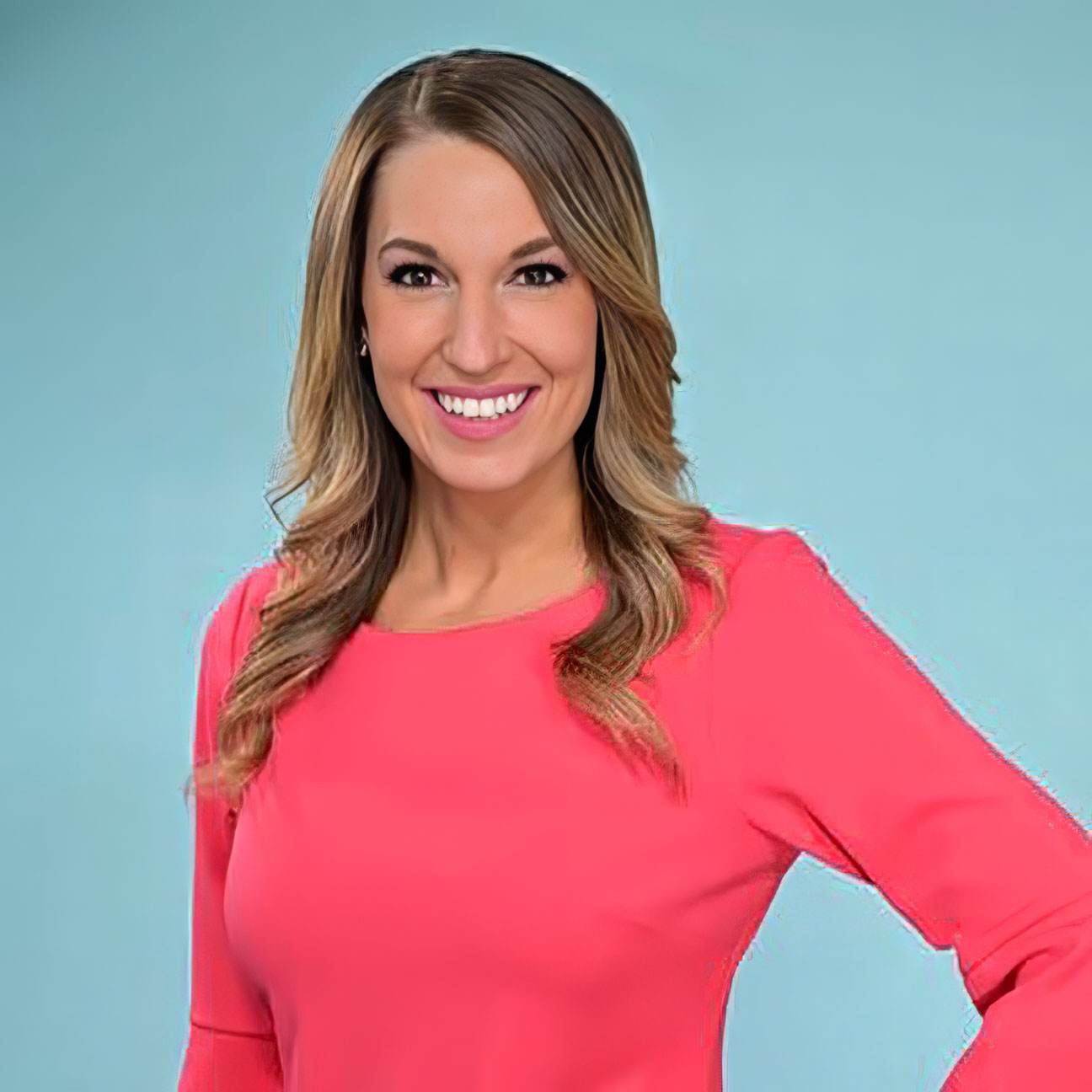
Emily Holwick
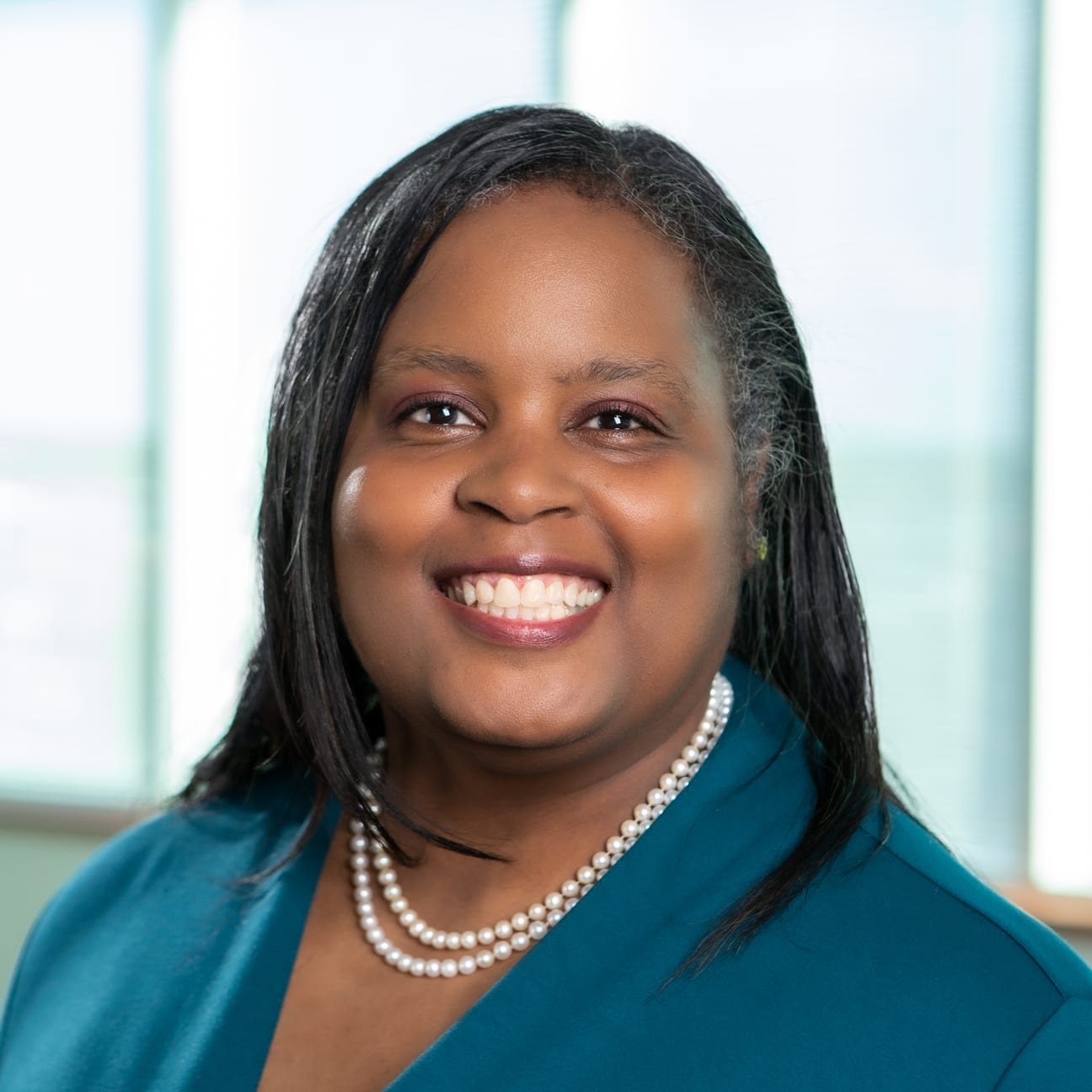
Margot L. Savoy, MD, MPH, FAAFP
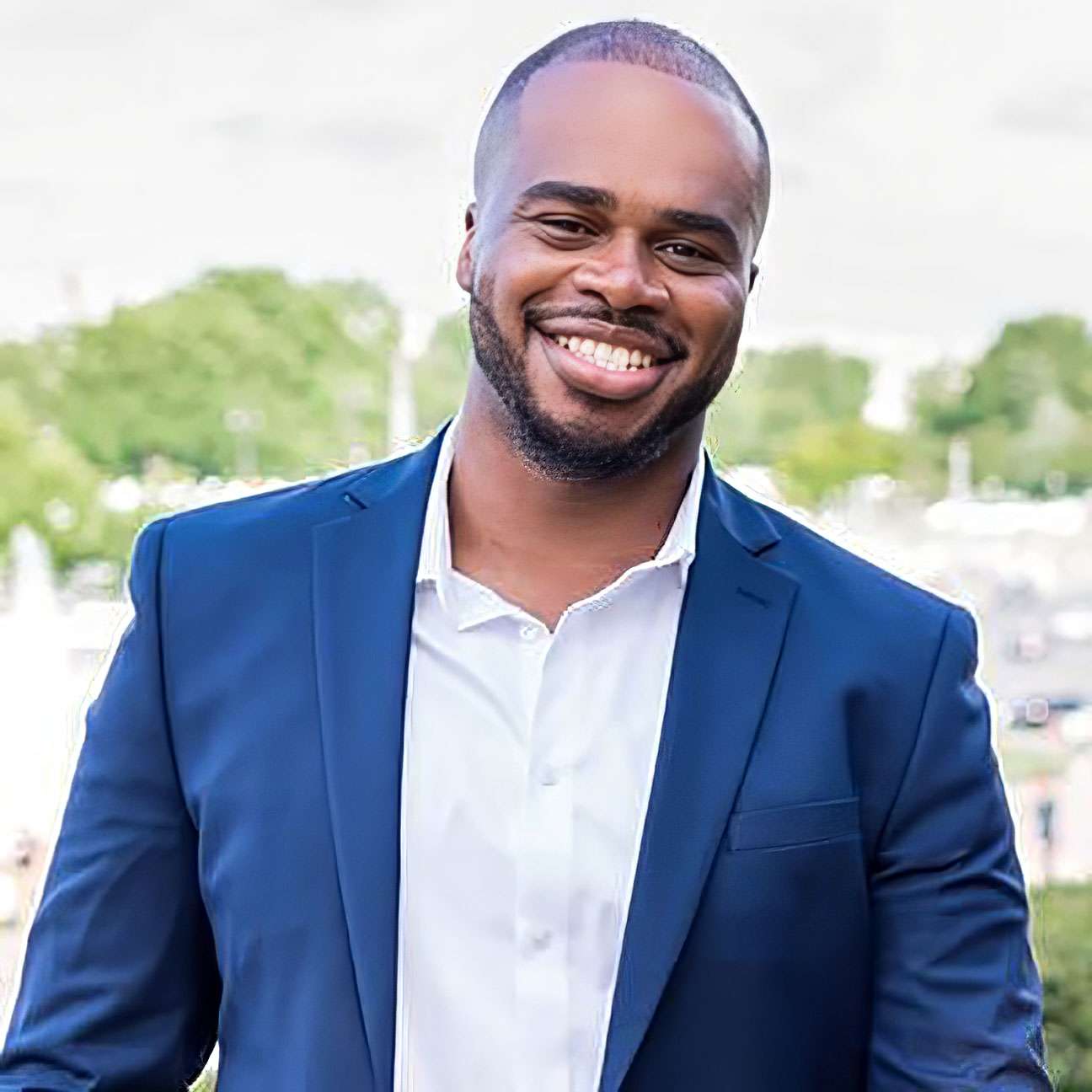
Anthony Okolo, MD
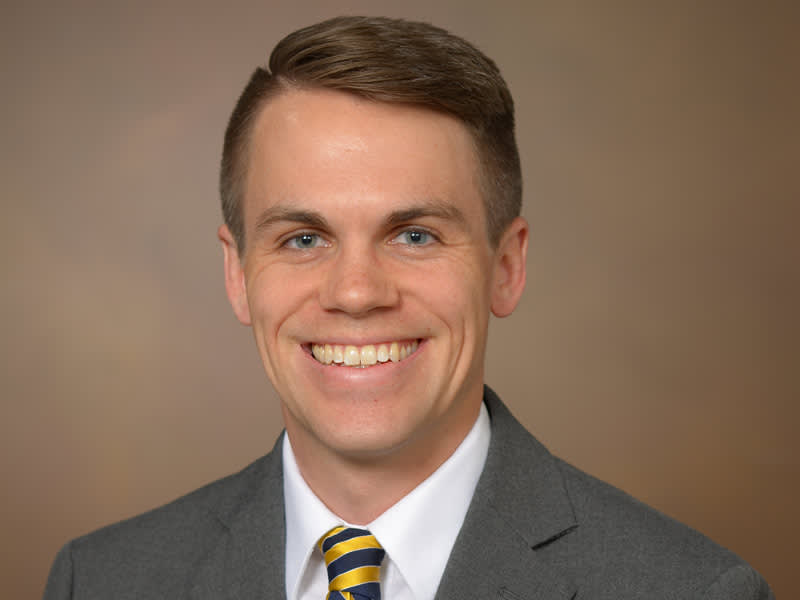
Chase Mussard, MD
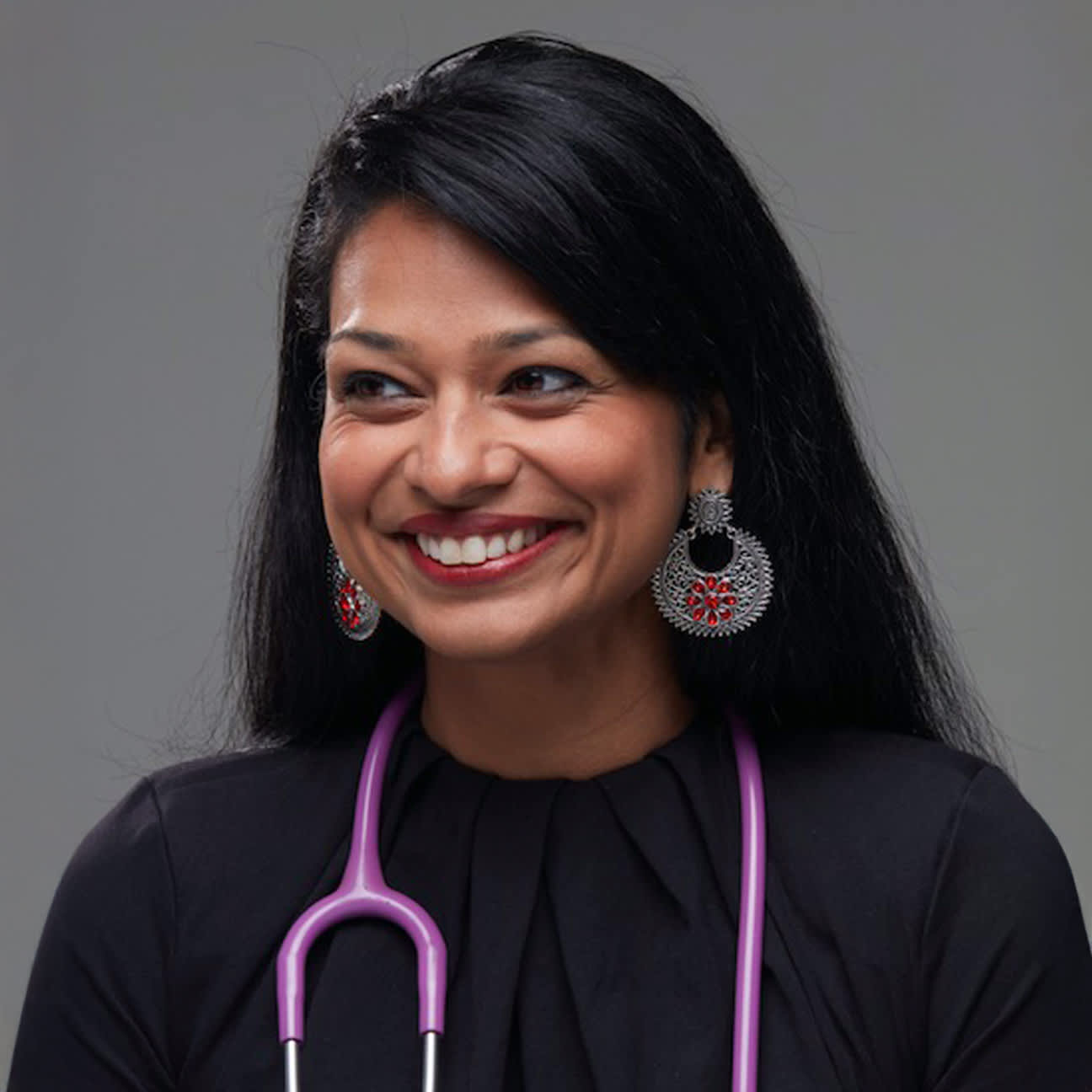
Anita Ravi, MD, MPH, FAAFP
Transcript
Welcome to Inside Family Medicine, where you hear from leaders and peers in your specialty while learning about new tools and resources. I'm your host, Emily Wick, a member of Team AAFP.
Every year, the AAFP brings together thousands of medical students and residents for future formerly national conference.
One of the most energizing moments in the family medicine community. Future is where early career medical students discover what kind of doctor they want to become, build lifelong connections and get a firsthand look at more than 500 family medicine residency programs from every corner of the country.
It's an unforgettable experience that reminds students why they might choose family medicine in the first place, and who and how they hope to serve. This episode includes highlights of when AAFP Chief Medical Officer, Dr. Margot Savoy, sat down with several family medicine residents who shared their early journey in family medicine at last year's future conference.
The stories reflect the heart of the specialty. They share where they came from, what called them to family medicine, and how the AAFP and future experience shaped their leap from medical student to resident physician. Their paths are different. Their motivation is personal, but their commitment to caring for people, whole people, whole families, whole communities is what brings them together.
Take a listen.
So welcome. To Inside Family Medicine. I'm your host, Dr. Margo Savoy, and we have a very special show today live from AAFP Future Conference in Kansas City.
The AAFP has partnered with the Association of Amer American Medical Colleges, or the A A MC to explore the personal journeys behind the careers in medicine and the a AMC's Career in Medicine program is a comprehensive resource. It's designed to help medical students understand their strengths and values, explore specialties, and make informed decisions about their future and family medicine.
It's really in medicine in general, but you know how we are. The careers in medicine offer self-assessments, specialty profiles and guidance to support students at every stage of their journey from choosing a specialty to applying for residency. So if you're a medical student in the room or a student advisor, we hope you'll take advantage of these free resources.
You can get them at CareersinMedicine.aamc.org. So today we're driving right into this first phase of the A A MC Careers in Medicine framework. It's called Understanding Yourself. So the idea with understanding yourself is hearing some stories from family physicians to figure out how did they get to their career in family medicine.
So our first guest today is gonna be Dr. Anthony Cola. He is a board certified family physician and medical director at the NYC Health and Hospital's Accountable Care Organization. He's also an attending physician at Kings County Hospital, and recently completed a geriatrics and health leadership fellowship.
Dr. Olo. Welcome. So let's start with an easy one. Ooh yes. You ready? Yes. All right. So tell me about your early journey into medicine. Okay. So how I got into medicine, I would say started really in high school towards the end of high school. I always tell people I didn't know I was gonna go into medicine. I didn't know I was going to be a doctor, but my Nigerian immigrant mom certainly knew I was going to be a doctor.
And so I remember, uh, I think it was the summer of 11th grade, uh, she signed me up for this. She's a nurse. Oh, sorry, lemme start there. She's a nurse, she's a home nurse and she does wound care. And so she signed me up for this volunteer program where we could accompany them. To their home visits, to, you know, see patients and learn a bit about what they do.
And so I followed my mom and I would go into these patient's homes, you know, with their consent and, uh, I'd see my mom treating all different sorts of wounds with all these fancy gadgets. And that was impressive in itself. And I also didn't really realize, I guess, that, um, the home was a place you can take care of patients we're used to the hospital or used to the clinic setting.
So to even see this happen where the patient's at was really a strong foundation to how I ended up being a family doctor, which we'll get to. Aside from that being in the home also taught me a lot about, let's see how my mom was able to not just treat the actual physical wound, but like the things going on in the home.
So she would say things like, Hey, you know, your mattress, this is not really the best for wound healing. Maybe we should change this. Or, what are you eating? What's your diet? So learning about the other forces that don't actually have to do with the immediate physical. Disease or ailment. But the other things that play a role in the healing I felt was amazing.
And I think that set me up for a career in family medicine, showed me continuity. You know, how she was able to see patients, meet them where they're at, showed me how to think big and large about things beyond just what's in front of her. And I think that's how I really started. And then I went to an amazing school, which we'll get into.
So is your mom not bummed out that you didn't go into nursing? No, she's not. In fact, um, she, she was for sure the one that wanted me to go into medicine and wanted me to be a doctor. Um, I discovered my passion shortly after. So sometimes when people go on their family medicine journey, they find that they thought they were one person when they started their residency.
Mm-hmm. Um, and then as they kind of worked their way through, they felt like they grew in certain ways where their strengths kind of got amplified. Were there some strengths that you found as you were going through your journey that really came to light? Yes. All right. So family med residency. I will say one thing I didn't plan for was being a resident during a pandemic.
And I think that's where I really understood the strength of our family medicine training. I think, uh, you know, the hospital at the time when we're all trying to figure out how to care for these patients in the Bronx, all of them with these COVID-19 diagnoses, you know, well, some specialties are like, okay, this specialty maybe could be helpful here.
This specialty helpful here, the family med residents were pulled everywhere, whether it was the emergency room, whether it was even the ICU, we did shifts in the ICU. Whether it was, um, inpatient setting, doing telehealth for patients who are, uh, social distancing and isolating themselves at home. We were everywhere.
And if there was any moments in my training where I realized the full scope of family medicine, it was really during the pandemic and realizing how many settings we can be called to, to serve and do so well. Um, I would say before that I, I kind of knew that again, based on the exposure with my mom and really.
The things that I realized that I liked and was drawn to fam, no one does that better than family medicine. How, who else, um, follows patients before they're ill, while they're ill after they're ill, you know? Um, so I, I think that's where that really came from. Thank you. It's been such a pleasure to talk to you.
We could talk to you all day. Um, so it's lovely to have you hear your story, a really powerful example to hear. Um, partly because it just sounds so meaningful. I love that it started, it is an experience with your mom. I just think that's really touching 'cause it's the family and the family medicine. But I really appreciate your ability to share with us how you went on that journey and how you thought about it, and most importantly, how you [00:07:00] grew and adapted over time, which I think is just really critical for people to hear.
So I I appreciate that.
Our next guest is Dr. Chase Mussar. Dr. Mussar is a board certified family physician who returned to his Appalachian roots after completing a comprehensive family medicine residency at Oregon Health and Science University. He brought a broad scope of family practice, including surgical obstetrics back to the Appalachian Highlands, Dr.
Mussar. Welcome. So I know you grew up in Upper Cumberland, um, and you intentionally chose to go back to the Appalachian Highlands, the practice. So how did that work for you? So like was it part of your upgrading up your upbringing and commitment that made you go back or was there something else? Yeah, I feel like, so I, I grew up in a small town, um, in Tennessee and you know, you grew up in a small town and you ever grew up live in a big city.
It's get used to big city, lasts a little bit challenging. So I always feel like I had that drawback. Um, you know, I didn't grow up in a family of medicine. Uh, in my small town. We had like maybe. Maybe one specialist in each area. So I, I didn't grow up, um, my family and I, you know, we didn't have a, a pediatrician or internal medicine doctor, an OB GYN, we saw a family doctor.
Um, so I feel like from, from day one, I never remember seeing any of those other doctors growing up. So the same doctor that saw my mom, my dad, my siblings was a family doctor. Um, and in a small town we knew that doctor. Um, we went to school with his kids. And so you'd see him out, out and about. Um, and so I, I feel like I was always predisposed to family medicine.
And so kinda when I, when I. Got into medical school and started exploring things. I, I feel like I always probably had that kinda yearn there. I was already kind of bent towards that arc and, and so when I went through my medical school and residency journey, I, I always wanted to kind of be back in an area or be in the community.
I didn't know where that was at that time. Um, but I really feel like I, I was always having that, that internal yearn that was hard to put words on, to wanna kind of come back to, to a town that was like my hometown. So when you got back, did people know who you were? Like did they recognize you still? Well, I, I, I actually practiced in a different part of the state than where I was from, but it's a, it's a part of the state that actually still had family ties.
So yeah, it, it, it's, I I have some family friends in the area. We know people, so, uh, you know, I, I see my, it's, it's odd because now I see patients and they, from me on Facebook and in residency it wasn't that case, which we'll talk about a little bit more in a minute. It's a bigger place. But, um, now I see patients all the time and you're like, oh, you know, my, you know.
Cousin, you know, my brother, you know, my family member. They ask you, are you related to this person? And I'm like, yes I am. Uh, so it's, it's, it's very small. So it's like a family and a family. It is, it is. And I think that's just kinda the mantra of a lot of family physicians is you get into communities and you just know people know you and you know the people.
So one of the things that um, I've always found really cool about you is that, um, from the first time I met you, you told me I'm going to do an experience in full spectrum family medicine. 'cause I'm doing all of it. And I just was like, okay, if you say so, it's like, I don't know that that's a thing. And he be like, that is a thing and I'm gonna do all of it.
Yeah. And when you picked your residency program, you intentionally look for a program that let you do. Full spectrum family medicine. How do you feel about having done that? Like, do you think that was a great experience? Was it a great opportunity? Like do you look back at it and you're like, I probably shouldn't have done that.
How did that work out? Oh, I mean, for so far it's working out good. I'll say, um, when I, when I knew I wanted to do, when I, I got into family medicine, I didn't know specifically that I wanted to do like FMOB, that's a big. Component of my career, but I wanted to do it all. Um, and so when I, when I saw family doctors doing it, to me, it was just kind of the, the taste of the drink of the Kool-Aid that I couldn't stop drinking.
I just like wanted to see more people doing everything. So when I saw a family doctor, you know, uh, taking care of a whole family together, uh, I'll never forget in, in the OB world and. My first like kinda month of residency, we had a patient, she was laboring, she needed a C-section and they're like, oh, we'll call in our backup.
And I expected it to, to be a non-family efficien to come in. And then like one of my mentors comes like walking down the hallway like 2:00 AM and I'm like, I wanna do that. That looks fun. Um, but just being able to do everything for your patients because I think, um, when patients need specialty care, they need these extra care.
That's a, that's a very, it can be really a, a hard time for them. Um, they want that trusted person. They want that person that's walked through them. Um, and so for me doing family medicine, my mantra is I wanna be able to do all the things I can for a patient. Now that's probably a, my own personal detriment 'cause I can't do everything, but I want to be able to earnestly try to do everything.
So when I looked at residency programs, I wanted to come out prepared to be able to do everything. And I'm able to do that in my job now. And so I find myself. You know, we have patients that need care and they can't get it. It's like, well, why not us? Why are, why aren't, why can't we do this? Like, we have the training.
Um, and I, and I think, you know, all the residency programs out there are fantastic. Um, you go through residencies as a family medicine resident and you learn how to do everything. So, um, practicing to the fullness of the scope, it really kinda gives me, life makes me tired, but it gives me more life than it does anything else.
I do think it's hard to have a boring day. Oh my goodness. No. Uh, yeah, not, not a boring day. At least not for me. Um, I, I feel like the moment I have a boring day, something happens an hour later.
So I think that's such a true story. So when you think about, um, when you were thinking about, I wanna do it all, like I wanna do full scope, was there anything in particular that made you nervous?
Um, you know, yeah, I mean there's, there is always that nervousness sometimes in family medicine where you feel like, sh should I be the one doing this? And, and I had that question sometimes even, even now, a little bit of that kind of imposter on the attending side is like, wow. And I'm back in an area doing things that haven't been done in 30, 40 years from family physicians.
And sometimes, you know, nothing bad happens, but I question like, should I be doing this? And then. The patients just want me to do it, you know? And I, if I feel like I can, I, I wanna step into that. So those things certainly make me nervous, but I think surrounding yourself with supportive colleagues, supportive teammates, even not in the family medicine world, it's nice to have those allies.
They're gonna support you to wanna do those things. I think that's so important. 'cause one of the things sometimes students will say is, I really liked family medicine. But it seems scary. Like nobody can know everything. Yeah. I don't possibly wanna know everything. Like that just seems so disastrous to have to be the only one who knows all the things.
And it's always interesting because you're never the only one who knows all the things. You just happen to know all the things, which means that you can reach out to team members as you talked about earlier, that you have a team around you that can be supportive. And the idea that, you know, rural medicine, which is what, you know, we talked about sort of earlier in the beginning, people think about, well, rural medicines.
Do you mean to know all the things and be by myself? Um, and it sounds like for you that hasn't necessarily been an impossibility. No. And I, I think especially for a lot of our patients, whether it's rural or urban, um, patients can't get care. I mean, we're seeing a lot of chaos in the medical, in the medical community right now, in the medical world.
Um, and I think as family physicians, we're able to kind of, kind of drown that out, be in the quiet, be on the ground, and we're able to see those needs. And so, uh, for our patients. Getting care that might, you know, feel like something you can't do, but something you were trained to do is better than the alternative.
Some patients not getting care at all. And so that's kind of a mantra I've had to really, uh, adopt in these times where I start feeling that kind of imposter syndrome creep up is like, well if, if I wasn't here, my other colleagues, my other family medicine colleagues weren't here, these patients would not probably have anything.
And then that, that, that alternative, um, keeps me up at night sometimes. So, um, I'm glad to be there and glad to have that support. Yeah. Dr. Mussar, you're awesome. Aw. Thank you for making time to be here and for sharing your story with all of us. You're just such a great example of so many things, um, of about being adaptable and about being flexible, but also being willing to take risks and.
Big challenges and sometimes having to do the hard things, which I think is amazing. And I loved hearing about how you sort of really leaned into something that I think sometimes people don't always do, which is you think about your roots and where you come from and how you carry that with you, and sometimes that brings you back home.
And I just think that's an amazing, powerful story. So thank you for sharing with us today.
Our guest today is Dr. Anita Robbie. She is a board certified family physician and the founder and CEO of the Purple Health Foundation. She's a nationally recognized leader in trauma-informed care, and a fierce advocate for survivors of gender-based violence.
Dr. Ravi, welcome. So you have like the coolest job. You really do 'cause you do so many really cool things. But you know, you've worked in some really incredibly complex and very emotionally charged atmospheres. How did you get there? Like how did you start as a family doc but then end up where you ended up.
You know what's weird? This entire experience and knowing that I would get this time with you really got me to reflect. And so I started actually digging through old email accounts and trying to find my personal statement from medical school and then residency to see like what has changed and what stayed the same.
Mine's on a floppy drive. Oh, okay. That makes two of us now. That's awesome. Um, yeah, so I think that, um. You find the thing that you care about and you just keep making it normal, doing it in whatever way feels right, and all you need is one other person to start doing it. And then it's like, oh yeah, this is how we do it.
And I think that that is what this journey has been like. I, um. I can never tell you why. And maybe by the end of the full journey of my life, I'll understand why. I care about what I care about. Um, but I care deeply about this issue in particular of like violence against women or gender-based violence.
And so I always cared about this intersection of things like domestic violence and social issues, and. What's the role of healthcare? Like, what's our, what are we supposed to do in that equation? And I never quite understood it. And I think things that get wrapped in shame or in other, um, logistics make it so hard for us to know where to stand up and when to stand up.
And so that, I think that complexity is what made. It made me wanna uncover, what is that truth? Like what is, where are we supposed to be in this? So I cared about that topic and I just kept finding ways in medical school and then in residency and then in fellowship afterwards to really understand the role of healthcare in, um.
The life of a survivor, and that's what got me here. And it's because of family medicine. Like I, I will always show up, I will always show up for conferences like these because I believe in this just so much. It's just a just specialty. It is. If you care about social justice, if you care about ethics, like this is the place to be because you understand the full ecosystem.
Of what care looks like, what humanity looks like, and what your role is in it, in whatever relay race in life you are. Sometimes we're never lucky enough, I think, to know the impact of what we do, but um, whoever we pass the baton to next, you may never meet them, but boy, the specialty gives you these tools to make sure you did as right as possible with the time that you had.
So that's how I view.
Oh, that's so amazing. Wow. What a powerful way to get started. Did you always know you wanted to be a family doctor? No, well, no, I didn't know I even wanted to be a doctor. I majored in German, which is not Spanish, which would've been much more helpful. Um, and I thought I was gonna be a professional, well, I wanted to be a professional tennis player.
Um, and stuffy Groff was, uh, the famous tennis player at the time when I was growing up, and I thought it was really important for me to connect. And so I learned German, um, because she was German and I thought if I ever met her in a locker room, it would be really cool if I started. Shreen Deutsche. So, um, not what happened.
So I never envisioned myself in medicine. Um. And I think a lot of it was because of this. I would say the stereotypes of it growing up, I think especially there's, to me, a big disconnect between what is emphasized when you're a pre-med student, um, and what counts and what's considered valuable to what actually is needed to deliver good care.
And that, um, chasm is so hard. To be able to navigate on your own if you don't have the right people who are your like yes, support people who, who can see how they connect even if things feel fractured. So I think I thought medicine meant you were pipetting or you were volunteering in a hospital and those are the only ways to doctor or to be a value in a system.
And I, I just got really lucky meeting people who just. Took the time to listen to what I cared about and found ways to help me imagine broader, um, so that I can now do what I always said I wanted to do in my personal statement, which is, um, make the healthcare system more just for everybody, including survivors.
I think that's so amazing. 'cause I think what I, I think what I'm hearing you say is that even if I were a student who doesn't always feel like I see myself. In the space or in the surrounding that there's still an opportunity for somebody to see me and help me see myself. And so it's never too late.
Like I may still have a chance, like I didn't have to know that necessarily day one. I might be able to figure that out later. Yes, that's right. And I think that's part of, that's part of the magic. 'cause all it takes, like I said before, is just one person who gets you, you know? Or like one person who sees, and so.
That's also why I like coming to places like this because I know that things that I might care about or talk about isn't for everybody, but maybe it's for the one and like who knows what they will do once they take that baton? And so we can't all, we've talked about control and what we can and can't control in life, but you can control what you care about and you won't know who it reaches.
But I think that's the magic. I'm the wonder of it. So that's why I keep showing up to see what'll happen. So you also have something else that I find fascinating, so I love that you got your master's degree in public health. Me too. Um, I got mine because I actually was curious about public health and then I learned all these other things that people do with their degree afterwards.
What made you go get your master's degree in public health? I actually got it, um, before medical school and it's what led me to family medicine. Um, so. I did my undergrad, as I said, in German and biology, and I was like, no, maybe medicine, maybe not. And actually did my master's in public health afterwards, and that was really exciting because again, um, I didn't know you could study the topics that I cared about.
Scientifically so you could formally study domestic violence as a healthcare issue. Um, and so my thesis was this secondary data analysis on women who were incarcerated in the only prison at the time in Connecticut on the only women's prison Niantic prison. So, uh, a mentor had a data set on looking at HIV risk among incarcerated women, and I was looking at their histories of domestic violence and looking at different associations that work.
Was great because it's advocacy in a different form. You're bringing up a subject that you care about, uh, among other people who are studying all sorts of things like breast cancer disparities and things like that. But afterwards, I worked at the CDC for a couple of years and I did, uh, women's women's health research there too.
And you start to realize, like it's really exciting, um, to, to have the tools to study it, but to meet the individuals who are designing it because then it tells you the story of like, who gets left out. And that matters because if you chronically leave people out, things don't change. So as doctors, your, your patients are the ones that you're like, wait a minute.
Like they're the exception, or this doesn't fit the study. But that isn't because of them. It's because sometimes how the study was done. And so I think that is power, like that knowledge becomes power in how you change things. So I, I got that MPH first, um, worked at the C, d. C, got. My md and then afterwards I actually got a second master's in health policy research and I did that because I, um, did a skill for qualitative.
Data analysis so you can actually listen to people's stories. And your whole job is to find themes and to listen well and use people's words to help change science. Um, so I thought that, that, that's actually how I started my practice. It started as a fellowship. Purple clinic was an idea. Um, but I started as a fellow and that was 10 years ago.
We just had our 10 year anniversary. But it started 'cause of this love of like humans plus understanding it in a variety of different levels. I love it. Congratulations on the 10 years. I didn't realize it had been that long. That's amazing. Thank you. So you are a naturally curious person, but the thing I find even more cool than the fact that you're naturally curious is that you have this way of like taking something that seems like it would be completely unrelated to medicine and then using it as a way to advocate or as being a voice that people wouldn't expect.
And so you surprised people a lot. And one of the things I saw you do before is that you'll start drawing a story. And all of a sudden something that's an idea in your head suddenly becomes a real thing on a piece of paper. Is that something you always knew how to do, or did it, did it sort of grow out of something else?
Um, no, it's actually because again, I had amazing mentors when I was getting my master's in health policy research. Everyone was presenting their data on. Um, their NIH awards that they were planning to get, and they were like, Anita, what are you gonna present on? And I had just started this clinic, um, for survivors of trafficking and domestic violence and sexual assault.
And I didn't have the traditional research, but I had been drawing stick figure comics on post-it notes about all these uncomfortable moments that I didn't know what to do about. So if a patient is laying there. When you're about to do a speculum exam and they start apologizing for not shaving their legs, and you're like, like no one taught me how to thoughtfully respond in this moment where the words that you say and how what you acknowledge and affirm really could change the dynamics of what's about to happen.
So I just drew like, I'm not an artist. So I would just pick up like a napkin or a post-it note and take a big pen and draw like a stick figure of that moment and started putting that up in my research and progress talks. And that would spark conversation and I think it just came from there. So actually the, um, AAFP became really amazing and.
David Mitchell was really amazing about, um, bringing those stick figures to life so that I could blog as a new physician just using stick figure comics. And now I use it as a training tool with like the prosecutor's office in Manhattan. 'cause they wanted a way to be able to, um, connect with. Um, special victims units and people that we take care of as patients.
And so it's just this powerful tool to see adults just drawing stick figures as a way to connect with each other. Um, has been great. So yeah, I, I don't know where it came from, but I had the right mentor who said, yeah, go for it. I, and it's changed my life. Oh, that's so amazing. So, I mean, just listening to your story, you are clearly not necessarily going down the traditional path.
I mean, just the German alone, like it's just starting in a whole other spot. Right. Um. Did you ever find that that was hard for you in med school? I mean, like did it, did it seem difficult to be able to show up but you're not always showing up like what everybody's expecting you to be or doing the thing that they expected you to do?
Yeah, I think at some point you start to get, it's normal to be the outsider, and I think recognizing. When that's something you can draw strength from versus something that makes you wanna hide, it becomes a really important skill. Um, I remember there were applications or scholarships I applied for when I was a medical student.
And I, the minute you don't get something, like I immediately have a follow-up that's like, thanks so much. Can I have feedback on my application? Like I already have it in drafts, just waiting for a rejection so I can get more information. Um, but I remember at the time, like I would things being like. Too much women's health like too focused on one thing or I would get in trouble during my family medicine residency in the peds er.
I remember where there was a case that came in and I like spent too much time with the patient and got in trouble for that. Um, but it also turned out to be the time where like that it was, um, an adolescent who. Had had, um, a suicide attempt. And from talking, it turns out that there was abuse in the home.
So it actually became a reportable case, um, that changed the trajectory of many things. Um, and so like things like trauma and things. I think things that you care about can show up in very inconvenient ways in conditioned systems. And so it can be hard 'cause you often feel like an outsider, like, oh shoot, am I caring about something?
That's the wrong thing. Am I enough? And I think that like that. I, it's a journey in trying to recognize when it pops up. And then I think the antidote to that though, or is when you connect with people who also get it and feel that way. And so, um, that has been kind of the balancing act of this work, which has been really exciting.
Dr. Ravi, your story is. Just powerful. Um, and it's a great reminder. I love the being curious and really paying attention is the other thing I'm hearing you say that you're paying attention to the things going on around you and letting them help influence and shape you, which is just really beautiful. We are excited for you to hear from Dr.
Anthony Ollo, Dr. Chase Mossad, and Dr. Anita Ravi, about understanding yourself and your journey as a family physician.
To our listeners, if you'd like to learn more about choosing family medicine, check out the links in the show notes. If you enjoyed today's episode, let us know by dropping a line to a AAFPnews@AAFP.org.
Be sure to share the episode with your followers on social media and tag the AAFP.
Resources
Disclaimer
Copyright 2026. AAFP. The views presented in this broadcast are the speakers own and do not represent those of AAFP. The information presented is for general, educational or entertainment purposes and should not be considered legal, health, financial or other advice. AAFP makes no representation as to the accuracy or completeness of the information and is not responsible for results that may arise from its use. Consult an appropriate professional concerning your specific situation and respective governing bodies for applicable laws. Reference to any specific product or entity does not constitute an endorsement or recommendation by AAFP unless specifically stated otherwise. AAFP and the AAFP logo are registered trademarks of American Academy of Family Physicians.