
Whole health: Medicine’s course correction
Show notes
Andrew Bazemore, MD, MPH, and Beth Polk, MD, FAAFP, join the Inside Family Medicine podcast to discuss whole health in primary care.
Dr. Bazemore distinguishes whole health (physical, behavioral, spiritual and socioeconomic well-being across individuals, families and communities) from whole health care (how care is organized), emphasizing a shift from “What’s the matter with you?” to “What matters to you?” Dr. Polk connects whole health to lifestyle medicine’s pillars and stresses addressing drivers of outcomes beyond the exam room, including social needs. They cite examples from the VA whole health model and community health centers, discuss team-based care, group visits and using existing evaluation and management billing while advocating for payment reform.
The episode highlights training needs in residency programs, small, actionable practice changes, clinician well-being and the risks and opportunities of AI in supporting whole health.
Episode hosts
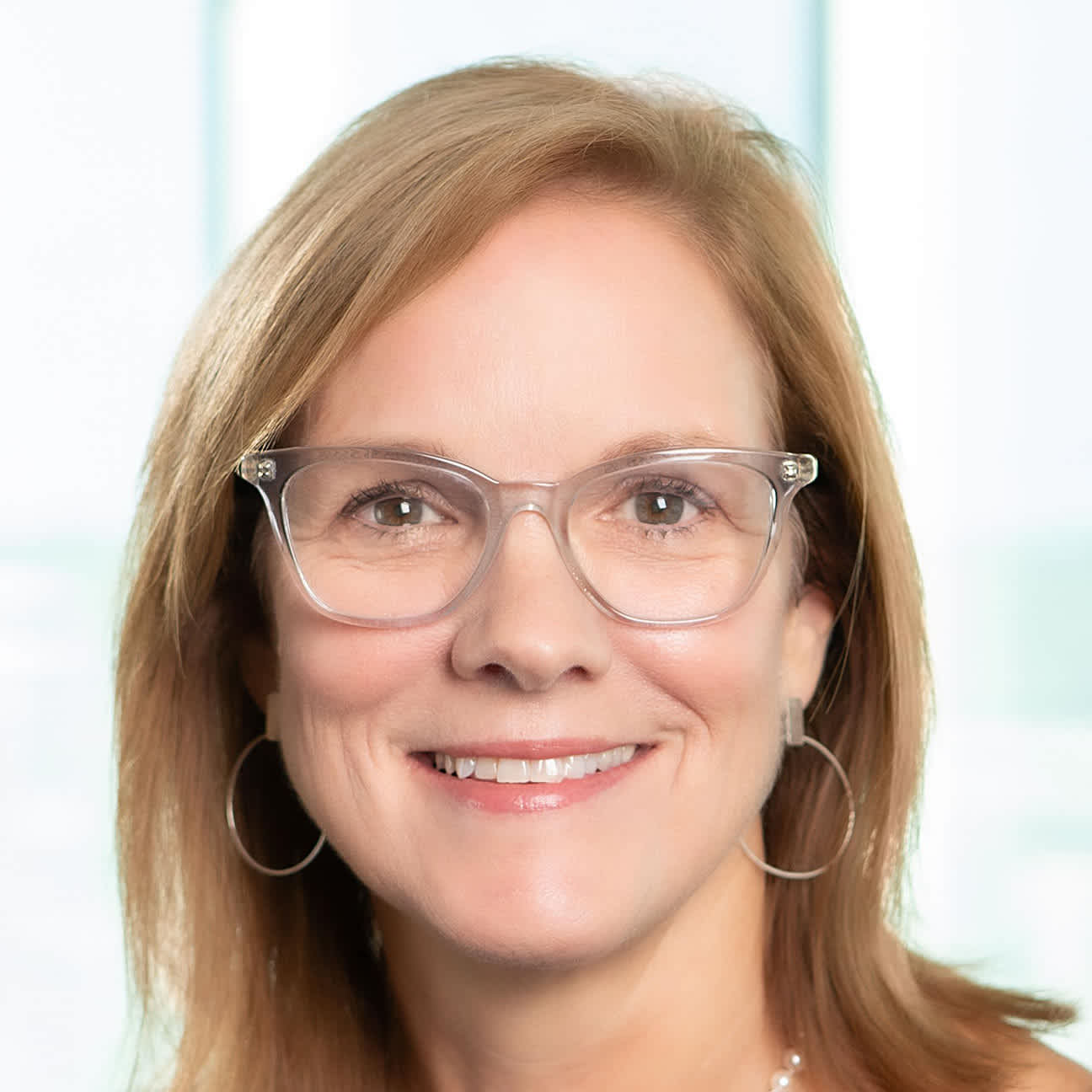
Karen Johnson
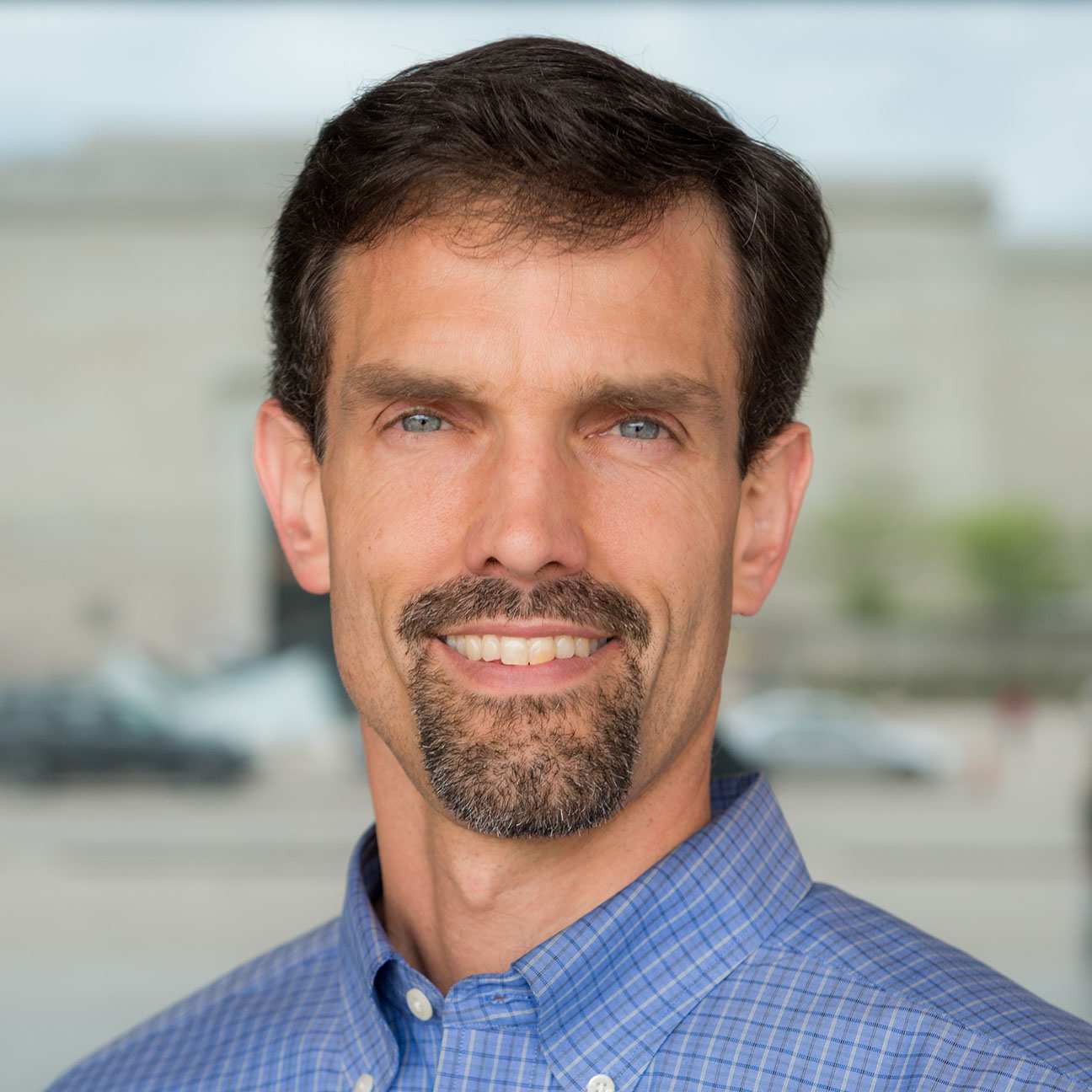
Andrew Bazemore, MD, MPH
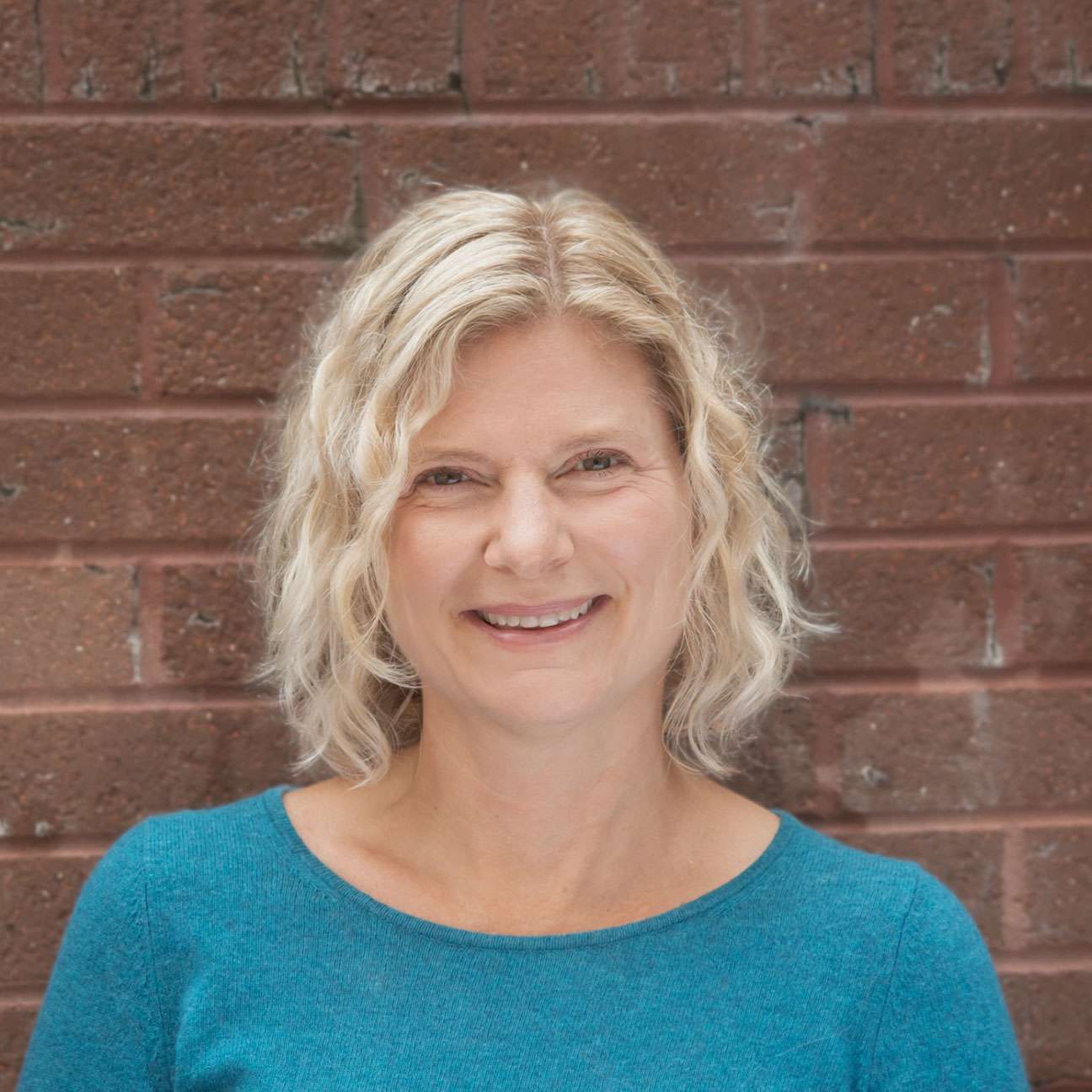
Beth Polk, MD, FAAFP
Transcript
Welcome to Inside Family Medicine, where you hear from leaders and peers in your specialty while learning about new tools and resources from the AAFP. I'm Karen Johnson, Vice President of Practice Advancement at the AAFP, and I'll be your host as we explore the framework of whole health and primary care and what that means in practice today.
We are joined by AAFP members, Dr. Andrew Bazemore and Dr. Beth Polk. Dr. Bazemore is a faculty member of the Departments of Family Medicine at Georgetown University and Virginia Commonwealth University. This is in addition to his role as Senior Vice President for Policy and Research for the ABFM, where he also co-directs the Center for Professionalism and Value, among other roles, which I'm sure we'll hear a little bit more about today.
Dr. Bazemore is also a former member of Team AAFP as the director of the Robert Graham Center.
Dr. Polk is board certified in family and lifestyle medicine, and practices in Roanoke, Virginia. She trains residents to use lifestyle medicine as the foundation of their practice in her work at Carilion Clinic, part of the Virginia Tech Carilion School of Medicine.
Dr. Polk also serves as faculty for many AAFP educational sessions and events, including the Whole Health Summit that is going to be just wrapping up as this podcast hits the airwaves. So I'm sure we'll hear a little bit about that as well. Welcome, Andrew and Elizabeth. Great to see you both again. Thank you both for joining us.
I'm going to ask each of you to answer the question we ask all of our family physician guests on the podcast. Why did you choose family medicine? Beth, we're going to start with you.
Sure. You know, it's interesting. At the risk of sounding like a cliché, one of the things that attracted me to family medicine was the relationships and the longitudinal care—not just because of the personal relationship, but because with the length, depth, and breadth of that relationship, you're really able to have an impact on somebody's health across their entire lifespan. That has been what's most meaningful to me in my practice over the years and has also led me down this path of lifestyle medicine and whole-person care.
Awesome. Thank you. We hear a lot about relationships when we ask that question. Dr. Bazemore, what about you?
Thank you, Karen. I was heading down a different path out of college and really came into medicine for family medicine. I had grown up in North Carolina, and through some neighbors who were family physicians, I was deeply impressed with what that meant relationally, both within the neighborhood and the community—beyond just the office.
But it was actually work abroad. I got to spend time in Bolivia in the summer after my junior year and see what a community-oriented primary care unit looked like and what it meant for that community to be engaged in all levels of relationships, not just in their clinic, but all across the area. And when I came to University of North Carolina for med school, I was already a family doc.
And while big academic health centers sometimes try to change your mind, that didn't work, and I was really fortunate to have great mentors throughout the four years at Chapel Hill and stay the course. So it's— when family medicine is optimized, as we're going to talk about on this podcast, there is no better profession.
Well, we're so glad you stayed the course, so glad to have you in the family. And I'll also say that the idea of family physicians serving as role models for those who are considering the profession is something we increasingly hear about as a really important aspect of really shoring up the workforce.
So you're a perfect example of that, and now you all are the role models, so thank you very much for that. So I think it's important for our listeners to know that you two are not random selections for this podcast on whole health, that you've done some really important work with the Academy recently.
In fact, the two of you co-chaired an advisory committee that really helped to guide the work of the AAFP on whole health and primary care recently. That work involved a multistakeholder convening, publication of a report called Scaling Whole Health Strategies in Primary Care. We're going to probably talk more about that.
There'll be a link to that in the show notes. But I just wanted to make sure everyone understood why you two were selected for this and why you were selected for that role, which is essentially you bring such valuable and different perspectives. Dr. Polk, you are actually teaching and every day working with residents on lifestyle interventions and bring a real boots-on-the-ground perspective to the conversation that we want to have today.
And Andrew, while you still have some clinical practice, I know that, as part of the vast portfolio of work you do today, you're much more focused on the policy and research side of things. So, dare I say, you bring a slightly more academic view to today's conversation. Both are important, and we want you both to chime in in whatever way is meaningful to you.
But I just wanted to frame that for the folks, and we're here to talk about some of the things that get in the way every day for family physicians who are striving to deliver whole health care in their practice settings, and much of that is grounded in the practice realities of Teams, workflows, technologies, things you deal with on a daily basis, Beth, and Andrew, you deal with on a part-time basis.
But some of the challenges are broader policy or industry challenges that I think are the bread and butter of your work, Andrew. So, as we're going into this, I just wanted to frame the perspectives each of you brings. Andrew, we're going to start with you. In addition to the work you do with the AAFP—you wear many hats—you were recently a member of a National Academies of Sciences, Engineering, and Medicine committee tasked with defining and framing whole health.
So tell us how we should think about whole health in today's primary care context and environment. Is this new? Is whole health or whole health care new, or why are we talking about it so much today from your perspective? I think that's a great question. I would start with the last one.
It's not new. This is really what family physicians are wired to think about when they approach their patients, and it's very different, I have to say, from much of what we see in traditional medical education. It's thinking about a person with a salutogenic approach—a favorite term in the whole health world.
How do we approach achieving health, not how do we stamp out disease? And how do we approach the person as a whole person within a whole community, a whole family? When you talk about the concepts that we wrestled with in writing that National Academies report, whole health is a massive term.
So we separated whole health from whole health care, and we went back to 70-year-old principles. Whole health is approaching physical, behavioral, spiritual, socioeconomic well-being across individuals, families, and communities. But whole health care is about the how and how family physicians actually do it.
How do we, how do we realign the approach? So we're not asking, "What's the matter with you?" But, "What matters to you?" as the first question in your interaction with the health care system. And then how do, how do we help build around your life mission, aspiration, and purpose and what you want and how you define health?
It's a very different approach. It is not new. I would call it a course correction. And I'm going to let Beth speak. I could go on quite a bit. I know we'll get back to it. It's why now? Because people are not happy with what they are getting in the most expensive health care system in the world. We spend nearly double the average of our peers, and yet we rank last in most of the most important health outcomes, and it's because we're not delivering whole health care.
We're not doing this the right way. Yes, Andrew, I would totally agree with what you said. From my perspective, I think about whole health as really aligning our care with the things that actually drive health. It's thinking about those core things that we do every day that really lead to our current state of health.
You know, we know that data shows that about 16% of what we see in clinical outcomes is what is done in the exam room, and the rest of it is about our behaviors, our social situation, our relationship, our environment. Those are all things that we need to think about, and a lot of them are outside our control, you know, in the office.
And so how do we equip our patients with both the knowledge and the skills to be able to go home and do these things for themselves, and really empower them with that information? Yeah. I appreciate that so much, and I want to spend a little bit of time talking about sort of the intersection between, like you are certified, Beth, in lifestyle medicine, and we're here talking about whole health, and that's not lifestyle medicine.
They're different words, but I'll just say a little bit of context. In part of the AAFP's desire to tackle this sort of concept of whole health, especially on the heels of the NASEM work and the report that was published, is we've got a lot of folks doing work that's so related to whole health, but they use different words.
There's lifestyle medicine, integrative medicine, functional medicine. There are community-based care and community health workers. Can you talk a little bit about what whole health care means to you coming from the perspective of lifestyle medicine? Where do you see differences, or is there much more in common than we think there might be?
Yeah, I think that's a great question, Karen. I think when I think about lifestyle medicine versus these other, like whole health or integrative medicine, I think actually there's more similarities really than differences. Lifestyle medicine specifically looks at six different pillars of health, so nutrition, sleep, movement, stress reduction, social connection, substance use, as sort of the foundation of where we start our work.
The same is true if I look at descriptions of functional medicine, integrative medicine, and whole health. We all have sort of the same foundational principles that we're working from. I think we differ a little bit in the way we approach it. Some specialties use different modalities and different ways to approach it.
But I think fundamentally we're all after the same thing. I think whole health kind of puts all of these under one umbrella. It also encapsulates the purpose, the meaning, the personal relationship with our health that I think all the practices sort of have, but it really stresses that part of things.
And also the community involvement and how are we really making a difference in people's lives. Yeah, I think the last point of that is the thing that I hear the connection with. It's like, like what you were saying, Andrew, not what's the matter with you, but what matters to you. And when I hear the pillars that you just described, Beth- I think if you go back and recite that definition of whole health again, Andrew, like the pillars of lifestyle medicine, which are not terribly dissimilar from the sort of key tenets of integrative care or functional medicine, all sort of ladder up to those concepts in the broader definition.
Absolutely. And you know, Karen, I think the thing I loved about Beth's response is it points out in a, an academy that has to reach a lot of members delivering, we hope, whole health across a range of communities, a range of populations, that there's not one way to do this. And it is about those principles, the six that Beth mentioned.
We really spoke in the report about emphasizing comprehensiveness and holism, doing as much as we possibly can for our patients and our populations, but also treating them as whole persons. We emphasize longitudinality. We talked about teams. No family physician in 2026 can do this without a lot of support. That includes integrated behavioral health.
That includes probably if I'm following the lifestyle medicine movement appropriately, we really need to do a better job of working with nutritionists, working with those who actually are responsible for maintaining physical activity in our communities. It- it's about adapting to one's environment, which family physicians do so well, and following principles, again, comprehensiveness, holism, relational longitudinal care.
And we'll get to that I'm sure a little later, but we can't put this on the family physician. We need a system that supports that. Yeah. Yeah, we're, we're really clear about the need to improve the systems. In fact, that's one of our strategic pillars as an organization is improving systems that support the delivery of family medicine and primary care across the country.
And I think one of the reasons we were very intentional in this work that we took on in using some very specific terminology of scaling whole health strategies in primary care is that we didn't want to represent this as a cookie cutter, everyone needs to have this whole health framework in their practice setting.
It's really much more of a menu or an adaptive approach to what works in your community, based on the community resources you have available, the population you have, and the structure of the health care system around you. There are so many factors that play into this. That's why we took that very intentional language of scaling whole health strategies in primary care.
So that can show up a lot of different ways though. So let's, let's dig down and let's talk about examples of whole health strategies in primary care, and I'd love to hear each of you talk about one or two examples of what that looks like in practice from both the physician perspective, but also the patient perspective.
You know, tell us what works, tell us what doesn't, and what you see as the real benefits to patients and physicians. So Andrew, do you want to start on that? Sure. I, you know, I think I'm tempted to respond to that from the perspective of my clinic and practice, but I'm also aware it's fairly well-resourced.
I'm in a residency program, I'm in northern Virginia, and I'm probably more inclined to point out how this is happening even in places where you wouldn't expect it. From a patient perspective, the Veterans Health Administration has not historically been, for all of its good, has not been historically known as a terribly whole health patient-oriented body.
But Ben Kligler and a number of team members have built out a whole health model that has changed that perception radically. From a patient perspective, veterans with chronic pain, often PTSD, coming into a clinic that feels very disorienting need what Ben and his team provided. They start the encounter with their veterans with a personal health planning conversation.
It really outlines what matters to you, what are your goals, and then immediately hitches them not only to their, if Ben's a family physician, their personal physician, but a whole team. Behavioral health coaching where it's appropriate, integrative services, mindfulness, physical activity programs, and it's being organized around the person, not the conditions that I started with, and it starts with that conversation about goals, direction, and then tailors the approach, something family medicine does very well to the patient.
And from a physician standpoint, I'll mention even community health centers. You know, the biggest safety-net extension of primary care in America has excellent examples of this. Mary's Center, right down the road from me in Washington, D.C.—another committee member, Seiji Hayashi, was working as their chief medical officer—and he could describe the ways in which, despite low resources, they'd been able to build out the data infrastructure to really understand how their patients differed, how to hand off in real time to integrated behavioral health counseling, and how to make sure that if a patient needed legal support, community support, food assistance, or help with a housing issue, they were addressing those upstream issues with integrated team members as well as real ties to what was needed in the community.
And then in the interpersonal care, again, it goes back to how they started from the moment the patient engaged. In my practice, it's our portal, and it's the ways in which in a digital environment they engage. The language that's used in engaging those patients, not being about the disease, what is your problem today, but what matters to you?
What would you like from this visit? What do you need from us? Is a, is a really important example of how you start and begin to scale it. Yeah, those are both great examples, and, you know, featured actually in the report that was published by NASEM, both of those, as real examples of work that does represent what we want to see.
I will mention, of course others will acknowledge, the VA is a little different. Of course it has the history you described, but it also has a payment mechanism that is very different because it receives funding writ large, and distributes that funding how it wishes versus, you know, billing codes for specific services as you do in a practice environment.
Which is really the reality that you face, Beth. We need to figure out how to get paid to do the work we're doing. Not to digress into payment, but what does it look like in your practice environment? What are some of those examples, and how do you confront some of those challenges?
Yeah. So the way we've approached it, so we have a lifestyle medicine clinic. So basically we have a referral program where people are referred in from within our practice and from without, within the greater system, for consultation regarding lifestyle. And that, that is a one-on-one, deeper dive into lifestyle.
And most of those people that I see do have a lot of chronic health conditions, and so it's really been wonderful to see, like, empowering them with the tools to help them. But what it really looks like is I am a little bit more resourced in the residency program than my colleagues are out in the community, so I actually have access to community health workers and integrated behavioral health and a social worker to address those actual real on-the-ground needs.
And what I often find is someone comes to me for diabetes, let's say, and their A1C is uncontrolled. And so, you know, initially one might think we would be talking about diet. But actually it turns out that they have mental health needs or they have housing needs or food access needs that if we don't address those, we're not going to be able to make any difference in their lifestyle or their diet or their health.
So, you know, we have to have that foundation, that fundamental piece. As far as just the nuts and bolts of it, I bill E&M codes like everybody else. People have chronic conditions, and you can bill just like you would for an office visit. So if you were out in practice and wanted to take a deep dive into somebody's health and lifestyle, you can do an appointment just talking about those things separately and bill it as a regular office visit.
So it doesn't have to be a big separate event. I mean, it is reimbursable just within some of our current systems. While it's not ideal, and I could think of many other ways it would be better, the way we are operating now, y- it can be done within our current system. Now, like I said, it helps me to be resourced, so that's nice.
And then there's other tools we can do to leverage. I don't know if this is the appropriate time to bring it up, but one of the things that I have started doing in the past year, six months to a year, is doing group medical visits or shared medical appointments, which is one of the recommendations in our report.
And those are things that are perfectly within the scope of anybody in practice. Getting a group of people together with maybe a shared medical diagnosis and talking about an aspect of lifestyle, health, whatever you want to call it, and giving them tools in a group setting, which also can be billed.
And so it will function within our current fee-for-service model and be beneficial on both sides. And can I just add—I think Beth really laid that out beautifully—that we should all acknowledge a whole health care system would not naturally be built on a fee-for-service chassis.
And yet, as Beth is pointing out—and the AAFP has really been a champion here—billing TCM codes and G2211 is in the interest of trying to take a poorly designed chassis and adapt it to continuous relationships and acknowledge what that means for whole health and for transitioning effectively.
If a whole person is moving through one part of the system, the hospital back into primary care, that should be good financing to build the teams necessary to achieve whole health there. I completely agree, but we have to start with we need to keep reforming the fee-for-service chassis. Yeah. That certainly aligns with the AAFP's advocacy on payment, and I will say the report does...
You hit on a couple of the really key payment recommendations, and I haven't mentioned, but we should mention that this report and this convening, this whole body of work was really focused on what are the levers of change required around payment and training specifically in order to achieve this sort of scaling of whole health strategies, do what you can with what you have approach to improving the ca- the kind of whole health care we want for patients.
So time-based billing, you know, you just talked about E&M codes, but really it has been, you know, time-based billing. It's time with patients, and you are-- you can bill for that time with patients because it is really contributing to their health improvement, and it also shared medical appointments or group visits is also something that I think is a very timely topic.
It's a recommendation in the report. We are also hearing a lot of it from the administration right now. I think that this kind of approach to care is very consistent with their sort of health orientation, the Make America Healthy Again approach. There's lots of layers to that, but this is a layer of that that has been really, I think, positive and affirming toward primary care and the kind of care that primary care delivers, and I think really centering that is important.
The third thing that was mentioned specifically with regard to payment, I wanted to just mention quickly, is advanced primary care management service codes. So the APCM codes is another element that's... And none of this is in-depth in the report itself, but it does provide a framework for digging deeper and figuring out what practices need.
So it's a great way of framing the broad questions: What does this look like in practice, and what do we need for that to happen? Revenue and payment fuel the teams, technologies, and other resources you need to actually deliver the care.
So I want to pivot a little bit and talk about training. Beth, you spend a lot of time training. Well, your day job and even your work with the AAFP and others is training on lifestyle medicine and lifestyle interventions. Okay, if a family physician isn't lucky enough to have been one of your residents, or if I'm in through one of your CME courses at the AAFP, what can they do to gain the skills and knowledge needed to implement whole health approaches in practice?
Where do they get the confidence to actually really take the first step? So there's a lot of material out there. There's, in fact, the AAFP has several online just sort of overviews of lifestyle medicine and there's some online CME that you can do through there just to kind of get the basics. But I would always encourage people to, like, think about their own health first.
Like, I tend to encourage our my fellow clinicians to say, "Okay, you know, what do you need to be healthy and whole, and how can you learn more about that for yourself?" And there's lots of organizations. The Am- the American College of Lifestyle Medicine has a lot of free resources and things like that you could look at.
But also, you know, how do you learn about yourself? And then just pick something. Like, I want to learn more about movement, and so I'm going to learn more about that. I'm going to do it. And then the more you do it, the more you're likely to talk about it with your patient, and then start to incorporate it into your just your repertoire.
Building a little catalog of easy go-to free resources, which if you see, if you get to see or you are in any of my talks, they're all in there. They're all free and, you know, that's some of that stuff's on AAFP's website. So just really how do we just start the foundation and just build on it over time, not feeling like you have to jump in and completely do everything all at once, but how you take small pieces of this and start to gradually incorporate it into your practice.
That's awesome. Andrew, anything you would add to that? I think that's a great start. I would just comment that we've doubled the size of the family medicine training enterprise in 12 to 15 years. That is an immense burden on faculty, but the opportunity we have to train well over 5,000 family medicine residents per year is incredible.
And I just can't emphasize enough how much teachers need to be continually supported in maintaining their skills, because the clinic is the classroom. No matter how much you try to embed whole health concepts in the curriculum, if you're not able to maintain that classroom as an environment where you can exemplify whole health principles—everything we've talked about so far, including really broad scopes of practice—that doesn't mean every faculty member does everything. But within that environment, a learner needs to be able to see all the different ways they can approach whole-person needs across the spectrum. Otherwise, you're not going to succeed in this enterprise.
And I'll say right now, we need more, we need more support, financial support for the trainers to hold up those pillars. And we've just put out a series of studies looking at how if you have a certain number of faculty that do a certain dimension of whole-person health care, you see the grads three years later doing that thing.
And if you don't, it's impossible to expect that of graduates. Just to add, The residency programs obviously serve a really important function here, and we continue to focus on them a lot from the Academy point of view of how do we support the residency programs as a mechanism for really training the workforce that we know we need.
So I do want to mention that in the report, you mentioned a number of resources at the AAFP and elsewhere. Every recommendation we made in the report, we tied a resource or resources to the recommendation. So we're not just making recommendations, but also pointing you to some of the things I think you mentioned also in that report, Beth.
So I would encourage folks who are activated by this conversation to take a look at that. As we wind this down here, I want to hear from each of you what you would like to say to your peers in this conversation. What would you want them to know? What would you want them to do? How do you want them to feel after listening to this conversation?
Andrew, I'm going to start with you and finish with Beth. Well, let's go back to where we started. Whole health is a really large term. Break it down. Don't wait for the system to be perfect. Start with small, meaningful changes. Sometimes that's redesigning a single team-based workflow, implementing a 'what matters to you' statement into your kiosk or the way your MA partner is rooming your patient, thinking about how you approach your visits, strengthening a connection to a community resource, thinking about whole health prescriptions and exit pathways, or looking at the action brief as a starting point.
It's not a checklist. It's a place to get started. And then advocate. If we're going to get the kind of primary care investment we need—and we are woefully underfunded—the Academy and its state chapters are doing a great job trying to rebuild that through our primary care spend movements. But family physicians need to stand up and advocate for this, because to achieve whole health, we need more time.
We need more teams and more funding for those teams, more infrastructure, and they don't happen without really intentional investment. So it's going to, it's going to take, you know, acting on this if we're going to reverse, again, our pathogenic approaches to most health care and really approach it with a salutogenic mindset.
Yeah, that's great, Andrew. You know, I would love for people to walk away from this feeling empowered, to not feel like that this is overwhelming and too hard to do. I think probably the biggest stumbling block I find, and this is borne out in research that we've done, is that, you know, the biggest barrier to this is time, and I get it that we have a lot to do on a relatively short office visit.
But you can build an infrastructure, like Andrew alluded to, within your practice that puts the whole health framework forward first. That can be as simple as signage or handouts, or a couple of extra screening questions in your physical—your well visit—so that you can pull out a couple of things and have a few easy resources you can give people. Really, just start to make it part of your conversation.
Talk about it in your practice. Talk about it with your team, your nursing staff, and your front desk staff, and start to make it the face of your practice in a way that, when people walk in, they understand that you're there to help them be a healthier whole person and not just to write them a prescription.
And you know, we're seeing life expectancies declining, so there's urgency around this. You know, we need to be able to start to think differently about how we deliver health care, and you can do it in little small bites. I just actually spoke to a local group this morning and I said to them, "How do you want to approach this?
Think about it this way: If you were going to eat an oak tree, how would you approach that? One bite at a time, right? So you just do this a little bit at a time. How do you build the skills over time to be able to do this? Yeah. All good food for thought—no pun intended, or I guess maybe a little bit—but thank you for that.
One thing we haven't talked a lot about today that I just want to mention, there is some pretty good research out there that suggests physicians and other clinicians who are really practicing with more of a whole health orientation in this style of care that we're talking about today really do have improved well-being, better satisfaction with the work that they're doing, with the care that they're delivering.
So I do think in this time where that physician burnout is... Well, I read a statistic the other day that suggests we're improving from, like, 43% feeling burned out to 41% burned out. We'll take whatever wins we can get. You know, I do think that that's an important thing. And the last thing I'll say is we did get to the term salutogenic within the first few minutes of the conversation.
Thank you, Andrew. A term that a lot of people don't use every day. Will you give us a quick definition on that term? Sure. When we speak of salutogenesis, I think the best way to define it is to contrast it with pathogenesis. Two big words. One means I am approaching the elimination of disease as my main aim.
That's looking at a patient through a pathogenic lens. Where salutogenesis is all about approaching the achievement of health, and that has to be defined not by the physician alone or the health care system, but by the patient. What does the patient want? We want different things. Life expectancy is one of many dimensions of health.
What does the patient want to achieve, and how can we help them achieve health, rather than making stamping out disease our number one goal? I'm sure the carriers of that science would say I really butchered the definition, but to me, that's how it boils down. Yeah, I love that. Thank you very much. That may roll off the tongue of many family physicians, but as a non-clinician, I wanted to clarify that.
I also just wanted to observe, we went through this whole conversation and didn't... No one ever mentioned AI. I will say there's going to be an element of that. Maybe that's a part two to this conversation. As patients, you know, with our wearables and the things that we have, there is going to be some elements of that that come into play.
But this has been a fantastic conversation. Andrew, you want to add something real quickly before I close this out? Karen, I think you brought up an excellent point. There are active conversations about how to make sure artificial intelligence is augmenting whole health and not further fragmenting health, not being an alternative to what family physicians do, but a way of enabling behaviors.
And honestly, after years of every guideline treating our patients as if they were a series of stacked diseases, I'm really excited to see conversations about how artificial intelligence can create new care pathways that really allow us to look at multimorbidity, going back to a pathogenic term, but at multiple layers of the things that contribute to us not being well in a singular fashion.
And there are some really powerful efforts to build artificial intelligence into whole health. Unfortunately, there is a considerable economic benefit to using it to silo and fraction. So I think we as family physicians need to lean in heavily on the design and understanding of how artificial intelligence can and will help us—not just, as I enjoy every day, through an evidence-informed clinical care decision tool or my ambient AI making note-taking easier, but how it can really help us approach population health, understand all of the things our patients give us as data elements, and use them to better achieve health, not just stamp out disease. Absolutely.
Well, thank you both for the conversation today, and maybe we've got a couple follow-ups, maybe one on well-being, one on AI, maybe some combination of the two. But to our listeners, if you'd like to learn more about AAFP's work on whole health, download the Scaling Whole Health Strategies report that we've mentioned multiple times and review the recommendations.
We'll have links in the show notes to that. And if you enjoyed today's episode, let us know by dropping a line to aafpnews@aafp.org. Be sure to share the episode with your followers on social media, tag the AAFP, and thank you again, Andrew Bazemore and Beth Polk, for not just your time today, but for all that you do on behalf of family medicine and the AAFP.
We greatly appreciate you.
Thanks so much, Karen.
Resources
Disclaimer
Copyright 2026. AAFP. The views presented in this broadcast are the speakers own and do not represent those of AAFP. The information presented is for general, educational or entertainment purposes and should not be considered legal, health, financial or other advice. AAFP makes no representation as to the accuracy or completeness of the information and is not responsible for results that may arise from its use. Consult an appropriate professional concerning your specific situation and respective governing bodies for applicable laws. Reference to any specific product or entity does not constitute an endorsement or recommendation by AAFP unless specifically stated otherwise. AAFP and the AAFP logo are registered trademarks of American Academy of Family Physicians.