
Come to FUTURE: ‘It totally transformed my entire career’
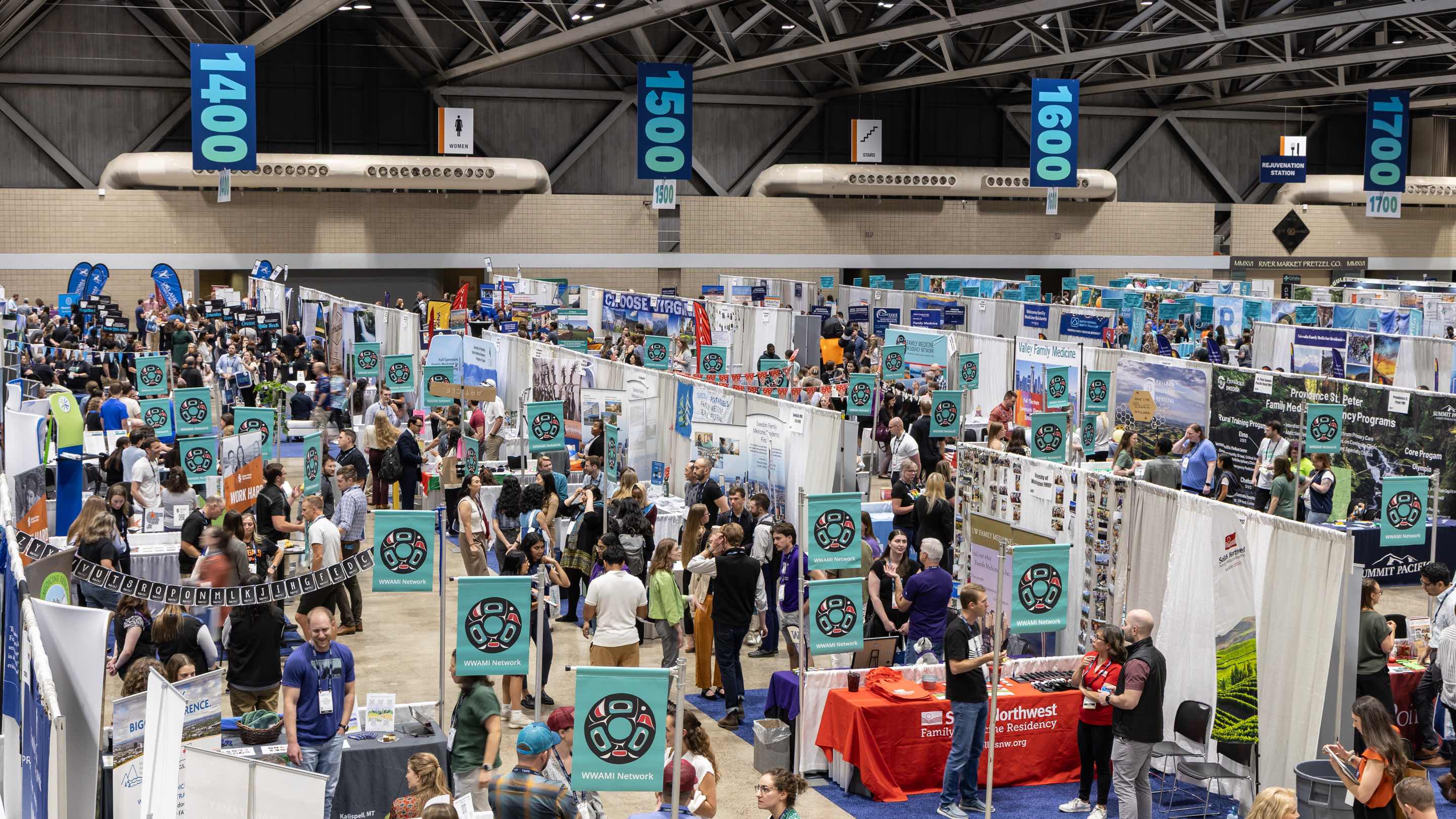
Whether you are a medical student exploring career options or a family medicine resident looking for a fellowship or a first job, FUTURE (formerly National Conference) offers something for learners at every stage. Educational sessions at the July 30-Aug. 1 event in Kansas City, Missouri, cover the Match, clinical issues, hands-on procedural workshops, career paths and much more.
Join us at FUTURE
Four family physicians who will be presenting new sessions at FUTURE recently talked with the AAFP about their sessions, the conference and why they encourage medical students and residents to attend.
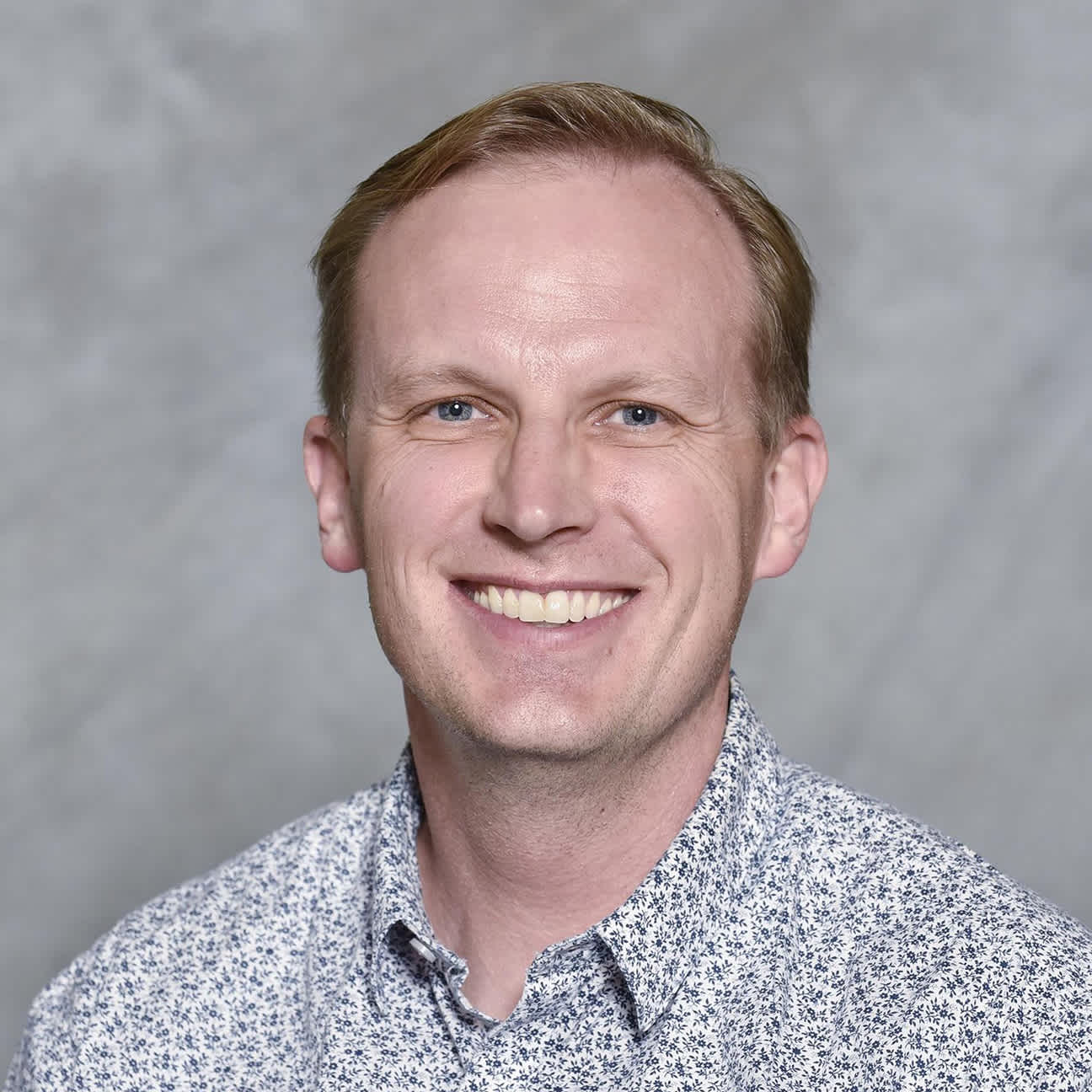
Justin Bailey, MD, FAAFP
Procedural training is a highlight at FUTURE
AAFP: What are you doing that’s new this year?
Justin Bailey, MD, FAAFP, procedural director at the Family Medicine Residency of Idaho at Full Circle Health, Boise: I love procedures and have been doing them for 20 years. I love opening the window to the breadth of what family medicine can do. We're going to do a skin procedures workshop that ranges from punch biopsies to removing skin flaps in an office setting and everything in between—cysts, oral lesions, etc.
I’m a little bit of an odd duck because I’m an allopathic-trained physician who also is osteopathic certified, so another session we’re doing is going to be hands-on treatment of musculoskeletal pain.
AAFP: There are other procedural workshops in addition to yours. Why is that an important option for students in this setting?
Bailey: It’s huge. You don’t know what you don’t know until someone shows it to you. In our session, we spend 20 or 30 minutes on evidence. I’m going to have eight of my colleagues from around the country from different programs, and we’re going to spend the next 45 minutes fixing things. There is a beauty and an awe that comes when someone has had back pain for six months and we pick a random medical student in the crowd, and say, “Here’s how you do it. Let me walk you through this technique.” So, they do it, the person gets up and they both have this ‘aha’ look on their faces. The student is thinking, “Did I just fix that?” Yeah, you just fixed that.
They understand they can be more tomorrow than they were yesterday. That’s what I love. That’s why I’ve been teaching for 20 years. It’s nice to see them understand that there is a horizon beyond what they just learned, and they need to chase that for the rest of their careers.
A glimpse of the FUTURE
AAFP: What's one big takeaway you hope attendees get from your sessions?
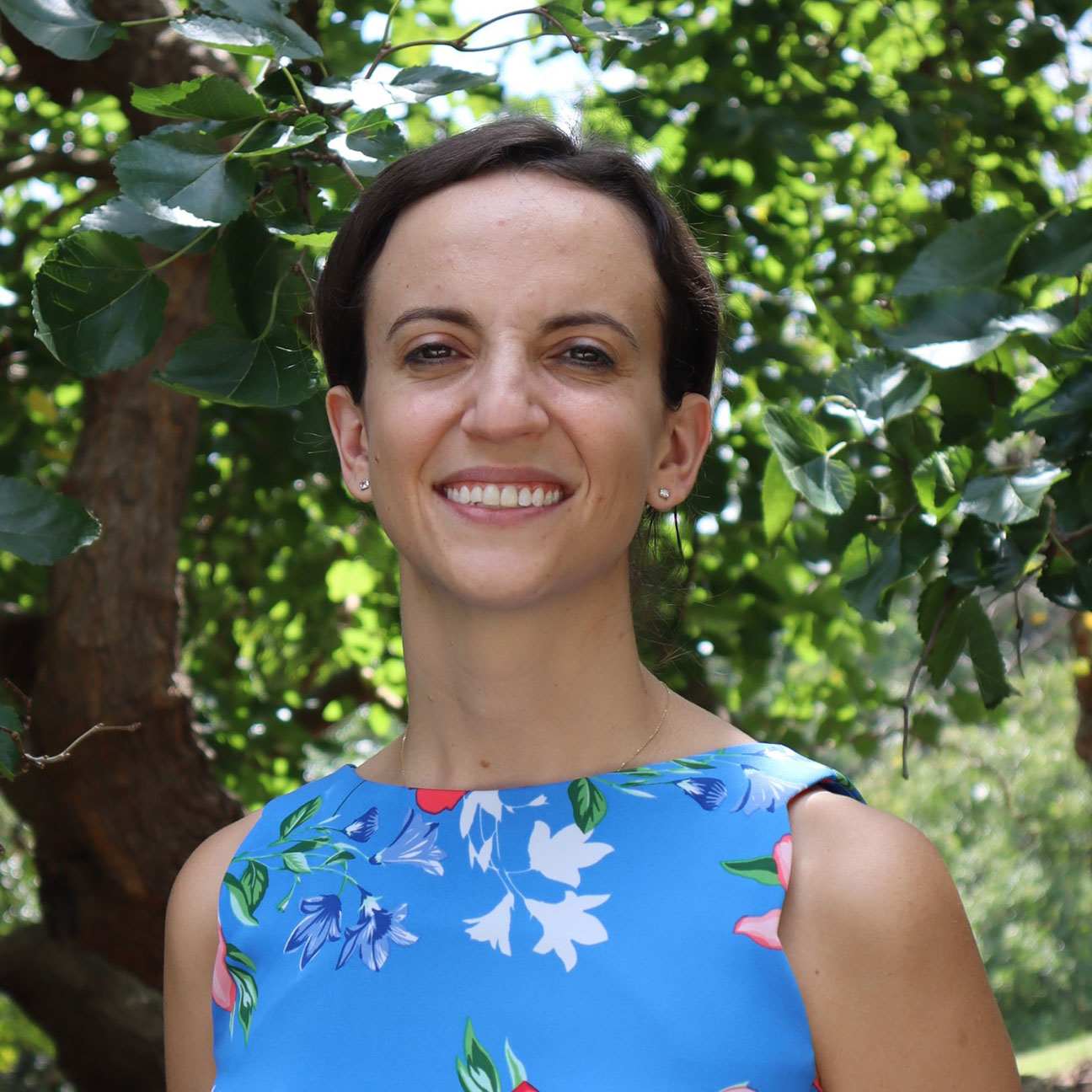
Victoria Boggiano, MD, MPH, FAAFP
Victoria Boggiano, MD, MPH, FAAFP, assistant professor of family medicine at the University of North Carolina School of Medicine: My session is about how to tell your story and narrative medicine. My co-presenter, Christina Kelly, MD, FAAFP, (associate professor in the Department of Family Medicine at the Uniformed Services University of the Health Sciences School of Medicine) has done a lot of relational leadership work. The biggest takeaway I hope participants get is that in medicine, while we’re really good at telling other people’s stories or patients’ stories, there’s so much value in community building, sharing our values, processing things and becoming who we are by telling our story. So, our session is about helping people learn how to tell their own story.
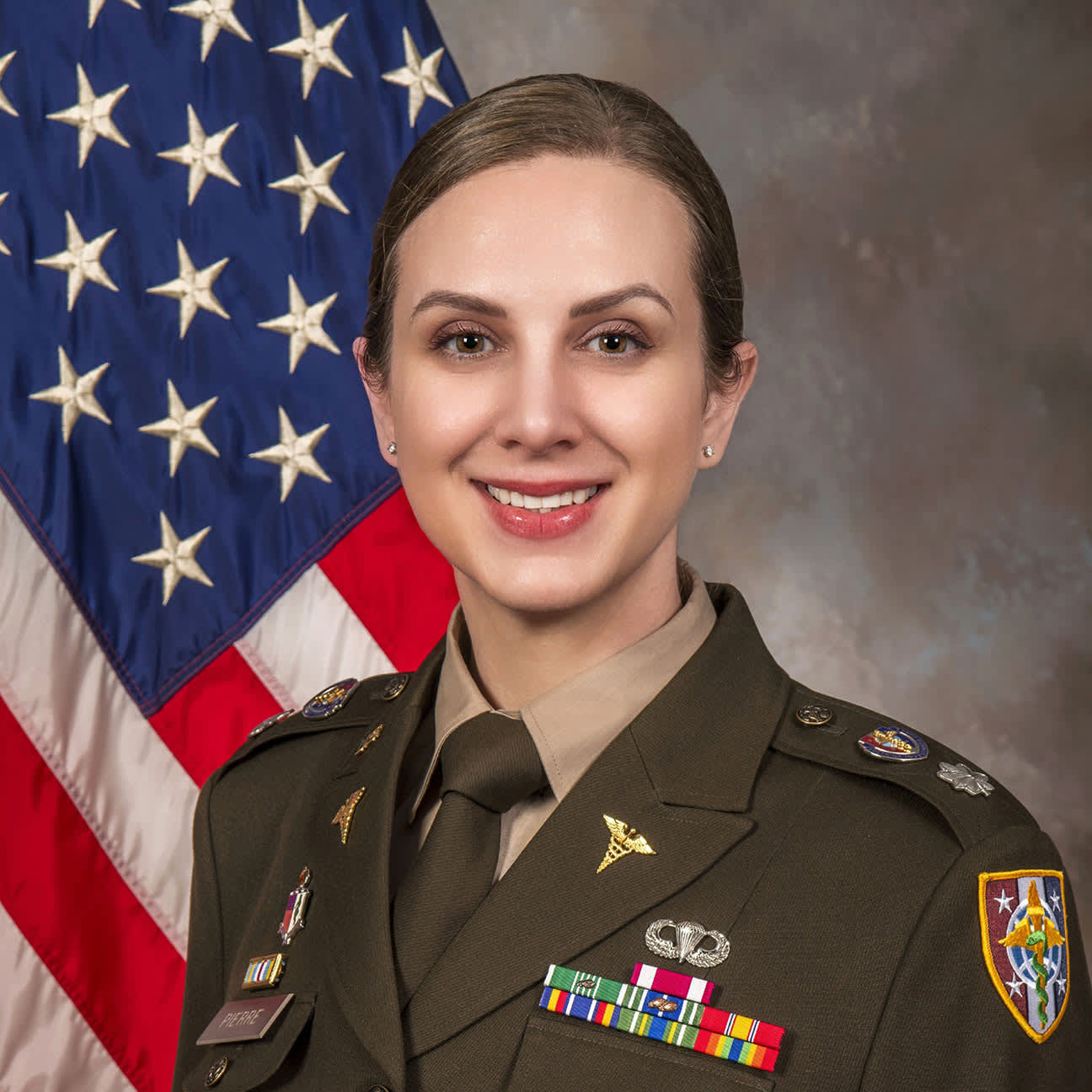
Lt. Col. Elyse Fiore Pierre, MD, FAAFP
Lt. Col. Elyse Fiore Pierre, MD, FAAFP, assistant professor of family medicine at the Uniformed Services University of the Health Sciences School of Medicine (The views expressed are her own and do not represent official USU or Department of Defense policy): I love that, Victoria, because at USU, I direct our Reflective Practice course, which is about understanding our own stories and how they influence the lens through which we each see the world and the way we take care of patients. So, I’m excited to come to your talk!
I’m presenting at FUTURE thanks to one of our students in the Family Medicine Interest Group (FMIG), 2nd Lt. Allison Kwon. She came to me last year and said, “I want to do this talk. Will you work with me on it?” Allison noticed that sometimes patients are not sure if they should trust their doctors and their recommendations, for a variety of reasons, including prior negative experiences and health care misinformation. These situations give everybody, particularly learners, a little bit of pause of, “Oh, yikes, how do I go into this conversation?” So, we’re co-leading an interactive workshop about difficult dialogues. We’ll discuss how to recognize when misaligned viewpoints or misinformation lead to mistrust in a patient interaction, and how to engage in civil discourse with our patients that leads to mutual understanding and respect. I'm excited to hear residents’ and students’ perspectives on this topic—they always have something to teach me.
Bailey: Family physicians are willing to be in hard spaces with patients, and it’s difficult when they’re afraid of vaccines or they’ve heard bad information on TikTok. But it’s important that we learn how to have those conversations because we are the physicians here in the trenches. Family medicine doesn’t always get the respect it deserves in health care, but the source I want respect from is from my patients, and I continually get that. It fuels me, builds me up and keeps me in this space, teaching residents how to do this. It’s invigorating.
In procedural family medicine, I train people to go out and be the only doc in town. It’s doing endoscopies, skin procedures, women’s health procedures and cancer screenings. Sometimes patients ask me, “You can do that as my doctor? Why did I go see all these other specialists?” Yes, I can do all that in family medicine.
Explore career paths in family medicine, including emergency
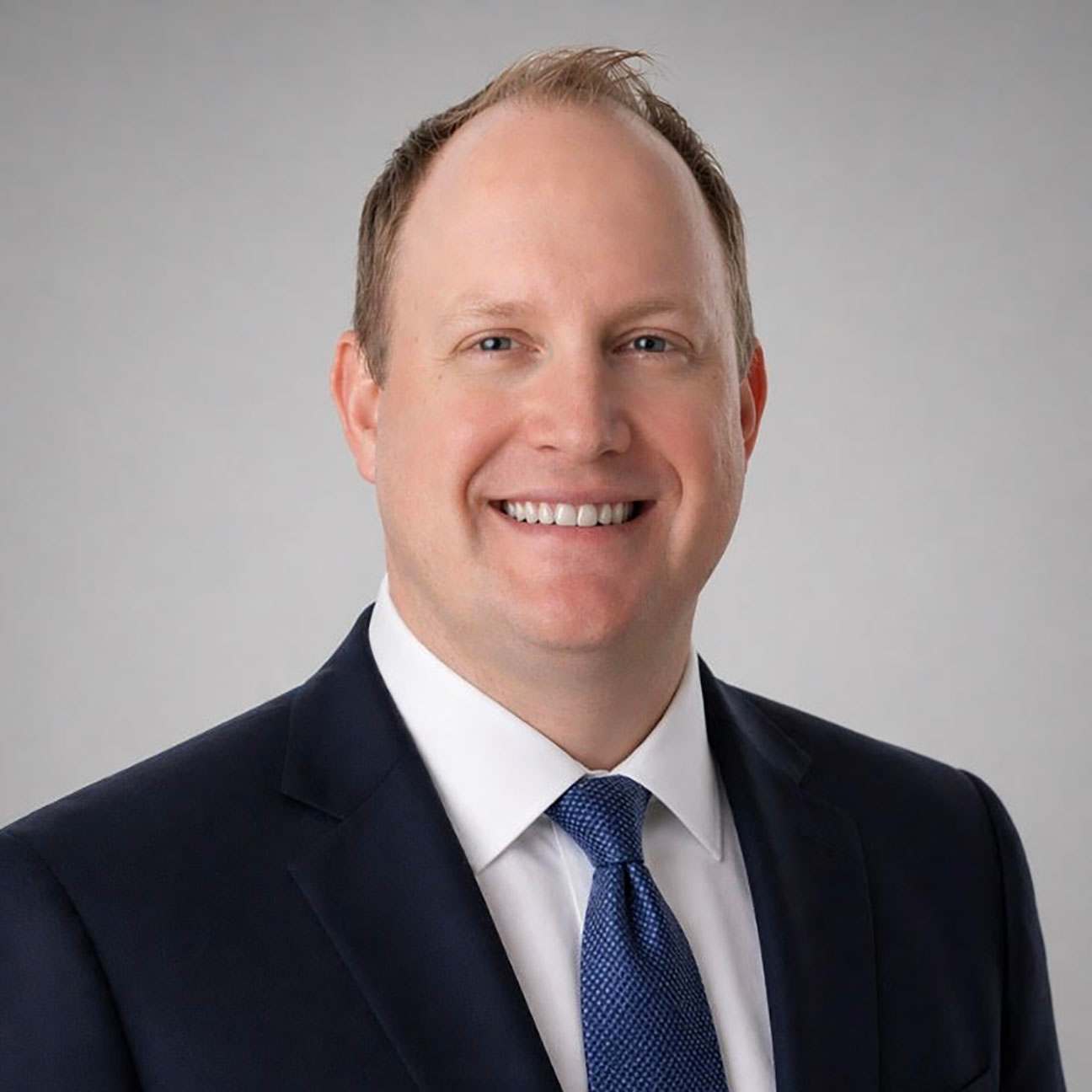
Jeremy Johnson, MD, FAAFP
Jeremy Johnson, MD, FAAFP, vice chief of emergency medicine at Crestwood Medical Center in Huntsville, Alabama, and associate program director with Crestwood Medical Center's Family Medicine Residency: I am doing a talk about what every family medicine resident needs to know before setting foot in the emergency department. A lot of times we talk about knowledge in medicine, but we don’t talk about performance in medicine. It’s not a theoretical talk, but a survival guide for that first shift in the ED, or really that first year as an intern in the emergency department.
I want them to build a roadmap for how to perform well in the emergency department: how to prioritize, how to avoid common and simple mistakes. It’s not going to be a talk focused on expanding their knowledge, but a talk that feels tactical and usable for residents. I want them to be able to define their rotation, how they're going to approach it, set themselves apart and optimize their time in the emergency department.
For students, I think a lot of the same ideas are applicable for your rotational years in medical school: How do I perform well? How do I stand out as a student on rotation?
AAFP: Were you seeing residents who weren’t prepared for the emergency room?
Johnson: I think the knowledge is always there. It’s difficult for them, at times, to apply it. It’s a different environment than the traditional family medicine environment. In the ED, we have speed, uncertainty, prioritization. That doesn’t always align with the workflow of a family medicine clinic. A lot of residents try to be complete instead of efficient, not understanding the importance of disposition and early identification of disposition. It’s not a scheduled 7 o’clock appointment, then your 7:30, then your 8 o’clock, then your 8:30. You have to juggle prioritization of who is sick, who is stable and who needs me now. Residents and medical students often struggle initially in the emergency department. This is not from a lack of knowledge, but because they try and impose textbook thinking to a clinical setting defined by urgency, uncertainty and controlled chaos.
Students and residents have the knowledge. Let’s put a framework out there of how do I actually put that knowledge into a clinical performance? How do I prioritize my workflow? How do I approach the day? How do I approach feedback? How do I talk to my attendings and get mentorship? And what does that look like?
These are ideas that are untouched a lot of times in CME and conferences. Sometimes we focus too much on knowledge and not application of that knowledge.
A ‘global introduction’ to what’s possible in family medicine
AAFP: What influence did FUTURE (formerly National Conference) have on you when you were a student or resident? Did it help you solidify your specialty choice? Did it help you find your residency? And why is it important for you to come back?
Boggiano: Yes, to all of the above. I went to a medical school without a family medicine department. I loved my medical school experience, and simultaneously I found so much diversity of family medicine opportunities at FUTURE. It really shaped what family medicine could look like for me. I started going as a second-year medical student, so I had the time and space to dive into the educational content, get involved in the student and resident congresses and to run for leadership positions for students and residents. That’s where I learned all the things you can do in the AAFP as a student and resident and how it kind of grows with you. FUTURE totally transformed my entire career, coming with my medical school’s FMIG, becoming an FMIG regional coordinator, becoming the student chair of National Conference, becoming the resident delegate to Congress of Delegates, getting involved in my state chapter and being able to go to the National Conference of Constituency Leaders. All of that was made possible by going to National Conference.
When I went the summer before my fourth year, I happened upon the UNC booth in the Expo Hall. It became where I went for family medicine residency, and is where I’ve now built my whole life and career. That’s why I keep going back, because FUTURE was so transformative for me. That’s why I encourage the students I work with to try to go as often as they can.
Bailey: I came as a speaker my first time at the conference. I grew up thinking I was going to be a pediatrician … until I did pediatrics. After a month, my wife said, “Well, you’re a bummer. I don’t know if I want you around for the rest of your life if you’re going to be like this.” I was a little bit lost, and I matched with the military. I had to have my rank list in June 1 of my fourth year of medical school. My wife said, “You were having a great time on family medicine. Maybe think about that.” So, a day before the military match, I switched into family medicine.
I could do a breadth of procedures. I wanted to be the person who knew the answer when my neighbors had medical questions. That was the beauty of family medicine. I’ve got to go around the world as a family medicine doc. I’ve lived in war zones as a family medicine doc. When an earthquake hit Haiti in 2010, I was sent there within 24 hours. For every person who walked in the door, I knew something I could do to help because our versatility is incredible.
So, FUTURE wasn’t my entry point to family medicine, but once I found my tribe, I’ve been happy ever since. This is my sixth or seventh year presenting at the conference.
Johnson: I came as a resident twice but not as a student. I think I’ve been three times as a residency faculty member.
FUTURE has evolved in the last few years. As residents, we were focused on recruiting, and we didn’t utilize a lot of the things the AAFP has available to students and residents now. When I came back as faculty, it really struck me how it had changed from a networking and recruiting conference to really offering a foundation of what family medicine is. It’s a global introduction to family medicine and what is possible in a career. When students come back as third years or fourth years, they can still do that networking with the residency programs to see what the culture is like and how do they fit with the different programs without having to travel all over the country because the AAFP has brought everybody into one room.
My pathway into family medicine is a little bit of a nonlinear one. I started out as a categorical general surgery resident. I decided that was not where my love was, and I changed to family medicine when I realized that the scope is so broad. At that time, I did not know if I wanted to be an emergency medicine physician for life. I thought there were a lot of gaps in medical delivery in America, especially the emergency department. And so having that foundation in primary care is important to me and being able to rely on that in how we treat our patients in the emergency department. I migrated to an urban practice because of teaching, but before that my rural practice really focused on a lot of underserved and smaller community hospitals. And there, I saw patients who couldn't access primary care anywhere else.
AAFP: Dr. Pierre, this is your first time at FUTURE?
Pierre: I didn't have the opportunity to attend as a student. I wish I had. Hearing about the networking and opportunities available, I can only imagine how beneficial that would have been when I was an ‘undifferentiated stem cell’ student. I ultimately went through my clerkship year and loved everything, which was my first clue that family medicine was for me. I think attending FUTURE as a student would have helped me cement and root into that identity earlier. So I'm excited to do this workshop with Allison, and also just to be present and kind of see the energy and the excitement at this conference.
FUTURE can help you decide if family medicine is right for you
AAFP: What do you tell the students or residents you're working with about why they need to be here?
Boggiano: There are three types of students. There’s the student who is not interested in family medicine. They want to be in the operating room, or they love the spine or they love being in a lab. Maybe it’s not for them.
But then there are the students who have known since day one that family medicine was the specialty for them. And there are the students in the middle who aren’t quite sure and are still like the undifferentiated stem cell that Elyse mentioned. For those two buckets of students, FUTURE is super relevant.
For the students who know that family medicine is where they’re headed, there are so many things that are incredibly valuable. There’s the Expo Hall, which you can get value from every year, but especially before applying to residencies. There are the booths, there’s getting on the lists of different programs for their emails. There are social events at night that are really helpful.
There are education sessions, and the depth there is amazing. You can participate in the student and resident congresses and influence what the AAFP does nationally on health policy.
I’ve also seen people who aren’t necessarily set on family medicine come with their FMIG and have completely eye-opening experiences.
Bailey: There’s a beauty of meeting people in person. When you walk into an Expo Hall, you might think, “Oh my gosh, I’ve got a headache already.” There’s so much going on here. There are so many people. How do I even know?
But family medicine is a space where we want people to be better. So if a student comes up to me and my program’s the right place, I’m going to tell them why our program could be good for them. But when my program’s not a good match, I’ve taken students from my booth and said, “You need to come talk with my buddy in Kansas,” or “You need to come talk with my buddy on the East Coast. Let’s find you what you need over there.” I love the connections that I have with other programs.
There is a place that is going to allow you to become the person you want to be. That looks different for all of us. I’ve seen that over and over again at FUTURE where a student meets the one or two people who are going to be so important as they continue on that journey to be a family medicine doctor.
We take 12 residents every year in the Match. We met nine of the residents we just matched with at FUTURE. They got introduced to our program there. That’s powerful, not only for students coming in but for us, too.
Johnson: We take four residents to FUTURE every year, and we really utilize the conference not just for recruiting, but we want them to be active participants. We have them go to lectures and classes. We really encourage them to network with other residents, with other programs.
We all know about the AAFP, but how do you get involved? Residents can be kind of scared of it. This exposure really softens that and shows them that if you have interest, you can actually get involved fairly easily.
We work with a few medical schools, and we're going to try to start taking a few students with us, too.
Help future family physicians find their path.
“I continue to give to the Foundation annually to pay the experience forward for others. Without the scholarship, I would not have been able to take part.”—Family Medicine Leads past scholar
Family medicine can evolve as you do
AAFP: What drew you to family medicine and what continues to invigorate you in your work?
Bailey: I’m in a hospital all morning, and in the afternoon I’m doing procedures. The next day I’m in clinic, and the next day I’m delivering a baby. What a cool specialty, right? I never get bored. Every day I am in a different space, and I’m in that space with the patients who I love and who love me. Not only am I doing cool things, but I’m with people who are important to me who I am able to help. I’m 20 years into this and still love it, love my colleagues, love the patients I take care of, love the breadth of what I’m able to do.
Boggiano: I love that, Justin. The joy in practice is something that I feel every day. A lot of that joy comes with such a range of what I do. I’m still doing inpatient days and nights, clinic, labor and delivery, colposcopy and GYN procedures. I teach at the medical school. I work with our residents. I’m involved in advocacy work on the state level. No two weeks look the same in terms of scheduling, and I really enjoy that.
I also love that family medicine is a type of specialty that if next year, or in 10 years, I decide to do a complete pivot, that’s fine. It supports and embraces our careers growing with us. That’s unique to family medicine. I really feel grateful to have found family medicine early and to have it reaffirmed by the fact that I loved every single rotation that I did. And teaching people about family medicine is really important. That’s why I keep going back to FUTURE.
Pierre: As I said before, I loved every clerkship rotation as a student. I didn’t want to give up caring for kids or adults. I loved inpatient, outpatient and preventive medicine, maternal health, procedure skills and especially the continuity of care. As an Army family doc, I’ve even had continuity with some patients across several duty stations over the years, which is so cool.
It’s such a gift to have patients trust us to understand and protect their stories, their health, their quality of life, and their goals. That really keeps me going. The other piece that invigorates me is working with residents and medical students, which frankly helps me to remain competent as a full-scope family medicine physician. And, as a lifelong learner, it brings me joy that I get to practice with a growth mindset, and learn from my students, residents and patients every day.
Johnson: Family medicine is one of the fields that gives you a great base of knowledge to go out and meet patients in a variety of environments. Especially in rural America, where we have health care disparities and access disparities, the family physician is uniquely positioned to do a lot of things—to see patients in a clinic, the emergency department, the hospital. To do that well, they need appropriate training, mentorship and exposure in those environments. In my state, I see the benefit of well-trained physicians who can cross clinical settings seamlessly and provide excellent care no matter where they’re at.
I enjoy training the next generation, showing them what’s possible and keeping them interested. Careers change. Ten years down the line, you might be bored with something. The great thing about family medicine is it can evolve as you do. And as your interests evolve, as your life situation evolves. You can do a lot with family medicine.
AAFP: Any final thoughts?
Boggiano: FUTURE is vital because it helps maintain family medicine. It attracts and encourages diversity, depth, breadth. It’s unlike any other conference students, residents and educators will ever have the opportunity to attend.
Pierre: Research shows that reaching students early and showing them what's possible in family medicine is necessary to maintain that pipeline of exceptional future family docs that we need to join our specialty. Victoria’s exactly right, FUTURE is essential.