

A preoperative evaluation is advised for all children and adolescents having elective surgery with anesthesia. The evaluation assesses medical and psychosocial factors that may affect surgery timing and identifies underlying conditions that may require evaluation or management before surgery. The evaluation also classifies the patient's American Society of Anesthesiologists' risk category. The history component of the evaluation should include a review of the patient's medical, behavioral, and social history; previous complications with surgery or anesthesia; a medication review; and a tobacco use history. The physical examination should involve the identification of airway anomalies that could interfere with intubation and the evaluation of cardiac, respiratory, neurologic, and fluid status. Routine laboratory testing is not recommended for healthy children and adolescents having low-risk procedures. Patients with underlying conditions may benefit from targeted laboratory and imaging studies to assess clinical stability. The HEMSTOP questionnaire can identify patients who have coagulation disorders. A pregnancy test should be considered for all adolescents who are postmenarchal on the day of surgery. Many children have anxiety about surgery, which can be reduced by educational pamphlets, videos, coaching provided to parents the week before surgery, and a parental presence during the induction of anesthesia.
Each year in the United States, 3.9 million surgical procedures are performed on children and adolescents.1 Orthopedic surgery and tonsillectomy and adenoidectomy are among the most common in-hospital surgical procedures performed in this age group and often require a preoperative outpatient evaluation.2,3 Family physicians and other primary care clinicians can play an important role in pre-operative evaluations. These evaluations allow for a detailed understanding of the patient's medical status and psychosocial situation to communicate the unique needs of each child to the surgery and anesthesia team, provide family-centered counseling, and contribute to improved postoperative outcomes and decreased costs.
SORT: KEY RECOMMENDATIONS FOR PRACTICE
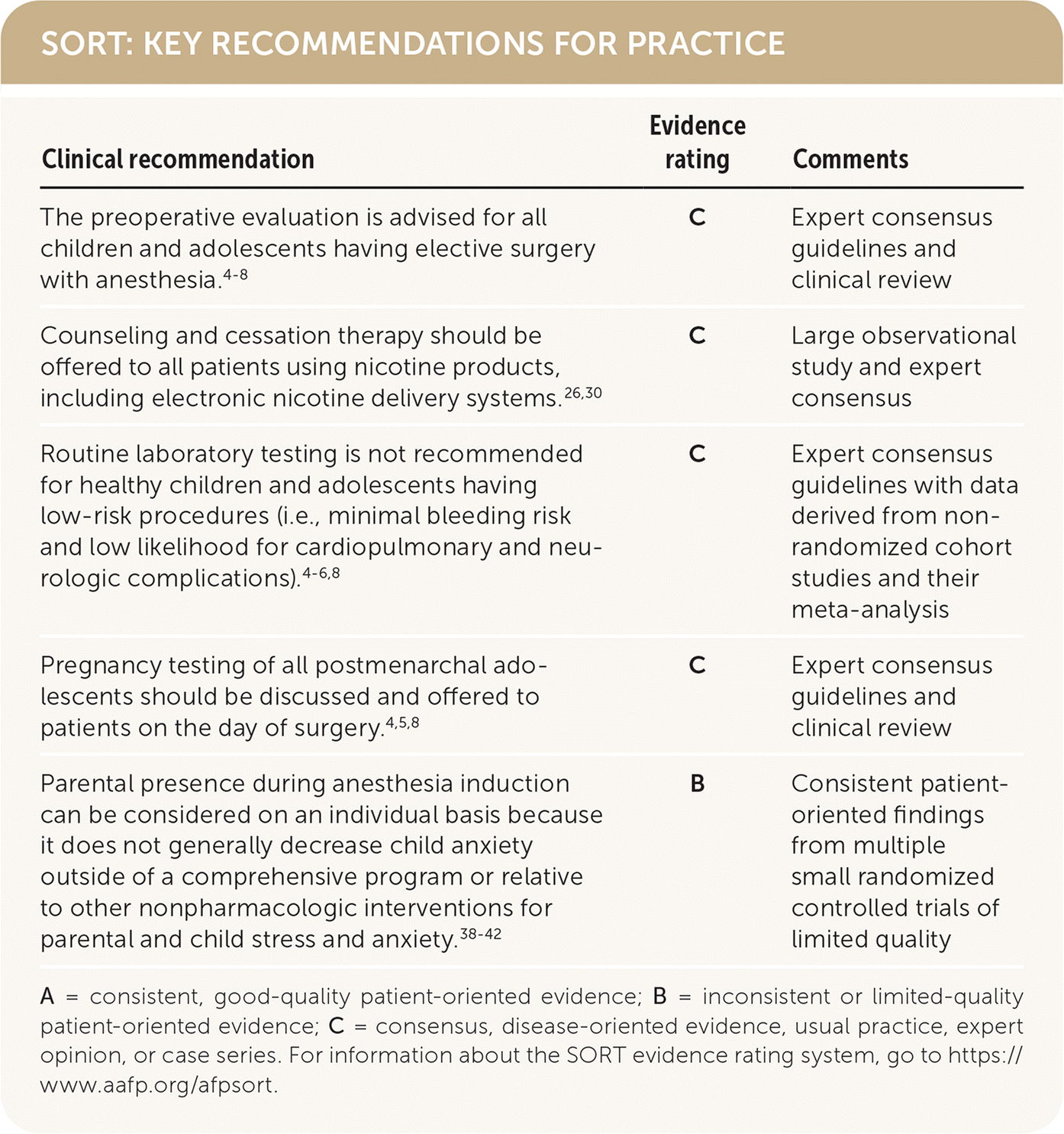
A = consistent, good-quality patient-oriented evidence; B = inconsistent or limited-quality patient-oriented evidence; C = consensus, disease-oriented evidence, usual practice, expert opinion, or case series. For information about the SORT evidence rating system, go to https://www.aafp.org/afpsort.
BEST PRACTICES IN SURGERY
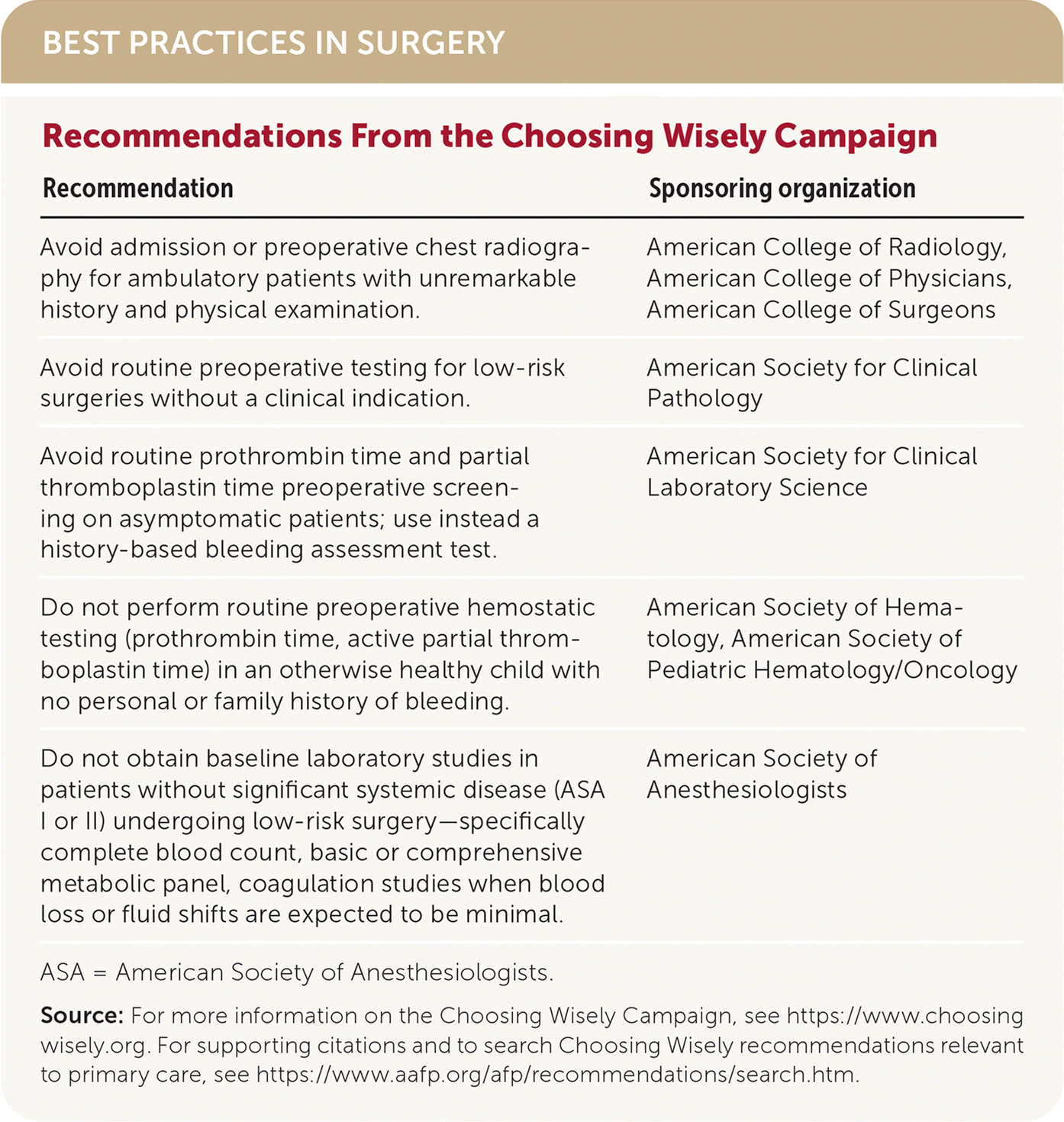
| Recommendation | Sponsoring organization |
|---|---|
| Avoid admission or preoperative chest radiography for ambulatory patients with unremarkable history and physical examination. | American College of Radiology, American College of Physicians, American College of Surgeons |
| Avoid routine preoperative testing for low-risk surgeries without a clinical indication. | American Society for Clinical Pathology |
| Avoid routine prothrombin time and partial thromboplastin time preoperative screening on asymptomatic patients; use instead a history-based bleeding assessment test. | American Society for Clinical Laboratory Science |
| Do not perform routine preoperative hemostatic testing (prothrombin time, active partial thromboplastin time) in an otherwise healthy child with no personal or family history of bleeding. | American Society of Hematology, American Society of Pediatric Hematology/Oncology |
| Do not obtain baseline laboratory studies in patients without significant systemic disease (ASA I or II) undergoing low-risk surgery—specifically complete blood count, basic or comprehensive metabolic panel, coagulation studies when blood loss or fluid shifts are expected to be minimal. | American Society of Anesthesiologists |
ASA = American Society of Anesthesiologists.
Source: For more information on the Choosing Wisely Campaign, see https://www.choosingwisely.org. For supporting citations and to search Choosing Wisely recommendations relevant to primary care, see https://www.aafp.org/afp/recommendations/search.htm.
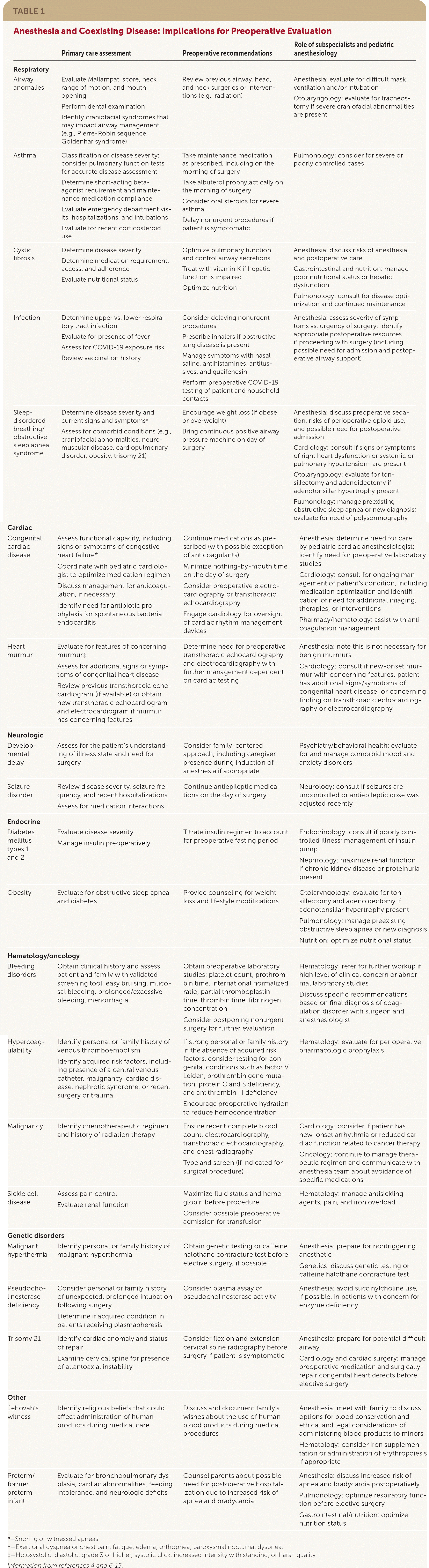
In addition to the surgeon's discussion with the patient and family about indications for surgery, a preoperative evaluation is advised for all children and adolescents having elective surgery with anesthesia to assess medical and psychosocial factors that may affect the timing of surgery and to identify underlying conditions that would benefit from evaluation and management before surgery.4–8Table 1 lists the symptoms and medical conditions that may require further evaluation or subspecialist referral before surgery.4,6–15 Patients whose preventive care is overdue should also be scheduled for a separate follow-up appointment to complete important developmental and psychosocial assessments, and age-appropriate immunizations.16
TABLE 1. Anesthesia and Coexisting Disease: Implications for Preoperative Evaluation
| Primary care assessment | Preoperative recommendations | Role of subspecialists and pediatric anesthesiology | |
|---|---|---|---|
| Respiratory | |||
| Airway anomalies | Evaluate Mallampati score, neck range of motion, and mouth opening Perform dental examination Identify craniofacial syndromes that may impact airway management (e.g., Pierre-Robin sequence, Goldenhar syndrome) | Review previous airway, head, and neck surgeries or interventions (e.g., radiation) | Anesthesia: evaluate for difficult mask ventilation and/or intubation Otolaryngology: evaluate for tracheostomy if severe craniofacial abnormalities are present |
| Asthma | Classification or disease severity: consider pulmonary function tests for accurate disease assessment Determine short-acting beta-agonist requirement and maintenance medication compliance Evaluate emergency department visits, hospitalizations, and intubations Evaluate for recent corticosteroid use | Take maintenance medication as prescribed, including on the morning of surgery Take albuterol prophylactically on the morning of surgery Consider oral steroids for severe asthma Delay nonurgent procedures if patient is symptomatic | Pulmonology: consider for severe or poorly controlled cases |
| Cystic fibrosis | Determine disease severity Determine medication requirement, access, and adherence Evaluate nutritional status | Optimize pulmonary function and control airway secretions Treat with vitamin K if hepatic function is impaired Optimize nutrition | Anesthesia: discuss risks of anesthesia and postoperative care Gastrointestinal and nutrition: manage poor nutritional status or hepatic dysfunction Pulmonology: consult for disease optimization and continued maintenance |
| Infection | Determine upper vs. lower respiratory tract infection Evaluate for presence of fever Assess for COVID-19 exposure risk Review vaccination history | Consider delaying nonurgent procedures Prescribe inhalers if obstructive lung disease is present Manage symptoms with nasal saline, antihistamines, antitussives, and guaifenesin Perform preoperative COVID-19 testing of patient and household contacts | Anesthesia: assess severity of symptoms vs. urgency of surgery; identify appropriate postoperative resources if proceeding with surgery (including possible need for admission and postoperative airway support) |
| Sleep-disordered breathing/obstructive sleep apnea syndrome | Determine disease severity and current signs and symptoms* Assess for comorbid conditions (e.g., craniofacial abnormalities, neuro-muscular disease, cardiopulmonary disorder, obesity, trisomy 21) | Encourage weight loss (if obese or overweight) Bring continuous positive airway pressure machine on day of surgery | Anesthesia: discuss preoperative sedation, risks of perioperative opioid use, and possible need for postoperative admission Cardiology: consult if signs or symptoms of right heart dysfunction or systemic or pulmonary hypertension† are present Otolaryngology: evaluate for tonsillectomy and adenoidectomy if adenotonsillar hypertrophy present Pulmonology: manage preexisting obstructive sleep apnea or new diagnosis; evaluate for need of polysomnography |
| Cardiac | |||
| Congenital cardiac disease | Assess functional capacity, including signs or symptoms of congestive heart failure* Coordinate with pediatric cardiologist to optimize medication regimen Discuss management for anticoagulation, if necessary Identify need for antibiotic prophylaxis for spontaneous bacterial endocarditis | Continue medications as prescribed (with possible exception of anticoagulants) Minimize nothing-by-mouth time on the day of surgery Consider preoperative electrocardiography or transthoracic echocardiography Engage cardiology for oversight of cardiac rhythm management devices | Anesthesia: determine need for care by pediatric cardiac anesthesiologist; identify need for preoperative laboratory studies Cardiology: consult for ongoing management of patient's condition, including medication optimization and identification of need for additional imaging, therapies, or interventions Pharmacy/hematology: assist with anti-coagulation management |
| Heart murmur | Evaluate for features of concerning murmur‡ Assess for additional signs or symptoms of congenital heart disease Review previous transthoracic echocardiogram (if available) or obtain new transthoracic echocardiogram and electrocardiogram if murmur has concerning features | Determine need for preoperative transthoracic echocardiography and electrocardiography with further management dependent on cardiac testing | Anesthesia: note this is not necessary for benign murmurs Cardiology: consult if new-onset murmur with concerning features, patient has additional signs/symptoms of congenital heart disease, or concerning finding on transthoracic echocardiography or electrocardiography |
| Neurologic | |||
| Developmental delay | Assess for the patient's understanding of illness state and need for surgery | Consider family-centered approach, including caregiver presence during induction of anesthesia if appropriate | Psychiatry/behavioral health: evaluate for and manage comorbid mood and anxiety disorders |
| Seizure disorder | Review disease severity, seizure frequency, and recent hospitalizations Assess for medication interactions | Continue antiepileptic medications on the day of surgery | Neurology: consult if seizures are uncontrolled or antiepileptic dose was adjusted recently |
| Endocrine | |||
| Diabetes mellitus types 1 and 2 | Evaluate disease severity Manage insulin preoperatively | Titrate insulin regimen to account for preoperative fasting period | Endocrinology: consult if poorly controlled illness; management of insulin pump Nephrology: maximize renal function if chronic kidney disease or proteinuria present |
| Obesity | Evaluate for obstructive sleep apnea and diabetes | Provide counseling for weight loss and lifestyle modifications | Otolaryngology: evaluate for tonsillectomy and adenoidectomy if adenotonsillar hypertrophy present Pulmonology: manage preexisting obstructive sleep apnea or new diagnosis Nutrition: optimize nutritional status |
| Hematology/oncology | |||
| Bleeding disorders | Obtain clinical history and assess patient and family with validated screening tool: easy bruising, mucosal bleeding, prolonged/excessive bleeding, menorrhagia | Obtain preoperative laboratory studies: platelet count, prothrombin time, international normalized ratio, partial thromboplastin time, thrombin time, fibrinogen concentration Consider postponing nonurgent surgery for further evaluation | Hematology: refer for further workup if high level of clinical concern or abnormal laboratory studies Discuss specific recommendations based on final diagnosis of coagulation disorder with surgeon and anesthesiologist |
| Hypercoagulability | Identify personal or family history of venous thromboembolism Identify acquired risk factors, including presence of a central venous catheter, malignancy, cardiac disease, nephrotic syndrome, or recent surgery or trauma | If strong personal or family history in the absence of acquired risk factors, consider testing for congenital conditions such as factor V Leiden, prothrombin gene mutation, protein C and S deficiency, and antithrombin III deficiency Encourage preoperative hydration to reduce hemoconcentration | Hematology: evaluate for perioperative pharmacologic prophylaxis |
| Malignancy | Identify chemotherapeutic regimen and history of radiation therapy | Ensure recent complete blood count, electrocardiography, transthoracic echocardiography, and chest radiography Type and screen (if indicated for surgical procedure) | Cardiology: consider if patient has new-onset arrhythmia or reduced cardiac function related to cancer therapy Oncology: continue to manage therapeutic regimen and communicate with anesthesia team about avoidance of specific medications |
| Sickle cell disease | Assess pain control Evaluate renal function | Maximize fluid status and hemoglobin before procedure Consider possible preoperative admission for transfusion | Hematology: manage antisickling agents, pain, and iron overload |
| Genetic disorders | |||
| Malignant hyperthermia | Identify personal or family history of malignant hyperthermia | Obtain genetic testing or caffeine halothane contracture test before elective surgery, if possible | Anesthesia: prepare for nontriggering anesthetic Genetics: discuss genetic testing or caffeine halothane contracture test |
| Pseudocholinesterase deficiency | Consider personal or family history of unexpected, prolonged intubation following surgery Determine if acquired condition in patients receiving plasmapheresis | Consider plasma assay of pseudocholinesterase activity | Anesthesia: avoid succinylcholine use, if possible, in patients with concern for enzyme deficiency |
| Trisomy 21 | Identify cardiac anomaly and status of repair Examine cervical spine for presence of atlantoaxial instability | Consider flexion and extension cervical spine radiography before surgery if patient is symptomatic | Anesthesia: prepare for potential difficult airway Cardiology and cardiac surgery: manage preoperative medication and surgically repair congenital heart defects before elective surgery |
| Other | |||
| Jehovah's witness | Identify religious beliefs that could affect administration of human products during medical care | Discuss and document family's wishes about the use of human blood products during medical procedures | Anesthesia: meet with family to discuss options for blood conservation and ethical and legal considerations of administering blood products to minors Hematology: consider iron supplementation or administration of erythropoiesis if appropriate |
| Preterm/former preterm infant | Evaluate for bronchopulmonary dysplasia, cardiac abnormalities, feeding intolerance, and neurologic deficits | Counsel parents about possible need for postoperative hospitalization due to increased risk of apnea and bradycardia | Anesthesia: discuss increased risk of apnea and bradycardia postoperatively Pulmonology: optimize respiratory function before elective surgery Gastrointestinal/nutrition: optimize nutrition status |
*—Snoring or witnessed apneas.
†—Exertional dyspnea or chest pain, fatigue, edema, orthopnea, paroxysmal nocturnal dyspnea.
‡—Holosystolic, diastolic, grade 3 or higher, systolic click, increased intensity with standing, or harsh quality.
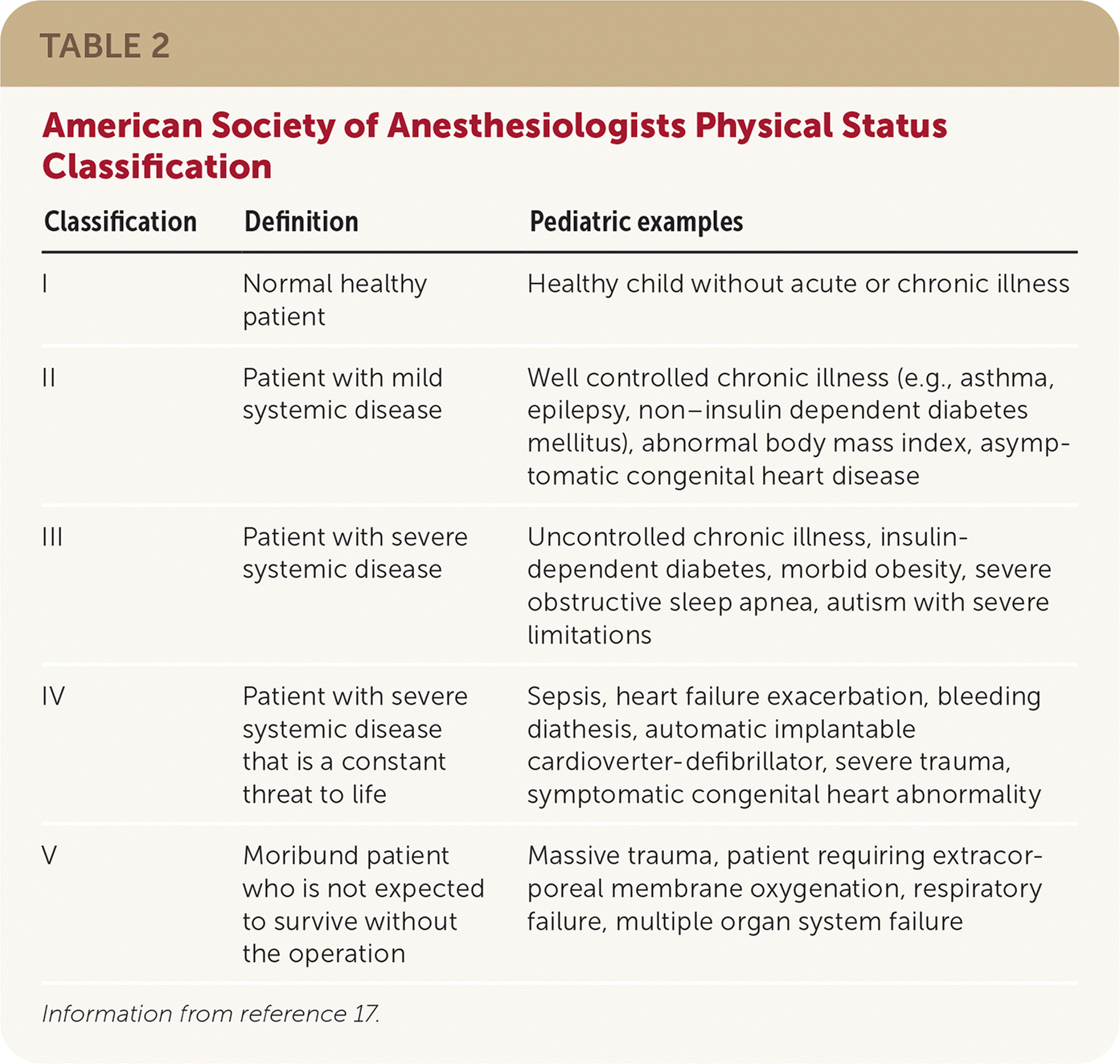
The American Society of Anesthesiologists has established a physical status classification system (ASA-PS; Table 2).17 The ASA-PS can help predict postsurgical complications and mortality.18 Clinicians should use the preoperative evaluation to identify medical problems and optimize patient status before surgery to improve their overall health within a specified ASA-PS classification.
TABLE 2. American Society of Anesthesiologists Physical Status Classification
| Classification | Definition | Pediatric examples |
|---|---|---|
| I | Normal healthy patient | Healthy child without acute or chronic illness |
| II | Patient with mild systemic disease | Well controlled chronic illness (e.g., asthma, epilepsy, non–insulin dependent diabetes mellitus), abnormal body mass index, asymptomatic congenital heart disease |
| III | Patient with severe systemic disease | Uncontrolled chronic illness, insulin-dependent diabetes, morbid obesity, severe obstructive sleep apnea, autism with severe limitations |
| IV | Patient with severe systemic disease that is a constant threat to life | Sepsis, heart failure exacerbation, bleeding diathesis, automatic implantable cardioverter-defibrillator, severe trauma, symptomatic congenital heart abnormality |
| V | Moribund patient who is not expected to survive without the operation | Massive trauma, patient requiring extracorporeal membrane oxygenation, respiratory failure, multiple organ system failure |
Information from reference 17.
Components of the Preoperative Evaluation
MEDICAL HISTORY
The preoperative evaluation should include a medical and birth history review, including prematurity and associated complications. A review of previous complications with surgery or anesthesia should also be completed, particularly those involving respiratory or cardiac events. A family history should focus on anesthesia complications, such as postoperative nausea and vomiting or malignant hyperthermia, and bleeding disorders that can increase the risk of adverse events. Allergies should be identified and documented.
BEHAVIORAL AND SOCIAL HISTORY
Clinicians should review a patient's behavioral and social history and involve caregivers when appropriate. Older children and adolescents should be allowed the confidential space to discuss sexuality, stress, mood symptoms, prior and current trauma or abuse, and substance use. Gaining a comprehensive understanding of the psychosocial dynamics of the patient better informs the operative team and prepares the child and family for the postoperative recovery period, which can be a vulnerable time, particularly after more complex procedures.
MEDICATION REVIEW
A review of all prescription, over-the-counter, and herbal medications should be completed. It may be necessary to communicate with the perioperative team to determine which medications should be taken or not taken on the day of surgery and if any medications need to be held in the preceding days or weeks due to potential interactions with medications commonly used during anesthesia. Table 3 outlines common medications used by children and the respective perioperative considerations.19–25
TABLE 3. Common Childhood Medications and Perioperative Considerations
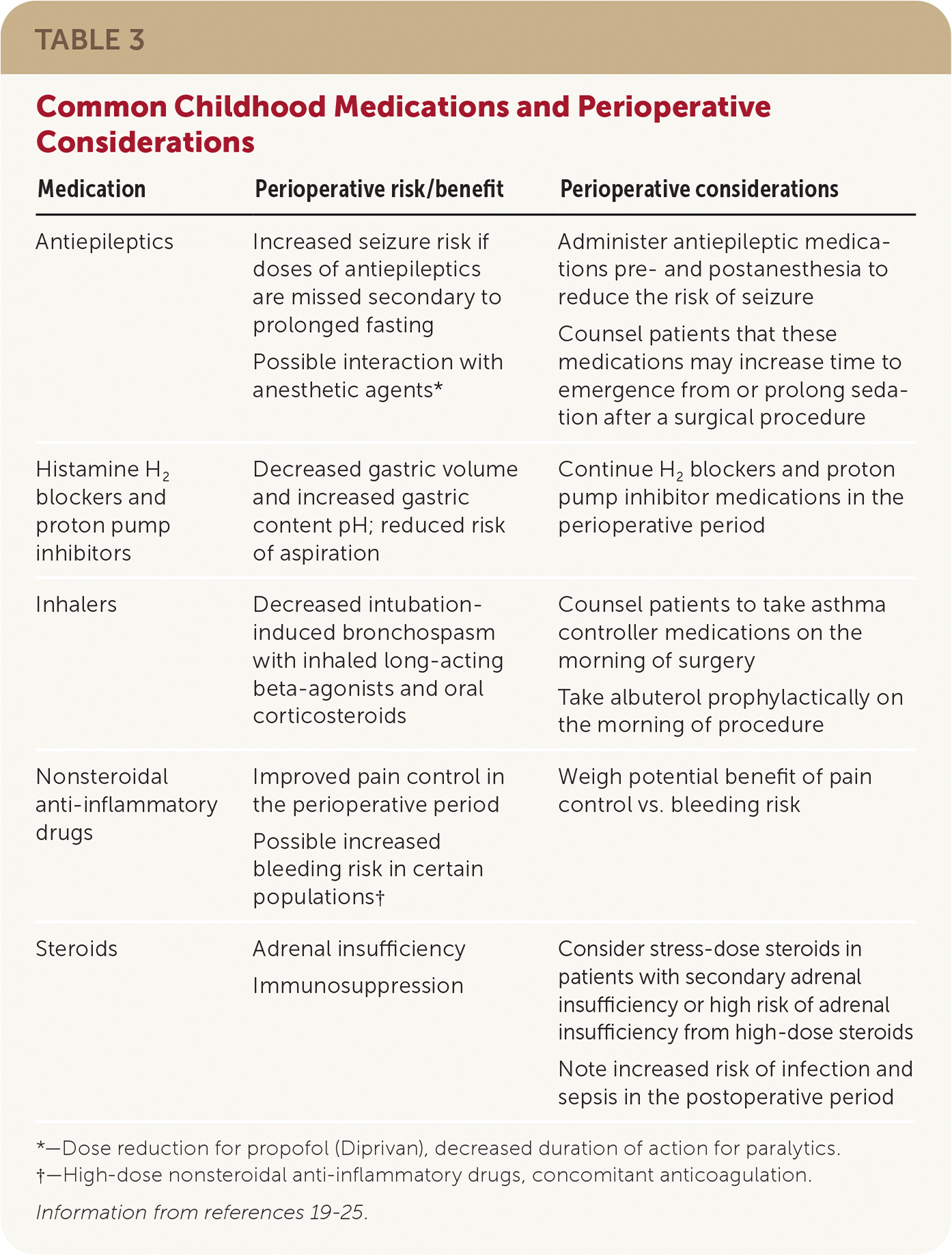
| Medication | Perioperative risk/benefit | Perioperative considerations |
|---|---|---|
| Antiepileptics | Increased seizure risk if doses of antiepileptics are missed secondary to prolonged fasting Possible interaction with anesthetic agents* | Administer antiepileptic medications pre- and postanesthesia to reduce the risk of seizure Counsel patients that these medications may increase time to emergence from or prolong sedation after a surgical procedure |
| Histamine H2 blockers and proton pump inhibitors | Decreased gastric volume and increased gastric content pH; reduced risk of aspiration | Continue H2 blockers and proton pump inhibitor medications in the perioperative period |
| Inhalers | Decreased intubation-induced bronchospasm with inhaled long-acting beta-agonists and oral corticosteroids | Counsel patients to take asthma controller medications on the morning of surgery Take albuterol prophylactically on the morning of procedure |
| Nonsteroidal anti-inflammatory drugs | Improved pain control in the perioperative period Possible increased bleeding risk in certain populations† | Weigh potential benefit of pain control vs. bleeding risk |
| Steroids | Adrenal insufficiency Immunosuppression | Consider stress-dose steroids in patients with secondary adrenal insufficiency or high risk of adrenal insufficiency from high-dose steroids Note increased risk of infection and sepsis in the postoperative period |
*—Dose reduction for propofol (Diprivan), decreased duration of action for paralytics.
†—High-dose nonsteroidal anti-inflammatory drugs, concomitant anticoagulation.
TOBACCO USE HISTORY
The preoperative evaluation should include an assessment for tobacco use with cessation counseling and treatment as needed. Tobacco use, including secondhand exposure, increases the risk of perioperative respiratory events and postoperative events, including 30-day mortality, pneumonia, and re-intubation.26
Electronic smoking devices and electronic nicotine delivery systems have gained popularity among adolescents. The nicotine and volatile organic compounds produced by these devices can cause pathophysiologic changes, including airway hyperreactivity, and contribute to hemodynamic instability.27–29 Clinicians should inquire about these devices when obtaining a tobacco use history. The Society for Perioperative Assessment and Quality Improvement recommends that primary care clinicians counsel and offer cessation therapy to all patients using nicotine products, including electronic nicotine delivery systems in the perioperative period to reduce intra- and postoperative complications.30 The 5A's (Ask, Advise, Assess, Assist, Arrange) model is a recommended approach to tobacco cessation counseling.31
PHYSICAL EXAMINATION
Important aspects of the physical examination include airway, cardiac, respiratory, neurologic, and fluid status evaluation. Airway anomalies should be assessed. Airway complications are more common in patients with craniofacial malformations; trisomy 21; mucopolysaccharidoses; tumors of the head, neck, and mediastinum; musculoskeletal disorders, including ankylosis of the jaw and cervical spine; and history of facial trauma.7 The Mallampati score can assess the risk of difficulty with endotracheal intubation (https://www.mdcalc.com/modified-mallampati-classification).
Predictors of Perioperative Complications
Most patients who experience severe complications, such as perioperative cardiac arrest, typically have severe underlying disease.7,32 Although the likelihood for any individual is low, healthy children and adolescents can also experience critical perioperative events, specifically respirator y distress. Of children who experience such events, 80% are healthy, and 73% are undergoing elective surgery.7,32
There are identifiable factors that increase the risk of perioperative and anesthesia-related complications. They include ASA status, age (higher risk in infants due to risk of airway collapse, apnea, and laryngospasm), emergent nature of the surgery, and underlying conditions.7 An online tool developed by the American College of Surgeons National Surgical Quality Improvement Program (https://riskcalculator.facs.org/peds/about.html) can guide clinicians to provide patients and caregivers with more individualized information about the predicted risk across nine outcome measures within 30 days following surgery.33
Preoperative Testing
ROUTINE TESTING
Routine laboratory testing is not recommended for healthy children and adolescents having low-risk procedures (i.e., minimal bleeding risk and a low likelihood of cardiopulmonary and neurologic complications).4–6,8 Patients with underlying conditions (e.g., heart murmur, bronchopulmonary dysplasia) may benefit from targeted laboratory and imaging studies to assess clinical stability and establish a baseline.4 In addition, some U.S. surgical centers have policies that require A1C testing for all infants or former preterm infants, for patients with hemoglobinopathies or risk factors for hemoglobinopathies based on ethnicity, and for surgeries in which clinically significant blood loss is expected.4,8,33
At the time of publication of this article, expert guidance suggests universal preoperative SARS-CoV-2 testing, regardless of symptoms, and postponement of elective surgery if the result is positive to enhance patient outcomes and hospital staff safety.34
PREGNANCY TESTING
Pregnancy testing of all postmenarchal adolescents should be discussed and offered on the day of surgery.4,5,8 This provides an opportunity to avoid the use of potentially teratogenic medications and procedures in patients with unknown pregnancy status or an unclear history of the most recent menstrual period. The incidence of a positive pregnancy test, particularly in adolescents 15 years and older, ranges from 0.5% to 2.4% in the preoperative period, regardless of the patient's history.8 Institutional policies can assist clinicians in communicating and normalizing to patients and families that a pregnancy test is advisable for safety reasons.4,5,8
CARDIAC TESTING
Expert consensus recommends a selective approach to electrocardiography (ECG), with no benefit to routine testing in healthy children and adolescents.4,5,8 ECG, possibly followed by an echocardiogram and pediatric cardiology consultation, should be considered in patients with a heart murmur of uncertain etiology, failure to thrive, recurrent upper respiratory infections, exercise intolerance, history concerning for congenital heart disease, obstructive sleep apnea, severe scoliosis, bronchopulmonary dysplasia, or neuromuscular disease.4,5,8 These findings may indicate an intracardiac shunt or obstructive cardiac lesions. Clinicians should look for right axis deviation, chamber hypertrophy, and atrio- or intraventricular conduction defects. Some international experts recommend routine ECG for all infants younger than six months because of the perioperative risks of undiagnosed long QT syndrome.5Table 1 includes preoperative recommendations for patients with cardiac concerns.4,6–15
CHEST RADIOGRAPHY
Routine chest radiography is not recommended for healthy patients whose baseline oxygen saturation is 95% or greater because the risk of clinically significant cardiopulmonary disease is minimal.5,8,35 Chest radiography should be considered in patients with severe asthma, history of bronchopulmonary dysplasia, cervical lymph node biopsies for suspected lymphoma to evaluate for mediastinal disease, neuromuscular disease, cardiac disease, and history and examination findings that indicate a mediastinal mass or active lung disease, including pneumonia.5,8
COAGULATION STUDIES
Routine coagulation laboratory screening is unreliable due to low sensitivity and specificity and low predictive value.5 Many underlying coagulopathies are not detected using prothrombin time and activated partial thromboplastin time, and most patients with abnormal coagulation tests do not reliably experience perioperative bleeding complications.5,8
Clinicians should consider using validated screening instruments such as the HEMSTOP (Hematoma, hEmorrhage, Menorrhagia, Surgery, Tooth extraction, Obstetrics, Parents) questionnaire (Table 4).36 Based on a limited patient sample, a score of 2 or greater on the HEMSTOP provided a sensitivity of 89.5% and specificity of 98.6%, and a negative predictive value that is superior to the activated partial thromboplastin time for detecting clinically significant bleeding disorders before surgery.5,8,36
TABLE 4. HEMSTOP Preoperative Hemostatic Assessment Questionnaire
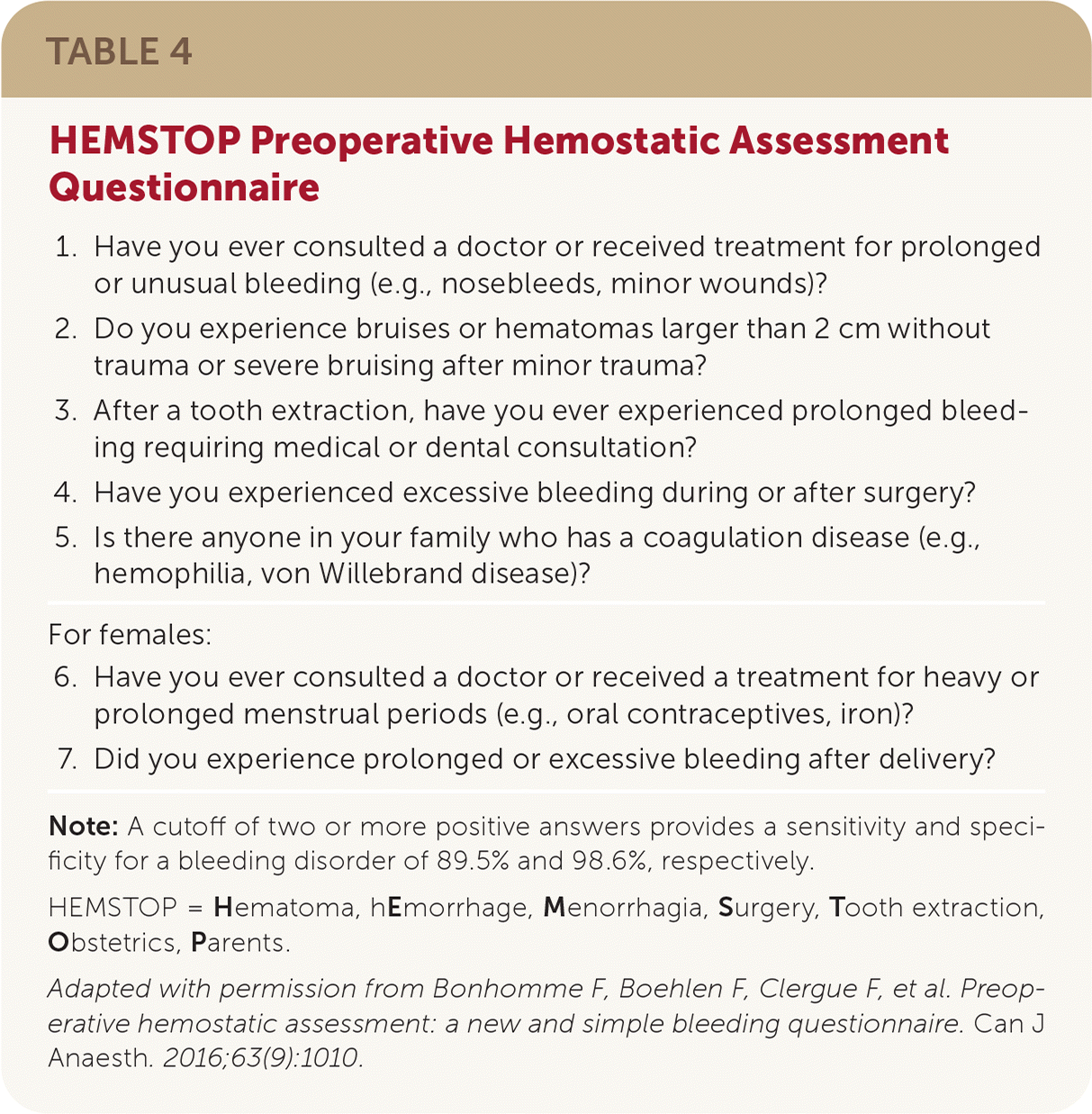
| 1. Have you ever consulted a doctor or received treatment for prolonged or unusual bleeding (e.g., nosebleeds, minor wounds)? 2. Do you experience bruises or hematomas larger than 2 cm without trauma or severe bruising after minor trauma? 3. After a tooth extraction, have you ever experienced prolonged bleeding requiring medical or dental consultation? 4. Have you experienced excessive bleeding during or after surgery? 5. Is there anyone in your family who has a coagulation disease (e.g., hemophilia, von Willebrand disease)? For females: 6. Have you ever consulted a doctor or received a treatment for heavy or prolonged menstrual periods (e.g., oral contraceptives, iron)? 7. Did you experience prolonged or excessive bleeding after delivery? |
Note: A cutoff of two or more positive answers provides a sensitivity and specificity for a bleeding disorder of 89.5% and 98.6%, respectively.
HEMSTOP = Hematoma, hEmorrhage, Menorrhagia, Surgery, Tooth extraction, Obstetrics, Parents.
Adapted with permission from Bonhomme F, Boehlen F, Clergue F, et al. Preoperative hemostatic assessment: a new and simple bleeding questionnaire. Can J Anaesth. 2016;63(9):1010.
The International Society on Thrombosis and Haemostasis Bleeding Assessment Tool offers more robust validation in children, but it may not be practical in routine clinical settings because of its length (https://bleedingscore.certe.nl).37 However, clinicians should consider this tool as a follow-up to HEMSTOP if a patient screens positive.
Preoperative Counseling for Patients and Caregivers
ANESTHESIA COUNSELING
The perioperative period can be stressful for caregivers and patients. Parents are generally more concerned about the risks of anesthesia than those of surgery.10 Although a comprehensive discussion of the risks and benefits of anesthesia is generally outside the scope of primary care, initiating preoperative counseling can reduce misconceptions and allay anxieties to improve patients' and caregivers' experience on the day of surgery. Clinicians performing the preoperative assessment can discuss common minor complications of anesthesia, including sore throat, nausea, vomiting, and oral trauma. Serious complications, such as laryngospasm, bronchospasm, hypoxemia, and drug reactions, can be mentioned during the preoperative assessment and discussed again by the pediatric anesthesiologist on the day of surgery.6 Providing easy-to-understand written information to adolescents and caregivers addressing common concerns about duration and recovery from anesthesia and postoperative management may also be beneficial.38
PSYCHOSOCIAL PREPARATION
One family-centered psychosocial preparation approach that integrates knowledge from anesthesia and psychology is the ADVANCE (Anxiety-reduction, Distraction, Video modeling and education, Adding parents, No excessive reassurance, Coaching, and Exposure/shaping) behavioral preparation program (Table 5).39 Patient and parental anxiety are reduced with the combination of educational pamphlets, videos, coaching provided to parents the week before surgery, and parental presence during induction of anesthesia in the operating room.39
TABLE 5. ADVANCE Family-Centered Interventions for Surgery Preparation
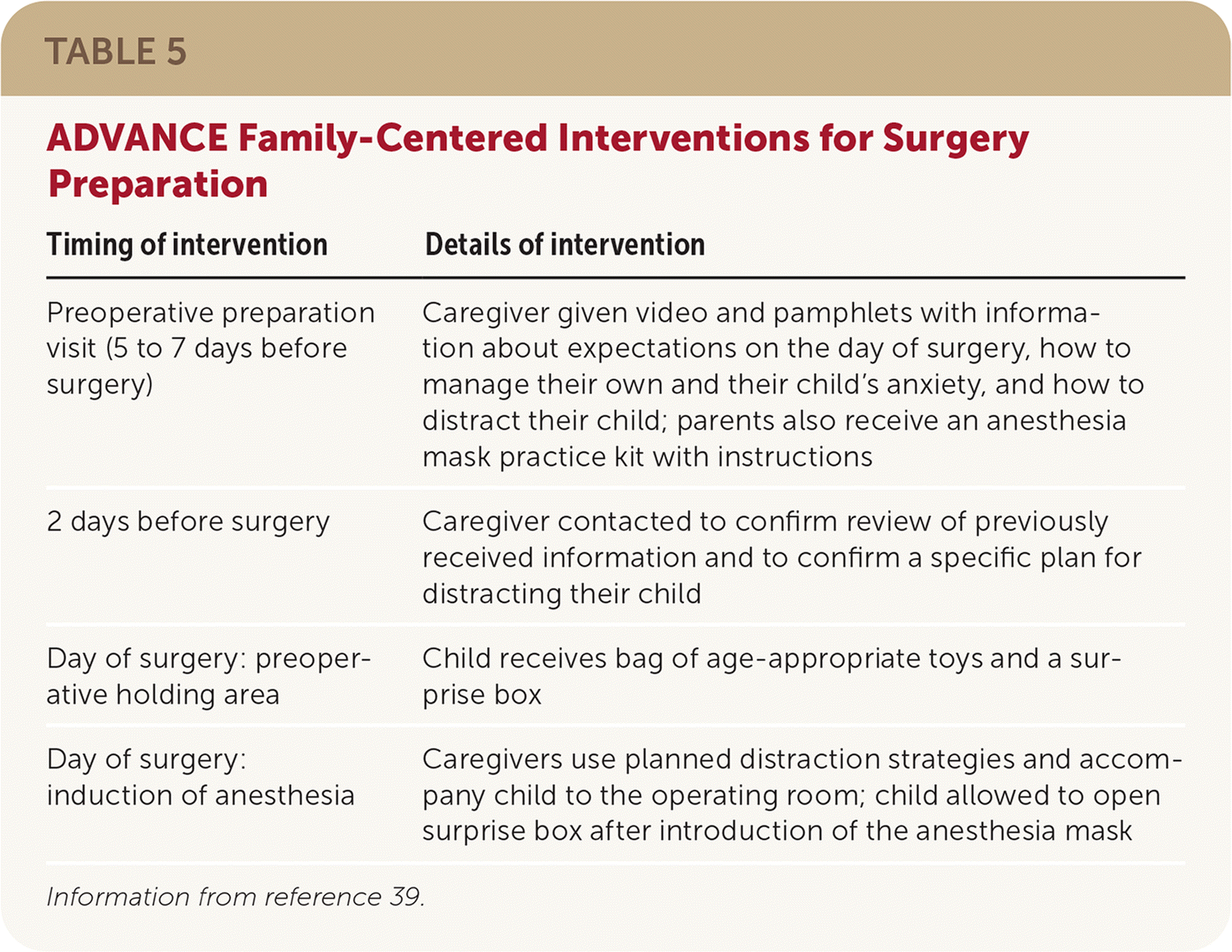
| Timing of intervention | Details of intervention |
|---|---|
| Preoperative preparation visit (5 to 7 days before surgery) | Caregiver given video and pamphlets with information about expectations on the day of surgery, how to manage their own and their child's anxiety, and how to distract their child; parents also receive an anesthesia mask practice kit with instructions |
| 2 days before surgery | Caregiver contacted to confirm review of previously received information and to confirm a specific plan for distracting their child |
| Day of surgery: preoperative holding area | Child receives bag of age-appropriate toys and a surprise box |
| Day of surgery: induction of anesthesia | Caregivers use planned distraction strategies and accompany child to the operating room; child allowed to open surprise box after introduction of the anesthesia mask |
Information from reference 39.
Although incorporating a comprehensive program such as ADVANCE may be logistically challenging, evidence suggests that even small interventions, such as exposing the child to the anesthesia mask before the day of surgery, can effectively reduce preoperative anxiety.40
Interventions that may be offered to reduce anxiety on the day of surgery in select cases can include parental presence during induction of anesthesia or administration of pre-operative sedation such as midazolam. Although parental presence during induction of anesthesia may reduce anxiety for some patients or as part of a comprehensive program such as ADVANCE, evidence shows that parental presence during induction of anesthesia alone does not generally reduce child anxiety relative to other nonpharmacologic interventions for parental and child stress and anxiety,41,42 such as handheld video games, clown doctors, low sensory stimulation, hypnotherapy, and parental acupuncture.42
During the COVID-19 pandemic, many institutions have eliminated parental presence during induction of anesthesia because of visitor restriction policies. Clinicians should become familiar with options available at their institutions to help manage expectations and guide families to articulate questions and concerns for the perioperative team related to their unique situations.
Children and adolescents with developmental delay, post-traumatic stress disorder, or severe anxiety likely require behavioral and stress-reduction strategies to facilitate all stages of the perioperative experience.4,10 Individualized plans and the involvement of child-life specialists (experts certified in coping with illness and hospitalization) are beneficial.43,44 An evaluation by the primary care clinician to determine the level of developmental delay and identify anxiety triggers can be useful for the perioperative team.
PREOPERATIVE FASTING
Preoperative fasting is important to minimize the risk of pulmonary aspiration and should be emphasized to patients and caregivers. Table 6 summarizes the ASA guidelines for fasting before administration of anesthesia.45
TABLE 6. American Society of Anesthesiologists Guidelines for Preoperative Fasting
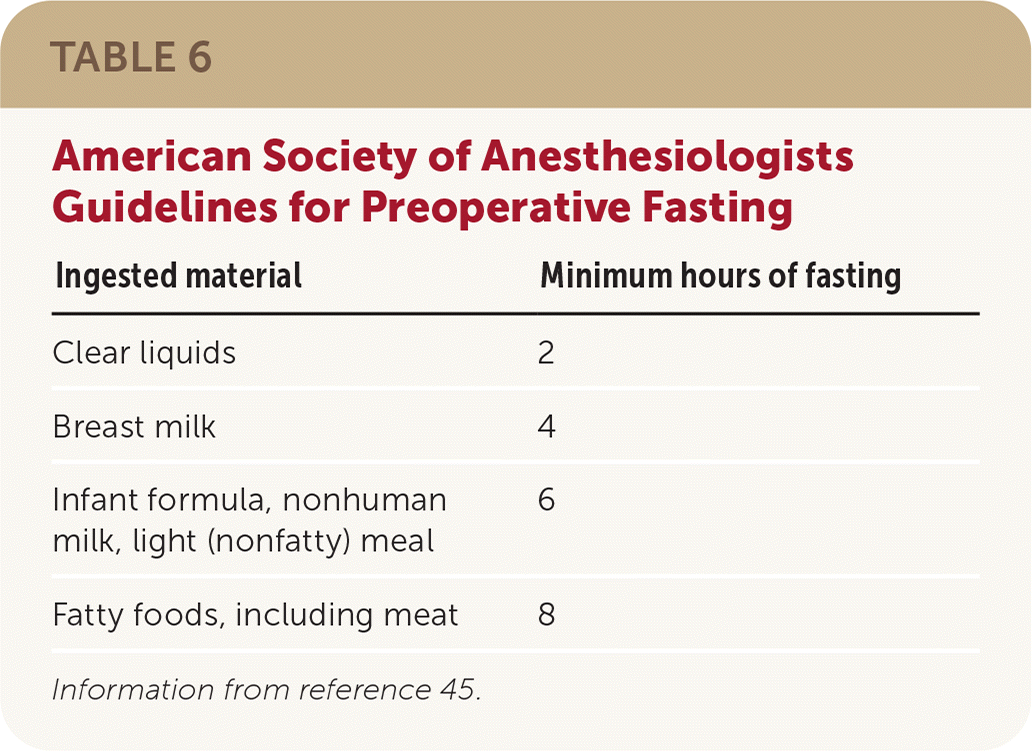
| Ingested material | Minimum hours of fasting |
|---|---|
| Clear liquids | 2 |
| Breast milk | 4 |
| Infant formula, nonhuman milk, light (nonfatty) meal | 6 |
| Fatty foods, including meat | 8 |
Information from reference 45.
Many institutions are moving to liberalize fluid intake, allowing healthy patients to have clear liquids up to one hour before surgery.8,35,45 Pulmonary aspiration is a rare event in children, and allowing clear liquids closer to the time of surgery can have physiologic and psychosocial benefits.45,46 Fasting instructions may vary based on the surgical procedure, such as bowel preparation for colonoscopies. Clinicians are encouraged to address any confusion the caregivers and child may have with the surgical team.
Data Sources: A PubMed search was completed in the Cochrane Database of Systematic Reviews, the National Guideline Clearinghouse, and the Agency for Healthcare Research and Quality using the key words pediatric preoperative care, pediatric preoperative evaluation, pediatric perioperative risk, pediatric anesthesia, postoperative pain relief in children, pediatric preoperative risk, pediatric surgery risk, fasting and pediatric anesthesia, pediatric preoperative anxiety. Results were filtered by the English language and were selected for relevance. Search dates: June 2020 to June 2021.
