

Chronic Low Back Pain in Adults: Evaluation and Management

Donald Clinton Maharty, DO
Shaun C. Hines, DO
Regina Bray Brown, MD

American Family Physician. 2024;109(3):233-244.

Author disclosure: No relevant financial relationships.

Chronic low back pain, defined as lumbar pain persisting for 12 weeks or more, occurs in about 13% of U.S. adults. Patients with chronic low back pain should have a history and physical examination to identify red flags that may indicate serious conditions that warrant immediate intervention or yellow flags (i.e., psychological, environmental, and social factors) that indicate risk of disability. The examination should include an evaluation for radicular symptoms. Routine imaging is not recommended but is indicated when red flags are present, there is a neuromuscular deficit, or if pain does not resolve with conservative therapy. Patients should avoid bed rest. Nonpharmacologic treatment is first-line management and may include therapies with varying evidence of support, such as counseling, exercise therapy, spinal manipulation, massage, heat, dry needling, acupuncture, transcutaneous electrical nerve stimulation, and physical therapy. Pharmacologic interventions are second-line treatment. Nonsteroidal anti-inflammatory drugs are the initial medication of choice; duloxetine may also be beneficial. Evidence is inconclusive to recommend the use of benzodiazepines, muscle relaxants, antidepressants, corticosteroids, insomnia agents, anticonvulsants, cannabis, acetaminophen, or long-term opioids. Epidural corticosteroid injections are not recommended except for short-term symptom relief in patients with radicular pain. Most patients with chronic low back pain will not require surgery; evaluation for surgery may be considered in those with persistent functional disabilities and pain from progressive spinal stenosis, worsening spondylolisthesis, or herniated disk. Physicians should consider prevention of chronic low back pain when patients present with acute back pain. Screening tools are available to predict the progression from acute to chronic low back pain, and targeted treatment strategies are beneficial for preventing progression.

Low back pain is a common reason for adults to visit their physician. Based on a systematic review of 165 studies from 54 countries, the lifetime prevalence of low back pain is approximately 40%.1 Globally, low back pain is the most prevalent and disabling condition that benefits from rehabilitation and is the highest generator of health care expenditure and disability.24

SORT: KEY RECOMMENDATIONS FOR PRACTICE
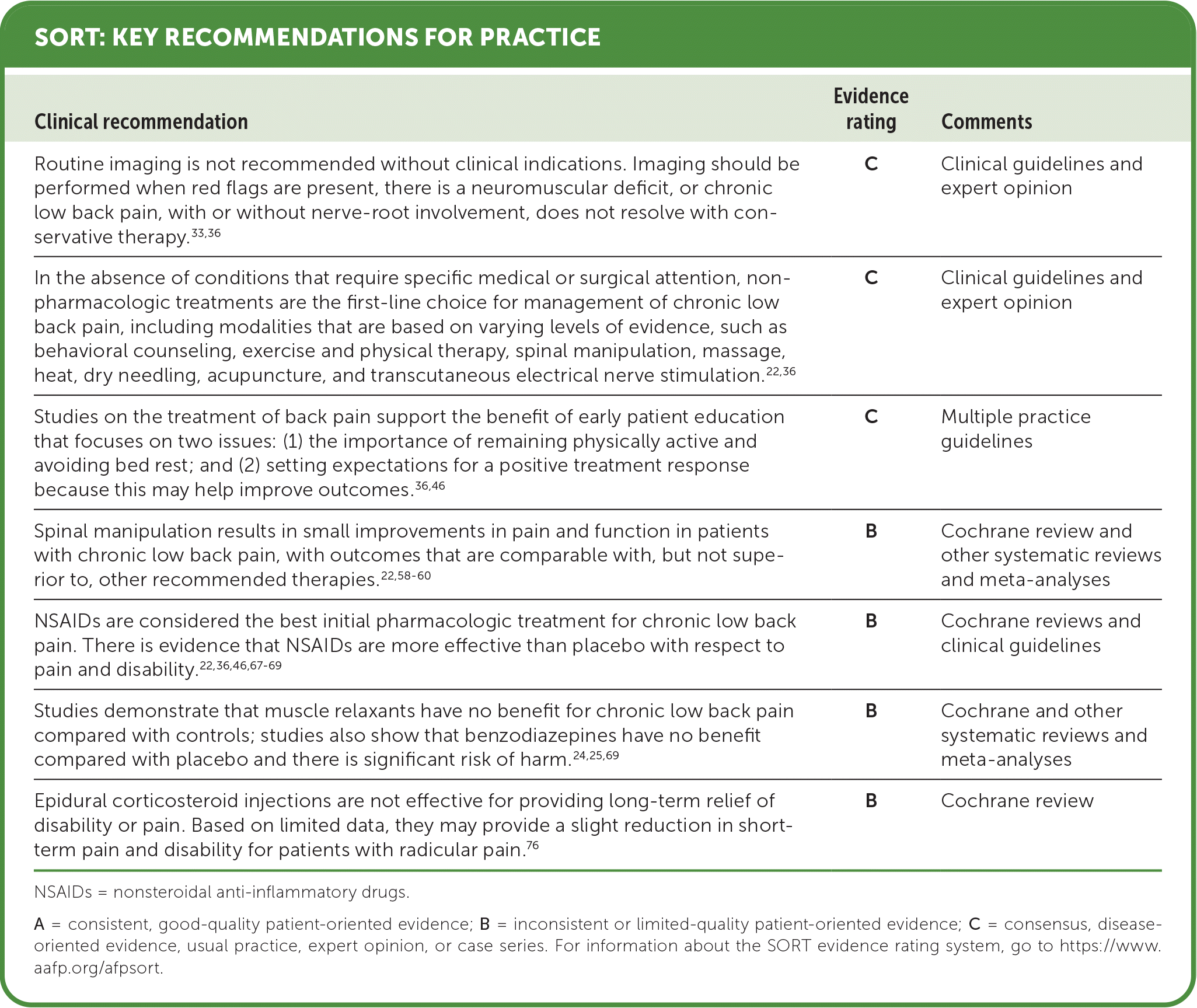
Clinical recommendation Evidence rating Comments
Routine imaging is not recommended without clinical indications. Imaging should be performed when red flags are present, there is a neuromuscular deficit, or chronic low back pain, with or without nerve-root involvement, does not resolve with conservative therapy.33,36 C Clinical guidelines and expert opinion
In the absence of conditions that require specific medical or surgical attention, non-pharmacologic treatments are the first-line choice for management of chronic low back pain, including modalities that are based on varying levels of evidence, such as behavioral counseling, exercise and physical therapy, spinal manipulation, massage, heat, dry needling, acupuncture, and transcutaneous electrical nerve stimulation.22,36 C Clinical guidelines and expert opinion
Studies on the treatment of back pain support the benefit of early patient education that focuses on two issues: (1) the importance of remaining physically active and avoiding bed rest; and (2) setting expectations for a positive treatment response because this may help improve outcomes.36,46 C Multiple practice guidelines
Spinal manipulation results in small improvements in pain and function in patients with chronic low back pain, with outcomes that are comparable with, but not superior to, other recommended therapies.22,5860 B Cochrane review and other systematic reviews and meta-analyses
NSAIDs are considered the best initial pharmacologic treatment for chronic low back pain. There is evidence that NSAIDs are more effective than placebo with respect to pain and disability.22,36,46,6769 B Cochrane reviews and clinical guidelines
Studies demonstrate that muscle relaxants have no benefit for chronic low back pain compared with controls; studies also show that benzodiazepines have no benefit compared with placebo and there is significant risk of harm.24,25,69 B Cochrane and other systematic reviews and meta-analyses
Epidural corticosteroid injections are not effective for providing long-term relief of disability or pain. Based on limited data, they may provide a slight reduction in short-term pain and disability for patients with radicular pain.76 B Cochrane review

NSAIDs = nonsteroidal anti-inflammatory drugs.

A = consistent, good-quality patient-oriented evidence; B = inconsistent or limited-quality patient-oriented evidence; C = consensus, disease-oriented evidence, usual practice, expert opinion, or case series. For information about the SORT evidence rating system, go to https://www.aafp.org/afpsort.

Approximately 70% to 90% of lower back pain is self-limited and will improve in six weeks to six months regardless of treatment.5,6 Patients who are consistently symptomatic at four weeks are more likely to develop chronic low back pain.5 In the United States, 13% of adults have chronic low back pain, and 30% of those patients experience significant disability and pain that affects quality of life.7

Chronic low back pain is defined as persistent lumbar pain for 12 weeks or more, with or without sciatica.8 It can be classified as mechanical, radicular (neuropathic), or idiopathic/nonspecific. The most common cause of chronic low back pain is idiopathic/nonspecific, accounting for 70% of cases.9 Because there is a wide range of causes, physicians should be aware of new, acute conditions that can exacerbate ongoing chronic low back pain.10 Table 1 shows the differential diagnosis, red flags, and evaluation of chronic low back pain.9,1121

TABLE 1. Differential Diagnosis, Red Flags, and Evaluation of Chronic Low Back Pain

Condition Risk factors Symptoms11 Red flags1214 Physical examination findings Suggested evaluation
Mechanical          
Lumbar strain or sprain Abrupt movement
Strenuous activity
Axial low back pain
Occasional referral of pain
Muscle guarding
No focal neurologic findings
Paraspinal muscle spasm
Reduced range of motion
Not routinely needed
Chronic fracture History of osteoporosis
Older age
Younger patients at risk of stress fracture (overuse)
Low back pain with or without upper leg pain Chronic use of corticosteroids
Older age
Recent fall
Midline tenderness
No focal neurologic findings
Lumbosacral plain radiography
For inconclusive results, advanced imaging may be indicated
Facet joint Osteoarthritis
Spondylolisthesis
Axial low back pain
Referred pain to hip or upper leg is common
Paraspinal tenderness
Reduced range of motion
No focal neurologic findings
Not routinely needed
Disk disruption Older age
Repetitive injury
Low back pain or leg pain
Pain worse with sitting
Midline tenderness
Reduced range of motion
No focal neurologic findings
Not routinely needed
Spondylolysis15 Adolescent age
Younger athletes
Low back pain exacerbated by repetitive motion usually related to sporting activities Limited lumbar range of motion
Pain with hyperextension
Lumbosacral plain radiography
Plain CT
Neoplasia Age > 50 years
History of cancer
Multiple risk factors present
Unexplained weight loss History of cancer
Unexplained weight loss
Midline tenderness MRI*
Lumbosacral plain radiography
CBC, ESR, and CRP levels
Radicular          
Spinal stenosis16 Congenital
Degenerative spondylolisthesis
Disk bulging
Facet joint hypertrophy
Older age
Back pain with radicular symptoms or sciatica
Lower extremity paresthesia
Pain exacerbated by lumbar extension
Neurogenic claudication (i.e., intermittent lower extremity pain due to nerve impingement)17 Neurologic findings depending on nerve root involvement
Pain relief with bending or sitting
Wide-based gait
Not routinely needed
MRI if neurologic deficits are severe or progressing*
Herniated disk Frequency peaks at 30 to 50 years of age
Heavy lifting
Trauma
Back pain with radicular symptoms or sciatica
Lower extremity paresthesia
Dermatomal pain location
Crossed straight-leg raising test Ipsilateral straight leg–raising test
Neurologic findings depending on nerve root involvement
Not routinely needed
MRI if neurologic deficits are severe or progressing*
Cauda equina syndrome or conus medullaris syndrome1820 Intraspinal lesion (variety of causes) Low back pain with pain radiating down one or both legs
Neurologic deficits present as weakness of plantar flexion (S1 and S2) and bladder and rectal sphincter involvement (S3 though S5)
Sensory deficit over buttocks, perineum, and upper posterior thigh
Acute onset urinary retention
Loss of anal tone
Saddle anesthesia
Severe or progressive lower extremity neurologic deficits
Urinary or fecal incontinence
Decreased lower extremity strength and reflexes
Decreased rectal tone and anal sphincter contraction
Emergent MRI
Idiopathic/nonspecific          
Infection Immunosuppression Back pain with fever Fever or intravenous drug use Midline tenderness MRI*
CBC, ESR, and CRP levels
Inflammatory low back pain Human leukocyte antigen B27 [corrected] Alternating buttock pain
Improvement with exercise
Morning stiffness
Younger age
Awakening due to low back pain Restriction of spinal mobility in advanced disease Radiography of pelvis, sacroiliac joint, and spine area of interest

Note: Overlap exists between mechanical, radicular, and idiopathic/nonspecific causes, and co-occurrence is common.

CBC = complete blood count; CRP = C-reactive protein; CT = computed tomography; ESR = erythrocyte sedimentation rate; MRI = magnetic resonance imaging.

*—MRI should be performed, with or without contrast media, unless it is contraindicated (e.g., renal insufficiency).

†—MRI should be performed unless it is contraindicated (e.g., patients with pacemakers), otherwise, perform CT or CT myelography.

Information from references 9, and 1121.

An algorithm outlining the general approach to the treatment of chronic low back pain is shown in Figure 1.5,7,2226 Key management recommendations from professional organizations are listed in Table 2.

FIGURE 1.

Suggested approach to the treatment of chronic low back pain.

Information from references 5, 7, and 22-26.

TABLE 2. Professional Organization Recommendations for Managing Chronic Low Back Pain

OrganizationRecommendation
American Academy of Family PhysiciansDo not perform imaging for low back pain in the first six weeks unless red flags are present.
American Academy of Orthopedic SurgeonsAvoid routine use of opioids for lower back pain.
American College of PhysiciansDo not obtain imaging studies in patients with nonspecific low back pain.
North American Spine SocietyDo not use electromyography and nerve conduction studies to determine the cause of axial lumbar, thoracic, or cervical spine pain.
Do not recommend bed rest for low back pain; patients should remain as active as possible and be encouraged to find positions of comfort and engage in activities that do not worsen symptoms during an acute episode.
Do not prescribe opioids for acute or chronic low back pain before a comprehensive evaluation, consideration of a trial of alternative medications and treatments, and discussion of the risks of opioid therapy.

Source: For supporting citations and to search Choosing Wisely recommendations relevant to primary care, see https://www.aafp.org/afp/recommendations/search.htm.

Evaluation

The clinical evaluation of a patient with chronic low back pain should include a history and physical examination to identify potential red flags that may require immediate intervention. Psychological, environmental, and social risk factors for disability are referred to as yellow flags.27 Table 3 outlines red and yellow flags associated with chronic low back pain.11,27 Patients with more intense pain, obesity, depression, poor coping skills, or anxiety, and those who smoke or perform high-intensity physical labor are at a higher risk of developing chronic low back pain. Regular physical exercise is a protective factor.28

TABLE 3. Red and Yellow Flags Associated With Chronic Low Back Pain

Red flags (TUNA FISH mnemonic)
Trauma
Unexplained weight loss
Neurologic findings
Age > 50 years
Fever
Intravenous drug use
Steroid use
History of cancer
Yellow flags
Belief that pain and activity are harmful
Compensation claims and prolonged sick leave
Depressed mood and social withdrawal
Exaggerated illness response
Lack of support
Overprotective family

Information from references 11 and 27.

PHYSICAL EXAMINATION

The physical examination should include a focused neuro-muscular examination, including reflexes, muscle strength, and sensation. Strength should be evaluated with active knee extension (which is dependent on nerve root L4), and walking on the heels (nerve root L5) and toes (nerve root S1) should be observed.11

Radicular symptoms should be evaluated using the maneuvers listed in Table 4.5 Testing should include the ipsilateral straight leg–raising test and crossed straight-leg raising test. For disk herniation that involves the L5-S1 nerve root, the ipsilateral straight leg–raising test is 92% sensitive and 28% specific, and the crossed straight-leg raising test is 28% sensitive and 90% specific.2931

TABLE 4. Physical Examination Maneuvers and Findings That Suggest Radiculopathy

Straight leg raise test: Passive lifting of the affected leg by the examiner to an angle less than 60 degrees reproduces pain radiating distally to the knee
Crossed straight leg raise test: Passive lifting of the unaffected leg reproduces pain in the affected (opposite) leg
Diminished or absent patellar (L4 or L5 nerve root) or Achilles (S1 nerve root) reflex
Weakness of knee extension and ankle dorsiflexion (L4 nerve root), hallux extension and ankle plantar flexion (L5 nerve root), or ankle plantar flexion (S1 nerve root)
Sensory deficits in medial leg or foot (L4 nerve root), lateral leg or foot (L5 nerve root), or lateral side of foot (S1 nerve root)

Reprinted with permission from Chou R. Low back pain. Ann Intern Med. 2021;174(8):ITC117.

LABORATORY TESTS

Laboratory assessment is not routinely needed in chronic low back pain. If a serious condition is suspected, such as cancer, infection, or an inflammatory disorder, physicians should consider obtaining a complete blood count, erythrocyte sedimentation rate, C-reactive protein levels, comprehensive metabolic panel, or other laboratory tests as clinically indicated.5,32

IMAGING

Routine imaging is not recommended in chronic low back pain without clinical indications because systematic reviews have demonstrated inconsistent findings between abnormal imaging and symptomatology.3335 Imaging should be obtained when chronic low back pain, with or without nerve root involvement, does not resolve with conservative therapy, red flags are present, or there is neuromuscular deficit.36

Physicians should be cautious about the language they use when sharing imaging results with patients because technical or catastrophizing language may result in patients experiencing more pain, less self-efficacy, and poorer function. Patients who are informed that their results are normal, with age-related findings, tend to respond better to treatment and have less pain, improved self-efficacy, and higher function.37

ELECTROMYOGRAPHY

Electromyography can be considered in patients with chronic lower extremity symptoms to evaluate for myelopathy, radiculopathy, neuropathy, and myopathy.5 However, the use of electromyography in the absence of any detectable neuromuscular deficit (e.g., radicular pain, muscle weakness, sensory loss, muscle atrophy) has low-yield value and usually has normal results.38

Nonpharmacologic Treatment

In the absence of conditions that require specific medical or surgical attention, nonpharmacologic treatments are the first-line choice for management of chronic low back pain22,36 (Table 522,3945 ). The goal of these treatments is to relieve pain and improve function and quality of life.

TABLE 5. Nonpharmacologic Treatment of Chronic Low Back Pain

InterventionContraindicationsFrequency
Educational22,39 (e.g., cognitive behavior therapy, mindfulness-based stress reduction)Two to four times per month for six months
Exercise40 (e.g., aerobic, aquatic, Pilates, strength training, structured walking program, tai chi)Acute congestive heart failure
Recent myocardial infarction or complete heart block
Unstable angina
Uncontrolled hypertension
Once per day
Manual therapies41,42 (e.g., osteopathic manipulative therapies, including high-velocity low-amplitude techniques for spinal manipulation)Acute whiplash
Cauda equina syndrome
Fractures
Fused spinal joints
Herniated disk
Joint instability
Metastasis to the bone
Osteoporosis
Osteomyelitis
Postsurgical
Pregnancy
Severe rheumatoid arthritis
Vertebral artery ischemia
One or two times per month or as needed
Lumbar supports43 Cardiopulmonary restrictions
Pregnancy
Rash in the covered area
Once per day or until pain improves
Electrical nerve stimulation44 (e.g., percutaneous nerve stimulation, transcutaneous electrical nerve stimulation)Deep venous thrombosis
Epilepsy
Hemorrhagic conditions
Osteomyelitis
Pregnancy
Pacemaker
Recently radiated tissue
Appears to have effect on short-term pain relief and functional improvement
Three to four times per day
Acupuncture45 Acute strokes
Altered mental status
Bleeding disorder or on blood thinners
Pregnancy
Seizure disorder
Sepsis
Unexplained red flag symptoms
One or two times per month

Note: Each intervention listed has mild to moderate benefit.

Information from references 22 and 3945.

Studies on back pain treatment support the benefit of early patient education focusing on two issues: (1) the importance of remaining physically active and avoiding bed rest; and (2) setting expectations for a positive treatment response because this may help improve outcomes.36,46

EXERCISE THERAPY

Exercise therapy is beneficial in the primary prevention of chronic low back pain and improves symptoms. Studies suggest that exercise therapy, including walking, aerobics, stretching, Pilates, yoga, tai chi, core strengthening, and spinal stabilization have potential benefit.32,47 There are no data to support the benefit of one exercise modality over another.

PHYSICAL THERAPY

Physical therapy implemented during the early phases of chronic low back pain is associated with a reduction in the need for advanced imaging, opioid use, and invasive therapies.4851 Physical therapy interventions, including spinal stabilization exercises (examples can be found at https://orthoinfo.aaos.org/globalassets/pdfs/2017-rehab_spine.pdf), may decrease recurrent pain, medication use, and the need for health care services.32

BEHAVIORAL COUNSELING

Depression and anxiety can increase the progression to disability.52,53 Cognitive behavior therapy is a counseling technique that helps a patient think and react differently when experiencing pain. Evidence demonstrates that compared with no treatment or other guideline-based treatments, cognitive behavior therapy leads to better long-term improvement in pain intensity, disability, and quality of life.39,54

In one randomized controlled trial, mindfulness-based stress reduction and cognitive behavior therapy were more effective in the improvement of pain and functional limitation at 26 weeks compared with the usual care of physical therapy, education, and medical treatment.53 Mindfulness-based stress reduction and cognitive bahvior therapy have equivalent outcomes compared with each other.39

MULTIDISCIPLINARY BIOPSYCHOSOCIAL REHABILITATION

Multidisciplinary biopsychosocial rehabilitation was developed with the intention of addressing multiple factors that worsen chronic low back pain outcomes. This intervention involves a variety of modalities, including physical therapy, education, and behavioral components, that are often coordinated by a primary care physician.55 A Cochrane review found evidence that patients receiving multidisciplinary biopsychosocial rehabilitation experience less pain and improved function in the long-term.56 However, most studies in the Cochrane review were conducted in other countries with behavioral resources that may not be comparable with those available in the United States. There is no consensus about the definition of a multidisciplinary treatment.

MANUAL THERAPIES

Approximately 50% of patients with chronic low back pain seek spinal manipulation.57 There is evidence that it results in small improvements in pain and function.22,5860 A meta-analysis of 47 randomized controlled trials involving 9,211 patients found that spinal manipulation outcomes were comparable, but not superior, to other recommended therapies.60

ACUPUNCTURE

There is also evidence that supports the use of acupuncture. A 2020 Cochrane review found that, although acupuncture did not provide significant benefit in the short-term (i.e., immediately after treatment), there was improvement in function and pain in the intermediate term (i.e., within seven days) compared with no treatment.61

DRY NEEDLING

A meta-analysis of dry needling showed that there was improvement in pain in short-term follow-up and was more effective for pain relief than other treatments. There was no effect on disability.62

TRANSCUTANEOUS ELECTRICAL NERVE STIMULATION

The use of transcutaneous electrical nerve stimulation for chronic low back pain is controversial because studies show mixed evidence regarding its effectiveness. Two comprehensive meta-analyses of transcutaneous electrical nerve stimulation demonstrated that there was pain reduction and improvement in short-term functional disability.63,64 Another report evaluated 169 reviews and 49 meta-analyses and found mixed results but concluded that there is likely some benefit.65

OTHER THERAPIES

Other nonpharmacologic therapies, such as traction, lumbar supports, and back school, are sometimes recommended for the treatment of chronic low back pain. However, study results are mixed and evidence is insufficient to definitively support the effectiveness of these therapies.47,66

Pharmacologic Treatment

Medications should be considered second-line therapy for chronic low back pain.22,36

ANTI-INFLAMMATORIES AND ANALGESICS

Nonsteroidal anti-inflammatory drugs are considered the best initial pharmacologic treatment for chronic low back pain.36,46 There is evidence that nonsteroidal anti-inflammatory drugs are more effective than placebo for improving pain and disability.22,6769 There is no good evidence, however, that any particular nonsteroidal anti-inflammatory drug is superior to others.22,67 There is insufficient evidence to recommend the use of acetaminophen for chronic low back pain.6971

ANTIDEPRESSANTS

A systematic review demonstrated that there was no benefit from tricyclic antidepressants or selective serotonin reuptake inhibitors compared with placebo for treatment of chronic low back pain.70 However, there is moderate evidence that duloxetine (Cymbalta), a serotonin-norepinephrine reuptake inhibitor, provides a small improvement in pain compared with placebo over a four-month period. Adverse effects can potentially lead to discontinuation of the medication.32,72,73

MUSCLE RELAXANTS AND SEDATIVE HYPNOTICS

Muscle relaxants (e.g., carisoprodol, tizanidine, cyclobenzaprine, thiocolchicoside [not available in the United States], orphenadrine, metaxalone, methocarbamol, baclofen) demonstrate that there is no benefit compared with controls for pain, disability, and acceptability.24

Studies also demonstrate that there is no benefit with benzodiazepines vs. placebo for chronic low back pain, and there is a significant risk of harm.25,69 Studies of medications for improving sleep found that there is an unlikely clinical benefit in patients with chronic low back pain.74

CORTICOSTEROIDS

Oral systemic corticosteroids have not been shown to be effective for chronic low back pain, with or without radiculopathy.22 There was no benefit in pain control with corticosteroids in patients with chronic low back pain or spinal stenosis in the long-term (i.e., 12 months or greater).75

Epidural corticosteroid injections are not effective for providing long-term relief of disability or pain.76 They may provide a slight reduction in pain and disability in the short-term for patients with radicular pain based on limited data.76

ANTICONVULSANTS

Anticonvulsants are often used off-label for radicular back pain, such as sciatica from spinal stenosis. However, recent moderate- to high-quality evidence suggests that anticonvulsants, such as topiramate, gabapentin, and pregabalin (Lyrica), are not effective treatments for chronic low back pain.77

OPIOIDS

For short-term use, there is low-quality evidence that opioids may have a small, clinically significant benefit for pain and function. However, the use of these medications is associated with adverse effects and increased risk of harm compared with nonopioid medications. Therefore, multiple professional organizations recommend against prescribing opioids for chronic low back pain before a comprehensive evaluation, trial of alternative medications and treatments, and discussion about the risks of opioid therapy.22,78,79

Long-term opioid use has been shown to be less effective than nonopioids in reducing pain and improving function or disability. Long-term opioid therapy, including tramadol, should be avoided due to the risks of abuse or dependence and other adverse effects.22

CANNABIS

Evidence regarding the effectiveness of cannabis for chronic low back pain is inconclusive. There is a limited number of randomized controlled trials, and further studies are needed to assess the benefits and risks.80

Procedural Intervention

RADIOFREQUENCY DENERVATION AND SPINAL CORD STIMULATION

Radiofrequency denervation uses heat to destroy nerves that cause pain. It may be associated with a small increase in short-term pain relief, but a Cochrane review of 23 randomized controlled trials found no high-quality evidence that it is an effective treatment for chronic low back pain.81,82

Spinal cord stimulation is a surgical intervention that uses an implantable device to regulate pain through electrical signals. A Cochrane review suggests that this therapy is not beneficial for low back pain or worth the cost.83

SURGERY

Most patients with chronic low back pain do not need surgery.5 Surgical consultation may be considered for patients with persistent functional disabilities, pain from progressive spinal stenosis with nerve impingement, worsening spondylolisthesis, or a herniated disk.

For patients with unilateral sciatica due to lumbar disk herniation lasting at least four months and who have consistent imaging and physical examination findings, surgery results in greater improvement in pain, disability, and quality of life at six months vs. conservative treatment.26

Spinal fusion surgery for degenerative, nonradicular chronic low back pain is controversial. Randomized trials show no definitive benefit compared with a multidisciplinary, nonsurgical approach, including rehabilitation.84,85

Prevention

Preventing the transition from acute low back pain to chronic low back pain is important. Physicians often underestimate the rate of progression to chronic low back pain, which can be as high as 32% at six months.6 Several screening tools are available to assess the risk of progression, including the PICKUP score (https://www.evidencio.com/models/show/1119), short form of the Örebro Musculoskeletal Pain Screening Questionnaire (https://orthotoolkit.com/ompsq-sf), and STarT Back calculator (https://startback.hfac.keele.ac.uk/training/resources/startback-online).36

When there is an increased risk of progression to chronic low back pain, guidance about targeted treatment strategies based on risk category is available at https://www.youtube.com/watch?v=tHMJf74buW4. [corrected] This approach appears to have more effective outcomes than the usual care of physical therapy, back exercises, and medication treatment.5,36,8689

A National Institutes of Health study of 5,233 patients at 77 primary care sites in the United States found that early implementation of the STarT Back program was associated with decreased progression to chronic low back pain, reduced pain, improved function and quality of life, and better overall treatment satisfaction.6,56 Data showed that there were 50% fewer work absences, a decrease in unnecessary referrals to physical therapy, less use of nonsteroidal anti-inflammatory drugs, and an overall reduction in health care use.90

This article updates previous articles on this topic by Herndon, et al.,20 and Last and Hulbert.91

Data Sources: A literature search was performed using the key words chronic low back pain. Sources included PubMed; Cochrane Database; Essential Evidence Plus, including POEMs; and Noninvasive Treatments for Acute, Subacute, and Chronic Low Back Pain: A Clinical Practice Guideline from the American College of Physicians. We used references from the previous American Family Physician articles on chronic low back pain from 2015 and 2000. Search dates: January 14, 2023, and January 26, 2024.

DONALD CLINTON MAHARTY, DO, FACOFP, FAAFP, MAML, DABOM, is vice president of medical education at Cape Fear Valley Health, Fayetteville, N.C., and regional associate dean at Campbell University Jerry M. Wallace School of Osteopathic Medicine, Buies Creek, N.C.

SHAUN C. HINES, DO, DABOM, is the medical director of the Bladen Health Department, Bladenboro, N.C., and adjunct faculty at Campbell University Jerry M. Wallace School of Osteopathic Medicine, Bladenboro.

REGINA BRAY BROWN, MD, FAAFP, MHPE, is a program director for the Campbell University/Harnett Health Family Medicine Residency Program, Lillington, N.C., and director of medical education for Harnett Health, Lillington.

Address correspondence to Donald C. Maharty, DO, Cape Fear Valley Health, Department of Graduate Medical Education, 1638 Owen Dr., Fayetteville, NC 28304 (dmaha@capefearvalley.com). Reprints are not available from the authors.

Author disclosure: No relevant financial relationships.

  1. 1.Hoy D, Bain C, Williams G, et al. A systematic review of the global prevalence of low back pain. Arthritis Rheum. 2012;64(6):2028-2037.
  2. 2.Cieza A, Causey K, Kamenov K, et al. Global estimates of the need for rehabilitation based on the Global Burden of Disease Study 2019 [published correction appears in Lancet. 2021; 397(10270): 198]. Lancet. 2021;396(10267):2006-2017.
  3. 3.Dieleman JL, Cao J, Chapin A, et al. US health care spending by payer and health condition, 1996–2016. JAMA. 2020;323(9):863-884.
  4. 4.Wu A, March L, Zheng X, et al. Global low back pain prevalence and years lived with disability from 1990 to 2017: estimates from the Global Burden of Disease Study 2017. Ann Transl Med. 2020;8(6):299.
  5. 5.Chou R. Low back pain. Ann Intern Med. 2021;174(8):ITC113-ITC128.
  6. 6.Stevans JM, Delitto A, Khoja SS, et al. Risk factors associated with transition from acute to chronic low back pain in US patients seeking primary care. JAMA Netw Open. 2021;4(2):e2037371.
  7. 7.Von Korff M, Scher AI, Helmick C, et al. United States National Pain Strategy for population research: concepts, definitions, and pilot data. J Pain. 2016;17(10):1068-1080.
  8. 8.Chou R. Low back pain (chronic). Am Fam Physician. 2011;84(4):437-438.
  9. 9.Knezevic NN, Candido KD, Vlaeyen JWS, et al. Low back pain. Lancet. 2021;398(10294):78-92.
  10. 10.Deyo RA, Weinstein JN. Low back pain. N Engl J Med. 2001;344(5):363-370.
  11. 11.Casazza BA. Diagnosis and treatment of acute low back pain. Am Fam Physician. 2012;85(4):343-350.
  12. 12.Will JS, Bury DC, Miller JA. Mechanical low back pain. Am Fam Physician. 2018;98(7):421-428.
  13. 13.Shaw B, Kinsella R, Henschke N, et al. Back pain “red flags”: which are most predictive of serious pathology in the emergency department?. Eur Spine J. 2020;29(8):1870-1878.
  14. 14.Williams CM, Henschke N, Maher CG, et al. Red flags to screen for vertebral fracture in patients presenting with low-back pain. Cochrane Database Syst Rev. 2023(11):CD008643.
  15. 15.Chung CC, Shimer AL. Lumbosacral spondylolysis and spondylolisthesis. Clin Sports Med. 2021;40(3):471-490.
  16. 16.Katz JN, Zimmerman ZE, Mass H, et al. Diagnosis and management of lumbar spinal stenosis: a review. JAMA. 2022;327(17):1688-1699.
  17. 17.Ammendolia C, Hofkirchner C, Plener J, et al. Non-operative treatment for lumbar spinal stenosis with neurogenic claudication: an updated systematic review. BMJ Open. 2022;12(1):e057724.
  18. 18.Fraser S, Roberts L, Murphy E. Cauda equina syndrome: a literature review of its definition and clinical presentation. Arch Phys Med Rehabil. 2009;90(11):1964-1968.
  19. 19.Kuris EO, McDonald CL, Palumbo MA, et al. Evaluation and management of cauda equina syndrome. Am J Med. 2021;134(12):1483-1489.
  20. 20.Herndon CM, Zoberi KS, Gardner BJ. Common questions about chronic low back pain. Am Fam Physician. 2015;91(10):708-714.
  21. 21.Pangarkar SS, Kang DG, Sandbrink F, et al. VA/DoD clinical practice guideline: diagnosis and treatment of low back pain. J Gen Intern Med. 2019;34(11):2620-2629.
  22. 22.Qaseem A, Wilt TJ, McLean RM, et al.; Clinical Guidelines Committee of the American College of Physicians. Noninvasive treatments for acute, subacute, and chronic low back pain: a clinical practice guideline from the American College of Physicians. Ann Intern Med. 2017;166(7):514-530.
  23. 23.Chou R, Fu R, Carrino JA, et al. Imaging strategies for low-back pain: systematic review and meta-analysis. Lancet. 2009;373(9662):463-472.
  24. 24.Cashin AG, Folly T, Bagg MK, et al. Efficacy, acceptability, and safety of muscle relaxants for adults with non-specific low back pain: systematic review and meta-analysis. BMJ. 2021;374:n1446.
  25. 25.Chou R, Côté P, Randhawa K, et al. The Global Spine Care Initiative: applying evidence-based guidelines on the non-invasive management of back and neck pain to low- and middle-income communities. Eur Spine J. 2018;27(suppl 6):851-860.
  26. 26.Bailey CS, Rasoulinejad P, Taylor D, et al. Surgery versus conservative care for persistent sciatica lasting 4 to 12 months. N Engl J Med. 2020;382(12):1093-1102.
  27. 27.Kendall NAS, Linton SJ, Main CJ. New Zealand acute low back pain guide: incorporating the guide to assessing psychosocial yellow flags in acute low back pain. October 2004. Accessed January 26, 2024. https://www.acc.co.nz/assets/provider/lower-back-pain-guide-acc1038.pdf
  28. 28.Chou R, Shekelle P. Will this patient develop persistent disabling low back pain?. JAMA. 2010;303(13):1295-1302.
  29. 29.Deyo RA, Mirza SK. Herniated lumbar intervertebral disk. N Engl J Med. 2016;374(18):1763-1772.
  30. 30.van der Windt DA, Simons E, Riphagen II, et al. Physical examination for lumbar radiculopathy due to disc herniation in patients with low-back pain. Cochrane Database Syst Rev. 2010(2):CD007431.
  31. 31.Maas ET, Juch JNS, Ostelo RWJ, et al. Systematic review of patient history and physical examination to diagnose chronic low back pain originating from the facet joints. Eur J Pain. 2017;21(3):403-414.
  32. 32.Kolber MR, Ton J, Thomas B, et al. PEER systematic review of randomized controlled trials: management of chronic low back pain in primary care. Can Fam Physician. 2021;67(1):e20-e30.
  33. 33.Hutchins TA, Peckham M, Shah LM, et al.; Expert Panel on Neurological Imaging. ACR Appropriateness Criteria low back pain: 2021 update. J Am Coll Radiol. 2021;18(11S):S361-S379.
  34. 34.Brinjikji W, Diehn FE, Jarvik JG, et al. MRI findings of disc degeneration are more prevalent in adults with low back pain than in asymptomatic controls: a systematic review and meta-analysis. AJNR Am J Neuroradiol. 2015;36(12):2394-2399.
  35. 35.Raastad J, Reiman M, Coeytaux R, et al. The association between lumbar spine radiographic features and low back pain: a systematic review and meta-analysis. Semin Arthritis Rheum. 2015;44(5):571-585.
  36. 36.Chiarotto A, Koes BW. Nonspecific low back pain. N Engl J Med. 2022;386(18):1732-1740.
  37. 37.Rajasekaran S, Dilip Chand Raja S, Pushpa BT, et al. The catastrophization effects of an MRI report on the patient and surgeon and the benefits of ‘clinical reporting’: results from an RCT and blinded trials. Eur Spine J. 2021;30(7):2069-2081.
  38. 38.Lazaro RP. Electromyography in musculoskeletal pain: a reappraisal and practical considerations. Surg Neurol Int. 2015;6:143.
  39. 39.Cherkin DC, Sherman KJ, Balderson BH, et al. Effect of mindfulness-based stress reduction vs cognitive behavioral therapy or usual care on back pain and functional limitations in adults with chronic low back pain: a randomized clinical trial. JAMA. 2016;315(12):1240-1249.
  40. 40.Elsawy B, Higgins KE. Physical activity guidelines for older adults. Am Fam Physician. 2010;81(1):55-59.
  41. 41.Jonas C. Musculoskeletal therapies: osteopathic manipulative treatment. FP Essent. 2018;470:11-15.
  42. 42.Pollock JD, Skidmore HT. Osteopathic manipulative treatment: HVLA procedure - lumbar vertebrae. StatPearls. July 24, 2023. Accessed February 21, 2024. https://www.ncbi.nlm.nih.gov/books/NBK560680/
  43. 43.Schott C, Zirke S, Schmelzle JM, et al. Effectiveness of lumbar orthoses in low back pain: review of the literature and our results. Orthop Rev (Pavia). 2018;10(4):7791.
  44. 44.Electrophysical agents - contraindications and precautions: an evidence-based approach to clinical decision making in physical therapy. Physiother Can. 2010;62(5):1-80.
  45. 45.de Groot M. Acupuncture: complications, contraindications and informed consent [German]. Forsch Komplementarmed Klass Naturheilkd. 2001;8(5):256-62.
  46. 46.Oliveira CB, Maher CG, Pinto RZ, et al. Clinical practice guidelines for the management of non-specific low back pain in primary care: an updated overview. Eur Spine J. 2018;27(11):2791-2803.
  47. 47.Skelly AC, Chou R, Dettori JR, et al. Noninvasive Nonpharmacological Treatment for Chronic Pain: A Systematic Review Update. Agency for Healthcare Research and Quality (US); April 2020.
  48. 48.Fritz JM, Magel JS, McFadden M, et al. Early physical therapy vs usual care in patients with recent-onset low back pain: a randomized clinical trial. JAMA. 2015;314(14):1459-1467.
  49. 49.Martin S, Tallian K, Nguyen VT, et al. Does early physical therapy intervention reduce opioid burden and improve functionality in the management of chronic lower back pain?. Ment Health Clin. 2020;10(4):215-221.
  50. 50.Sun E, Moshfegh J, Rishel CA, et al. Association of early physical therapy with long-term opioid use among opioid-naive patients with musculo-skeletal pain. JAMA Netw Open. 2018;1(8):e185909.
  51. 51.Childs JD, Fritz JM, Wu SS, et al. Implications of early and guideline adherent physical therapy for low back pain on utilization and costs [published correction appears in BMC Health Serv Res. 2016; 16(1): 444]. BMC Health Serv Res. 2015;15:150.
  52. 52.Pincus T, Burton AK, Vogel S, et al. A systematic review of psychological factors as predictors of chronicity/disability in prospective cohorts of low back pain. Spine (Phila Pa 1976). 2002;27(5):E109-E120.
  53. 53.Henschke N, Ostelo RW, van Tulder MW, et al. Behavioural treatment for chronic low-back pain. Cochrane Database Syst Rev. 2010(7):CD002014.
  54. 54.Richmond H, Hall AM, Copsey B, et al. The effectiveness of cognitive behavioural treatment for non-specific low back pain. PLoS One. 2015;10(8):e0134192.
  55. 55.Ochsenkuehn FR, Crispin A, Weigl MB. Chronic low back pain: a prospective study with 4 to 15 years follow-up after a multidisciplinary biopsychosocial rehabilitation program. BMC Musculoskelet Disord. 2022;23(1):977.
  56. 56.Kamper SJ, Apeldoorn AT, Chiarotto A, et al. Multidisciplinary biopsychosocial rehabilitation for chronic low back pain. Cochrane Database Syst Rev. 2014(9):CD000963.
  57. 57.Sherman KJ, Cherkin DC, Connelly MT, et al. Complementary and alternative medical therapies for chronic low back pain. BMC Complement Altern Med. 2004;4:9.
  58. 58.Schneider M, Haas M, Glick R, et al. Comparison of spinal manipulation methods and usual medical care for acute and subacute low back pain. Spine (Phila Pa 1976). 2015;40(4):209-217.
  59. 59.Nguyen C, Boutron I, Zegarra-Parodi R, et al. Effect of osteopathic manipulative treatment vs sham treatment on activity limitations in patients with nonspecific subacute and chronic low back pain. JAMA Intern Med. 2021;181(5):620-630.
  60. 60.Rubinstein SM, de Zoete A, van Middelkoop M, et al. Benefits and harms of spinal manipulative therapy for the treatment of chronic low back pain. BMJ. 2019;364:l689.
  61. 61.Mu J, Furlan AD, Lam WY, et al. Acupuncture for chronic nonspecific low back pain. Cochrane Database Syst Rev. 2020(12):CD013814.
  62. 62.Lara-Palomo IC, Gil-Martínez E, López-Fernández MD, et al. Efficacy of dry needling for chronic low back pain. Altern Ther Health Med. 2023;29(8):110-120.
  63. 63.Jauregui JJ, Cherian JJ, Gwam CU, et al. A meta-analysis of transcutaneous electrical nerve stimulation for chronic low back pain. Surg Technol Int. 2016;28:296-302.
  64. 64.Wu LC, Weng PW, Chen CH, et al. Literature review and meta-analysis of transcutaneous electrical nerve stimulation in treating chronic back pain. Reg Anesth Pain Med. 2018;43(4):425-433.
  65. 65.Paley CA, Wittkopf PG, Jones G, et al. Does TENS reduce the intensity of acute and chronic pain?. Medicina (Kaunas). 2021;57(10):1060.
  66. 66.van Duijvenbode ICD, Jellema P, van Poppel MNM, et al. Lumbar supports for prevention and treatment of low back pain. Cochrane Database Syst Rev. 2008(2):CD001823.
  67. 67.Enthoven WTM, Roelofs PDD, Deyo RA, et al. Non-steroidal anti-inflammatory drugs for chronic low back pain. Cochrane Database Syst Rev. 2016(2):CD012087.
  68. 68.Enthoven WTM, Roelofs PD, Koes BW. NSAIDs for chronic low back pain. JAMA. 2017;317(22):2327-2328.
  69. 69.Cashin AG, Wand BM, O’Connell NE, et al. Pharmacological treatments for low back pain in adults. Cochrane Database Syst Rev. 2023(4):CD013815.
  70. 70.Chou R, Deyo R, Friedly J, et al. Systemic pharmacologic therapies for low back pain: a systematic review for an American College of Physicians clinical practice guideline. Ann Intern Med. 2017;166(7):480-492.
  71. 71.Saragiotto BT, Machado GC, Ferreira ML, et al. Paracetamol for low back pain. Cochrane Database Syst Rev. 2016(6):CD012230.
  72. 72.Konno S, Oda N, Ochiai T, et al. Randomized, double-blind, placebo-controlled phase III trial of duloxetine monotherapy in Japanese patients with chronic low back pain. Spine (Phila Pa 1976). 2016;41(22):1709-1717.
  73. 73.Kreiner DS, Matz P, Bono CM, et al. An evidence-based clinical guideline for the diagnosis and treatment of low back pain [published correction appears in Spine J. 2021; 21(4): 726–727]. Spine J. 2020;20(7):998-1024.
  74. 74.Craige EA, Tagliaferri SD, Ferguson SA, et al. Effects of pharmacotherapy on sleep-related outcomes in adults with chronic low back pain. EClinicalMedicine. 2022;55:101749.
  75. 75.Haley SP, Stem LA. Corticosteroids for low back pain. Am Fam Physician. 2023;107(3) ): online.
  76. 76.Oliveira CB, Maher CG, Ferreira ML, et al. Epidural corticosteroid injections for lumbosacral radicular pain. Cochrane Database Syst Rev. 2020(4):CD013577.
  77. 77.Enke O, New HA, New CH, et al. Anticonvulsants in the treatment of low back pain and lumbar radicular pain. CMAJ. 2018;190(26):E786-E793.
  78. 78.Tucker HR, Scaff K, McCloud T, et al. Harms and benefits of opioids for management of non-surgical acute and chronic low back pain. Br J Sports Med. 2020;54(11):664.
  79. 79.Nury E, Schmucker C, Nagavci B, et al. Efficacy and safety of strong opioids for chronic noncancer pain and chronic low back pain. Pain. 2022;163(4):610-636.
  80. 80.Damisa J, Petohazi A, Jalil H, et al. Is cannabis effective in the treatment of chronic back pain?. Cureus. 2023;15(8):e43220.
  81. 81.Chappell ME, Lakshman R, Trotter P, et al. Radiofrequency denervation for chronic back pain. BMJ Open. 2020;10(7):e035540.
  82. 82.Maas ET, Ostelo RWJG, Niemisto L, et al. Radiofrenquency denervation for chronic low back pain. Cochrane Database Syst Rev. 2015(10):CD008572.
  83. 83.Traeger AC, Gilbert SE, Harris IA, et al. Spinal cord stimulation for low back pain. Cochrane Database Syst Rev. 2023(3):CD014789.
  84. 84.Mirza SK, Deyo RA. Systematic review of randomized trials comparing lumbar fusion surgery to nonoperative care for treatment of chronic back pain. Spine (Phila Pa 1976). 2007;32(7):816-823.
  85. 85.Chou R, Loeser JD, Owens DK, et al.; American Pain Society Low Back Pain Guideline Panel. Interventional therapies, surgery, and interdisciplinary rehabilitation for low back pain. Spine (Phila Pa 1976). 2009;34(10):1066-1077.
  86. 86.Suri P, Delaney K, Rundell SD, et al. Predictive validity of the STarT Back Tool for risk of persistent disabling back pain in a U.S. primary care setting. Arch Phys Med Rehabil. 2018;99(8):1533-1539.e2.
  87. 87.Robarts S, Razmjou H, Yee A, et al. Validation of the subgroups for targeted treatment for back (STarT Back) screening tool at a tertiary care centre. Can J Surg. 2022;65(3):E352-E358.
  88. 88.Hill JC, Whitehurst DGT, Lewis M, et al. Comparison of stratified primary care management for low back pain with current best practice (STarT Back): a randomised controlled trial. Lancet. 2011;378(9802):1560-1571.
  89. 89.Simula AS, Ruokolainen O, Oura P, et al. Association of STarT Back Tool and the short form of the Örebro Musculoskeletal Pain Screening Questionnaire with multidimensional risk factors. Sci Rep. 2020;10(1):290.
  90. 90.Foster NE, Mullis R, Hill JC, et al.; IMPaCT Back Study team. Effect of stratified care for low back pain in family practice (IMPaCT Back). Ann Fam Med. 2014;12(2):102-111.
  91. 91.Last AR, Hulbert K. Chronic low back pain: evaluation and management. Am Fam Physician. 2009;79(12):1067-1074.

Copyright © 2026 by the American Academy of Family Physicians.

This content is owned by the AAFP. A person viewing it online may make one printout of the material and may use that printout only for his or her personal, non-commercial reference. This material may not otherwise be downloaded, copied, printed, stored, transmitted or reproduced in any medium, whether now known or later invented, except as authorized in writing by the AAFP. See permissions for copyright questions and/or permission requests.
