

Unintended pregnancies, which include pregnancies that are unplanned, mistimed, or unwanted, account for 42% of all pregnancies. In addition to obtaining a thorough history and performing a physical examination, family physicians are integral in providing counseling and resources to patients with unintended pregnancies. In accordance with the American Academy of Family Physicians policy statement, counseling should remain nonjudgmental and unbiased. Options include continuing the pregnancy and parenting, continuing the pregnancy and pursuing adoption, or having a medication or procedural abortion. If a patient chooses to parent the infant, physicians should be equipped to offer local resources. Physicians are not authorized to broker adoptions. Medication and procedural abortions are safe and effective for patients who choose abortion.
Unintended pregnancies are unplanned, mistimed, or unwanted. Between 2010 and 2019, the overall pregnancy rate (estimated number of pregnancies in women 15–44 years of age) declined by 12%; however, the rate of unintended pregnancies only declined from 43% to 42%.1 Groups with the highest unintended pregnancy rates include females who are 20 to 24 years of age, patients who are non-Hispanic Black, and those who are unmarried.1 There are limited data on rates of unintended pregnancies in transgender men; one small survey of 41 transgender men found a rate of 24% and showed that this population has unique needs.2 Because most of the cited studies and guidelines use the term women, this article uses the same term or female to include cisgender women and patients with similar reproductive potential.
WHAT’S NEW ON THIS TOPIC
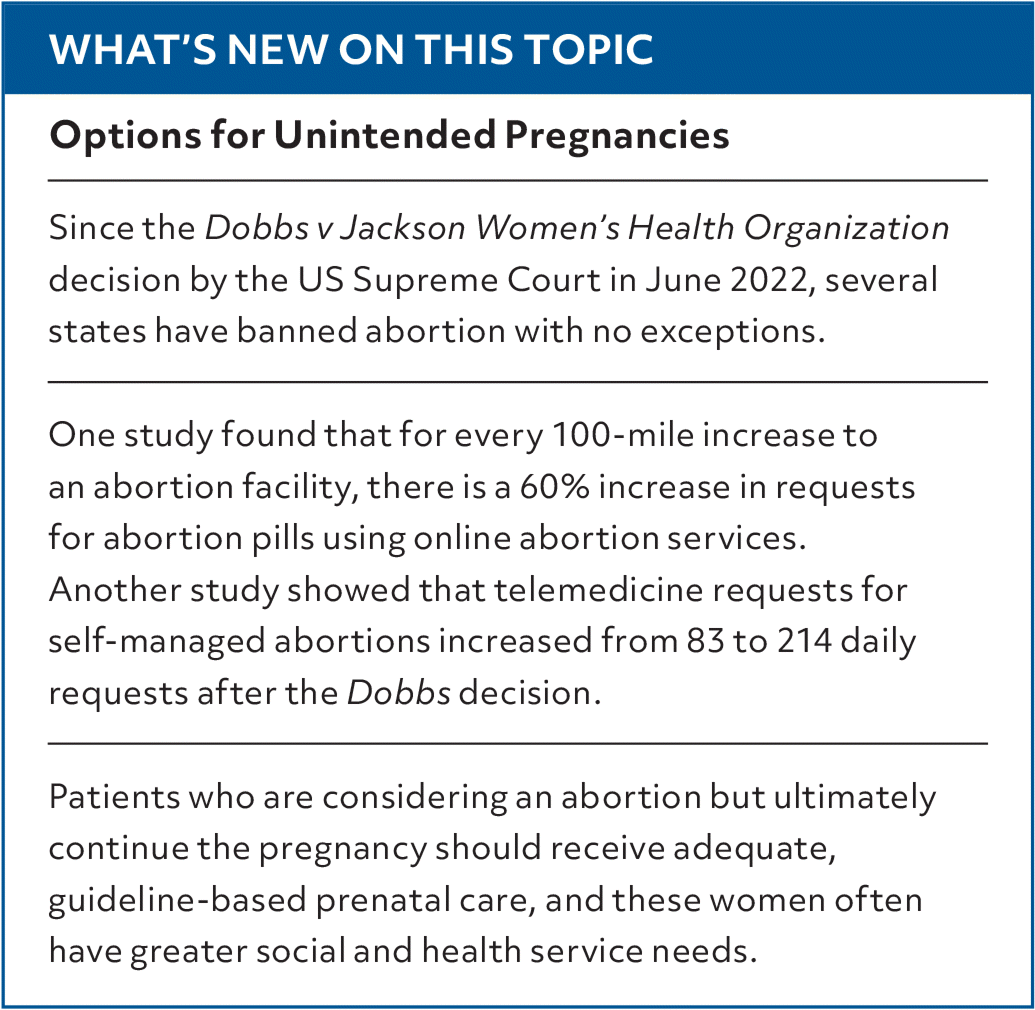
| Since the Dobbs v Jackson Women’s Health Organization decision by the US Supreme Court in June 2022, several states have banned abortion with no exceptions. |
| One study found that for every 100-mile increase to an abortion facility, there is a 60% increase in requests for abortion pills using online abortion services. |
| Another study showed that telemedicine requests for self-managed abortions increased from 83 to 214 daily requests after the Dobbs decision. |
| Patients who are considering an abortion but ultimately continue the pregnancy should receive adequate, guideline-based prenatal care, and these women often have greater social and health service needs. |
SORT: KEY RECOMMENDATIONS FOR PRACTICE
| Clinical recommendation | Evidence rating | Comments |
|---|---|---|
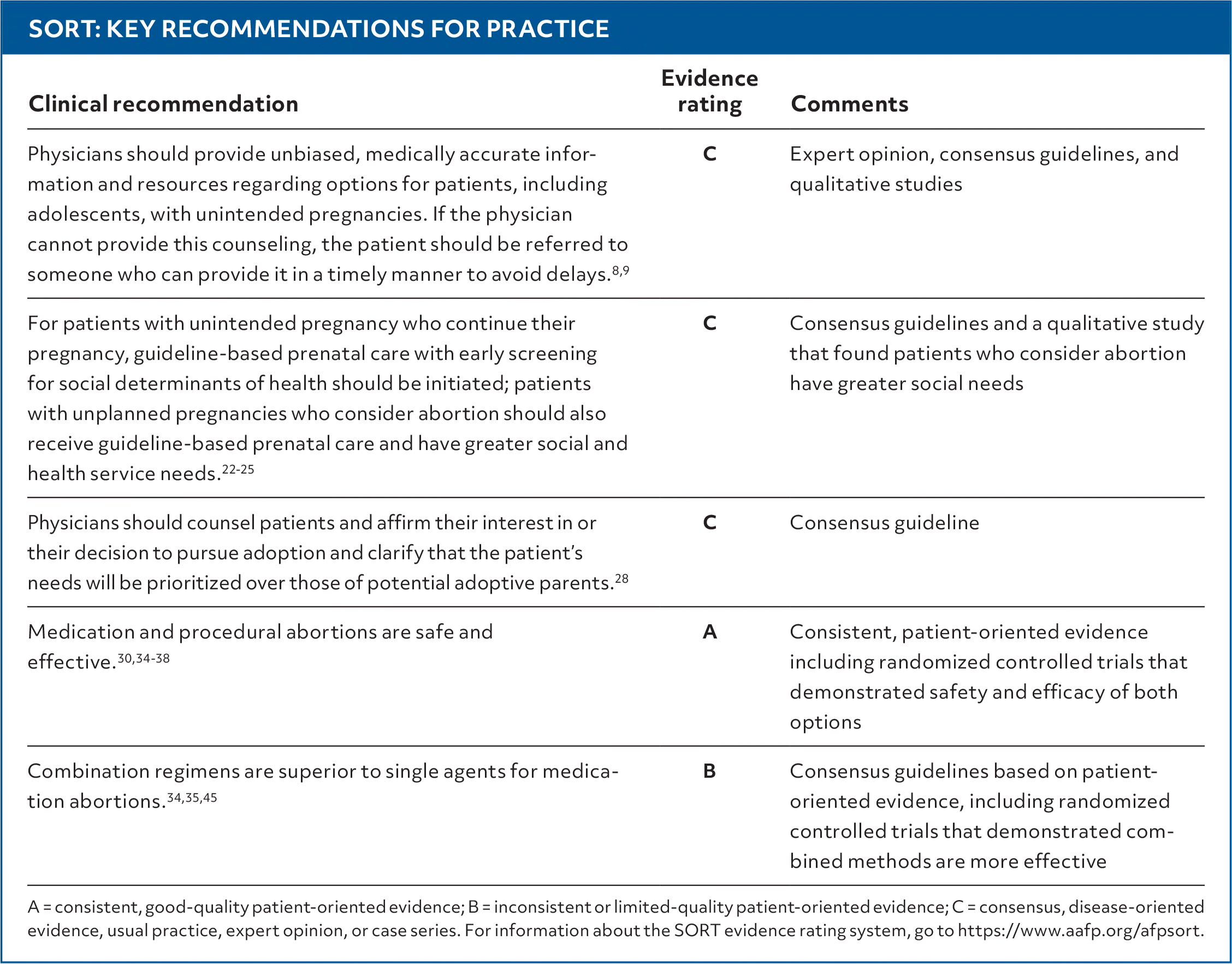
| Physicians should provide unbiased, medically accurate information and resources regarding options for patients, including adolescents, with unintended pregnancies. If the physician cannot provide this counseling, the patient should be referred to someone who can provide it in a timely manner to avoid delays.8,9 | C | Expert opinion, consensus guidelines, and qualitative studies |
| For patients with unintended pregnancy who continue their pregnancy, guideline-based prenatal care with early screening for social determinants of health should be initiated; patients with unplanned pregnancies who consider abortion should also receive guideline-based prenatal care and have greater social and health service needs.22–25 | C | Consensus guidelines and a qualitative study that found patients who consider abortion have greater social needs |
| Physicians should counsel patients and affirm their interest in or their decision to pursue adoption and clarify that the patient’s needs will be prioritized over those of potential adoptive parents.28 | C | Consensus guideline |
| Medication and procedural abortions are safe and effective.30,34–38 | A | Consistent, patient-oriented evidence including randomized controlled trials that demonstrated safety and efficacy of both options |
| Combination regimens are superior to single agents for medication abortions.34,35,45 | B | Consensus guidelines based on patient-oriented evidence, including randomized controlled trials that demonstrated combined methods are more effective |
A = consistent, good-quality patient-oriented evidence; B = inconsistent or limited-quality patient-oriented evidence; C = consensus, disease-oriented evidence, usual practice, expert opinion, or case series. For information about the SORT evidence rating system, go to https://www.aafp.org/afpsort.
Read the full article
Get immediate access, anytime, anywhere.
Choose a single article, issue, or full-access subscription.
Earn up to 14 CME credits per issue.
