Uterine Fibroids: Rapid Evidence Review

Michelle K. Keating, DO, MEd
Keli B. Jones, MD
Maggie W. Hansell, MD

American Family Physician. 2025;112(4):393-400.

Author disclosure: No relevant financial relationships.

This clinical content conforms to AAFP criteria for CME.

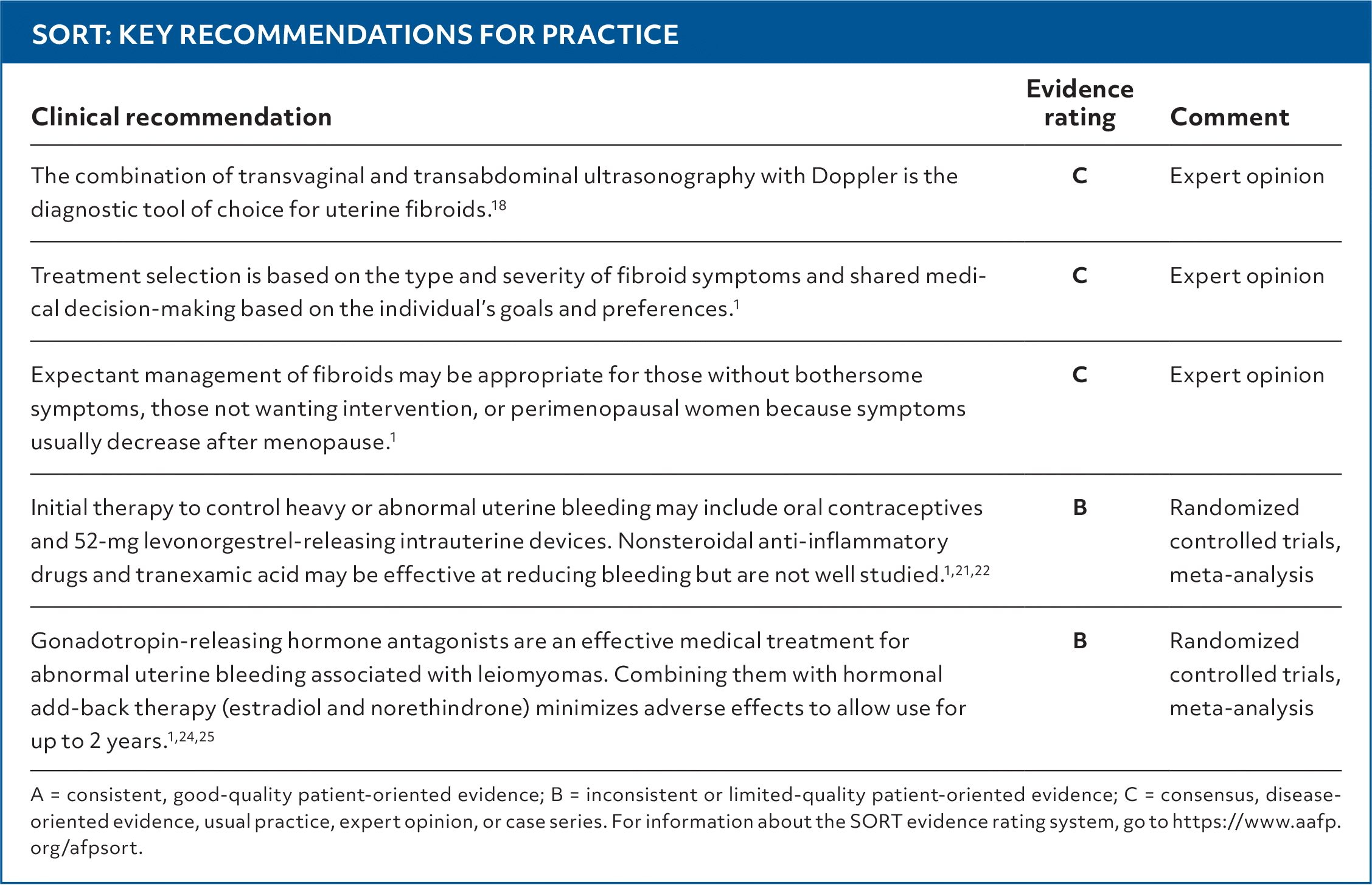
Uterine fibroids are the most common benign tumor in women. Most fibroids are asymptomatic, but presenting symptoms include those associated with increased uterine size (eg, abdominal distension, urinary frequency or urgency, constipation), abnormal uterine bleeding, pelvic pain, and infertility. The initial evaluation of fibroids should include a full gynecologic history with abdominal, speculum, and bimanual pelvic examinations. Initial imaging of choice is the combination of transvaginal and transabdominal ultrasonography. Pelvic magnetic resonance imaging with contrast may further characterize the extent of disease and guide treatment. Treatment choices are determined by fibroid size and location with preferences for uterine and fertility preservation. Pharmacotherapy is used to control heavy or abnormal uterine bleeding and includes combined and progestin-only oral contraceptives; 52-mg levonorgestrel-releasing intrauterine devices; nonsteroidal anti-inflammatory drugs; tranexamic acid; and hormonal therapies, such as gonadotropin-releasing hormone antagonists and gonadotropin-releasing hormone agonists. Surgical and interventional options reduce bulk symptoms, reduce bleeding, and may preserve or improve fertility. Surgical and interventional radiologic options include hysterectomy, myomectomy, uterine artery embolization, radiofrequency ablation, and high-intensity focused ultrasonography. Treating vitamin D deficiency may reduce fibroid tumor size or halt progression.

MICHELLE K. KEATING, DO, MEd, FAAFP, is an assistant professor in and associate program director of the Family Medicine Residency Program at Wake Forest University School of Medicine, Atrium Health Wake Forest Baptist, Winston-Salem, North Carolina.

KELI B. JONES, MD, FAAFP, is an assistant professor in and program director of the Family Medicine Residency Program at Wake Forest University School of Medicine, Atrium Health Wake Forest Baptist.

MAGGIE W. HANSELL, MD, is an assistant professor in and inpatient medical director of the Family Medicine Residency Program at Wake Forest University School of Medicine, Atrium Health Wake Forest Baptist.

Address correspondence to Michelle K. Keating, DO, MEd, FAAFP, at michelle.keating@advocatehealth.org.

Author disclosure: No relevant financial relationships.

  1. 1.Management of symptomatic uterine leiomyomas. ACOG Practice Bulletin, Number 228. Obstet Gynecol. 2021;137(6):e100-e115.
  2. 2.Stewart EA, et al. Epidemiology of uterine fibroids: a systematic review. BJOG. 2017;124(10):1501-1512.
  3. 3.Stewart EA, Laughlin-Tommaso SK. Uterine fibroids. N Engl J Med. 2024;391(18):1721-1733.
  4. 4.Baird DD, et al. High cumulative incidence of uterine leiomyoma in black and white women: ultrasound evidence. Am J Obstet Gynecol. 2003;188(1):100-107.
  5. 5.Combs A, et al. A systematic review of vitamin D and fibroids: pathophysiology, prevention, and treatment. Reprod Sci. 2023;30(4):1049-1064.
  6. 6.Srivastava P, et al. Evaluation of 25-hydroxy vitamin D3 levels in patients with a fibroid uterus. J Obstet Gynaecol. 2020;40(5):710-714.
  7. 7.Keizer AL, et al. Modifiable prognostic factors in uterine fibroid development: a systematic review of literature. J Obstet Gynaecol. 2024;44(1):2288225.
  8. 8.Bibbins-Domingo K, et al. Screening for gynecologic conditions with pelvic examination: US Preventive Services Task Force recommendation statement. JAMA. 2017;317(9):947-953.
  9. 9.ACOG Committee Opinion No. 754: the utility of and indications for routine pelvic examination. Obstet Gynecol. 2018;132(4):e174-e180.
  10. 10.De La Cruz MSD, Buchanan EM. Uterine fibroids: diagnosis and treatment. Am Fam Physician. 2017;95(2):100-107.
  11. 11.Munro MG, et al. The FIGO classification of causes of abnormal uterine bleeding in the reproductive years. Fertil Steril. 2011;95(7):2204-2208.
  12. 12.Hall EM, et al. Systematic review and meta-analysis of the etiology of heavy menstrual bleeding in 2,770 adolescent females. BMC Womens Health. 2024;24(1):136.
  13. 13.Hill S, Shetty MK. Abnormal uterine bleeding in reproductive age women: role of imaging in the diagnosis and management. Semin Ultrasound CT MR. 2023;44(6):511-518.
  14. 14.Hartmann KE, et al. Management of uterine fibroids. Comparative Effectiveness Review, No. 195. AHRQ Publication No. 17(18)-EHC028-EF. Agency for Healthcare Research and Quality; 2017.
  15. 15.Robinson E, et al. Clinical aspects of postirradiation sarcomas. J Natl Cancer Inst. 1988;80(4):233-240.
  16. 16.Roberts ME, et al. Uterine leiomyosarcoma: a review of the literature and update on management options. Gynecol Oncol. 2018;151(3):562-572.
  17. 17.ACOG Committee Opinion No. 601: tamoxifen and uterine cancer. Obstet Gynecol. 2014;123(6):1394-1397.
  18. 18.Ascher SM, et al. ACR Appropriateness Criteria fibroids. J Am Coll Radiol. 2022;19(11S):S319-S328.
  19. 19.Mension E, et al. Clinical signs and diagnosis of fibroids from adolescence to menopause. Fertil Steril. 2024;122(1):12-19.
  20. 20.Committee on Practice Bulletins–Gynecology. Practice Bulletin No. 128: diagnosis of abnormal uterine bleeding in reproductive-aged women. Obstet Gynecol. 2012;120(1):197-206.
  21. 21.Zapata LB, et al. Intrauterine device use among women with uterine fibroids: a systematic review. Contraception. 2010;82(1):41-55.
  22. 22.Bofill Rodriguez M, et al. Progestogen-releasing intrauterine systems for heavy menstrual bleeding. Cochrane Database Syst Rev. 2020(6):CD002126.
  23. 23.Telek SB, et al. Oral gonadotropin-releasing hormone antagonists in the treatment of uterine myomas: a systematic review and network meta-analysis of efficacy parameters and adverse effects. J Minim Invasive Gynecol. 2022;29(5):613-625.
  24. 24.Schlaff WD, et al. Elagolix for heavy menstrual bleeding in women with uterine fibroids. N Engl J Med. 2020;382(4):328-340.
  25. 25.Al-Hendy A, et al. Treatment of uterine fibroid symptoms with relugolix combination therapy. N Engl J Med. 2021;384(7):630-642.
  26. 26.Lethaby A, et al. Preoperative medical therapy before surgery for uterine fibroids. Cochrane Database Syst Rev. 2017(11):CD000547.
  27. 27.Vannuccini S, et al. The modern management of uterine fibroids-related abnormal uterine bleeding. Fertil Steril. 2024;122(1):20-30.
  28. 28.Leminen H, Hurskainen R. Tranexamic acid for the treatment of heavy menstrual bleeding: efficacy and safety. Int J Womens Health. 2012;4:413-421.
  29. 29.Sandberg EM, et al. Reintervention risk and quality of life outcomes after uterine-sparing interventions for fibroids: a systematic review and meta-analysis. Fertil Steril. 2018;109(4):698-707.e1.
  30. 30.Akhatova A, et al. Reproductive and obstetric outcomes after UAE, HIFU, and TFA of uterine fibroids: systematic review and meta-analysis. Int J Environ Res Public Health. 2023;20(5):4480.
  31. 31.Baxter BL, et al. Radiofrequency ablation methods for uterine sparing fibroid treatment. Curr Opin Obstet Gynecol. 2022;34(4):262-269.
  32. 32.Bradley LD, et al. Clinical performance of radiofrequency ablation for treatment of uterine fibroids: systematic review and meta-analysis of prospective studies. J Laparoendosc Adv Surg Tech A. 2019;29(12):1507-1517.
  33. 33.Ali M, et al. Current and emerging treatment options for uterine fibroids. Drugs. 2023;83(18):1649-1675.
  34. 34.Arip M, et al. Evidence-based management of uterine fibroids with botanical drugs–a review. Front Pharmacol. 2022;13:878407.
  35. 35.Ciebiera M, et al. The evolving role of natural compounds in the medical treatment of uterine fibroids. J Clin Med. 2020;9(5):1479.
  36. 36.Evans P, Brunsell S. Uterine fibroid tumors: diagnosis and treatment. Am Fam Physician. 2007;75(10):1503-1508.

Copyright © 2026 by the American Academy of Family Physicians.

This content is owned by the AAFP. A person viewing it online may make one printout of the material and may use that printout only for his or her personal, non-commercial reference. This material may not otherwise be downloaded, copied, printed, stored, transmitted or reproduced in any medium, whether now known or later invented, except as authorized in writing by the AAFP. See permissions for copyright questions and/or permission requests.