
Your support of AAFP Foundation fuels research, education, innovation

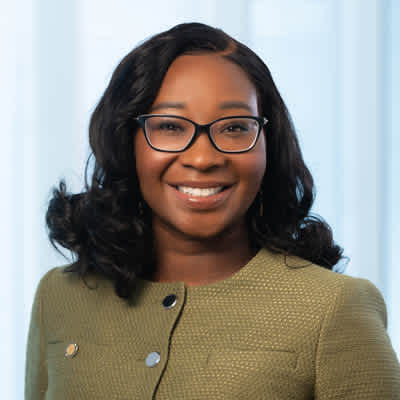
My involvement with the AAFP Foundation began nearly a decade ago when I joined the Board as the resident trustee. A few years later, I began participating in humanitarian work through the Foundation’s Family Medicine Cares International program in the Dominican Republic. Those early experiences working alongside communities and local clinicians deepened my commitment to global health.
That first trustee role set the course for my continued service. I went on to fill a vacant trustee seat for a year, serve a full three-year term, and eventually move through the Foundation’s four-year officer track: treasurer, vice president, president-elect and now president. My term concludes at the end of this calendar year, and I welcome what comes next. Leadership should evolve, and the Foundation is strongest when new voices and new ideas have room to grow.
Before I close this chapter, I want to thank past president David Smith, MD, MPH, FAAFP, who opened doors for me and helped prepare me to lead. That spirit of mentorship is central to the Foundation’s work, especially through programs like the Family Medicine Leads Emerging Leaders Institute, which supports and equips the next generation of family medicine leaders.
As the year draws to a close, many of you may be considering your charitable priorities. Serving on the Foundation’s Board has given me a firsthand understanding of how thoughtfully and responsibly your contributions are stewarded. I could describe the many ways your support uplifts medical students, residents and family physicians, but instead, I want you to hear directly from them.
Their stories reflect the true impact of this Foundation in communities, in careers and in the future of family medicine.
Jay-Sheree Akambase, MD, MPH, FAAFP, president of the AAFP Foundation Board of Trustees

Addressing health disparities
Receiving the AAFP Foundation’s Family Medicine Cares Resident Service Award was a transformative milestone in my residency journey. It provided the support needed to launch the Rapides Health Project, a free, comprehensive wellness and weight-loss clinic dedicated to improving the health of uninsured residents in Central Louisiana.
Our community faces high rates of obesity, diabetes and heart disease, compounded by limited access to preventive care. RHP provides a year-long, wellness program that includes free GLP-1 medications, individualized personal training and access to registered dietitians for nutrition education and meal planning. These resources help participants achieve sustainable weight loss, manage chronic conditions and adopt healthy habits.
Witnessing patients transform their health, lose weight, improve blood pressure and glucose levels and regain confidence has been deeply rewarding.
I encourage residents to apply for the FM Cares Resident Service Award. The AAFP Foundation turns vision into action, empowering family physicians to build healthier, more equitable communities for generations to come.
Now more than ever, AAFP Foundation donations are essential. With rising insurance premiums and the growing risk of reduced access to affordable care, Foundation support ensures that family physicians can continue bridging the gap for those most in need.
Armand Ntchana, MD, third-year resident at Louisiana State University Health Shreveport Family Medicine Residency

Funding family medicine research
I was fortunate to receive grant funding from the Family Medicine Discovers Rapid Cycle Scientific Discovery and Innovation program, which helped me develop and implement research for a topic I’m passionate about, long COVID.
As a family physician without a research background or formal training, it is difficult to conduct research, analyze data and be a project leader. I was working with patients with long COVID and developing various initiatives but was unable to conduct meaningful research due to lack of experience.
The RapSDI grant filled that gap and supported my goal of being a principal investigator for a research study. The program offered support, helping with application and grant writing. After I received the grant, I was assigned a project manager and statistician through a collaboration with DARTNet.
In this study, we are evaluating the efficacy of a virtual educational course that teaches participants with long COVID self-management skills for some of the most common symptoms. By using standardized survey tools, we will measure and analyze data to understand if this educational course improves self-management skills and functional status.
For me, this opportunity has led to a greater understanding of how research is conducted and has given me a chance to develop my skills as a leader. The RapSDI program is an excellent stepping stone for any family physician interested in research and needing the support to make it happen. The program has enriched my practice and career satisfaction.
Boris Bayerman, DO, Denver

Developing family medicine leaders
I first learned about the AAFP Foundation’s Family Medicine Leads Emerging Leader Institute three years ago from a past recipient and was immediately drawn to its focus on leadership training. I have always believed that to better serve my patients, community, family and friends, I must first invest in my own growth so I have more to offer others.
When I began residency, I started researching ELI, the AAFP Foundation’s year-long development programs for medical students and family medicine residents. I doubted I would be selected among so many qualified applicants, but I took the leap and was honored to be chosen.
Attending the AAFP’s FUTURE conference was eye-opening. It was my first time at such a large event, and the opportunity to receive hands-on training in procedures like paracentesis, central line placement and lumbar puncture greatly boosted my confidence in real clinical practice.
The ELI weekend itself was empowering. Our mentors were approachable and supportive, making each of us feel seen and valued. My fellow scholars were equally inspiring, and it was humbling to be counted among such talented individuals. The sense of community and encouragement was profound, and I left wishing the weekend could have lasted longer.
This program has reshaped my vision—not only for my own career, but for how I can impact my community and contribute to the future of family medicine. I look forward to completing my ELI project, pursuing further AAFP opportunities, and, one day, becoming a donor myself so others can experience this life-changing journey.
Adedolapo Adedayo, MD, first-year resident at Montgomery Family Medicine Residency in Alabama

Providing family physician mentors
Thanks to the generous support of the AAFP Foundation, I was able to participate in the Emerging Leaders Institute, an opportunity that has already shaped my growth as both a future physician, leader and person.
From attending FUTURE to connecting with my mentor and cohort, every part of this journey has been meaningful. The ELI program pairs every student and resident with a mentor, and I am incredibly grateful for mine, Olusunmisola Oyesiku, MD, MSc, DABFM, FAAFP. With every step I take, it’s like she’s already been there. We share many of the same goals and aspirations. She embodies the saying, “Be the person you once needed,” and she’s exactly that for me.
As a former ELI scholar, she still stays in touch with her own mentor, showing how deep and lasting these relationships can be. She’s guided me through challenges I didn’t see coming and reminds me that she’s my mentor not just for this year, but for life.
My ELI colleagues inspire me, too. They remind me that family medicine thrives when we lean proudly into our versatility. Our ELI cohorts are uplifting communities that need representation and bridging gaps within medicine, all while leading with humility and compassion.
ELI refines our project management and leadership abilities, so that we have the skillset to transform ideas into initiative. Along the way, we discover our voice and build the confidence to lead within our communities as health care professionals. This program cultivates the next generation of leaders in family medicine, fostering a cycle of mentorship and contribution that strengthens our specialty.
Holly Vu, third-year student at Florida State University College of Medicine

Opportunities to publish
My initial curiosity about medicalizing marginalization arose during a lecture on the social determinants of health during my first year of medical school. The presentation was a broad overview of the topic with a slide that called poverty a “leading disease of childhood.”
In an introductory course packed into a busy schedule, there wasn’t much room to investigate this pathologization of what looked to me like something that wasn’t a disease at all.
With the overwhelming pressures of the curriculum, standardized exams and residency applications, it can feel difficult to justify dedicating time to independent study in medical school. But the AAFP Foundation’s Richard D. Feldman, M.D. Student and Resident Essay Contest allowed me to do just that. By offering a publication opportunity and financial incentive, the organization gave me space to dive deeper into that line of inquiry and uncover a unique historical pattern driving statements like the one noted above.
Winning this year’s contest allowed me to not only investigate this topic on my own, it also led to a number of opportunities to further develop and share my findings with physicians. The connections I made provided even more chances to write, think and contribute to the important discussions going on in family medicine.
I’m incredibly grateful for the way that this contest makes space for students and residents to engage with the medical humanities and the history of medicine, and I highly encourage other learners to use this as an excellent opportunity to think critically about the context of their training and caregiving.
Rowan Magnuson, second-year student at the University of Massachusetts Chan Medical School
Disclaimer
The opinions and views expressed here are those of the authors and do not necessarily represent or reflect the opinions and views of the American Academy of Family Physicians. This blog is not intended to provide medical, financial, or legal advice.