

Conjunctivitis caused by viruses, bacteria, or allergies is one of the most common eye conditions in primary care. There is no single sign or symptom that accurately differentiates viral from bacterial conjunctivitis. A comprehensive history and physical examination can guide diagnosis. Viral and allergic conjunctivitis are more common in adults and typically present with watery discharge. Supportive care options for viral conjunctivitis include artificial tears, cold compresses, and antihistamine eye drops. Strict personal hygiene, including frequent handwashing, is essential to decrease the risk of transmission. Topical antihistamines with mast cell–stabilizing activity are the treatment of choice for allergic conjunctivitis. Bacterial conjunctivitis is more common in children and typically presents as mucopurulent discharge with the eyelids matted shut. Delayed antibiotic prescribing has been found to have similar symptom control as immediate prescribing. Ophthalmology referral is indicated for conjunctivitis in a neonate or patients with severe pain, decreased vision, recent ocular surgery, vesicular rash on the eyelids or nose, history of rheumatologic disease, or immunocompromised state.
Conjunctivitis is inflammation of the conjunctiva, which is a clear, vascularized membrane that covers the outer surface of the eye (except the cornea) and the inner surface of the eyelids1,2 (Figure 1). Data from nearly 12 million eye-related emergency room visits found that 44% were for nonemergent causes with conjunctivitis being the most common reason.3 There are significant direct costs (i.e., copays and prescriptions) and indirect costs (i.e., work or school absenteeism) associated with conjunctivitis, accounting for an estimated $1 billion annually in the United States alone.4–6 The most common etiologies of conjunctivitis are allergic, viral, and bacterial.2,7 Conjunctivitis is usually self-limited, but complications leading to decreased vision can occur. This article discusses the three most common causes of conjunctivitis, clinical features that can be used to differentiate them, and recommendations for treatment. Table 1 summarizes conjunctivitis treatment options.2,8–14
WHAT’S NEW ON THIS TOPIC
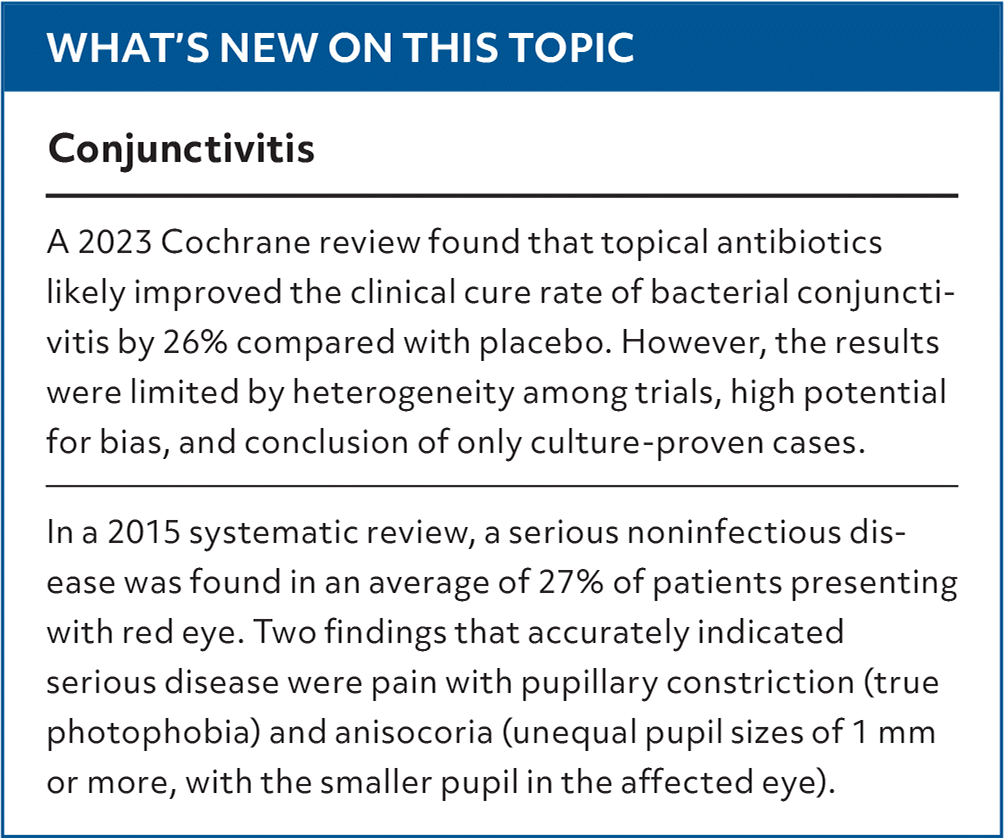
| A 2023 Cochrane review found that topical antibiotics likely improved the clinical cure rate of bacterial conjunctivitis by 26% compared with placebo. However, the results were limited by heterogeneity among trials, high potential for bias, and conclusion of only culture-proven cases. |
| In a 2015 systematic review, a serious noninfectious disease was found in an average of 27% of patients presenting with red eye. Two findings that accurately indicated serious disease were pain with pupillary constriction (true photophobia) and anisocoria (unequal pupil sizes of 1 mm or more, with the smaller pupil in the affected eye). |
SORT: KEY RECOMMENDATIONS FOR PRACTICE
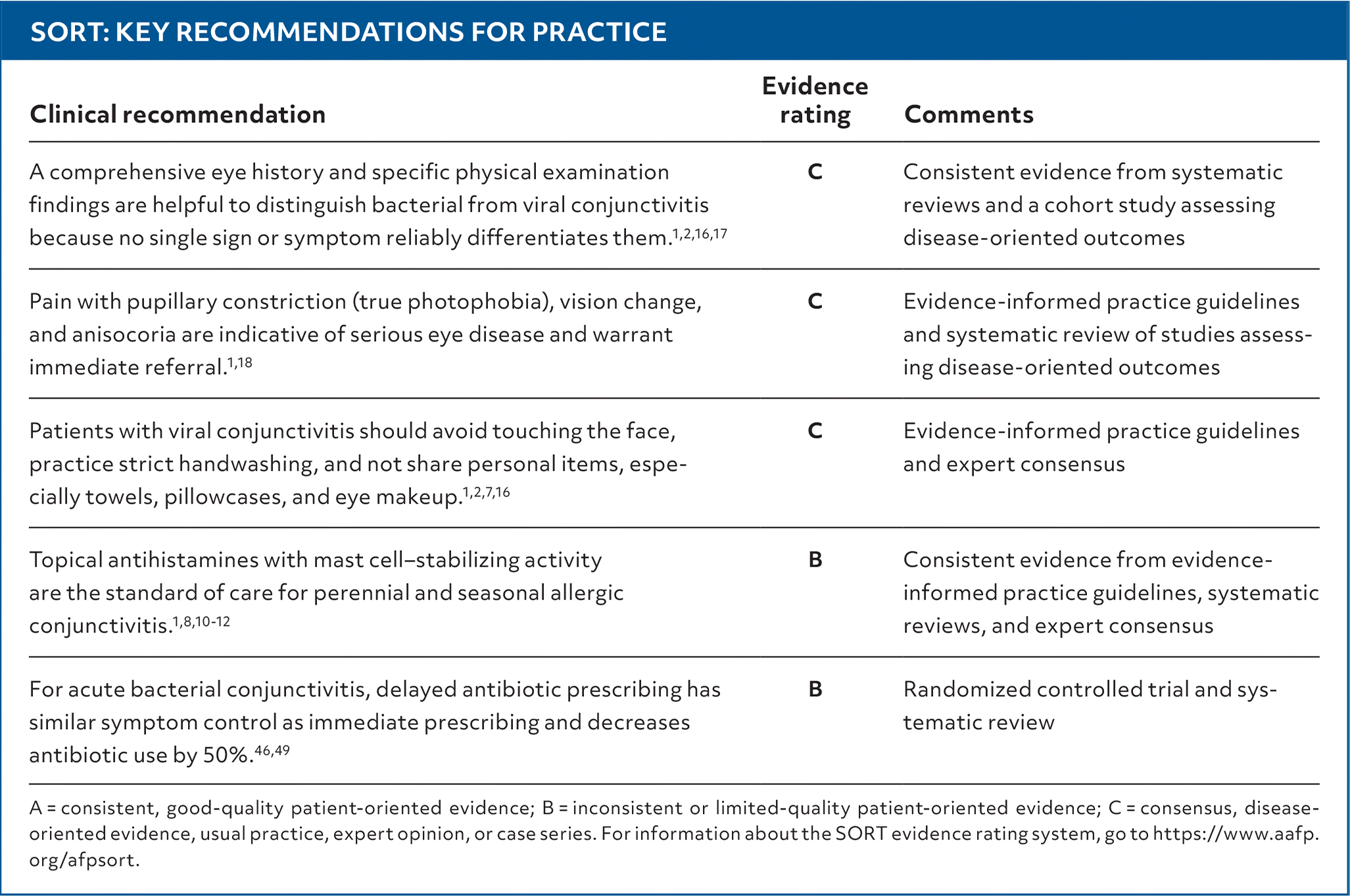
A = consistent, good-quality patient-oriented evidence; B = inconsistent or limited-quality patient-oriented evidence; C = consensus, disease-oriented evidence, usual practice, expert opinion, or case series. For information about the SORT evidence rating system, go to https://www.aafp.org/afpsort.
Read the full article
Get immediate access, anytime, anywhere.
Choose a single article, issue, or full-access subscription.
Earn up to 14 CME credits per issue.
