

Alzheimer disease is a progressive, neurodegenerative disorder characterized by the accumulation of amyloid beta plaques and hyperphosphorylated tau proteins. Alzheimer disease affects cognitive function, leading to memory loss and impairment in activities of daily living. Approximately 6.9 million people in the United States 65 years and older live with Alzheimer disease, a number expected to double by 2060. Although there is no cure for Alzheimer disease, treatments are available to manage symptoms. Tools such as the Diagnostic and Statistical Manual of Mental Disorders, 5th ed., criteria aid in identifying major neurocognitive disorders. The evaluation involves a comprehensive medical history, cognitive examinations, and collateral information. Nonpharmacologic interventions focus on psychosocial approaches, with music, sensory stimulation, and validation therapies showing some evidence of reducing responsive behaviors. Pharmacologic management, such as acetylcholinesterase inhibitors (donepezil, galantamine, rivastigmine) and the N-methyl-d-aspartate receptor antagonist memantine, targets symptom relief and disease progression. Vitamin E does not improve cognition but may mitigate functional decline. Brexpiprazole has been approved in the United States for treating agitation associated with Alzheimer disease. Anti-amyloid monoclonal antibody treatments are approved for mild cognitive impairment and mild Alzheimer disease, but they are controversial and safety concerns exist. Ineffective therapies include ginkgo biloba, nonsteroidal anti-inflammatory drugs, omega-3 fatty acids, and statins.
Alzheimer disease (AD) is a progressive and fatal neurodegenerative condition marked by the accumulation of amyloid beta plaques and hyperphosphorylated tau proteins as neurofibrillary tangles.1,2 These tangles lead to neuron degeneration, cerebral atrophy, and memory loss, followed by a decline in daily functioning.1,2 The amyloid accumulation hypothesis suggests that genetics, lifestyle, chronic diseases, and environmental factors influence this process.2 As of 2024, about 6.9 million people in the United States 65 years and older have AD; this number is projected to reach 13.8 million by 2060.3 Current prevalence rates by age in the United States are 5% (65 to 74 years), 13.2% (75 to 84 years), and 33.4% (85 years and older).3 Although there is no cure for AD or medications to prevent cognitive decline, a few treatments are available to manage symptoms and enhance quality of life for people with AD.1,2,4 Treatment aims to address cognitive decline, alleviate specific symptoms, and support patients and their caregivers.1,2
BEST PRACTICES IN GERIATRIC MEDICINE
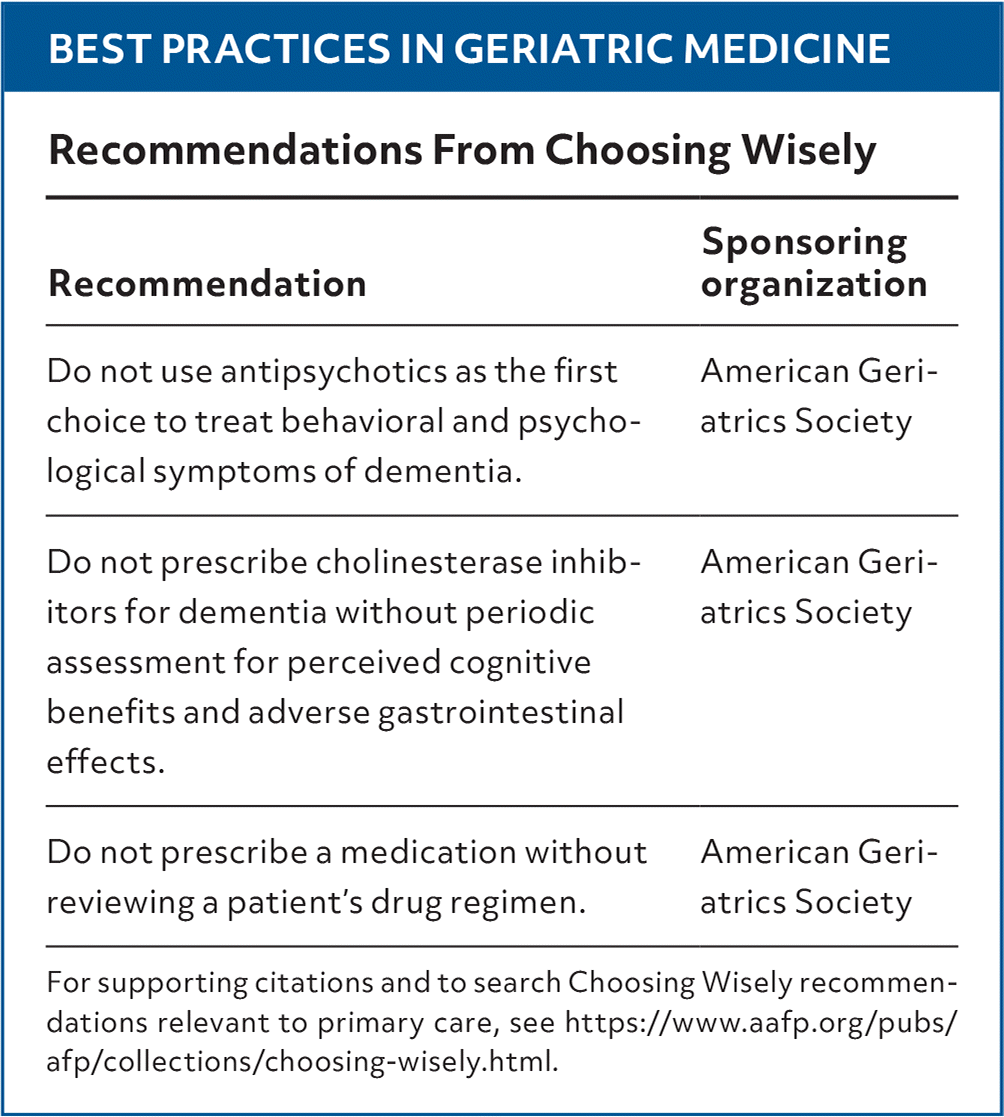
| Recommendation | Sponsoring organization |
|---|---|
| Do not use antipsychotics as the first choice to treat behavioral and psychological symptoms of dementia. | American Geriatrics Society |
| Do not prescribe cholinesterase inhibitors for dementia without periodic assessment for perceived cognitive benefits and adverse gastrointestinal effects. | American Geriatrics Society |
| Do not prescribe a medication without reviewing a patient's drug regimen. | American Geriatrics Society |
For supporting citations and to search Choosing Wisely recommendations relevant to primary care, see https://www.aafp.org/pubs/afp/collections/choosing-wisely.html.
SORT: KEY RECOMMENDATIONS FOR PRACTICE
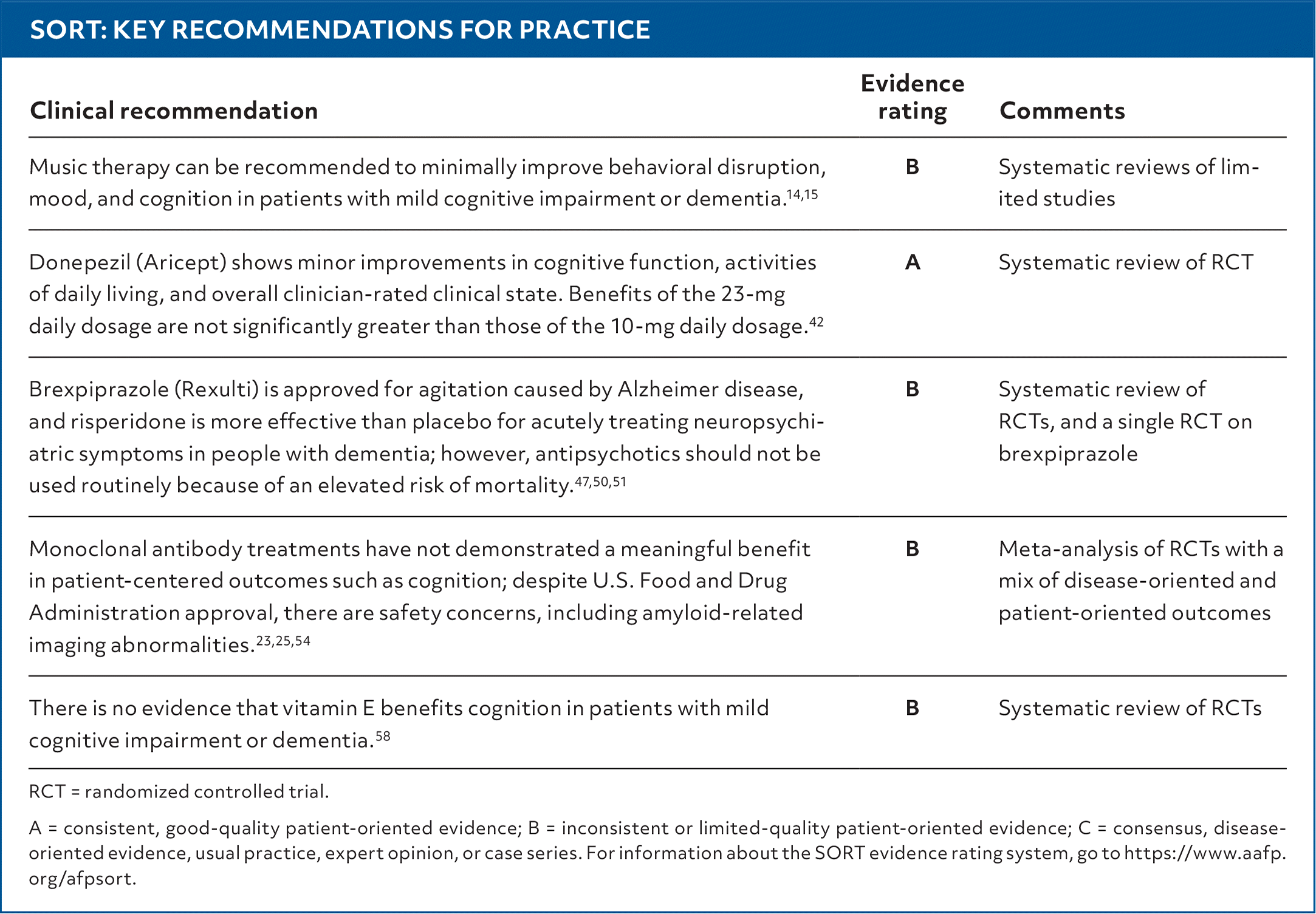
RCT = randomized controlled trial.
A = consistent, good-quality patient-oriented evidence; B = inconsistent or limited-quality patient-oriented evidence; C = consensus, disease-oriented evidence, usual practice, expert opinion, or case series. For information about the SORT evidence rating system, go to https://www.aafp.org/afpsort.
Read the full article
Get immediate access, anytime, anywhere.
Choose a single article, issue, or full-access subscription.
Earn up to 14 CME credits per issue.
