

Tongue conditions occur in 15.5% of the US population. The most common tongue conditions are geographic tongue, fissured tongue, and black hairy tongue; these conditions do not require treatment. Median rhomboid glossitis can be associated with a candidal infection; symptomatic lesions usually improve with use of antifungals. Atrophic glossitis is often linked to a nutritional deficiency and resolves with treatment of the underlying condition. Oral hairy leukoplakia is caused by Epstein-Barr virus and most often presents in patients with severely compromised immunity; it can be treated with oral antivirals. Growths of the tongue usually require biopsy to differentiate benign lesions (eg, traumatic fibromas, squamous cell papillomas) from leukoplakia and squamous cell carcinoma. Referral to an oral and maxillofacial surgeon, otolaryngologist, or a dentist experienced in oral pathology may be indicated. Burning mouth syndrome often involves the tongue, and if it does not resolve spontaneously, studies have shown improvement with gabapentin, topical clonazepam, capsaicin, and cognitive behavior therapy. Oral lichen planus is a chronic inflammatory disorder that can affect the tongue and is best treated with topical or systemic corticosteroids and calcineurin inhibitors. There is a lack of consensus on the definition and treatment of ankyloglossia (tongue-tie); however, some evidence supports that frenotomy can improve breastfeeding and decrease lactation-associated nipple pain.
The prevalence of tongue conditions in the United States is estimated to be 15.5% of the population; therefore, primary care clinicians should be prepared to evaluate, manage, and appropriately refer patients with common tongue conditions.1 Geographic tongue, fissured tongue, and black hairy tongue are the most common and do not require treatment. Correct diagnosis requires a comprehensive history with assessment of risk factors for malignancy, including tobacco and alcohol use, and an examination of tongue morphology. Patients without a clear diagnosis or with lesions of uncertain malignant potential should be referred to a specialist (eg, oral and maxillofacial surgeons, oral dermatologists, otolaryngologists, dentists) experienced in oral pathology for further evaluation and potential biopsy. Table 1 provides an overview of common tongue conditions, including presentation, treatment, and causes by association.2
SORT: KEY RECOMMENDATIONS FOR PRACTICE
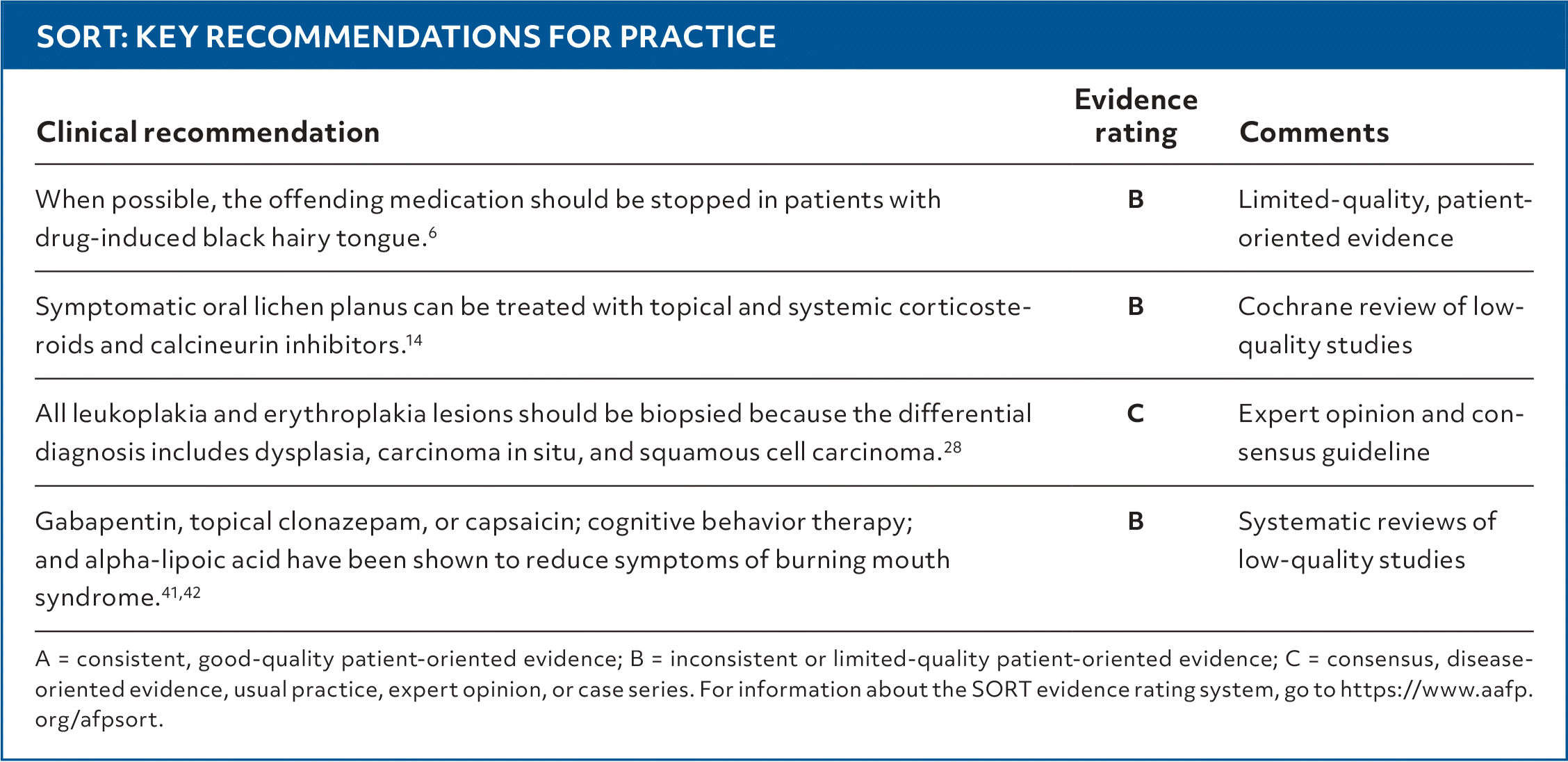
| Clinical recommendation | Evidence rating | Comments |
|---|---|---|
| When possible, the offending medication should be stopped in patients with drug-induced black hairy tongue.6 | B | Limited-quality, patient-oriented evidence |
| Symptomatic oral lichen planus can be treated with topical and systemic corticosteroids and calcineurin inhibitors.14 | B | Cochrane review of low-quality studies |
| All leukoplakia and erythroplakia lesions should be biopsied because the differential diagnosis includes dysplasia, carcinoma in situ, and squamous cell carcinoma.28 | C | Expert opinion and consensus guideline |
| Gabapentin, topical clonazepam, or capsaicin; cognitive behavior therapy; and alpha-lipoic acid have been shown to reduce symptoms of burning mouth syndrome.41,42 | B | Systematic reviews of low-quality studies |
A = consistent, good-quality patient-oriented evidence; B = inconsistent or limited-quality patient-oriented evidence; C = consensus, disease-oriented evidence, usual practice, expert opinion, or case series. For information about the SORT evidence rating system, go to https://www.aafp.org/afpsort.
Read the full article
Get immediate access, anytime, anywhere.
Choose a single article, issue, or full-access subscription.
Earn up to 14 CME credits per issue.
