Uterine fibroids are the most common benign tumor in women. Most fibroids are asymptomatic, but presenting symptoms include those associated with increased uterine size (eg, abdominal distension, urinary frequency or urgency, constipation), abnormal uterine bleeding, pelvic pain, and infertility. The initial evaluation of fibroids should include a full gynecologic history with abdominal, speculum, and bimanual pelvic examinations. Initial imaging of choice is the combination of transvaginal and transabdominal ultrasonography. Pelvic magnetic resonance imaging with contrast may further characterize the extent of disease and guide treatment. Treatment choices are determined by fibroid size and location with preferences for uterine and fertility preservation. Pharmacotherapy is used to control heavy or abnormal uterine bleeding and includes combined and progestin-only oral contraceptives; 52-mg levonorgestrel-releasing intrauterine devices; nonsteroidal anti-inflammatory drugs; tranexamic acid; and hormonal therapies, such as gonadotropin-releasing hormone antagonists and gonadotropin-releasing hormone agonists. Surgical and interventional options reduce bulk symptoms, reduce bleeding, and may preserve or improve fertility. Surgical and interventional radiologic options include hysterectomy, myomectomy, uterine artery embolization, radiofrequency ablation, and high-intensity focused ultrasonography. Treating vitamin D deficiency may reduce fibroid tumor size or halt progression.
Uterine leiomyomas (fibroids) are the most common benign tumor in women.1 This article provides a summary and review of the best available patient-oriented evidence for the management of fibroids.
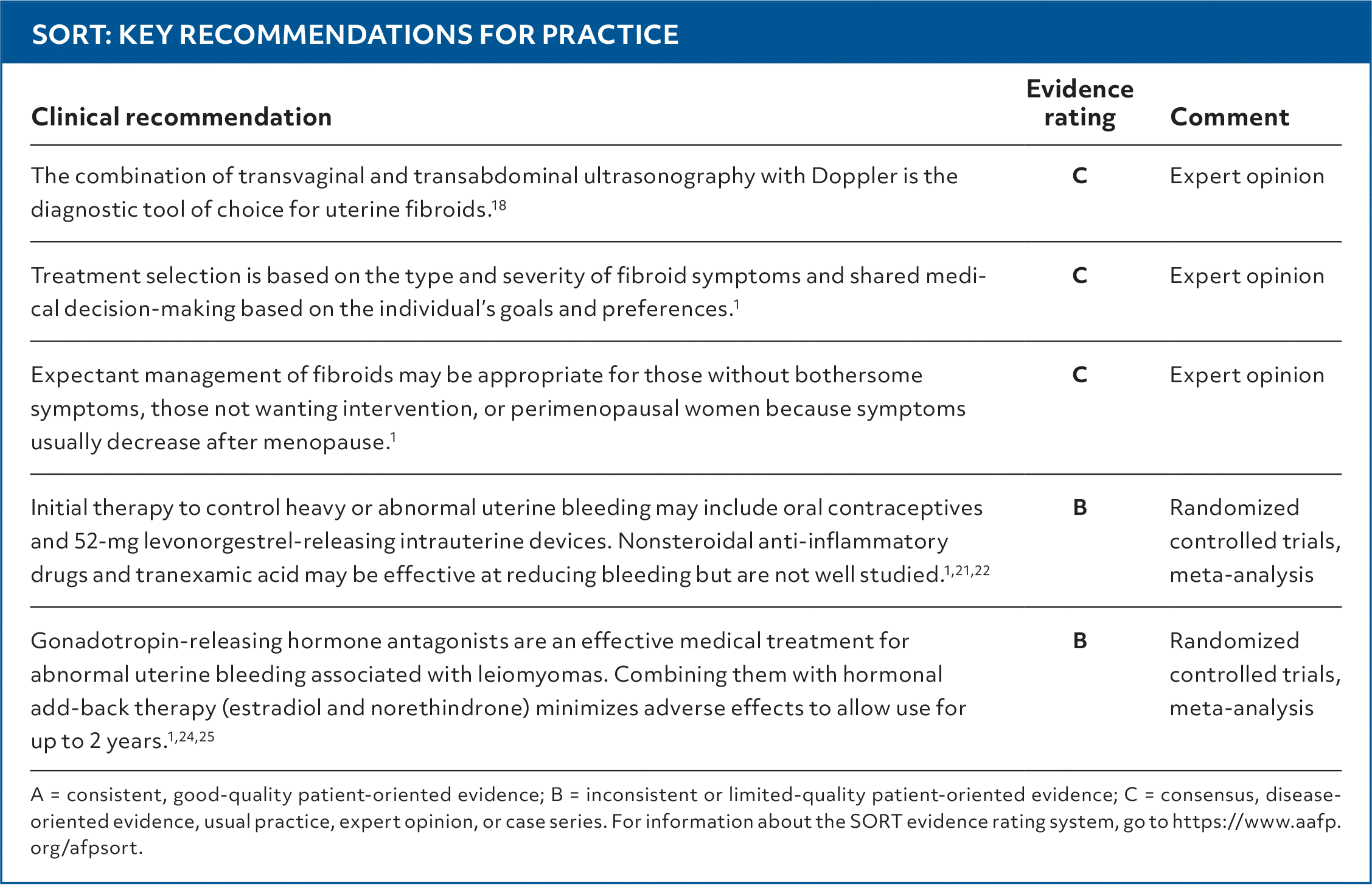
SORT: KEY RECOMMENDATIONS FOR PRACTICE
| Clinical recommendation | Evidence rating | Comment |
|---|---|---|
| The combination of transvaginal and transabdominal ultrasonography with Doppler is the diagnostic tool of choice for uterine fibroids.18 | C | Expert opinion |
| Treatment selection is based on the type and severity of fibroid symptoms and shared medical decision-making based on the individual's goals and preferences.1 | C | Expert opinion |
| Expectant management of fibroids may be appropriate for those without bothersome symptoms, those not wanting intervention, or perimenopausal women because symptoms usually decrease after menopause.1 | C | Expert opinion |
| Initial therapy to control heavy or abnormal uterine bleeding may include oral contraceptives and 52-mg levonorgestrel-releasing intrauterine devices. Nonsteroidal anti-inflammatory drugs and tranexamic acid may be effective at reducing bleeding but are not well studied.1,21,22 | B | Randomized controlled trials, meta-analysis |
| Gonadotropin-releasing hormone antagonists are an effective medical treatment for abnormal uterine bleeding associated with leiomyomas. Combining them with hormonal add-back therapy (estradiol and norethindrone) minimizes adverse effects to allow use for up to 2 years.1,24,25 | B | Randomized controlled trials, meta-analysis |
A = consistent, good-quality patient-oriented evidence; B = inconsistent or limited-quality patient-oriented evidence; C = consensus, disease-oriented evidence, usual practice, expert opinion, or case series. For information about the SORT evidence rating system, go to https://www.aafp.org/afpsort.
EPIDEMIOLOGY
- The true incidence and prevalence of fibroids are unknown because women are often asymptomatic or symptoms develop insidiously. Approximately 25% of fibroids become clinically significant and require intervention.1,2
- Several studies estimate that nearly 70% of women have fibroids by menopause.2,3
- Black women are underrepresented in fibroid research but have earlier age of onset, more significant anemia, and larger uteri at diagnosis with overall higher incidence and prevalence of fibroids than other racial groups.1,4
- Risk factors for the development of uterine fibroids include Black race, age older than 40 years, premenopausal state, family history of fibroids, and increased time since last birth (Table 1).2,5–7
Read the full article
Get immediate access, anytime, anywhere.
Choose a single article, issue, or full-access subscription.
Earn up to 14 CME credits per issue.