KEY POINTS FOR PRACTICE
| • When providing first aid, the responder should calmly approach the person who may need help from the front, introduce themself, state their intentions, and ask for consent, which will give information about the need to call EMS. |
| • A stroke scale such as the FAST (face drooping, arm weakness, speech difficulty, time to call 911) mnemonic should be used to recognize acute stroke. |
| • EMS should be activated after a seizure lasting longer than 5 minutes or associated with breathing difficulty, traumatic injury, choking, or water immersion. |
| • For opioid overdose, EMS should be called, high-quality cardiopulmonary resuscitation provided in unconscious individuals, and naloxone administered. |
| From the AFP Editors |
Physicians are often asked to speak to groups about providing first aid and are sometimes bystanders during an acute emergency, in or out of the office. This guideline from the American Heart Association and American Red Cross provides guidance on administering first aid.
GENERAL APPROACH AND INITIAL CONSIDERATIONS
Approaching a Person Who May Be Ill or Injured
When providing first aid, the responder should calmly approach the person who may need help from the direction the person is facing. The responder should introduce themself, state their intentions, and ask for consent. Provision of verbal consent from the individual can demonstrate responsiveness, airway patency, and mental state. The person should be evaluated for responsiveness, breathing, and potential injuries. Consent is implied if the person or their legal guardian is not responsive. If possible, the responder should clean their hands with soap and water before and after contact with the person, bodily fluids, or nearby surfaces.
When to Activate EMS
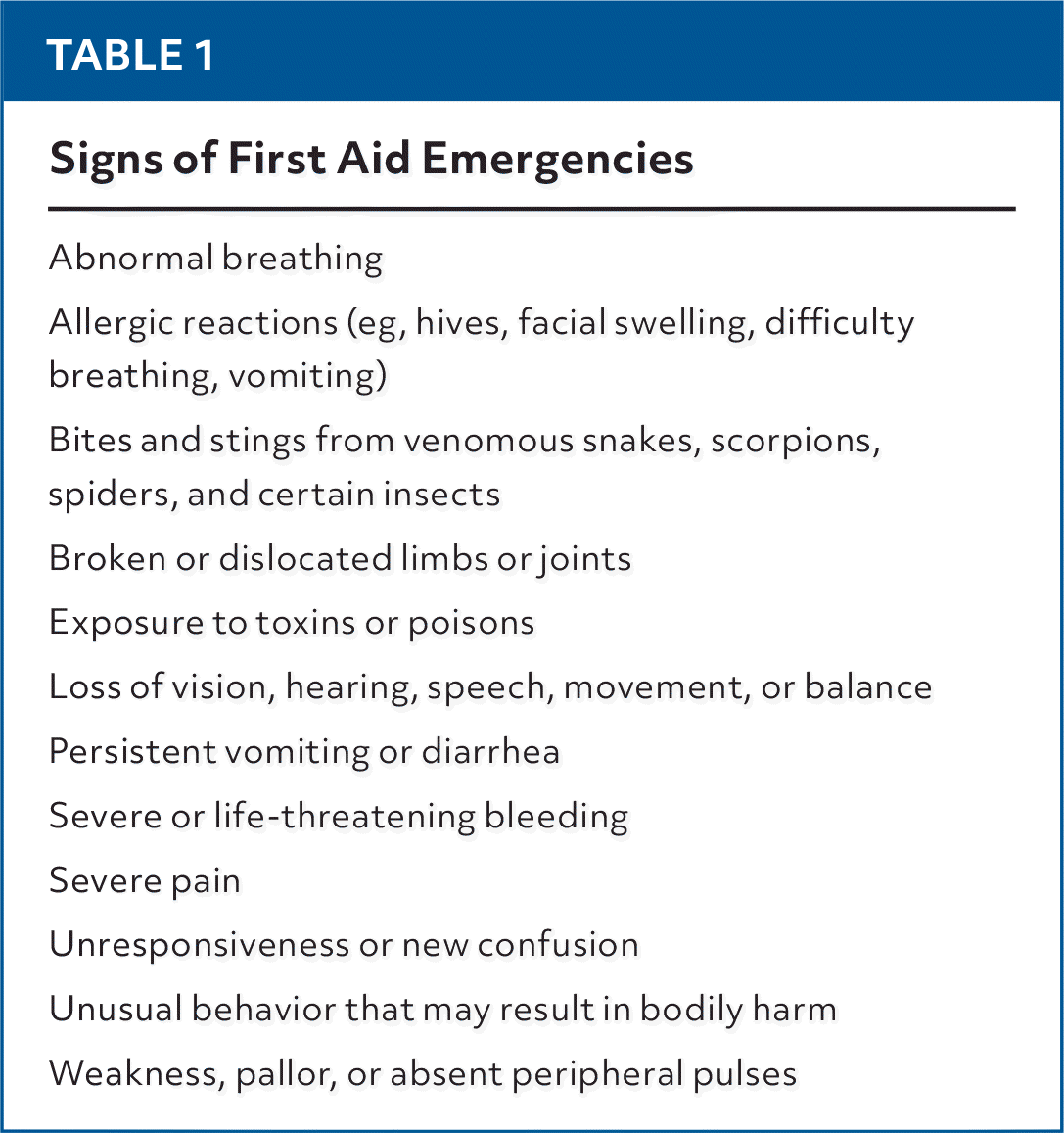
Emergency medical services (EMS) should be activated if the individual has any signs of a potential life-threatening emergency (Table 1).
TABLE 1. Signs of First Aid Emergencies
| Abnormal breathing |
| Allergic reactions (eg, hives, facial swelling, difficulty breathing, vomiting) |
| Bites and stings from venomous snakes, scorpions, spiders, and certain insects |
| Broken or dislocated limbs or joints |
| Exposure to toxins or poisons |
| Loss of vision, hearing, speech, movement, or balance |
| Persistent vomiting or diarrhea |
| Severe or life-threatening bleeding |
| Severe pain |
| Unresponsiveness or new confusion |
| Unusual behavior that may result in bodily harm |
| Weakness, pallor, or absent peripheral pulses |
Equipment
Lack of equipment does not prevent provision of first aid. Although use of a pulse oximeter by trained clinicians can be beneficial, use by first aid providers can be limited by accuracy, which is affected by the patient, device, and environmental factors. Hypoxemia is often missed in Black patients on assessment with pulse oximetry. Because administration of oxygen has not been shown to be beneficial in provision of first aid, the practical benefit of pulse oximetry is limited.
Special Populations
Infants younger than 1 year should be handled gently due to their fragility. Children from age 1 year to adolescence may be challenging to communicate with after trauma; age-appropriate calming techniques should be used and help sought from their caregiver. With adolescents, privacy and emotional well-being should be prioritized. With older adults, preexisting conditions and medications should be considered.
Read the full article
Get immediate access, anytime, anywhere.
Choose a single article, issue, or full-access subscription.
Earn up to 14 CME credits per issue.