
Family medicine board certification and CME

- On this page
- Certification requirements for family physicians
- Board review resources and support
- CME opportunities
The one-day board exam is still the path to certification for residents, but big changes to the recertification process have immediate implications for all family physicians. Find the most up-to-date information and resources here to help you obtain and maintain board certification.
Certification requirements for family physicians
As you approach the completion of residency, the official start of your career as a family physician is just steps away. While medical licensure—granted by your state after completion of exams such as the USMLE or COMLEX-USA—allows you to practice medicine, initial certification by the American Board of Family Medicine (ABFM) marks an important professional milestone and demonstrates your expertise in the specialty.
Eligibility criteria for ABFM board certification
To obtain initial ABFM certification, residents must pass the one-day ABFM board exam, a 300-question, multiple choice exam designed to test your overall knowledge of the specialty.
To be eligible to take the exam, you must:
Graduate from an accredited medical school or college of osteopathic medicine (or an international medical school recognized by appropriate accrediting bodies)
For international medical graduates (IMGs), obtain certification from the Educational Commission for Foreign Medical Graduates (ECFMG)
Hold a valid, unrestricted medical license
Successfully complete an accredited family medicine residency program in the United States
Meet all ABFM application requirements
You can find more information on the one-day exam and training requirements at the ABFM website.
Steps to maintain certification: Longitudinal assessment
If you were due for recertification in 2025, you’ve already experienced a major change—the ABFM’s switch to a five-year, continuing certification model known as the Family Medicine Certification Longitudinal Assessment (FMCLA), replacing the one-day exam previously administered every 10 years. The longitudinal assessment allows you to answer 25 questions each quarter at your own pace over three to four years, rather than the 300-question, one-day test. (The fifth year acts as a buffer, during which the one-day test can be taken if necessary.)
The AAFP has compiled everything you need to know about recertifying in the new five-year cycle, including tips on for preparing for and taking the longitudinal assessment.
AAFP board review resources and support
Putting together a plan to prepare for board exams and building study time into your schedule may seem daunting, but the AAFP supports you with the most comprehensive library of board review materials, easily accessible and available when you want them.
These resources can also help you prepare for your in-training exams (ITEs) during residency. ITEs serve as an important benchmark, providing feedback on clinical knowledge and readiness for the board exam. AAFP study tools can help residents use ITE results strategically—focusing review efforts, strengthening weaker areas and building confidence over time in preparation for certification.
Board review courses overview
No matter what your preferred learning style—dedicated or flexible study time, in person or online—the AAFP has a range of options, including expert-led interactive sessions, practice tests, pre- and post-assessments and access to online study groups. You won’t find a more complete or more flexible resource to set you up for success.
Board review courses
Study tools and practice exams
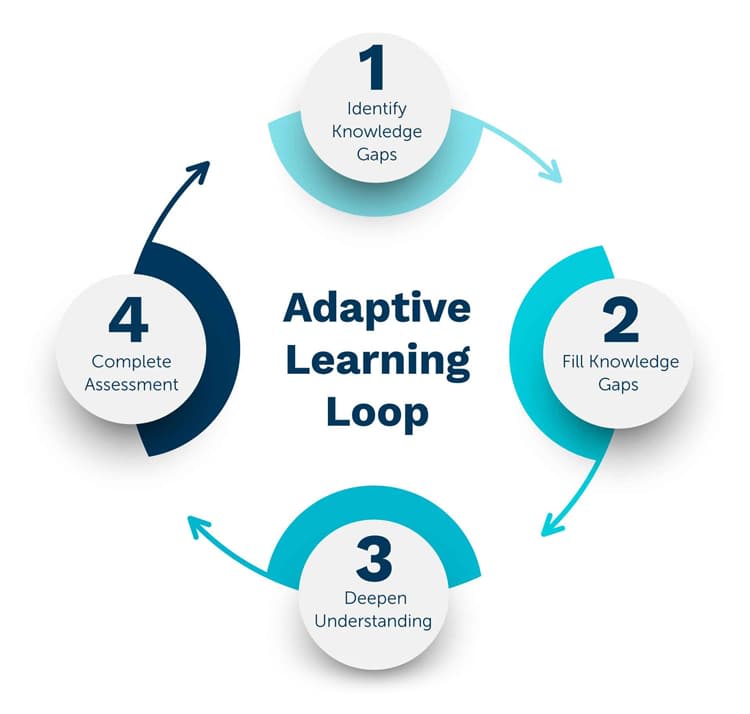
Imagine having free access to more than 1,300 sample board review questions and more than 130 practice tests. If you’re an AAFP member, it’s all at your fingertips. Find and fill the gaps in your knowledge, chart your progress and follow up with a board review course to cover even more.

CME opportunities for family medicine
CME requirements remain the same in the five-year recertification model—200 credits over the first four years, consistent with the 50 credits per year average needed to maintain active AAFP membership. Completing the longitudinal assessment is worth 30 credits.
Longitudinal assessment CME
In-person and livestream CME