
Loan repayment strategies for medical students and residents
Which plan is right for you? We spell out the options.

Learn about all the choices for paying off medical school debt in a way that fits your finances.
Medical students carry more debt than those in any other field of study. Becoming a physician is expensive, and eventually, those six-figure loans have to be paid back. Whether you start making payments during residency to keep interest costs down, or wait until you have the financial security of a physician’s salary, it’s important to know all your options.
The government offers several repayment options for federal loans. Private lenders will have their own terms and timelines. Loan consolidation or forgiveness may also be possible especially for those pursuing family medicine in underserved communities, though program availability can change.
Here we break down the various programs so you can pick the best fit for your situation. The AAFP recommends using a loan repayment calculator, like the MedLoans® Organizer and Calculator (MLOC), to understand the costs of different loan repayment scenarios. The National Student Loan Data System (NSLDS) will show you what you owe the federal government.
Average medical school debt in 2025, excluding undergraduate loans.
Preparing for loan repayment before residency
What to know before graduation
Having an organized financial strategy in place before graduating from medical school will put you on the right track toward managing education debt during residency.
Here are some key areas to research so you can pay off your loans in a way that works for you, while working toward a prosperous financial future.
Repayment plans: Look into all the options. It’s crucial to find a plan that works with your budget, lifestyle and goals.
Automatic payments: Set them up to help with budgeting, ensure you don’t miss a payment and help build your credit score.
Interest: It's important to understand whether the interest on your loan(s) will capitalize or compound, and what that means for paying them off.
Choosing a repayment plan during the grace period
Most federal student loans have a grace period after graduation, usually six months, during which you don't have to make any payments while you move into residency and get settled. Interest does accrue, though, and will be added to your principal balance. You will need to contact your loan servicer(s) to learn what options you have for loan repayment or postponement over the next several years of your training. The two primary options are deferment and forbearance, which we explain in more detail below.
Managing loans as a new resident
Federal loans offer standard, extended and graduated repayment plans, as well as four income-driven repayment plans based on income and family size. In some cases, payments are capped after a set remainder of your balance is forgiven. These may be good options during residency when your income is likely to be lower.
Income-driven repayment plans
Pay as You Earn (PAYE): Monthly payments are capped even if your income goes up.
Income-Based Repayment (IBR): Monthly payments are capped even if your income goes up.
Income-Contingent Repayment (ICR): Payments not capped, based on income and family size.
Repayment Assistance Plan (RAP): Sets monthly bills to 1% to 10% of your Adjusted Gross Income (AGI), offers a $50/month discount per dependent and waives unpaid interest to prevent balance growth.
If you have multiple federal loans (and monthly payments), you can fold them into a Direct Consolidation Loan. This program may help your long-term debt situation by:
Changing your variable interest rate loans to a fixed rate based on the average of the original loans’ interest rates, rounded up to the nearest 1/8 of 1%.
Extending your repayment period by up to 30 years. This could lower your monthly payments, but you'll pay more interest over the life of the loan.
Other programs offer to consolidate federal and private loans into one monthly payment. But the resulting interest costs might not be worth the convenience.
While the Direct Consolidation Loan combines your federal loans under a single interest rate, moving your federal debt into a private consolidation program could lead to compounding interest, as private loans usually have higher interest rates. For this reason, some borrowers choose to consolidate their federal loans, while managing private loans separately.
There are other factors to consider with loan consolidation, such as whether you may lose credit for payments made toward income-based repayment or public-service forgiveness plans.
Recent changes to federal loan borrowing programs
Public Service Loan Forgiveness (PSLF)
The PSLF program forgives the remaining balance on an individual's direct loans after he or she has made 120 qualifying monthly payments under a qualifying repayment plan while working full-time for a government or not-for-profit organization.
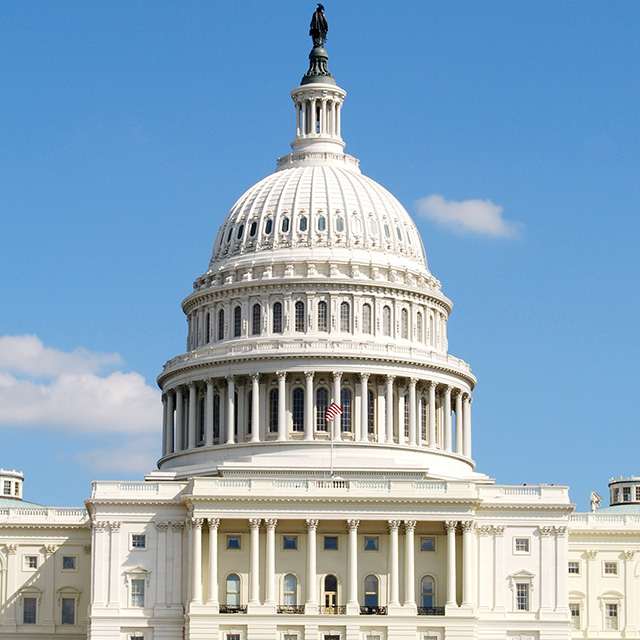
However, a new rule from the federal government redefines how PSLF codifies “qualifying employer” starting on July 1, 2026. The AAFP’s position is that the rule introduces ambiguous criteria for disqualifying participation in the program and sets no clear appeals process. The Academy warns that these “overly broad” parameters would have a chilling effect on the health care workforce and disproportionately harm rural and underserved communities.
If you plan to enter this program, be sure that you have accurately researched requirements and eligibility for PSLF. There are strict guidelines regarding which payments qualify for forgiveness, and proper documentation is essential.
Advocate for the PSLF program
Deferment vs. forbearance
Both deferment and forbearance allow you to postpone paying your federal student loan balance or reduce the amount. The difference between the two—and a major factor in deciding which one to go with—is how interest accrues.
If you qualify for deferment, interest won’t accrue on direct, subsidized loans. However, interest will accrue on unsubsidized loans, and the interest will be capitalized (added to your principal balance) at the end of the deferment period.
In forbearance, interest accrues on all types of federal student loans. The interest isn’t capitalized at the end, but you still have to pay it.
Budgeting and financial planning
Creating a residency budget
Budgeting gets a little easier in residency, as your pay is a definite step up from life as medical student. But folding in student loan repayment makes it even more important to not just make a budget and follow it, but to review and update it during residency, especially if you’ve moved to a city or town with a higher cost of living.
AAFP Careerlink's cost-of-living comparison tool shows the average cost of rent, utilities and gasoline in different areas.
Other factors to consider when creating a residency budget:
Don’t forget savings: Adjust your expenses so you’re putting some money into a liquid savings account for emergencies.
Start investing: Participate in your employer’s 401k or 403b plan and max out your contribution, especially if there’s a company match.
Seek professional advice: Consider working with a certified financial planner to set up a tax-advantaged, long-term budgeting and savings strategy.
AAFP resources and support
Loan repayment partner programs
These AAFP partner programs offer member discounts on a variety of financial services.
Frequently asked questions
What happens if I miss a payment?
Making a late payment on your student loan balance, even by a day, can trigger a domino effect of negative consequences.
The first day after a missed payment, your account will be considered past due, or delinquent. It will remain so until you make the payment or make another arrangement, such as refinancing, deferment or forbearance.
If you’re still past due after 90 days, your loan servicer will report the delinquency to the national credit reporting bureaus, which can hurt your credit score. Extended delinquency can risk your loan going into default.
Setting up automatic payments is a good way to avoid late payments. You can get more information on how to avoid delinquency and default here.
Can I refinance during residency?
Yes. Refinancing programs are available that can cap your payments at $100 a month for the duration of your residency and fellowship. AAFP partners KeyBank and SoFi offer these refinancing options.
Be aware that refinancing federal loans into a private loan carries risk; you may lose benefits like access to deferment or forbearance, the accompanying relief from accruing interest and access to certain repayment plans. More information on refinancing is here.