
Explore family medicine as an IMG

- On this page
- Explore family medicine as an IMG
- Why choose family medicine in the United States?
- The role of international medical graduates in family medicine
- What is family medicine residency like in the U.S.?
- Explore family medicine career opportunities
- Is family medicine the right fit for you?
- Ready to pursue family medicine residency?
Discover how your experiences and interests can shape a career in U.S. family medicine.
Explore family medicine as an IMG
Family medicine offers international medical graduates (IMGs) the opportunity to build meaningful relationships with patients, care for people throughout their lives and make a difference in communities across the United States.
Whether you're exploring medical specialties or considering family medicine residency, understanding how family medicine is practiced in the U.S. can help you determine whether it aligns with your interests, experiences and professional goals.
What is family medicine?
Family medicine is a medical specialty focused on comprehensive, continuous and coordinated health care for people of all ages.
Family physicians diagnose and treat acute and chronic conditions, provide preventive care, manage complex health needs and help patients navigate the health care system.
Rather than focusing on one organ system, disease or age group, family physicians care for the whole person within the context of their family and community.
Family physicians often develop long-term relationships with patients, caring for them through different stages of life.
Learn more about what makes family medicine unique, or watch the AAFP's Family Medicine: Explore the Specialty Without Limits webcast.
What do family physicians do?
The scope of family medicine is broad. Depending on their training, practice setting and community needs, family physicians may provide:
Preventive care, screenings and immunizations
Diagnosis and treatment of acute illnesses and injuries
Management of chronic conditions such as diabetes, hypertension and heart disease
Care for children, adolescents, adults and older adults
Reproductive health and pregnancy-related care
Behavioral and mental health care
Office-based procedures
Care coordination with specialists and other health professionals
Some family physicians also provide hospital care, maternity care, urgent care or other services based on their training and practice setting.
Why choose family medicine in the United States?
Family medicine offers opportunities to combine a broad range of clinical interests with long-term patient relationships and community-focused care.
Family physicians often care for patients over many years, developing an understanding of their medical history, family circumstances and health goals.
These relationships allow physicians to support patients through preventive care, new diagnoses, chronic conditions and major life transitions.
If you enjoy caring for patients with different health needs, family medicine offers variety.
Family physicians manage conditions across multiple organ systems and often serve as the first point of contact for patients seeking care.
The specialty also offers opportunities to develop additional clinical interests and skills throughout your career.
Family physicians play an important role in expanding access to primary care, particularly in rural and underserved communities.
Their work extends beyond individual patient visits to include preventive health, population health, health education and addressing barriers to care.
Family medicine offers flexibility to pursue different practice settings, patient populations and professional interests.
You might choose outpatient primary care, academic medicine, rural practice, hospital-based care, community health or another path aligned with your training and goals.
Explore the AAFP's family medicine career options to see how physicians tailor their careers to their interests.
The role of international medical graduates in family medicine
International medical graduates are an important part of the U.S. physician workforce and family medicine community.
IMGs bring clinical experiences, cultural perspectives, language skills and knowledge of different health systems that can enrich patient care and health care teams.
These experiences may be particularly valuable when caring for patients from diverse backgrounds and communities.
Your international experience can be an asset
Your medical education and clinical experiences may have helped you develop skills in communication, adaptability, problem-solving and caring for patients in different environments.
As you explore family medicine, consider how these experiences have shaped your approach to medicine.
For example:
Have you cared for patients across different ages or stages of life?
Have you worked with patients from diverse cultural or socioeconomic backgrounds?
Have you provided care in communities with limited resources?
Do you enjoy building relationships with patients and families?
Have your experiences strengthened your interest in preventive care or community health?
These reflections can help you identify what draws you to family medicine and communicate that interest as you prepare for residency applications.
The AAFP's residency application guidance includes advice on communicating your experiences and interest in family medicine through your application and interviews.
Learn from other IMG physicians
IMG physicians have followed many paths into family medicine, including transitioning from other specialties, completing residency in a new country and pursuing careers in education, advocacy and leadership.
Read how Rashmi Rode, MD, navigated the transition to U.S. residency and how Tochi Iroku-Malize, MD, MPH, MBA, built a career in family medicine leadership.
Explore additional experiences in the Stories from IMG Physicians collection on the IMG resource hub.
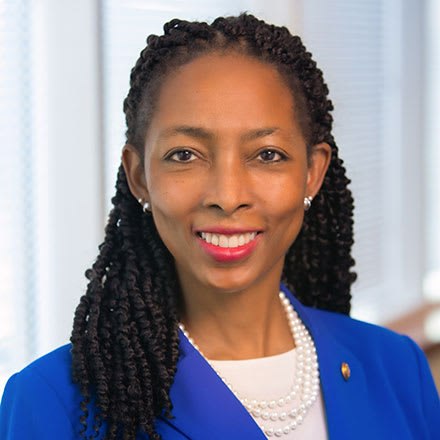
Read stories from international medical graduates
What is family medicine residency like in the U.S.?
To become a family physician through the traditional U.S. training pathway, physicians complete an accredited family medicine residency program.
Most family medicine residency programs are three years long.
Residency combines supervised patient care, structured education and progressive responsibility as residents develop the skills needed for independent practice.
The AAFP's medical student resources offer additional information about preparing for family medicine residency.
What will you learn during family medicine residency?
Family medicine residency training generally includes experience in:
Outpatient primary care and continuity of care
Adult inpatient medicine
Pediatrics and adolescent medicine
Women's health and maternity care
Geriatrics and care of older adults
Behavioral health
Emergency and acute care
Chronic disease management
Community and population health
Training experiences, clinical opportunities and areas of emphasis vary by program.
Use the AAFP Family Medicine Residency Directory to explore programs by location, community setting, clinical strengths and other characteristics.
Family medicine emphasizes comprehensive care across the lifespan, continuity of care and the relationship between patients, families and communities.
Unlike specialties focused primarily on one age group, organ system or type of condition, family medicine prepares physicians to address a wide range of health concerns.
If you're comparing family medicine with internal medicine, pediatrics or another specialty, explore our Why Choose Family Medicine? resource to learn more about the specialty's distinctive approach to patient care.
You can also watch Vibe Check: Is Family Medicine Right for Me? video series for physicians’ perspectives on choosing the specialty.
What should IMGs know about U.S. residency?
Even if you have previous clinical experience, U.S. residency may involve unfamiliar expectations related to supervision, documentation, team-based care and performance feedback.
Residency programs provide structured training, orientation and assessment to help residents develop their skills.
Our applying to residency guide explains the application process and what to expect after the Match.
Explore family medicine career opportunities
A family medicine career can take many forms. Your training can prepare you to provide comprehensive primary care while developing additional interests and professional skills.
Where do family physicians work?
Family physicians practice in settings such as:
Private and group practices
Community health centers
Rural and underserved communities
Academic medical centers and residency programs
Hospital-affiliated practices
Federally qualified health centers
Other outpatient and community-based settings
Some family physicians also pursue roles in research, health care administration, public health, education and advocacy.
Our family medicine career options guide provides a detailed look at different practice settings, professional roles and career considerations.
Can family physicians pursue additional training?
Yes. Some family physicians choose fellowship training or other advanced educational opportunities in areas such as sports medicine, geriatrics, hospice and palliative medicine, or maternal and child health.
Additional training requirements and opportunities vary.
Explore family medicine fellowships and career pathways to learn about advanced training options and how they can support your professional goals.
Is family medicine the right fit for you?
Choosing a medical specialty is a personal decision. As you explore family medicine, think about the type of physician you want to become and the patients and communities you hope to serve.
Consider these questions:
Do I enjoy caring for patients of different ages?
Am I interested in both preventive care and managing complex medical conditions?
Do I value long-term relationships with patients and families?
Do I want to work with an interdisciplinary health care team?
Am I interested in community health and improving access to care?
Does family medicine offer opportunities that align with my clinical and professional goals?
Talking with family physicians, connecting with mentors and exploring residency programs can help you make an informed decision.
For additional perspectives, watch the AAFP's Vibe Check video series or explore why physicians choose family medicine.
Ready to pursue family medicine residency?
If family medicine aligns with your goals, the next step is understanding the U.S. residency application and Match process.
Start with the our Applying to residency guide, which covers application materials, interviews, program selection and the Match.
You can also explore programs through the AAFP Family Medicine Residency Directory, which has an indication by program of who sponsors visas for non-citizen, non-resident IMGs.