
"Vibe Check #5: Is Family Medicine Right For Me?"
Discover how DPC gives family physicians more autonomy and time to focus on patient relationships.
Part of the “Vibe Check: Is Family Medicine Right for Me?” video series, presented by the AAFP in partnership with the Association of American Medical Colleges (AAMC), this session features inspiring family physicians who share their career journeys, the versatility of family medicine and insights into choosing the right medical specialty.
What you'll learn:
How family medicine can offer broad clinical scope, deep patient relationships and meaningful connections to the communities you serve.
What direct primary care (DPC) is and how the model creates a direct, relationship-based connection between family physicians and their patients.
How DPC can give family physicians greater autonomy, flexibility and time to provide accessible, personalized care.
Ways students and residents can explore DPC firsthand, including visiting practices, learning from physicians, and finding mentors who can expand their view of what a career in family medicine can look like.
Who should watch?
Medical students exploring specialty options
Residents considering fellowships or subspecialties
Anyone passionate about holistic, patient-centered care
Watch the recording above or read the full transcript below to get inspired by the real-life stories of family physicians shaping the future of healthcare!
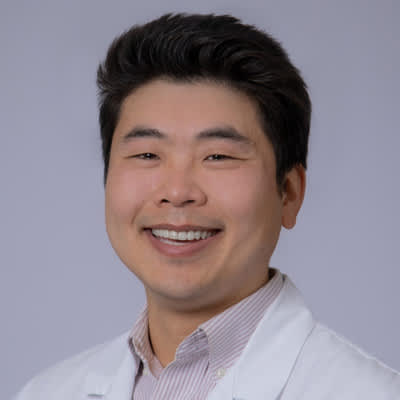
Bright Zhou, MD (Host)
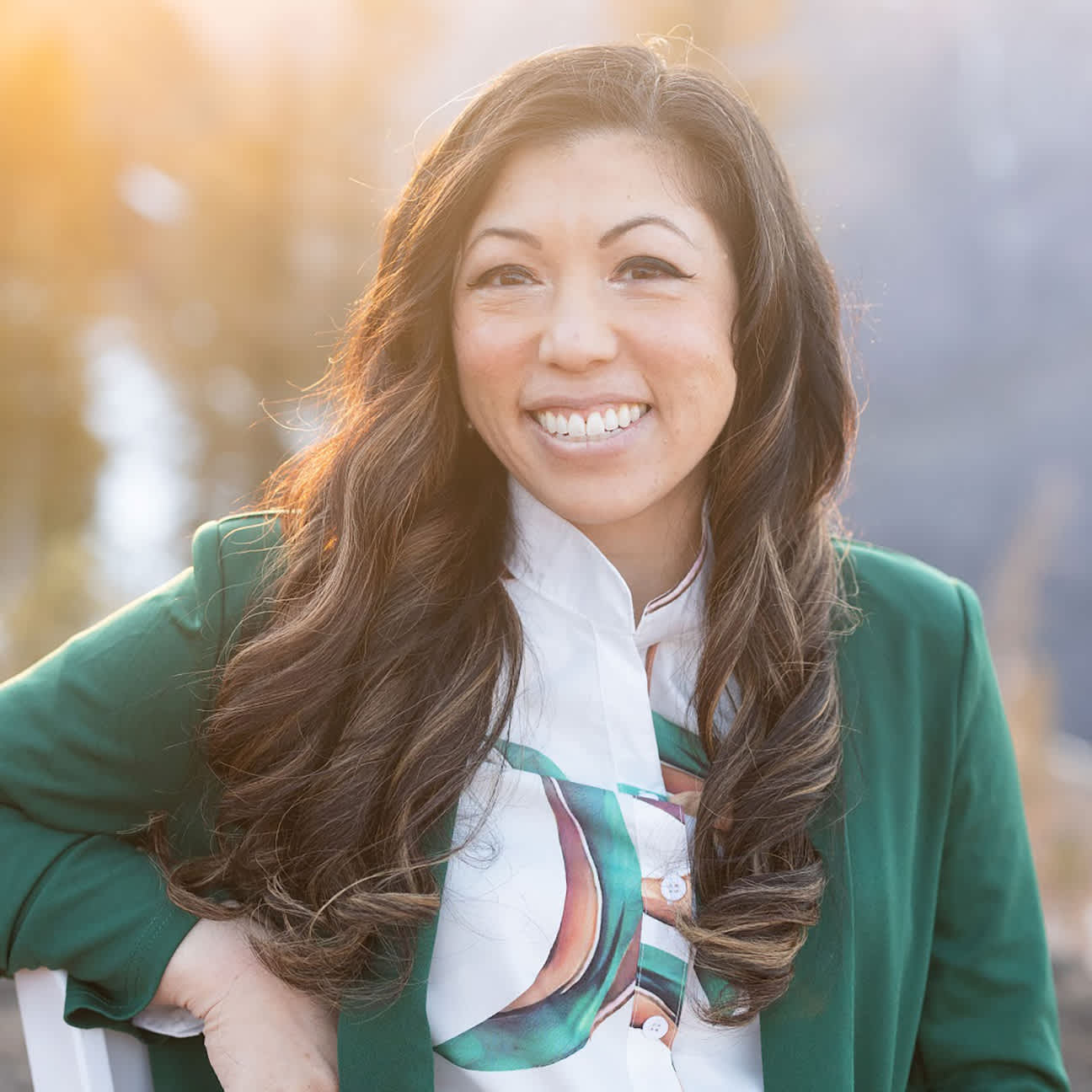
Maryal Concepcion, MD, FAAFP
Introduction: Choosing a medical specialty with AAMC Careers in Medicine
Bright Zhou, MD
Hi, everyone. My name is Dr. Bright Zhou, and welcome to "Vibe Check: Is Family Medicine Right for Me?" brought to you by the American Academy of Family Physicians in partnership with the Association of American Medical Colleges. Choosing a medical specialty is one of the most significant decisions we all make in medical school, and it will change your wellness and your satisfaction throughout your entire career. That's why the AMC created Careers in Medicine, a comprehensive career planning guide that's designed to help students navigate this process with confidence. Careers in Medicine provides evidence-based assessments and structured guidelines to help you make informed career decisions that align with your own evolving skills, values and interests. There's four phases, and we're going to dive into them now.
Research shows that people are more likely to feel satisfied in their professional lives when their career aligns with who they are: things like their interests, their values, their personality and their skills. That's why phase one, Understanding Yourself, is where we begin when deciding on our specialties. In the field of medicine, these personal qualities often show up in the different kinds of practice settings you prefer, the kind of patients you work with, the kind of medical conditions you treat, even the kinds of colleagues you like working with, and the kinds of tasks that bring you joy. You can use the Careers in Medicine self assessment tools to create a strong foundation for identifying what you truly want in your medical career or not, and ultimately decide which specialty or specialties are the best fit for you.
Exploring medical specialties: Research, comparison and career fit
Bright Zhou, MD
Phase two guides you through how to research and evaluate all of the over 200 specialties that exist out there, and how to provide you with detailed profiles for what each specialty looks like. These profiles highlight all the essentials: what does the work look like; what is the training required; salary expectations; competitiveness and more. So you can start to understand what even exists out there in the world of medicine. You'll find guidance on networking, informational interviews, strategies for preparing yourself with these meaningful experiences when you're on rotations. These tools are designed for you to connect with what you're learning about yourself in phase one, with what you're learning about each specialty, so that you can explore your options more confidently and intentionally.
Moving forward to phase three: Choosing Your Specialty. You're going to shift from this broad exploration of everything out there to making a more informed decision about what's right for you. This phase gives you tools and strategies to evaluate your options more intentionally, including guidance on how to weigh what matters most to you, how to compare specialties and how to make that decision with confidence. These tools together will help you bring everything that you've learned about the specialties and about yourself into a clear, well-supported decision about your future path. That sounds good to me.
Now, phase four, once you've made that decision, is about, how do you actually prepare for residency? What are all the resources out there for your specialty or specialties of choice to help you confidently navigate the match process or the residency process. This phase walks you through how to research programs effectively and how to build out your application strategy.
Wherever you are in your journey, Careers in Medicine is your trusted guide to explore intentionally, to track your progress and to stay connected to your career goals. Careers in Medicine is free for U.S. MD and DO students. To get started, visit careersinmedicine.aamc.org.
Meet Maryal Concepcion, MD: A family physician in direct primary care
Bright Zhou, MD
Now that we've got the framework for how to choose the best specialty for y'all, let's dive into a little bit of why we're here and get the tea from these family medicine physicians. Today we're joined by Dr. Maryal Concepcion, a family physician who chose a different path as a DPC doctor, direct primary care, and chair of the AAFP direct primary care member interest group. She advocates for physician autonomy and relationship-based care. She's the host of the My DPC Story podcast, where she interviews physicians who left traditional systems to build practices rooted in access, transparency and joy in medicine.
Bright Zhou, MD
She's also the co-founder of the DPC Directory, a platform built to strengthen the DPC ecosystem by connecting physicians with aligned businesses and orgs that understand the model. Through DPC Story's growing community on Instagram, Facebook, LinkedIn, YouTube, and TikTok (@MyDPCStory), she continues to amplify physician voices and challenges what a primary care physician can look like. She'll be at the DPC Summit in New Orleans and invites premeds and medical students to come learn what independent physician-led medicine actually looks like in real life. Dr. Concepcion, thank you so much for joining us. I'm thrilled to have you here.
Maryal Concepcion, MD, FAAFP
I am so thrilled to be here. Thank you so much for having me.
Why choose family medicine? Community, relationships and full-scope care
Bright Zhou, MD
Let's just dive straight in. Something that we've been doing in our series so far is hearing these inspiring stories from really well-established family physicians all across the country. One of the things that we always start by is asking, what inspired you to join medicine, and specifically family medicine?
Maryal Concepcion, MD, FAAFP
Medicine was not a thing that I wanted to be since I was five. It was actually something that was inspired by my second cousin, who has Down syndrome. I was just so amazed. His mom (my first cousin) went to go get her master's degree, and so she needed help watching Michael. I went to Arizona, lived with them for a month, and just stayed with Michael so she could finish her education. I took him to physical therapy, occupational therapy, music therapy, speech therapy, and it was so incredible to see this person who has Down syndrome, sure, just like people are right-handed and left-handed, treated no differently and challenged as much as a child, in my opinion, should be to, you know, do the best that they can. And to this day, it's amazing because he's a DJ. Back then, though, when he was four, I was seeing how impactful it was to be in health care in general, and so I went to UC Davis.
Maryal Concepcion, MD, FAAFP
I thought I was going to do pediatrics, thought I was going to do physical therapy, thought I was going to do this and that, and eventually, through rotations, I found out that what I loved about medicine in general is basically the ability to be with people at their most vulnerable times, but also at the times when they're frustrated and happy and sad, and all of the things. So family medicine, for me, was like being with my own family, and we're a big Filipino family, so all the things that happen in our family is what I got to celebrate with our patients, and that has definitely, thankfully, held true even today.
Bright Zhou, MD
That's incredible, and thank you for highlighting the themes of community and themes of community within our communities. I think that's been something that those of us who are watching the whole series can really see—that all the family physicians that we've highlighted have really talked about their history and origin within the community, within their personal family and within service. So, I really appreciate just another example of the amazing family physicians that we have who are here with us. One of the things I want to talk to you specifically, Maryal, is your experience with a different kind of medicine, if you will. I think a lot of students and residents, even out there, think about family medicine, and they think maybe it's just bread and butter, or maybe they think that it's a bunch of really fast-paced 10- to 15-minute appointments with a lot of overhead paperwork and things like that. Can you talk a little bit about how you explored and eventually found a solution to this problem that fits you and your passions.
Maryal Concepcion, MD, FAAFP
Absolutely. Going back to what you just said about community, what I was taught on and what I saw in residency, in terms of when I was in rural America, was that people had relationships with their physicians, meaning that person probably delivered their kids and their kids' kids in some cases. And so I really appreciated the time to build relationships with patients that I saw. In the traditional training, I went to three years of unopposed family practice residency through a UC Davis-affiliated program in Modesto, California, and I was able to have a very wide, amazing experience as to what family medicine scope can encompass. It was then I thought about, "Okay, cool, we're learning all of these things, but then how do I protect that type of practice when I go and leave residency and start practicing on my own?" So at that point, it was really driven by: I did colonoscopies at the time, and I wanted to be in a place that allowed me to do colonoscopies still—to promote the family medicine physician full-scope capacity, because that's what I love about being a rural doctor, especially. So it was a very limited pool, because I grew up in Sacramento, and so I wanted to find something in Northern California that allowed me to do colonoscopies, and my husband, who's also a family doctor, wanted to live in the trees. I kid you not. It's because he grew up at a high elevation, and he wanted to be in the forest, and so we found one location that offered both of those, and we were grateful to have the type of practice that we wanted to be offered, and it was for a few years until it wasn't.
Discovering direct primary care and physician autonomy
Bright Zhou, MD
That is so cool to think about how colonoscopies fit within your larger passion for providing access to your patients. And I'm very curious—you mentioned that this was a system that no longer served you. Tell me a little bit more about what the new solution that you found was.
Maryal Concepcion, MD, FAAFP
I did not have any education or knowledge about another way to practice other than what we were taught in residency. And I think that, especially in California, where you and I are located, the CAFP statistics are like 80 to 90% of residents go into employed medicine, so I can totally understand that statistic, because what we're shown in residency is what we typically will do after. And so, hanging a shingle is not a thing, even though that's how family medicine doctors used to roll in the days. I was so frustrated—not because any of this was new or surprising, but because it wasn't. What was so frustrating was hearing the same plea from family physicians: they want more time with patients, stronger relationships and the ability to be there when their patients are actually sick instead of sending them to urgent care. Those were the things I wanted for my own practice, and realizing how difficult they were to achieve left me feeling deeply frustrated. There's got to be a different way.
Maryal Concepcion, MD, FAAFP
And, ironically—it was an orthopedic surgeon—she had left the hospital system that I was working for at the time, and she said, "You need to look into DPC." So sure enough, this is like Neo taking the red pill and following that bunny rabbit. I went to an AAFP or CAFP event in Monterey one year at the annual meeting, and sure enough, there was a person (who is now one of my mentors) sitting at a table with a sign that said "DPC." And I said, "I'm totally going to take your whole time for the rest of the afternoon, because what is this DPC?" And what I got from talking with Dr. Jeannine Rodems for hours was, "So you're telling me that there's a way that the physician can work directly for their patients, and patients pay for that and they want that, and you get to determine what your practice looks like, what you get to offer to your patients? Okay, I am hooked."
Maryal Concepcion, MD, FAAFP
That was, what we say in DPC, drinking the Kool-Aid. I totally guzzled that down like no one's business, because I was so frustrated with my practice and the autonomy that was being squeezed out of me, the time that was being taken away from my patients, and the frustration that I would have to deal with when people are waiting in the waiting room an hour and a half. And it was just like, why? Why do we have to do it this way? And when I heard that people were doing this magical unicorn form of medicine, which ironically is not that innovative, because it literally is what we used to do as family doctors before we had specialist-heavy health care. It was just incredible to say, "That's real. I could do that."And I was so grateful that I had somebody say to me, "You should look into DPC."
How medical students and residents can explore direct primary care
Bright Zhou, MD
Yeah, what advice would you give to a student or a resident, particularly a resident who is intrigued by this magical world of family medicine through DPC. What can a resident do now as part of their training to prepare themselves for that practice that you're talking about?
Maryal Concepcion, MD, FAAFP
That's a wonderful question, and I think that what a person who is in medicine in general at any level, whether they're thinking about medicine, pre-medicine, in medical school, or in residency, or heck, even after residency, it's very valuable to actually go visit a direct primary care practicing physician, because there is no way when you're so entrenched in the way that insurance medicine is run. It's almost impossible to think about, but what if you didn't have to do the billing and the coding? That's just not even a thing. That's such a weird construct. And it's like, yeah, you just take care of your patients, like you get paid to call the patient's son in the next state over, because they have questions. You get to find wholesale medications for this person, so when their insurance changed and they couldn't afford their medicine anymore, you could just buy 500 pills of the same medicine for $2 and give it to them that way through your own clinic, or you could tell them that you can pay $3,000 for your MRI, or you could jump the line and get your fast pass and go down and pay $465 for your MRI. It's just so empowering to actually see a person practicing and speaking the language of transparent medicine that really just changes the trajectory of someone's envisionment and possibility of what family medicine is.
Bright Zhou, MD
I know that's something that many of my residents that I work with talk about, right? We talk about the moral injury that comes with having medications denied by arbitrary insurance practices or middlemen. And so that's so amazing, and I know that part of the DPC directory, part of creating your online presence of DPC is to provide a space for those, like you said, right, any stage of their training to find out a little bit more, and I'd love to give you a chance to talk a little bit about that, like the giving back to the community. Where would the person go to find a DPC that they would want to shadow or learn from—their mentor. How can they find a mentor?
Bright Zhou, MD
I feel that. I relate to that so much, specifically in the world of social media and the world of virtual spaces. Definitely, social media was a space for me to seek out other like-minded people, specifically focusing on family medicine, health justice, things like that, and I totally relate to that, and I think that's something that connects the two of us, is the way that we've been able to create community out of frustration. I'd love to talk a little bit now about your practice. Can you walk me through a typical day, if there is one, or a typical week, maybe? What does the practice look like?
What a direct primary care practice looks like
Maryal Concepcion, MD, FAAFP
I'll start with atypical, but this paints the view of how this is typical DPC. I know you're aware, but for the listeners, I'm actually in an Airbnb in Sacramento doing this podcast, because we had so much bad snow, it looks like a war zone in Arnold, California, and we still don't have internet up there. So I'm managing my patients from Sacramento, California, because I don't have to code, and I don't have to worry about, "are my visits—my communications with my patients—covered by insurance?" I literally am just like, "What do we need to do to get a hold of you?" Email, phone call, video chat, multiple texts, whatever it is. But we are in the relationship and no longer is the middleman or insurance dictating how I can communicate with my patient. And so it's so powerful, and it represents the autonomy to a T, as to you get to also be a human being.
My husband is also a physician at the practice with me. The practice opened a little over four years ago. We have an eight year old and a five year old. School has been canceled since last Tuesday, unexpectedly, so while lots of Legos have been sorted, we have been able to continue to be doctors. We've told our patients transparently, "Look, we are having issues because of the snowstorm." We physically can't access our clinic right now, but that does not mean that we can't access internet; my husband's driving to get internet. I'm down here in Sacramento for the week, but this is the power of family physicians being able to be free to practice in the way that they need to to take care of their community in the way that the community needs to be taken care of.
Finding DPC mentors, physicians and direct primary care resources
Maryal Concepcion, MD, FAAFP
Love this question. So, I have been working on building a mapper of our guests. We're going into our sixth season. It's a weekly podcast featuring DPC doctors all over the nation, in different parts of the nation. And so myDPCstory.com is where you can go, and you can find our mapper, but basically, if you go to a DPC doctor, and if you can listen to their episode before you go, I think it really adds a layer of knowing a person before you just show up cold call at the clinic. And I think that it also starts building that relationship before you even meet in person, so that's what I really love about these stories being out there is that you never know who you're going to be listening to, what they say, and if it's going to relate to you, and how deeply it relates to you, and how you can picture yourself doing or not doing things that other people have done or not done. And so I think that it's, again, that's why it's called myDPCstory, it's not about me, it's about the story of direct primary care. And what I saw from people listening to the podcast is they wanted more resources. They wanted, like, where do I find a person to partner with to do marketing who understands direct primary care? Lawyers who work with direct primary care practices, and so this is where things like the DPC directory came into being.
Maryal Concepcion, MD, FAAFP
And this season, I'm excited because we're also working on sharing patient stories, so we have a separate patient mapper, so if there's a patient that needs a DPC doctor, we also have a mapper coming out for that on caringdirectly.com. But myDPCstory.com was birthed out of: I don't know what else to do with my very frustrated situation being an employed physician. And the only thing that I could think of that was constructive was to start interviewing my colleagues about, "How did you do this, because I need to know more for myself, as well as everybody else who wants to know more, is going to hear your story."
Direct primary care and patient access in rural communities
Bright Zhou, MD
Yeah, you shared the story of caring for a pregnant patient. I was wondering if you could share that for our listeners as just another example of providing that access directly to the patient, both in time and in geography. Do you mind sharing that story again?
Maryal Concepcion, MD, FAAFP
Yeah, absolutely. I think this is one of the most powerful experiences that I had in DPC, and especially in rural America, where we find access being encroached upon over and over and over again. We live in a town of about 4,000 people—hour and a half from the nearest Costco or Target. There's 45 minutes between us and the nearest emergency room. So when it came to one of my patients who was expecting, she, I believe, was 28 weeks pregnant. She had suffered a miscarriage in the emergency room with her last pregnancy, and just had a horrific time in the ER. She was treated like, "eh, you're not dying, so we'll get to you," type of passive behavior. And whatever the reason was for that in our practice, when the same person had started bleeding during her second trimester, she was completely freaked out about, "Is my baby alive? Is my baby gone? What is going on?" And because I'm a DPC doctor—and this is a more normal day when we don't have snowstorms—but she was able to call me and say, "Hey, this is going on, I'm bleeding, I'm freaking out," and I said, "Hey, why don't you meet me in the clinic in 30 minutes?" And I plugged in my ultrasound to my phone, and I did a check on her belly, and baby's heartbeat was right there, and baby was moving around. And this patient had tears of joy coming out of her face, rather than tears of horror, or tears of being passed over, or tears of being left alone to have fear without anyone even talking to her. It was so rewarding that because I don't see 2,000-4,000 patients on my panel, I am able to be accessible for my patients when they actually need care. And especially important as a mom, I totally understand how, like Dr. Brain, especially, and we're the worst patients. I do think that that is true, but when even with education, I would freak out when something was weird happening with my pregnancies. So the fact that our patients have the ability to say any question at any time they're like, "Hey, I'm freaking out," and that's what we're here for.
Maryal Concepcion, MD, FAAFP
And I will say also here, though, that patients are very cognizant about taking care of their doctors, so this is not a practice type where commonly you'll see patients bugging you at 2 a.m. for their colace. That happens in the hospital; does not happen in DPC because patients are invested in that relationship, and so they want to take care of their doctors. I'll give you another example. This is how most of our patients are. I lost the bottle of Kenalog that I was supposed to use on a patient—couldn't find it. And my patient walked in to get her Kenalog shot, and I said, "Hey, do you mind if you come back this afternoon because I can't find the Kenalog?" And she's like, "Okay, I don't care about the Kenalog, but I'm so mad that you didn't give me pictures of the boys." And I'm like, "That's hashtag real problems right there. I will take that any day over a pissed off patient waiting in the waiting room."
Bright Zhou, MD
You're so right, and I hear so many stories from my colleagues in DPC about patients chatting about their lives, meeting patients not even in the confines of a clinic, right, like meeting them at a coffee shop, meeting them outside, going for a walk with the doc. I do think that the creativity of DPC really allows for the creativity of the family physician to shine, ultimately for the service of their community, and I just really appreciate all the stories that you've shared that highlighted that.
What is direct primary care? A relationship-based model of family medicine
Bright Zhou, MD
I'm going to reframe here. I wanted to start with the definition of what DPC is. I would love to hear your definition as an expert in the field. How would you define DPC to our students and residents who might be hearing about it for the first time?
Maryal Concepcion, MD, FAAFP
I love this question. I think that it really focuses in on that direct primary care, at the end of the day, is a relationship between a patient and their physician. And that is actually what the CAFP has adopted in their resolutions last year, that it is literally a relationship. So it not insurance; it is a form of health care access that is built between a physician and their patient directly, that is typically in a monthly payment fashion and is open to anybody and everybody. So, I say that because I do love also challenging the fact that this is concierge medicine—that's definitely the more common term between direct primary care and concierge medicine. But concierge medicine has a price tag that most people cannot afford.
Direct primary care is a model of care where your family physician, if they have the time and the access, you have 80-90% of your everyday issues covered by your doctor. So that, to me, makes direct primary care so much more valuable in the accessibility of our training as family doctors, and it is absolutely what patients rave about the model for.
Bright Zhou, MD
It just strikes me that family medicine is so well equipped, so uniquely equipped for DPC, in that we've always been saying from all of the other members who have spoken on the series about our ability to access cradle to grave/womb to tomb—all the different ways you want to frame it—just expansive care for whoever walks through the door. It should be family medicine who really champions—and it is family medicine who are championing this DPC practice—and I love the way that you're talking about framing our own training to allow us to give our training back to our community, and that's amazing. I appreciate that.
I would love to end our conversation with just one final question that we've asked all of our speakers so far. If you could go back in time, what advice would you give to your younger self?
Advice for future family physicians: Recognizing your value
Maryal Concepcion, MD, FAAFP
So, I think that, especially now, being 43 and with two little kids, I think about what would I have told my younger self pretty often, because I do have a lot of pre-medical students, like my cousin is applying to medical school right now—just took his MCAT. I think the biggest thing, the most valuable thing that I would tell anybody in their medical training is: you are valuable as an individual and you cannot be replaced by a nurse practitioner, AI, all of the things, there is only one physician named your name. And that is so powerful for me, because when we were in training, when we were in medical school, I very much felt like a number, and even though I went to Creighton, love Creighton, love that our professors were so personable. In terms of you had to achieve x or y or z to be able to do the next thing, you had to pass your boards to get to the next thing—that's the the numbers feeling that I got, that's that's what I got the numbers feeling from.
Maryal Concepcion, MD, FAAFP
But when it comes to what my patients actually value, it's my personality, it's my way of talking with them, it's my husband's way of talking with them. And so this is where, in a time where physicians are finding themselves relieved of their jobs, because the systems or system is saying, "you're not really valuable" by putting more patients on a panel, by cutting down the time a person has with a patient—all of these little cuts, death by 1000 paper cuts. What I feel really is what pulled me out of the ashes is that I have value and my patients value me.
Bright Zhou, MD
I love that. Y'all heard it. Y'all heard it here first. DPC is about the relationship between the patients and the physicians. It's about bringing the strength that we have as family physicians back into our communities and passing along that knowledge to those around us. If you all enjoyed listening to Dr. Maryal Concepcion talk about all the things that she's mentioned, I encourage you all to check the links that are attached to the show notes to think about DPC conferences, DPC coalition, DPC alliance, DPC directory, as well as, of course, My DPC Story to think about other ways to understand this exciting practice.
Bright Zhou, MD
Please, also, students, please check out the AAMC Careers in Medicine, as well as to join AAFP for free. Students do get free memberships.
Thank you all so much for watching "Vibe Check: Is Family Medicine Right For Me?" I'm Dr. Bright Zhou.
Maryal Concepcion, MD, FAAFP
And I'm Dr. Maryal Concepcion.
Bright Zhou, MD
And hopefully, you found the right answer for you. Thank you. Bye!